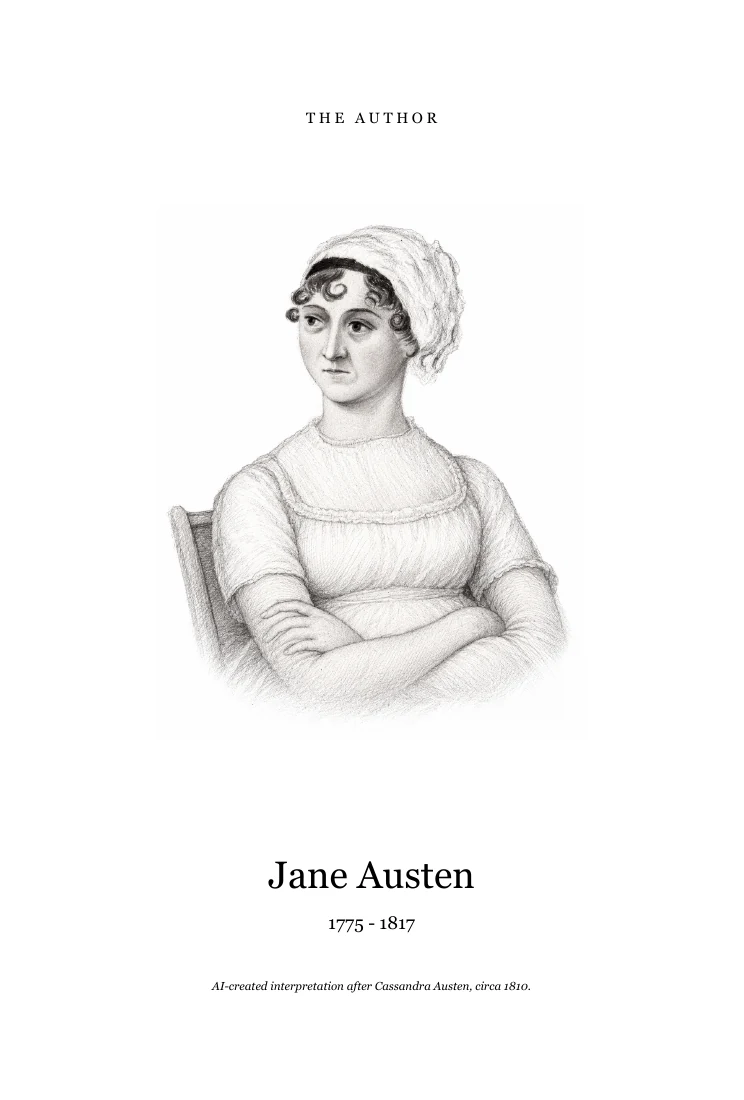
Northanger Abbey is the novel in which Jane Austen takes on the Gothic craze of the 1790s, and its chief target is The Mysteries of Udolpho, the 1794 bestseller by Ann Radcliffe. Austen’s heroine, seventeen-year-old Catherine Morland, devours Udolpho in Bath, and when she is invited to stay at a real abbey she half expects to find the same horrors there.
The joke is affectionate. Austen pokes fun at the Gothic conventions, and at readers who mistake novels for life, but she never sneers at novels themselves. Northanger Abbey is a parody written by someone who had clearly enjoyed Udolpho.
How does Northanger Abbey parody Udolpho?
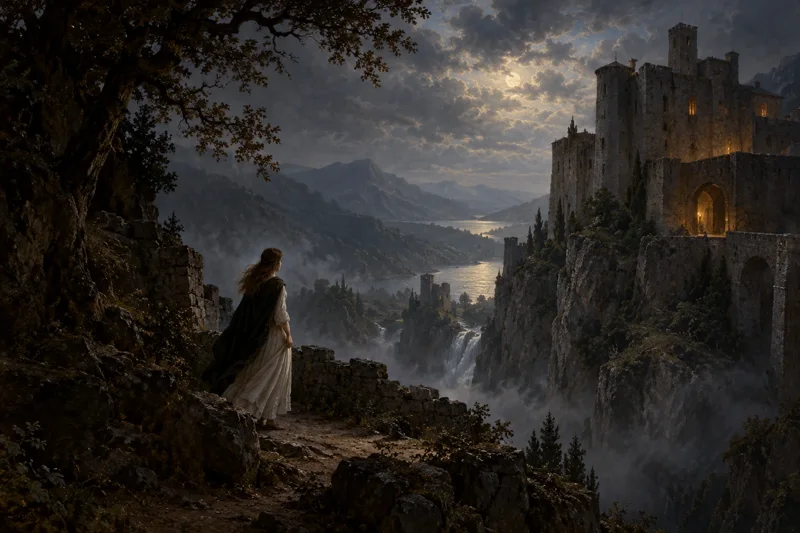
In Udolpho, the orphaned Emily St. Aubert is carried off by the sinister Montoni to a crumbling castle in the Apennines, where she faces locked rooms, mysterious music, a black veil hiding something terrible and a constant threat of violence. Radcliffe was a master of suspense, and she kept readers in agony over what lay behind that veil for hundreds of pages.
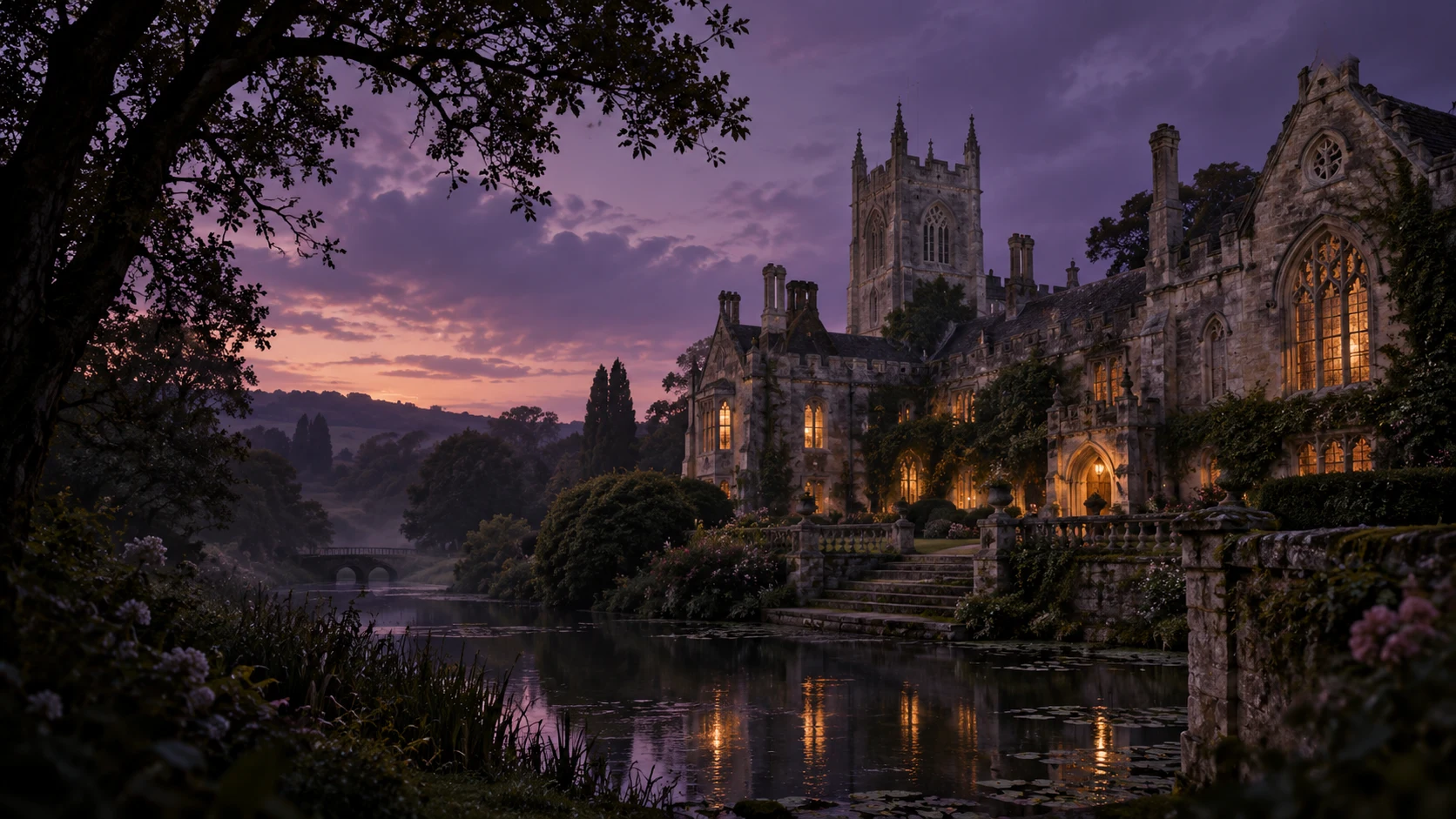
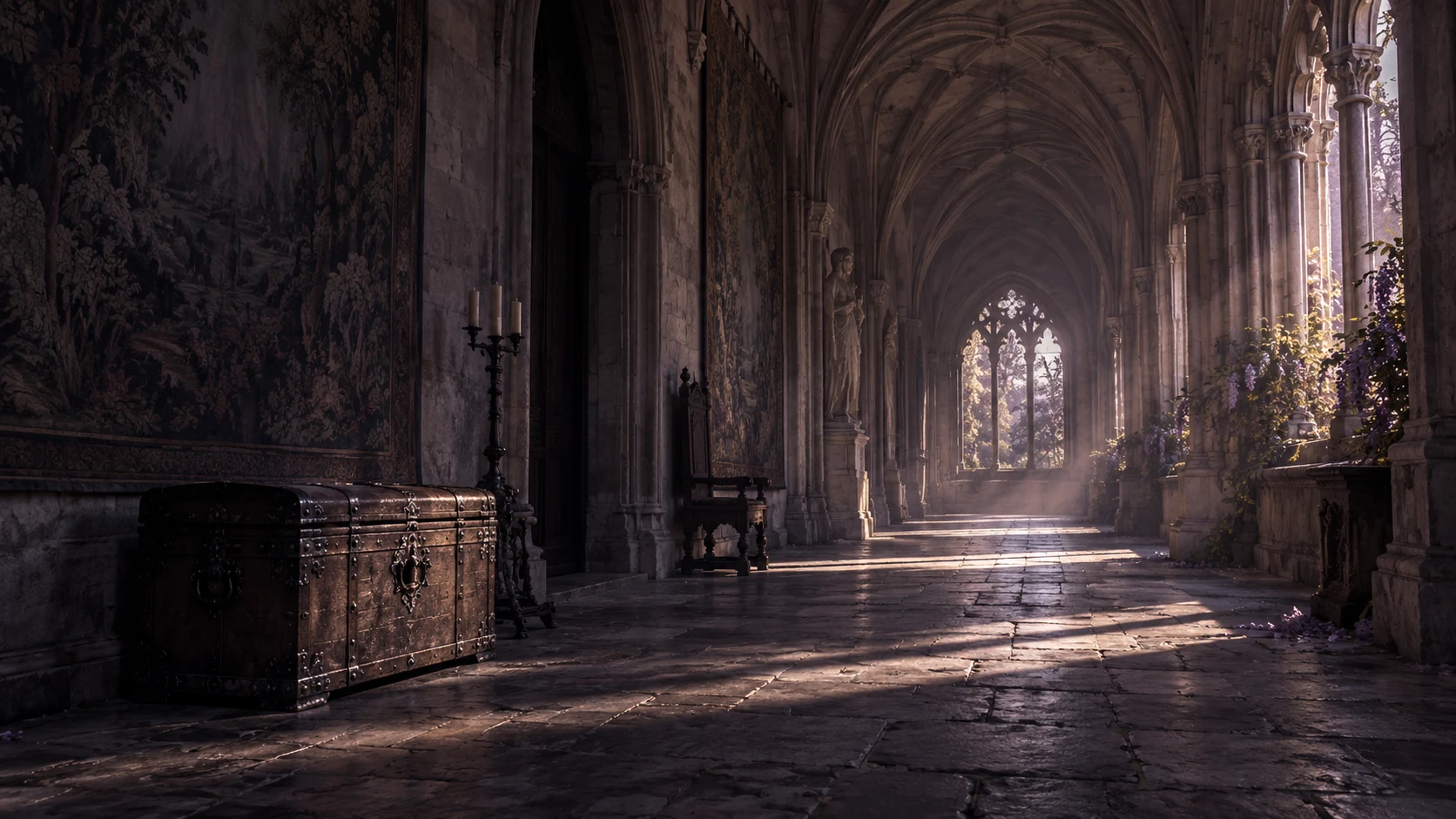
Catherine has her own version of all this, but in a comfortable modern house. She finds an old chest in her bedroom and a cabinet with a roll of mysterious papers, and spends a stormy night in terror before morning reveals what they really are. Then she begins to suspect that her host, the stern General Tilney, is hiding a dark secret about his late wife. Austen lets the reader see Catherine’s imagination running away with her while quietly suggesting that real life has dangers of its own.
Austen even lists Catherine’s reading. Her friend Isabella Thorpe recommends seven more “horrid” novels with titles like The Castle of Wolfenbach and The Necromancer of the Black Forest. Readers once assumed Austen had invented them. They are all real books from the 1790s.
The person, be it gentleman or lady, who has not pleasure in a good novel, must be intolerably stupid.
Henry Tilney in Jane Austen, Northanger Abbey (1817)
Northanger Abbey
1817. Catherine Morland goes to Bath, falls for the witty Henry Tilney and gets herself invited to his family’s abbey, with her head full of Gothic novels. One of Austen’s shortest and most playful novels.
The Mysteries of Udolpho
1794. The novel Catherine cannot put down: Emily St. Aubert, the villain Montoni and the gloomy castle of Udolpho. Long, atmospheric and beautifully paced for patient readers.


Do you need to read Udolpho before Northanger Abbey?
No. Austen tells you everything you need, and the comedy works perfectly well on its own. But reading even part of Udolpho makes the joke richer, and many readers come away surprised by how gripping Radcliffe is. Her landscapes are lavish, her heroine is braver than her reputation, and her trick of explaining the apparently supernatural at the end was much imitated.
Be warned that Udolpho is long, and leisurely by modern standards; it is a book to live in over a few weeks rather than race through. Northanger Abbey is the opposite, brisk and short, a natural first Austen for readers who find the longer novels daunting.
Radcliffe was one of the most admired novelists of the 1790s, and later writers, Walter Scott among them, praised her mastery of suspense. Unusually for so famous an author, she shunned public life, which only fed rumours about her. Austen, who knew Bath well and lived there in the early 1800s, set her Gothic parody partly in the most sociable town in England, about as far from Udolpho as you can get.
What is Northanger Abbey like to read today?
Funny, warm and surprisingly modern. Catherine is a lovable, slightly clumsy heroine, Isabella is a perfect portrait of a fair-weather friend, and Henry Tilney is perhaps the most teasing of all Austen’s heroes. The book also contains Austen’s famous defence of the novel, in which the narrator steps forward to insist that novels deserve as much respect as any other kind of writing.
Where to go next
To see where the Gothic came from, read Did you know The Castle of Otranto was the first Gothic novel?, then browse The best Gothic novels, from Otranto to Dracula. For the rest of Austen, our guide to Jane Austen’s six novels in order is the place to start, and Udolpho also appears in The longest classic novels in our library.
Then do what Catherine did: open Northanger Abbey on a rainy afternoon and let yourself be carried away. Just don’t trust the cabinet in the corner.
Questions readers ask
What book is Catherine reading in Northanger Abbey?
Catherine Morland is reading The Mysteries of Udolpho by Ann Radcliffe, published in 1794. It was the most famous Gothic novel of its day.
Is Northanger Abbey a Gothic novel?
It is a parody of Gothic novels rather than a true example. Austen borrows Gothic situations, like a mysterious abbey and a secret, and plays them for comedy.
What are the horrid novels in Northanger Abbey?
Isabella Thorpe recommends seven, including The Castle of Wolfenbach and The Necromancer of the Black Forest. All seven are real Gothic novels from the 1790s.
 Pride and Prejudice372 pages · $18.99
 Emma390 pages · $19.99
 Sense and Sensibility300 pages · $16.99
 Persuasion202 pages · $14.99