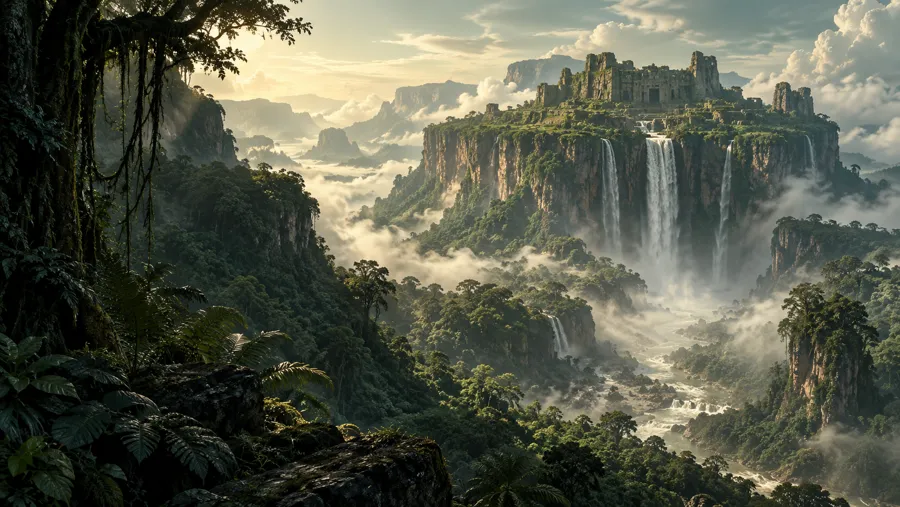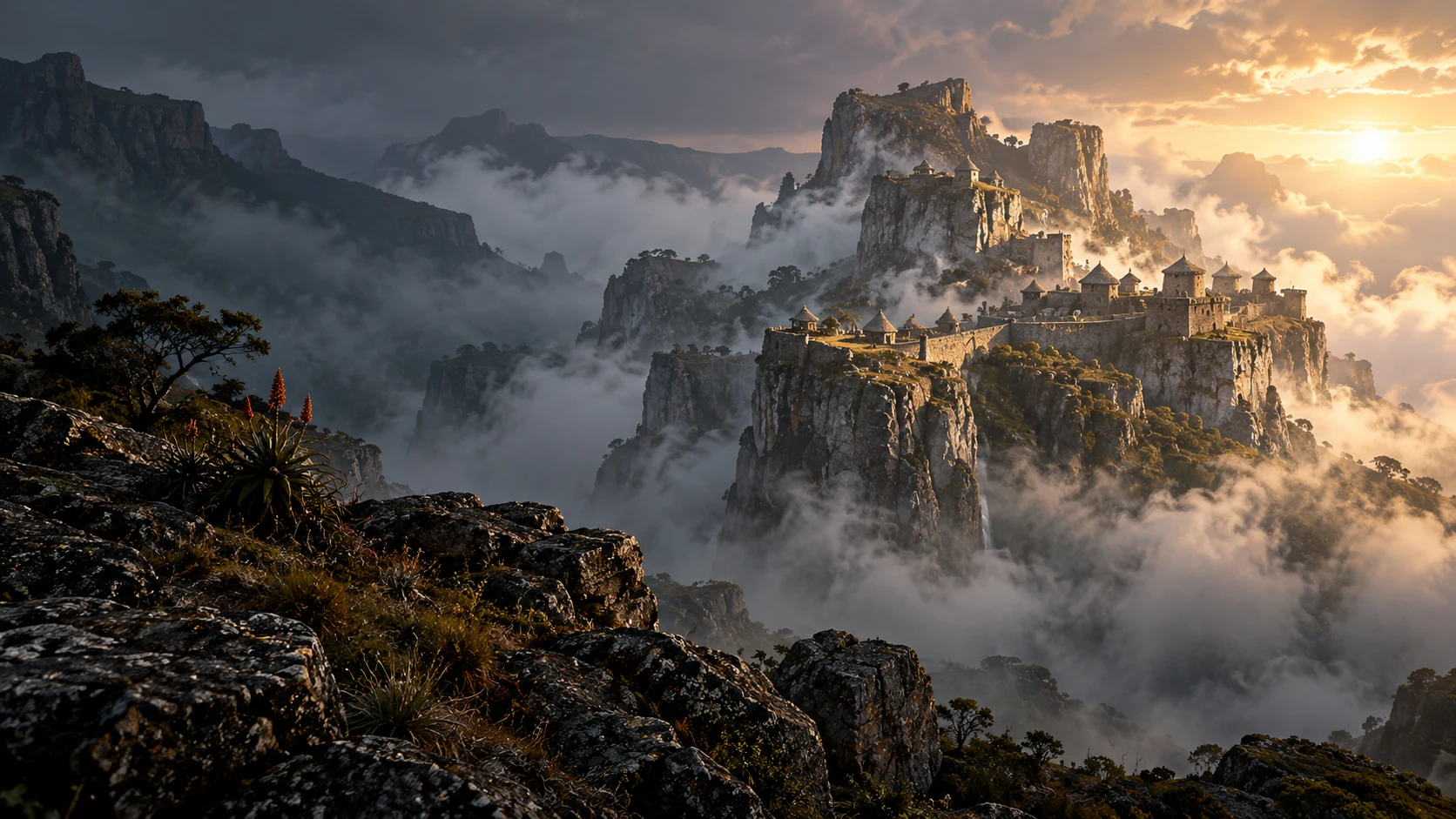

In the first draft of The People of the Mist, the lost race worshipped a giant snake. A friend of H. Rider Haggard’s, an experienced African explorer, read the manuscript and told him the snake was too improbable, so Haggard changed it to a crocodile. Then, as he explained in an author’s note, a hunter published an account of a huge serpent said to live in Mashonaland, and a newspaper reported the capture of a wooden crocodile god in the Transvaal. Haggard had stumbled on the truth twice, and he cheerfully disclaimed any credit for it.
That is the spirit of the books behind Indiana Jones: hidden peoples, monstrous idols and the uneasy feeling that the legend might be true. Raiders of the Lost Ark (1981), directed by Steven Spielberg from a story by George Lucas and Philip Kaufman, was a tribute to the adventure serials Lucas had loved as a boy, and those serials drew on the same tradition as the pulp magazines and imperial romances that came before them. These six are among the best.
Lost cities and the gold of the Incas
Indiana Jones begins Raiders in the South American jungle, lifting a golden idol from a booby-trapped temple. Two classic novels go hunting in the same territory.
The Virgin of the Sun
1922. Hubert of Hastings, a London merchant in the reign of Richard II, falls foul of a courtier, sails west with a mysterious companion named Kari, and reaches the empire of the Incas, where he meets Quilla, the Virgin of the Sun. Haggard frames it as a manuscript recovered centuries later.
The face in the abyss
1923. Nicholas Graydon, an American mining engineer, joins a hunt for lost Inca treasure in South America and is led by a mysterious girl, Suarra, towards the hidden land of Yu-Atlanchi and the golden face in the abyss. A. Merritt’s novelette, later expanded with a sequel, The Snake Mother.


I, Hubert de Hastings, write this in the land of Tavantinsuyu, far from England where I was born, whither I shall never more return…
H. Rider Haggard, The Virgin of the Sun (1922)
Merritt’s greedy treasure-hunters meet the kind of end that the villains of Raiders would recognise. We will say no more than that the face in the abyss does not care for people who come for gold.

Hidden temples and jealous gods
H. Rider Haggard is often credited with inventing the lost-race adventure in King Solomon’s Mines (1885), and he spent the next forty years finding new corners of the map to hide peoples in.
The People of the Mist
1894. Leonard Outram, the last of an old family that has lost its house, goes to Africa to make a fortune and win it back, rescues a young Englishwoman, Juanna Rodd, from slavers, and goes in search of the legendary People of the Mist and their hoard of jewels. In their hidden country, king and priests are at war, and the priests serve a giant crocodile god.
The Ivory Child
1916. Two priests of the White Kendah arrive at an English country house to ask Allan Quatermain for help against their enemies, the Black Kendah, who worship Jana, a monstrous elephant god. Before long Quatermain is back in Africa, in the shadow of a sacred statue called the Ivory Child.


Haggard was writing at the height of the British Empire, and his Africa is seen through the attitudes of his time and class. His African characters are often vividly drawn, and some are among his most heroic, but the language and assumptions of empire run through the books, and modern readers will notice them.
Ruins with something still inside
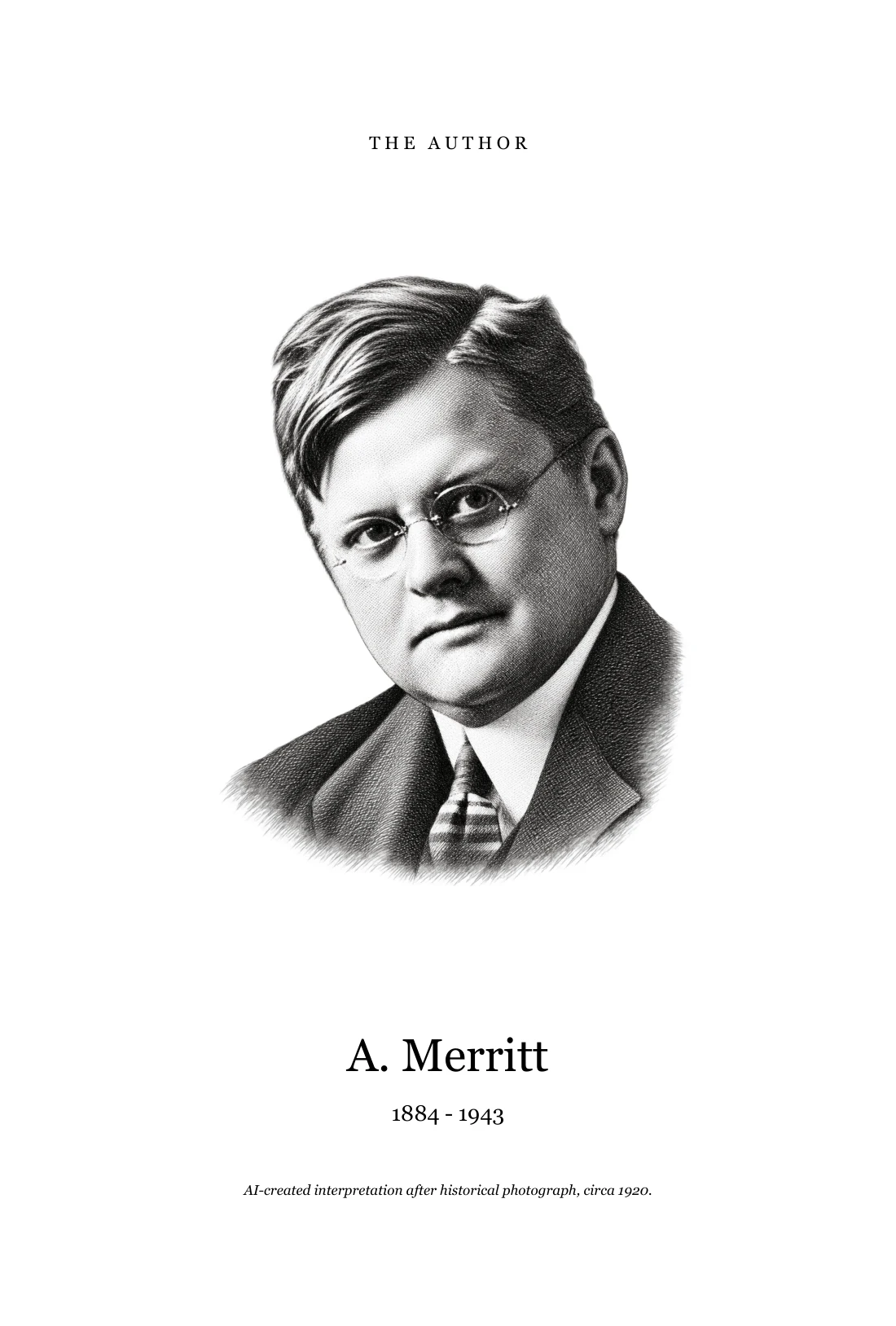
Indiana Jones is always arriving at a ruin just as whatever was sleeping in it wakes up. A. Merritt, one of the most popular American pulp writers of the 1910s and 1920s, built two novels on exactly that idea, both narrated by the same scientist, Dr Walter Goodwin.
The Moon Pool
1919. Among the ancient basalt ruins of Nan Madol, off the island of Ponape in the Pacific, a shining presence rises in the moonlight and carries people away into a world below. First serialised in All-Story Weekly in 1918 and 1919, and still Merritt’s most celebrated book.
The Metal Monster
Serialised in 1920. On a botanical expedition in the mountains beyond the Himalayas, Goodwin and his companions find a hidden valley, a woman called Norhala who commands lightning, and a city of living metal. Strange, overwhelming and quite unlike anything else of its time.


The Metal Monster is the odd one out in Merritt’s career: it ran in Argosy All-Story Weekly from August to September 1920, but it was not published as a book until the 1940s. The Moon Pool has had a long afterlife; its ruined Pacific city is sometimes cited as an influence on H. P. Lovecraft’s The Call of Cthulhu, which we explore in authors who influenced Lovecraft.

Where to start
- For a treasure hunt that turns uncanny: The Face in the Abyss. It can be read in an evening.
- For classic Haggard, with a villainous idol and a great escape: The People of the Mist.
- For the Allan Quatermain fan: The Ivory Child, written late in Haggard’s career. Our Allan Quatermain books in order shows where it fits.
- For pure weirdness: The Moon Pool.
For hidden kingdoms, dinosaurs and the hollow earth, read our guide to lost world novels, and for the bet that started Haggard’s career, Was King Solomon’s Mines really written on a bet? If you want Egypt and tombs, try mummies and Egypt in classic fiction.
Then pack for Africa with The People of the Mist. By the time Leonard Outram sees the shadow of the crocodile god, you will see why a film-maker in 1981 thought these stories deserved a hero in a battered hat.
Questions readers ask
What books are like Indiana Jones?
Classic lost-city adventures are the closest match: H. Rider Haggard’s The People of the Mist, The Virgin of the Sun and The Ivory Child, and A. Merritt’s The Face in the Abyss, The Moon Pool and The Metal Monster.
What inspired Indiana Jones?
George Lucas based Raiders of the Lost Ark (1981) on the adventure film serials he enjoyed as a boy. Those serials drew on a long tradition of pulp adventure and lost-race novels going back to H. Rider Haggard.
Is there a classic novel about lost Inca treasure?
Yes. A. Merritt’s The Face in the Abyss (1923) follows treasure hunters seeking Inca gold in South America, and H. Rider Haggard’s The Virgin of the Sun (1922) takes a medieval Englishman to the Inca empire itself.
 King Solomon's Mines222 pages · $14.99
 Allan Quatermain268 pages · $15.99
 She284 pages · $16.99
 Eric Brighteyes292 pages · $16.99