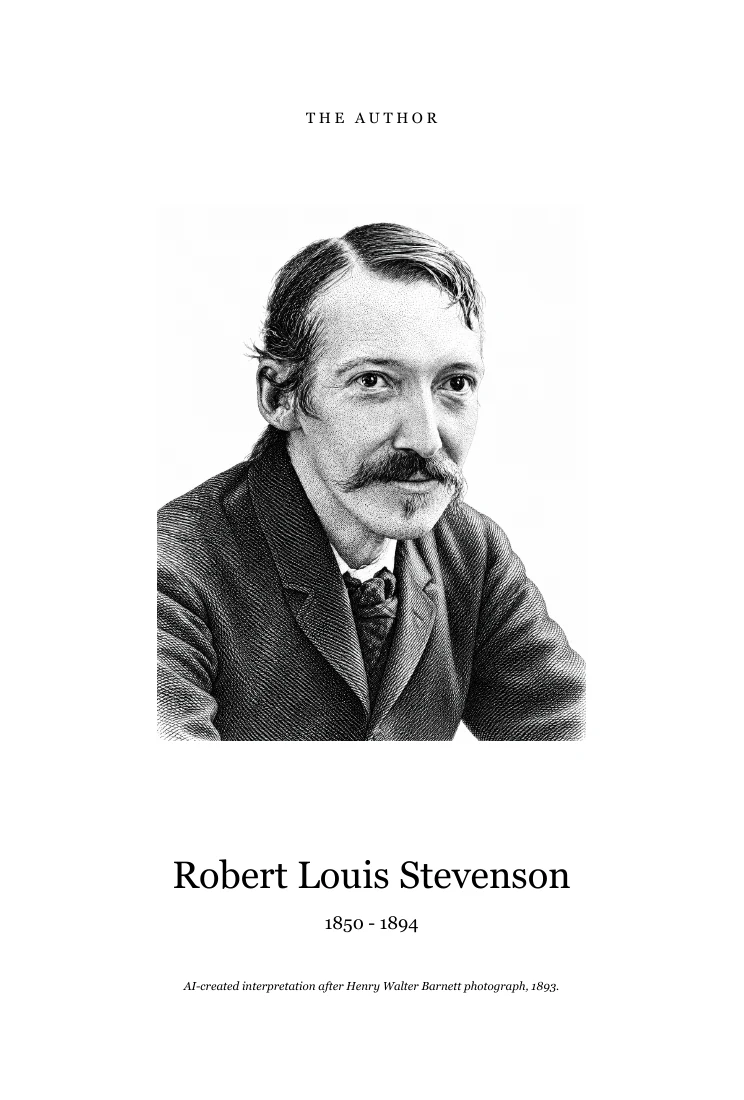
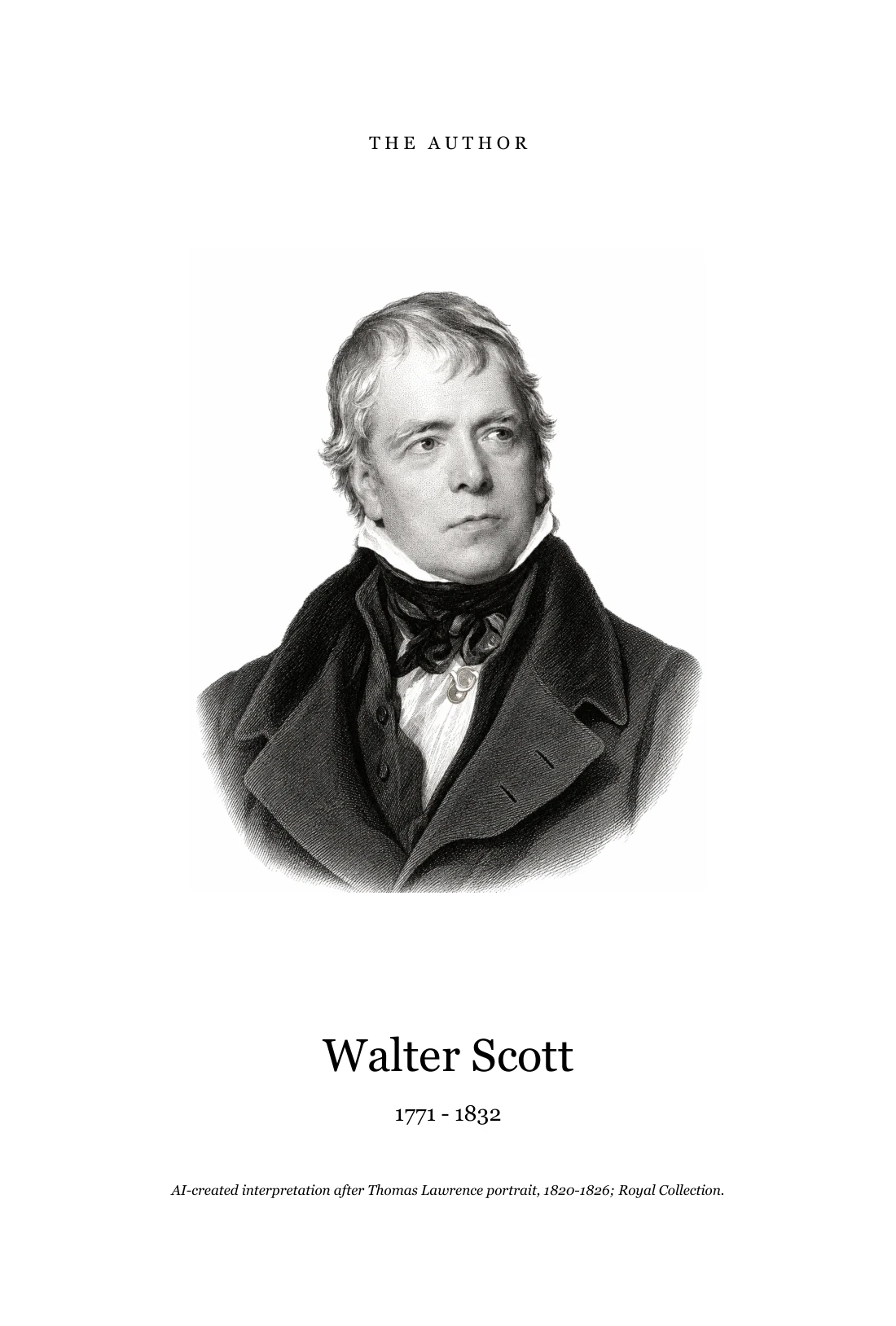
A knight rides into the lists at Ashby with a shield nobody recognises. Its device is a young oak tree pulled up by the roots, and beneath it a single Spanish word, Desdichado: disinherited. He has entered the tournament under no name but the Disinherited Knight, and one by one he defeats the champions who ride against him.
That scene is from Walter Scott’s Ivanhoe (1819), and a reader who loves Game of Thrones will recognise everything in it: the heraldry, the hidden identity, the son cast off by his father, the usurping prince in the royal box. George R. R. Martin’s A Song of Ice and Fire, which began with A Game of Thrones in 1996 and became HBO’s series in 2011, draws on real medieval history, and critics have long noted how much Westeros resembles the England of the Wars of the Roses. The classic novels below go to those same sources.
Usurpers and the Wars of the Roses
The Black Arrow
Serialised 1883, book 1888. Young Dick Shelton begins to suspect that his guardian, the turncoat Sir Daniel Brackley, had a hand in his father’s death, while the outlaws of the forest kill with black arrows and pin a rhyming threat to the church door. Battles, disguises and a cameo by the young Richard Crookback, the future Richard III.
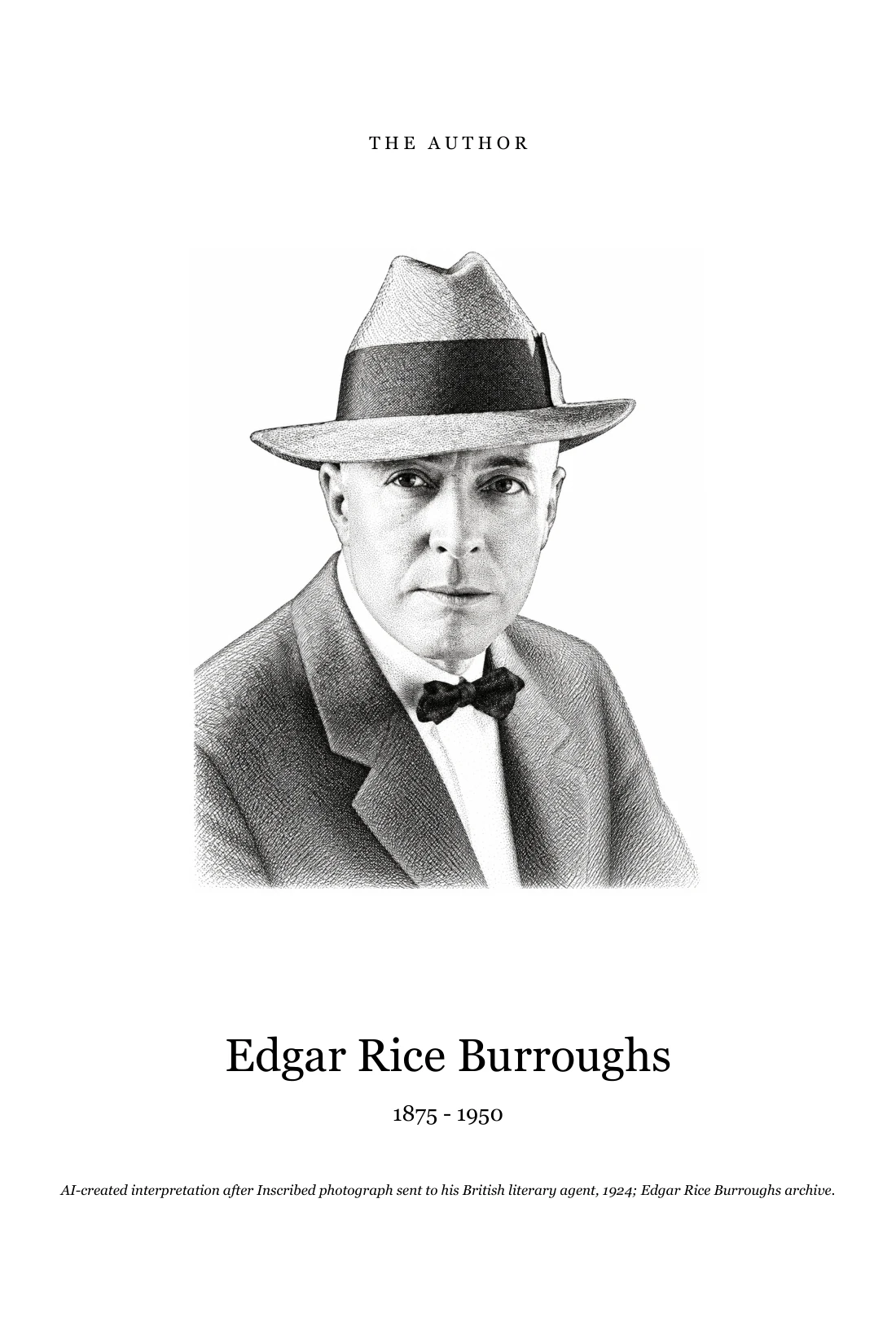
The outlaw of Torn
Serialised 1914, book 1927. In the England of Henry III and Simon de Montfort, a boy raised in the castle of Torn by a bitter old swordsman becomes Norman of Torn, the outlaw the whole country fears. Edgar Rice Burroughs’s second novel, written early in his career, with a secret at its heart.


Robert Louis Stevenson was rude about The Black Arrow, calling it “tushery”, and he dedicated it to his wife, his “Critic on the Hearth”, as the only book of his she had never read and never would. Its first readers disagreed: in Young Folks, the boys’ paper where it ran under the pen name Captain George North, they liked it better than Treasure Island. The full story is in Did you know Stevenson dismissed The Black Arrow as “tushery”?
Knights, tournaments and holy war
Ivanhoe
1819. England in 1194, with King Richard a prisoner abroad and Prince John plotting to take his throne. A disinherited Saxon knight, a proud father, a Templar who will not take no for an answer, Rebecca, Isaac of York, and Locksley the outlaw. The novel that made the Middle Ages fashionable.
The Brethren
1904. Twin brothers, Godwin and Wulf, love the same woman, their cousin Rosamund, who is the half-English niece of the Sultan Saladin. When she is carried off from the Essex coast to the East, the brethren follow her through a land preparing for the battle of Hattin.


Scott’s book portrays the prejudice faced by Rebecca and her father with real sympathy, and Rebecca is its true heroine, but Isaac is drawn partly from the stereotypes of the period. Haggard’s Saladin, meanwhile, is “great-hearted, if at times cruel”, in the words of the author’s note.
Northmen, sorceresses and blood feud
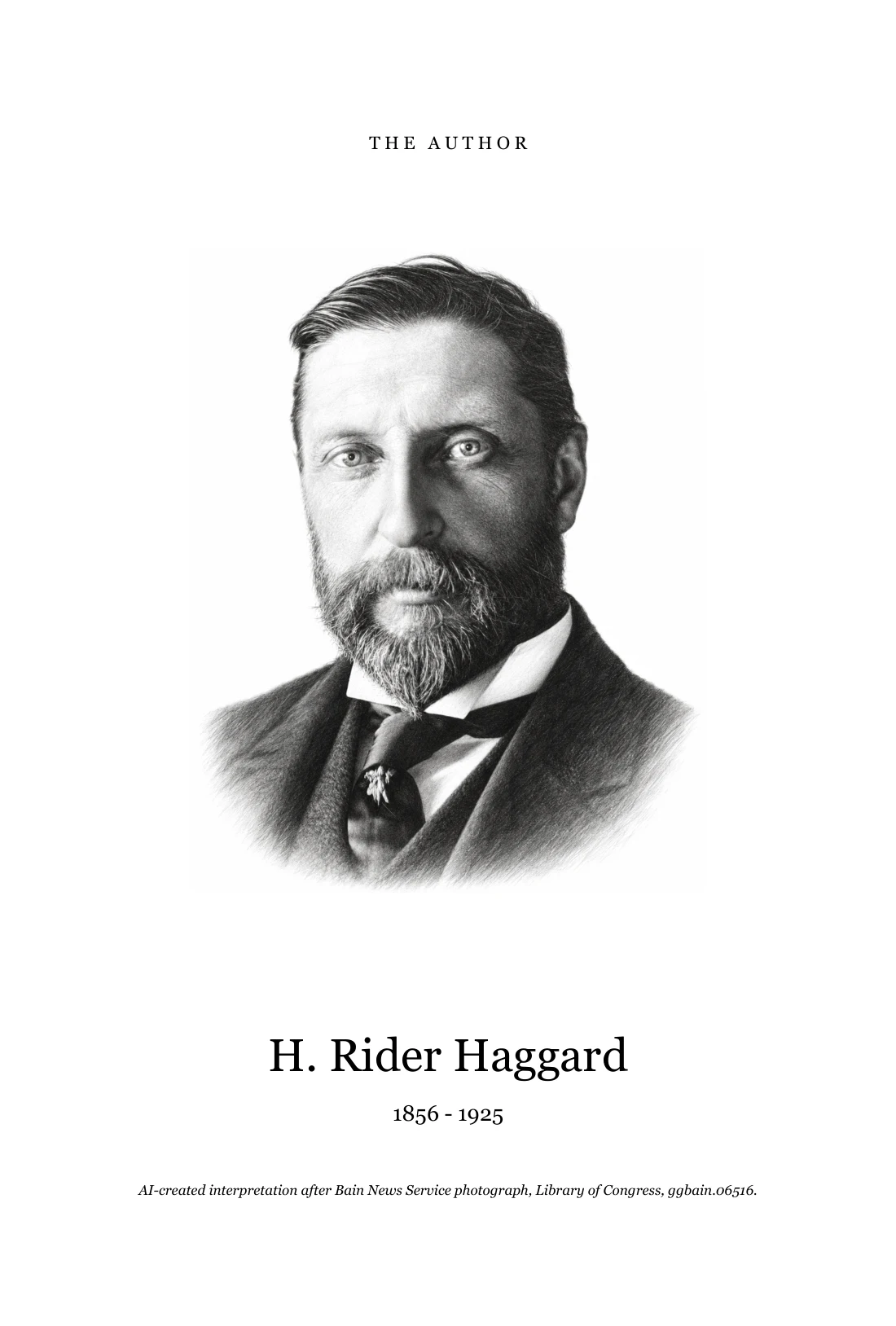
If your favourite parts of Game of Thrones are the ones beyond the Wall, H. Rider Haggard wrote two novels of the far north. He wrote the first in late 1888 after a journey to Iceland, steeped in the sagas.
Eric Brighteyes
1891. Tenth-century Iceland. Eric Brighteyes loves Gudruda the Fair; her half-sister Swanhild the Fatherless, daughter of a witch, loves Eric and will stop at nothing to have him. Feuds, duels, berserkers and sorcery, told in the stark manner of the sagas.
The Wanderer's Necklace
1914. A modern man recovers half of an ancient necklace from a grave and remembers a former life as Olaf, an eighth-century Norseman who defied Odin, sailed south and served the Empress Irene in Constantinople, shielding her from her own son.


They were half-sisters, and there were none like them in those days, for they were the fairest of all women, though they had nothing in common except their blood and hate.
H. Rider Haggard, Eric Brighteyes (1891)
Eric Brighteyes has been called Haggard’s best historical novel, and one critic described it as a sword-and-sorcery epic before its time. The Wanderer’s Necklace is the more exotic of the two, and its Byzantine court, where an empress plots against her son, would not be out of place in King’s Landing.
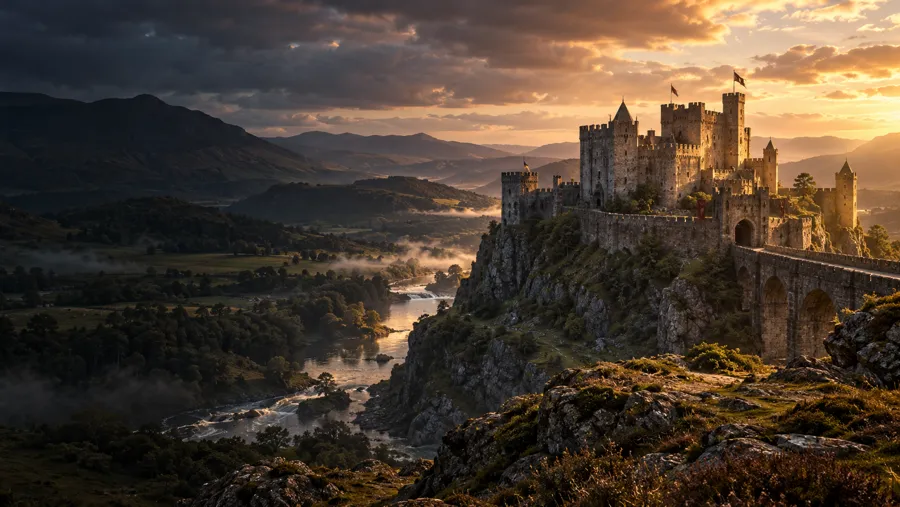
What makes a classic novel like Game of Thrones?
- Rival families and a disputed inheritance.
- Real political cunning, not just sword fights.
- Heroes who can lose, and villains with reasons.
- A world at war, viewed from several sides.
Readers coming from Martin should expect a different texture. These are romances, and their authors care more about honour and adventure than about the grim realism that made the series famous. But the bones are the same, and in places, especially in Eric Brighteyes, the cruelty is fully as stark.
For the man who invented the historical novel, see Did you know Walter Scott is credited with inventing the historical novel?, and for the legends of an older king, King Arthur books. Then ride into Tunstall Forest with The Black Arrow. The prologue alone has a man killed by a black arrow and a rhyme on the church door, and the feud only grows from there.
Questions readers ask
What classic books are like Game of Thrones?
Walter Scott’s Ivanhoe, Robert Louis Stevenson’s The Black Arrow, Edgar Rice Burroughs’s The Outlaw of Torn and H. Rider Haggard’s The Brethren, Eric Brighteyes and The Wanderer’s Necklace all mix medieval war, rival families and disputed crowns.
Was Game of Thrones inspired by the Wars of the Roses?
Critics have often compared Westeros with England during the Wars of the Roses, and George R. R. Martin has also acknowledged the influence of Maurice Druon’s French historical novels, The Accursed Kings. Stevenson’s The Black Arrow is set during the Wars of the Roses.
Is there a classic novel about Vikings?
Yes. H. Rider Haggard’s Eric Brighteyes (1891) is a saga-style novel set in tenth-century Iceland, and his The Wanderer’s Necklace (1914) follows an eighth-century Norseman to Constantinople.