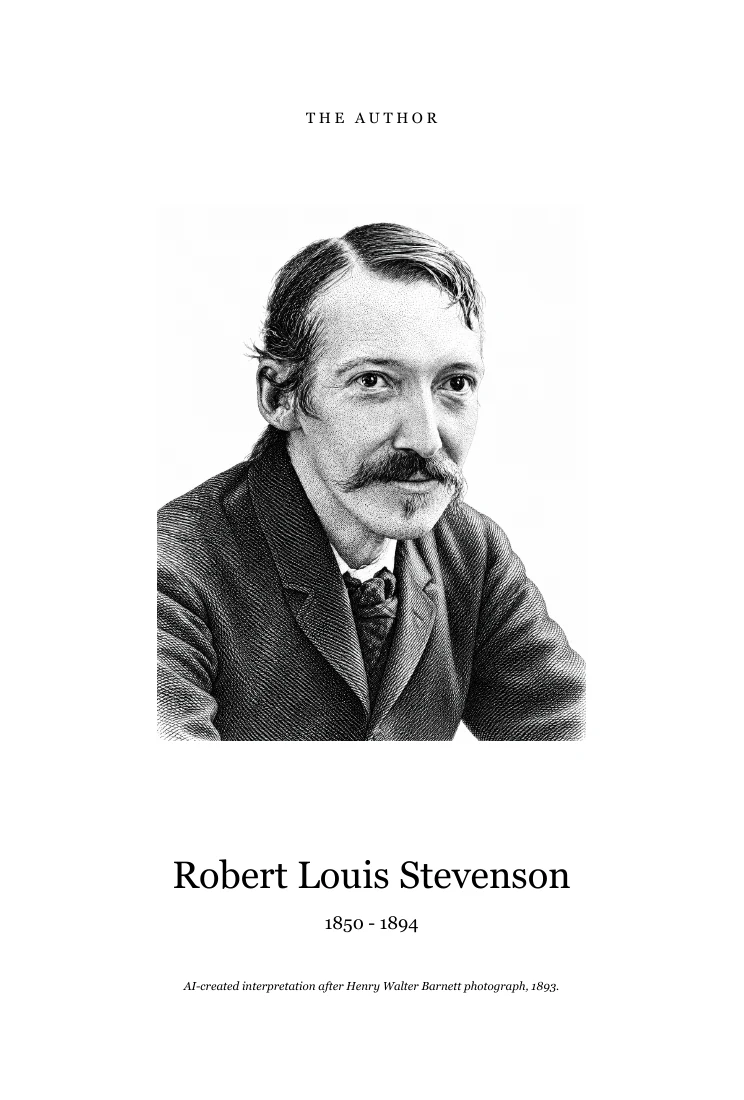
“It seemed unprovoked, a wilful convulsion of brute nature. . . .” That is where Weir of Hermiston stops. According to his friend and editor Sidney Colvin, Robert Louis Stevenson dictated those words on the very morning of the seizure that killed him, in Samoa, in December 1894. The finest Scottish novel he ever began breaks off in the middle of a scene between its young lovers, thousands of miles from Edinburgh.
It is a fitting place to begin a shelf of Scottish literature classics, because so many of them were written by Scots looking homeward. These are the books to read on Burns Night, 25 January, and on the long winter evenings either side of it.
Robert Louis Stevenson’s Scotland
No Scottish novelist has been more widely loved than Robert Louis Stevenson, and three of his books make the heart of any Scottish shelf.
- $16.99
Kidnapped
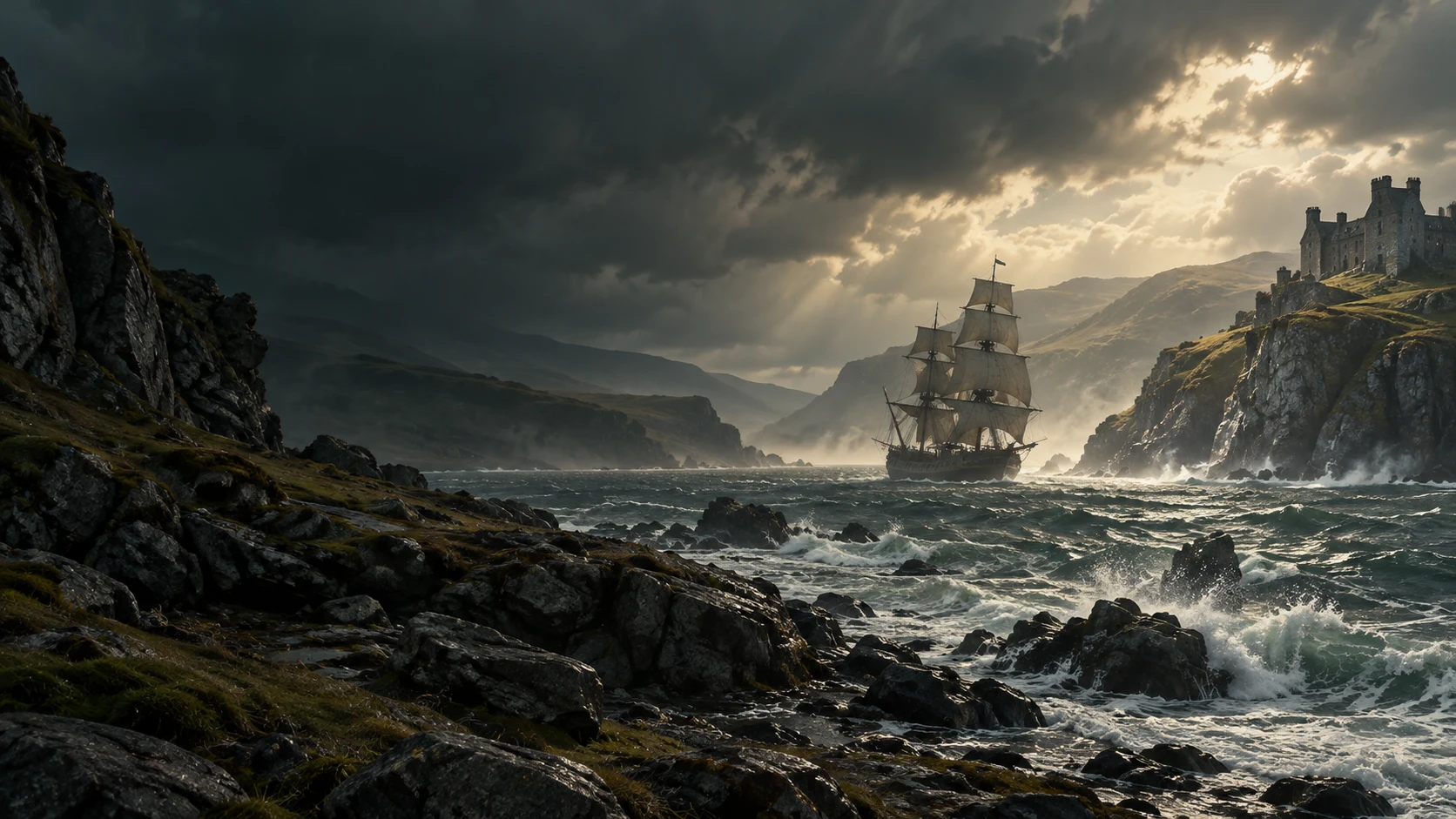
Serialised and published in 1886. David Balfour, cheated of his inheritance by his uncle, is kidnapped, shipwrecked and swept into a flight across the Highlands with the Jacobite Alan Breck Stewart, a real man, in the aftermath of the Appin murder.
- $14.99
Treasure Island
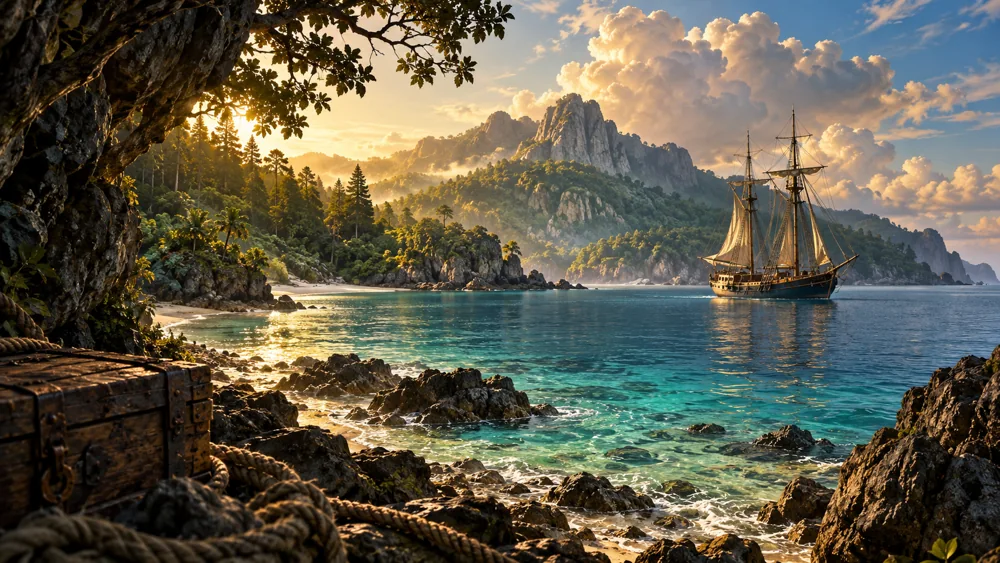
1883. Not set in Scotland, but begun there: Stevenson began it during a wet summer at Braemar in 1881, drawing a treasure map to amuse his thirteen-year-old stepson.
- $11.99
Weir of Hermiston: An Unfinished Romance
1896. Archie Weir quarrels with his father, a coarse and terrifying judge, and is banished to the family’s moorland estate. Stevenson called it “my Braxfield story”, after a notorious real judge. Unfinished, and his most serious novel.


Kidnapped is the one to read first. Its picture of the Highlands after the 1745 rising, with redcoats on the hills and families split by politics, is still the most vivid many readers will ever get, and Alan Breck is one of fiction’s great vain, brave, impossible companions. The story continues in Catriona; see Did you know Kidnapped has a sequel?
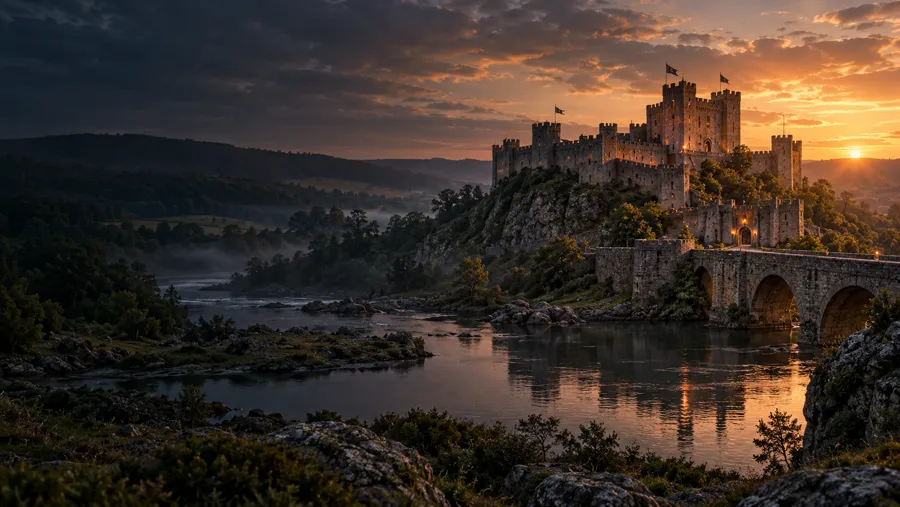
Walter Scott, who invented the historical novel
Scott was already a famous poet when he published Waverley anonymously in 1814, and he kept up the pretence for years. It became an open secret that he was “the author of Waverley”, but he only admitted it at a public dinner in 1827. Earlier Waverley novels had been set in Scotland’s more recent past; Ivanhoe took the method to medieval England and, as John Henry Newman later said, turned readers’ minds “in the direction of the Middle Ages”. Walter Scott’s legacy is the subject of how Walter Scott created the historical novel.
The Scottish small town, unsweetened
At the end of the nineteenth century a fashion for sentimental Scottish village stories, the so-called kailyard school, painted rural Scotland as gentle, pious and harmonious. George Douglas Brown wrote The House with the Green Shutters as the antidote. His Barbie is an Ayrshire town full of envy, and he explains its gossips with deadly precision: “In every little Scotch community there is a distinct type known as ‘the bodie.’”
Brown published the novel under the name George Douglas, and it was a success, but he died of pneumonia the following year at thirty-three. He was born in Ochiltree, Ayrshire, on 26 January 1869: Burns country, the day after Burns Night.
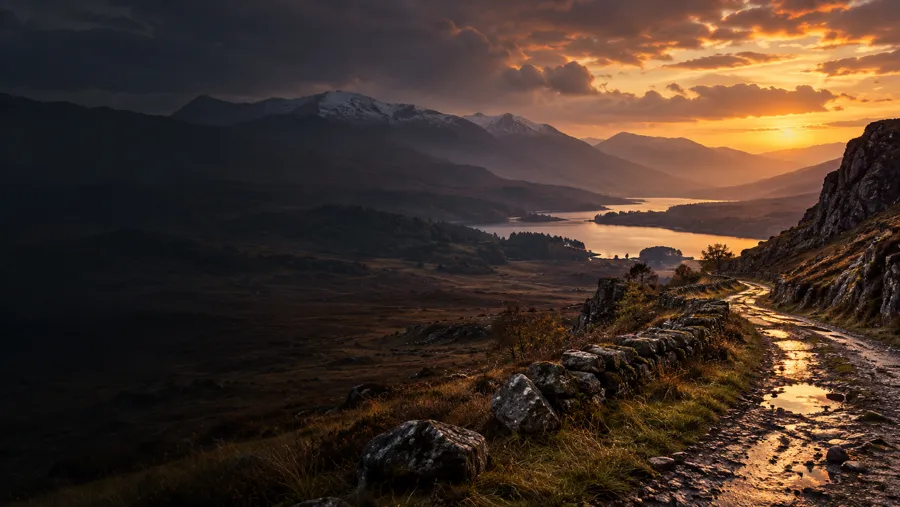
More Scottish literature classics for a winter night
- The Thirty-Nine Steps: John Buchan sends Richard Hannay on the run across the Galloway moors. Short, fast and very Scottish in its landscape.
- The Master of Ballantrae: in 1745 a Solway family sends one son out for Prince Charlie and keeps the other at home for King George, and a lifelong feud begins.
- Strange Case of Dr Jekyll and Mr Hyde: set in London, but readers have long seen Stevenson’s Edinburgh, respectable by day and raffish by night, in its divided city.
- Peter and Wendy: J. M. Barrie was a Scot from Kirriemuir, and this novel grew out of his 1904 London stage play. See Did you know Peter Pan was a play first?
Which Scottish classic should you read on Burns Night?
If you have one evening, read the first chapters of Kidnapped and see how far you get; most readers do not stop at the shipwreck. If you have a week, add Weir of Hermiston, short because unfinished, and read Colvin’s note at the end. For a guide to the rest of Stevenson, see where to start with Robert Louis Stevenson. Then raise a glass to the poet, and to the novelists who followed him.
Questions readers ask
What are the best Scottish literature classics?
Kidnapped, Treasure Island and Weir of Hermiston by Robert Louis Stevenson, Ivanhoe and Waverley by Walter Scott, The House with the Green Shutters by George Douglas Brown and The Thirty-Nine Steps by John Buchan make a good first shelf.
When is Burns Night?
Burns Night is held on 25 January, the birthday of the poet Robert Burns, who was born in 1759. The first Burns supper was held in 1801, and birthday suppers began the following year.
Is Treasure Island Scottish?
Its author was. Robert Louis Stevenson was born in Edinburgh and began Treasure Island at Braemar in the Scottish Highlands in 1881, though the story is set in the West Country and on a distant island.
 Strange Case of Dr Jekyll and Mr Hyde108 pages · $11.99
 The Black Arrow214 pages · $14.99
 Catriona258 pages · $15.99
 The Master of Ballantrae218 pages · $14.99