The captain of the guard is called Kutasoff Hedzoff. The prime minister is Glumboso, the court physician Pildrafto, and the bad-tempered lady-in-waiting Countess Gruffanuff. The rival kingdoms are Paflagonia and Crim Tartary, and Prince Bulbo’s father, King Padella, is named after the Italian for a frying pan. You know from the cast list alone that The Rose and the Ring is not going to take royalty very seriously.
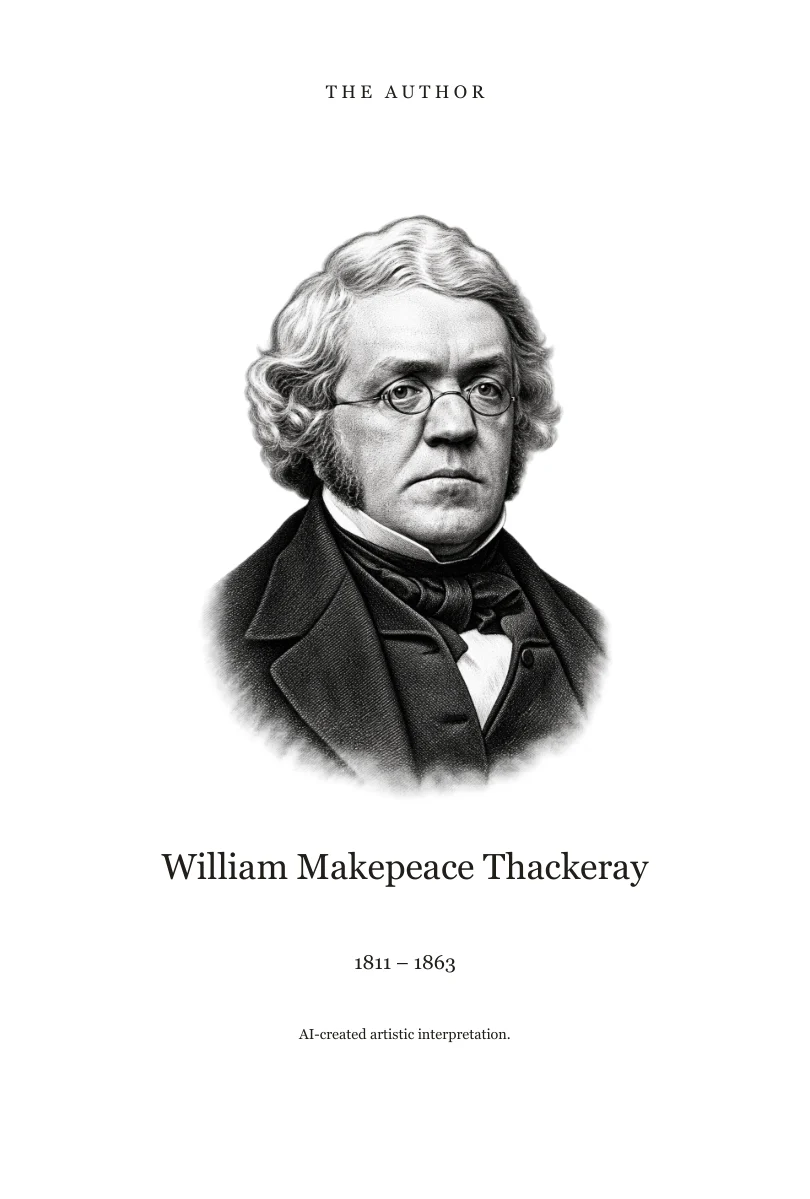
It was written by William Makepeace Thackeray, the great satirist of Vanity Fair, and published for Christmas 1854 (the first edition is dated 1855). He called it “a fire-side pantomime for great and small children”, and put it out under one of his old comic pen names, Mr. M. A. Titmarsh.
How The Rose and the Ring began
Thackeray tells the story himself in a short prelude. He had spent the previous Christmas in Rome, where there were plenty of English children but no way to buy the Twelfth-Night characters, the painted cards of “the King, the Queen, the Lover, the Lady, the Dandy, the Captain”, that families used for games at their parties. So he drew a set. Then a story grew around the drawings, and it was told to the children at night as their fireside pantomime.
His daughters Annie and Minnie were with him in Italy that winter. He is said to have read episodes aloud as he wrote them to another child who was ill at the time, the daughter of his friend, the American sculptor William Wetmore Story. He drew the illustrations himself. Thackeray had once trained as an artist in Paris, and his pictures are as cheerfully rude as his prose.
What is The Rose and the Ring about?
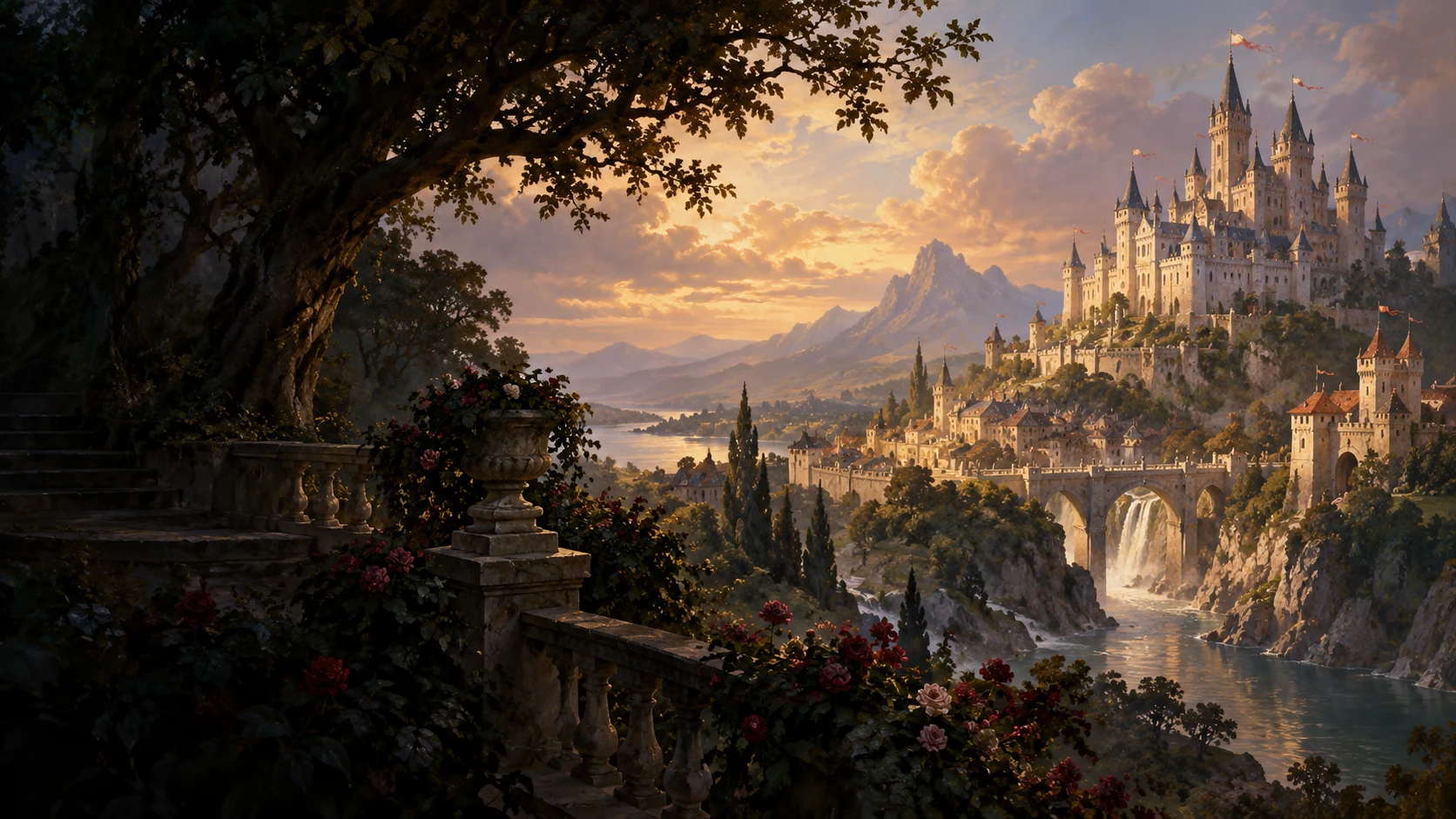
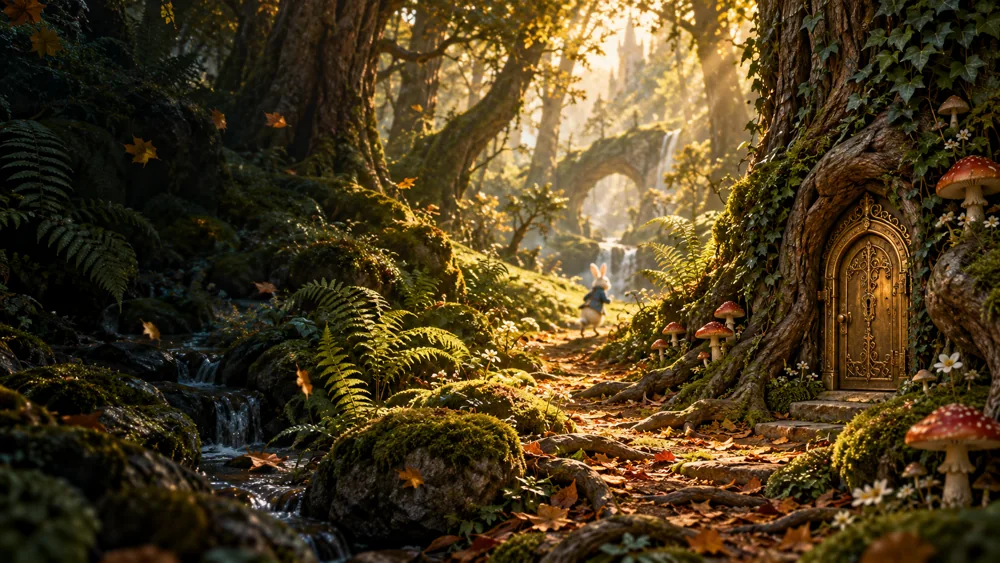
Paflagonia is ruled by King Valoroso, who stole the throne from his infant nephew, Prince Giglio. Valoroso’s daughter Angelica is thought to be the most beautiful and accomplished girl in the kingdom, but she owes her charms to a magic ring that makes its wearer irresistible. Prince Bulbo of Crim Tartary has a magic rose that does the same for him. Both objects come from the same fairy, and both end up on the wrong people, so that half the court falls in love with whoever happens to be wearing them.
The true heart of the story is a kitchen maid called Betsinda, who is not quite what she seems, and Giglio himself, a lazy, likeable prince who has to be knocked about by fortune before he is worth anything. By the last chapter there have been a scaffold, a battle, a university, a pair of lions and a wedding nobody expected.
The fairy who gives a little misfortune
The cleverest idea in the book is its fairy godmother. The Fairy Blackstick, who rides to the moon on her ebony stick, has spent thousands of years handing out magic gifts and has noticed that they do more harm than good. Her rose and her ring made two queens vain and lazy. So when she is called to the cradle of the baby Giglio, and later to that of a princess called Rosalba, she gives each the only present she now trusts.
My poor child, the best thing I can send you is a little MISFORTUNE.
W. M. Thackeray, The Rose and the Ring, chapter III
That is Thackeray the moralist in a single line, and it is why the book works for adults as well as children. Under the slapstick, it is a story about how flattery ruins people and trouble improves them. Like a Christmas pantomime, it saves its biggest transformation for the end, in a final chapter Thackeray calls “the last scene in the pantomime”.
Is The Rose and the Ring for children or adults?
Both, which is what Thackeray intended. Children enjoy the pratfalls, the lions and the villainous Gruffanuff. Adults get the jokes about royal marriages arranged for money, about courtiers who switch sides the moment the wind changes, and about Giglio’s university town of Bosforo, a thinly disguised Oxford. It has been adapted for BBC television and Polish television, and it was the subject of Lotte Reiniger’s last silhouette film, in 1979.
The Rose and the Ring
1854. Two magic gifts, two kingdoms, four royal cousins and a fairy who has given up on magic. A Christmas romp with a sharp moral edge, best read aloud with silly voices.
Alice's Adventures in Wonderland
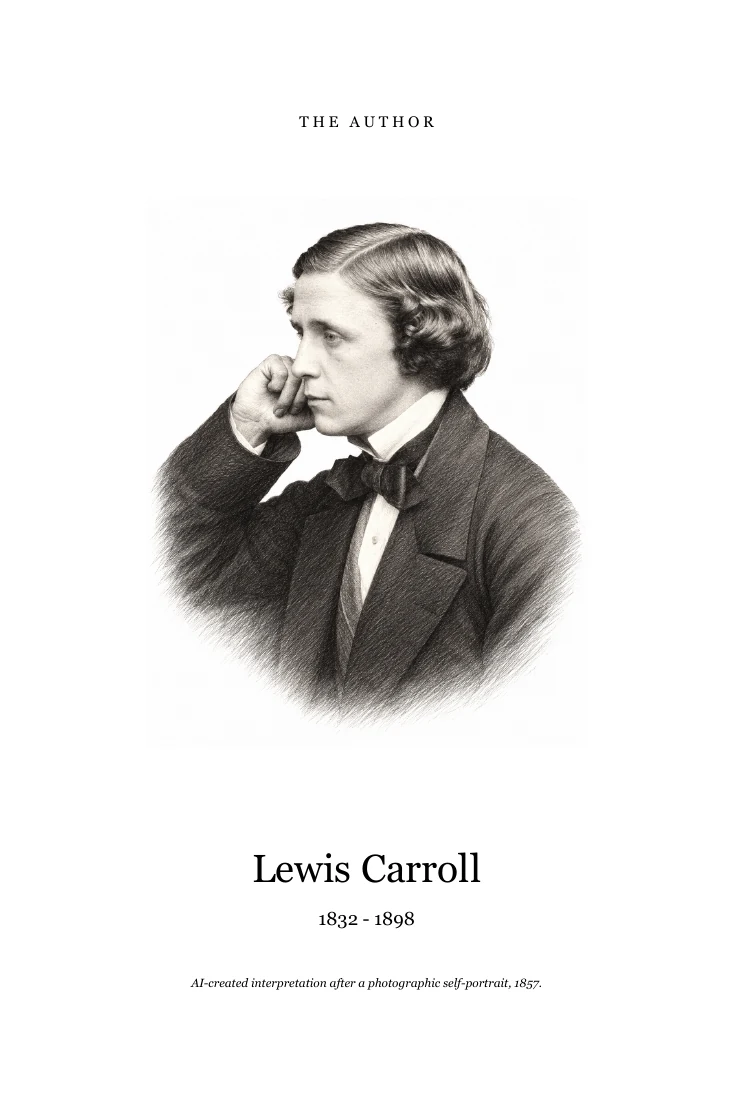
1865. Lewis Carroll’s Wonderland has its own bad-tempered royals and absurd court. A decade younger than Thackeray’s tale, and the natural next step.
The Happy Prince, and Other Tales
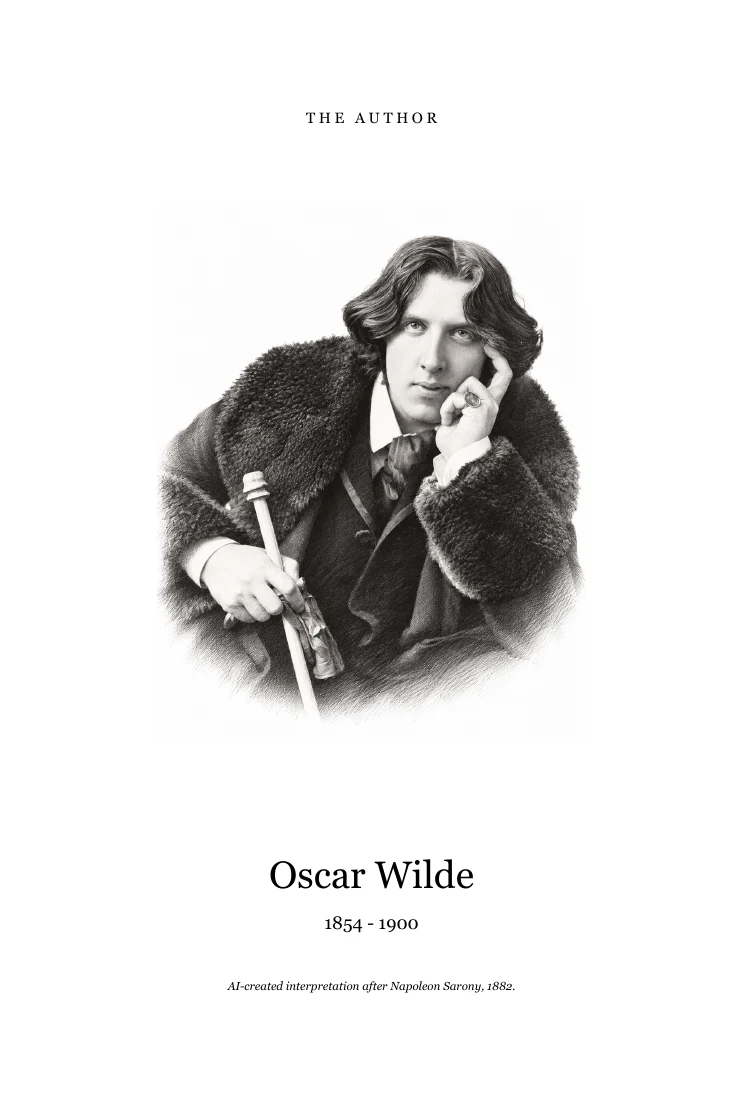
1888. Oscar Wilde’s fairy tales share Thackeray’s scepticism about princes and riches, though they end in tears rather than laughter.


For other Victorian novelists who turned to fairy tales, read The Little Lame Prince and his travelling cloak and Did you know Oscar Wilde wrote fairy tales?. Christmas readers will find more in Classic Christmas books for children.
Then pull a chair up to the fire. The Rose and the Ring opens with a royal family squabbling over breakfast, and it only gets sillier from there.
Questions readers ask
What is The Rose and the Ring about?
It is a comic fairy tale by W. M. Thackeray about the royal cousins of Paflagonia and Crim Tartary, a magic rose and ring that make their wearers irresistible, and a fairy who believes the best gift is a little misfortune.
When was The Rose and the Ring written?
Thackeray wrote it in Rome in early 1854, after drawing Twelfth-Night characters for a children’s party. It was published for Christmas 1854, with the first edition dated 1855.
Why is The Rose and the Ring called a pantomime?
Thackeray subtitled it “a fire-side pantomime for great and small children” because it began as a story told around his drawings at a children’s Christmas party, and it borrows the stock characters, slapstick and happy ending of the Victorian Christmas pantomime.