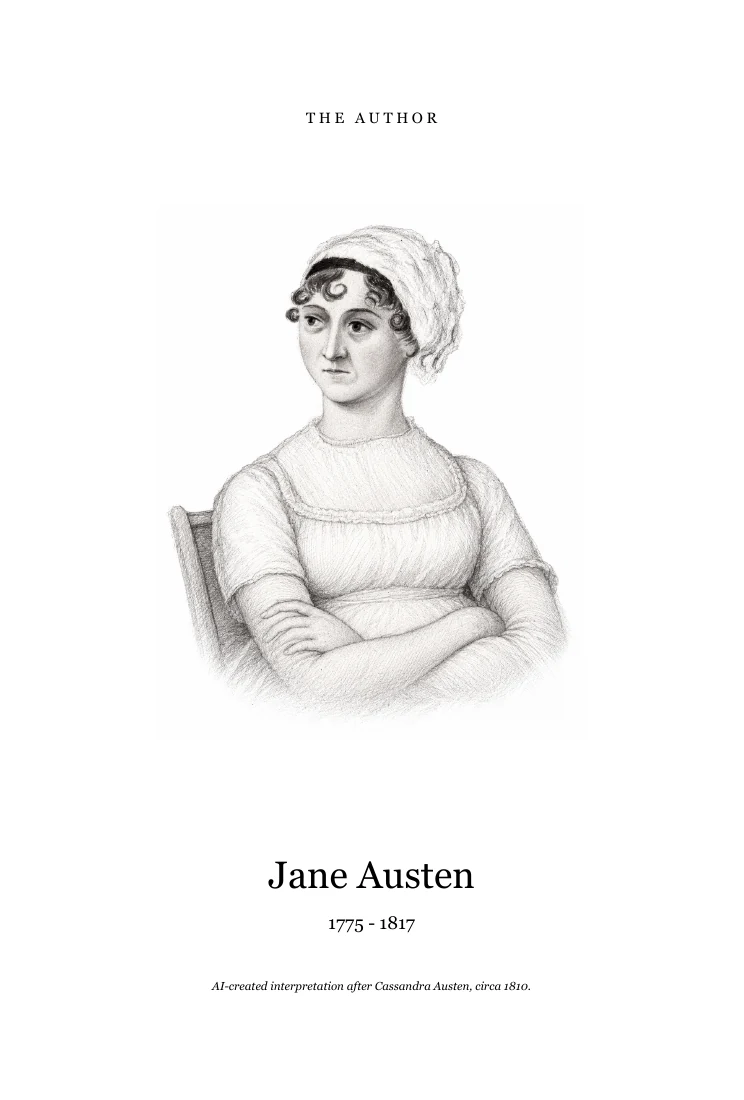
Eight years and a half. Captain Wentworth counts them exactly in the letter he writes to Anne Elliot near the end of Persuasion, the time since she broke off their engagement on the advice of a family friend. He has spent the whole novel pretending not to care. Then, in a crowded room in Bath, he overhears her talking about constancy and picks up a pen.
You pierce my soul. I am half agony, half hope. Tell me not that I am too late, that such precious feelings are gone for ever.
Jane Austen, Persuasion (1817)
That letter is the reason modern readers searching for second chance romance books keep being pointed back to Jane Austen. The rest of the classics in this list take the same situation, a love interrupted and then offered again, and do very different things with it. Some reward the wait. Some show why you cannot go back. One plays the whole thing for laughs.
Second chance romance books that reward the wait
Persuasion
Published in December 1817, five months after Austen’s death. Anne Elliot, twenty-seven and overlooked by her family, watches the man she refused come home from the navy rich, admired and apparently indifferent. Austen’s most grown-up love story.
Far from the Madding Crowd
1874. Gabriel Oak proposes to Bathsheba Everdene in the first chapters and is turned down. What follows is a long, rural lesson in patience, played out against a sheep farm, a reckless soldier and a dangerously obsessed neighbour.


What makes Persuasion different from Austen’s earlier books is that the obstacles are inside the lovers rather than between them. Nobody is hiding a secret engagement or a scandalous past. Anne and Wentworth simply have to discover whether the people they have become still want each other, and Austen lets the reader feel every awkward dinner along the way. If you are working through her books, see Jane Austen’s novels in order.

When the second chance is refused
The darker classics treat a returning love as a test. The question is not whether the lovers can be together, but whether either of them is still the person who could.
The Age of Innocence
1920. Newland Archer is engaged to the right girl in 1870s New York when her unconventional cousin Ellen comes home from Europe. Wharton’s final chapter jumps decades forward and offers Newland one more chance; what he does with it is quietly devastating.
The Great Gatsby
1925. Jay Gatsby has spent five years and a fortune trying to win back Daisy Buchanan, whom he loved as a young officer around 1917. The most famous attempt in American fiction to make the past happen again.


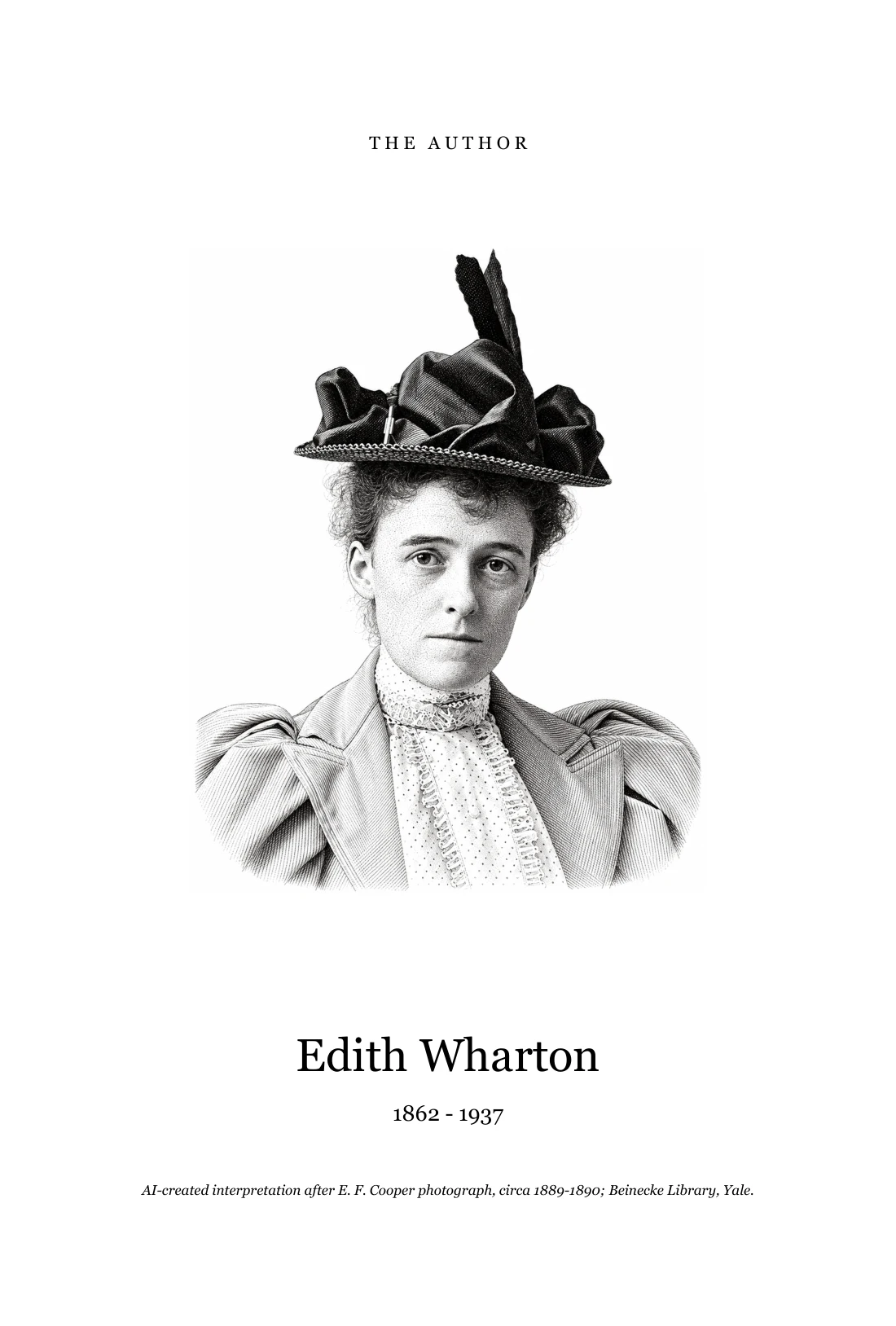
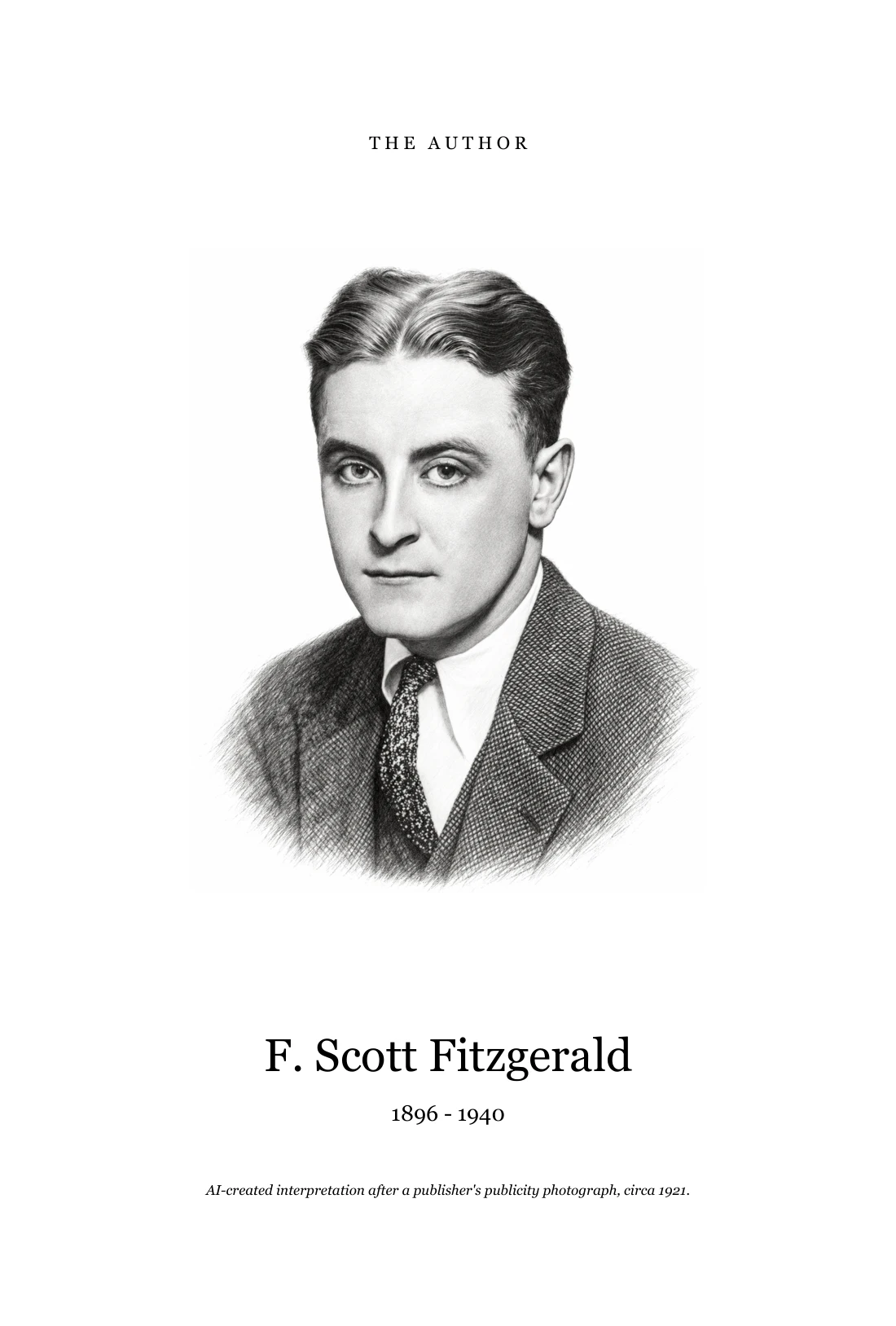
Edith Wharton won the 1921 Pulitzer Prize for The Age of Innocence, the first woman to do so, and its ending is the reason the book stays with people. F. Scott Fitzgerald reaches the same conclusion from the other side. When Nick warns Gatsby, “You can’t repeat the past,” Gatsby is incredulous, and insists that of course you can.
Between them sits Dickens. Great Expectations first ended with Pip and Estella meeting briefly and parting. Dickens changed it after his friend Edward Bulwer-Lytton read the proofs and urged a more hopeful close, and readers have argued about which version is truer ever since. We look at both in Did you know Great Expectations has two endings?
When the second chance goes comically wrong
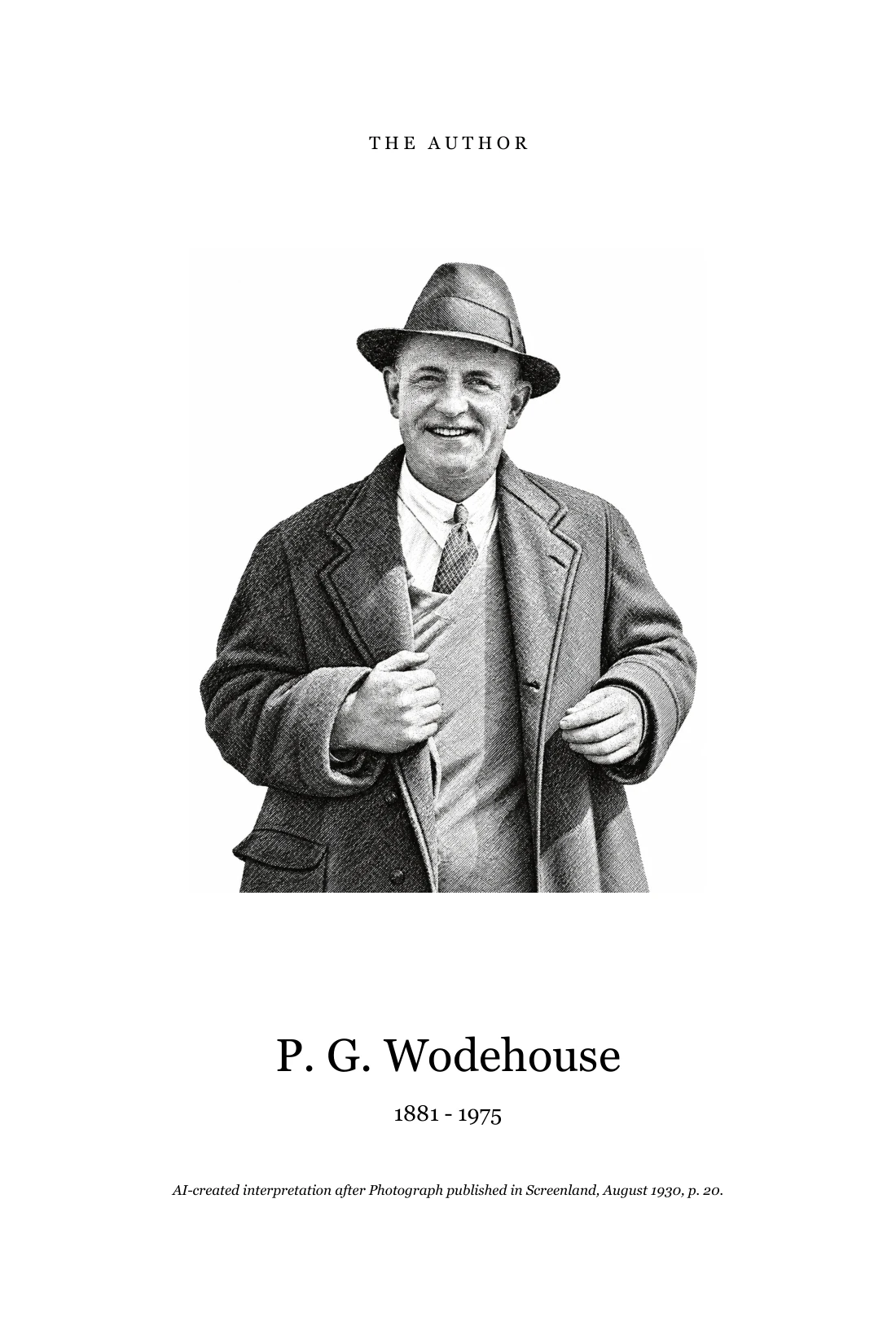
Lady Maud Marsh, the damsel of P. G. Wodehouse’s title, is kept “practically a prisoner” at Belpher Castle by her family because she is pining for a man she met in Wales the summer before. The whole plot turns on her getting him back. Wodehouse, being Wodehouse, takes the most sacred convention of the lost-love story and lets the air out of it. Without giving away the ending, one passage tells you everything about his attitude to romantic idealism:
She had asked for the slim Apollo whom she had loved in Wales, and this colossal changeling had arrived in his stead.
P. G. Wodehouse, A Damsel in Distress (1919)
It makes a perfect antidote to the heavier books on this list, and a reminder that the second-chance plot can be a comedy as easily as a tragedy. For more of Wodehouse in this mood, see Wodehouse’s romantic comedies.

Why second-chance stories feel so true
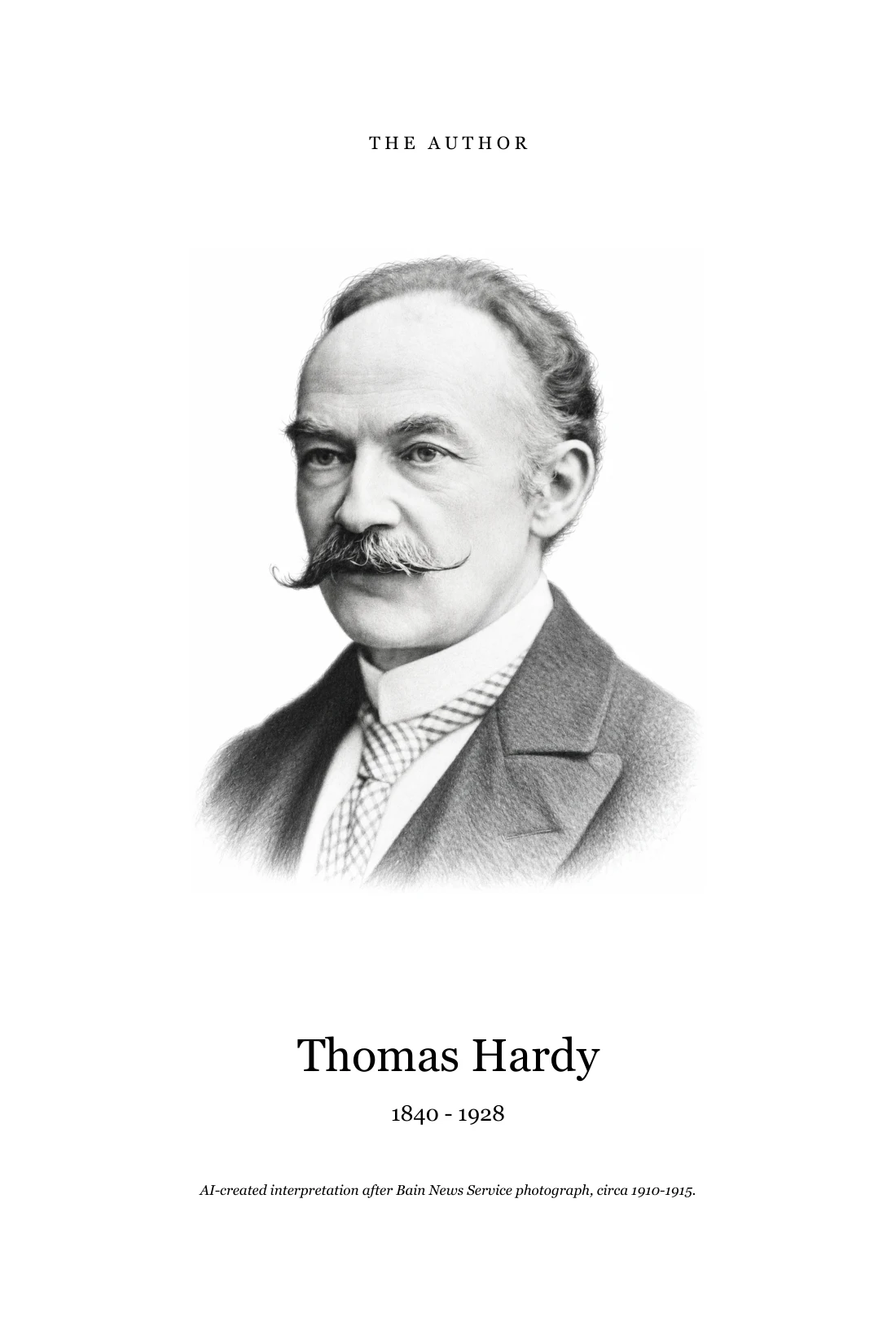
First-love stories are about discovery. Second-chance stories are about memory, which may be why they suit older readers and rereaders so well. The lovers are not finding out who the other person is; they are finding out what time has done to both of them. Austen makes that hopeful. Wharton and Fitzgerald make it tragic. Wodehouse makes it funny, and Hardy makes it a matter of stubborn, unglamorous loyalty.
To begin with just one, make it Persuasion. It is short by Austen’s standards, it is her most tender, and the letter is waiting near the end. For more romance from the same shelves, try the most romantic classic novels or enemies-to-lovers classics.
Questions readers ask
What is the best second chance romance classic?
Jane Austen’s Persuasion is the classic second chance romance: Anne Elliot and Captain Wentworth meet again eight years after she broke off their engagement. The Age of Innocence and The Great Gatsby are darker variations.
How long were Anne and Wentworth apart in Persuasion?
About eight years. In his letter Wentworth puts it at “eight years and a half” since she almost broke his heart.
Is The Great Gatsby a second chance romance?
In a sense. Gatsby spends five years trying to win back Daisy, whom he loved before the war, and the novel is about whether the past can be recovered. It is a tragedy rather than a romance with a happy ending.