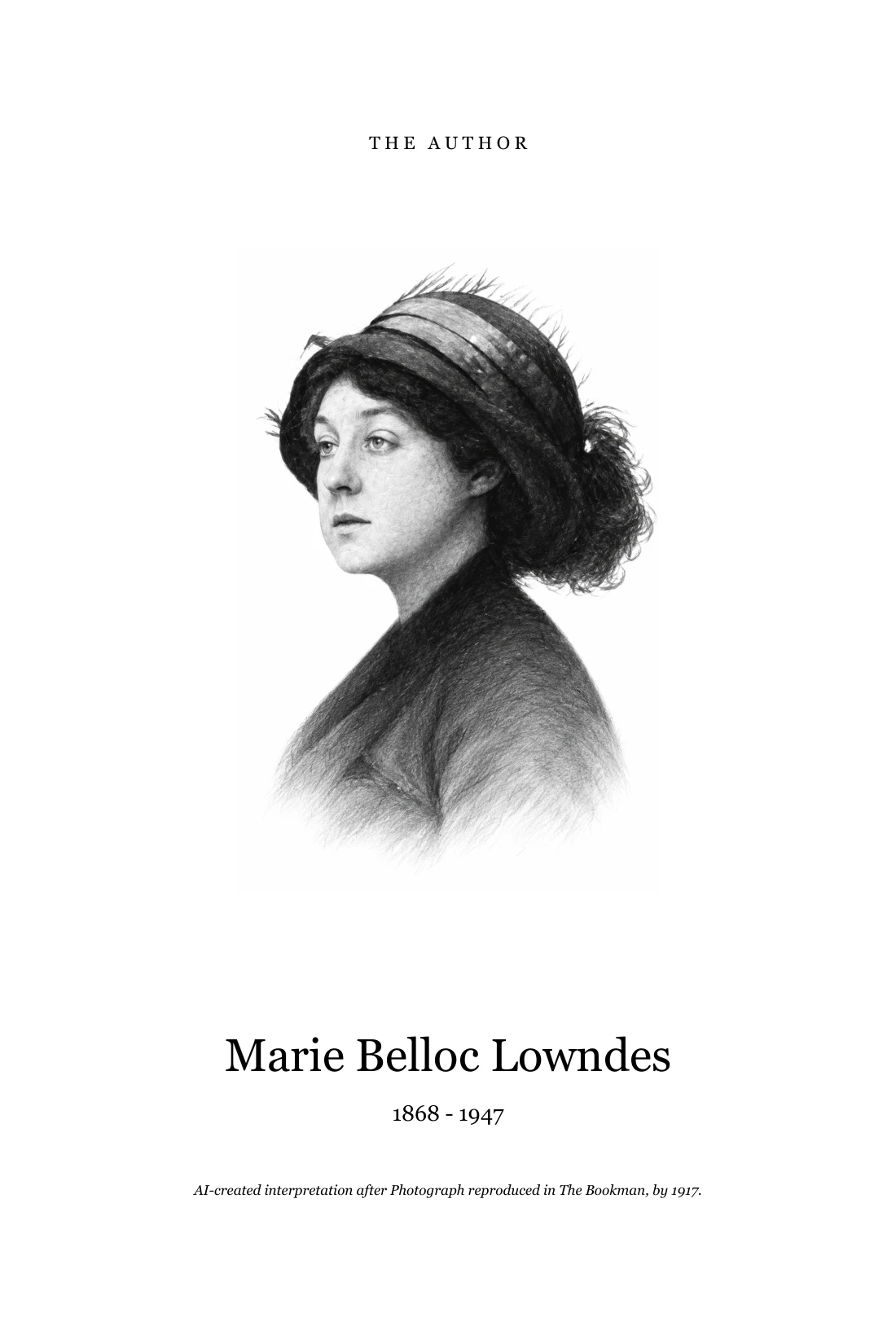
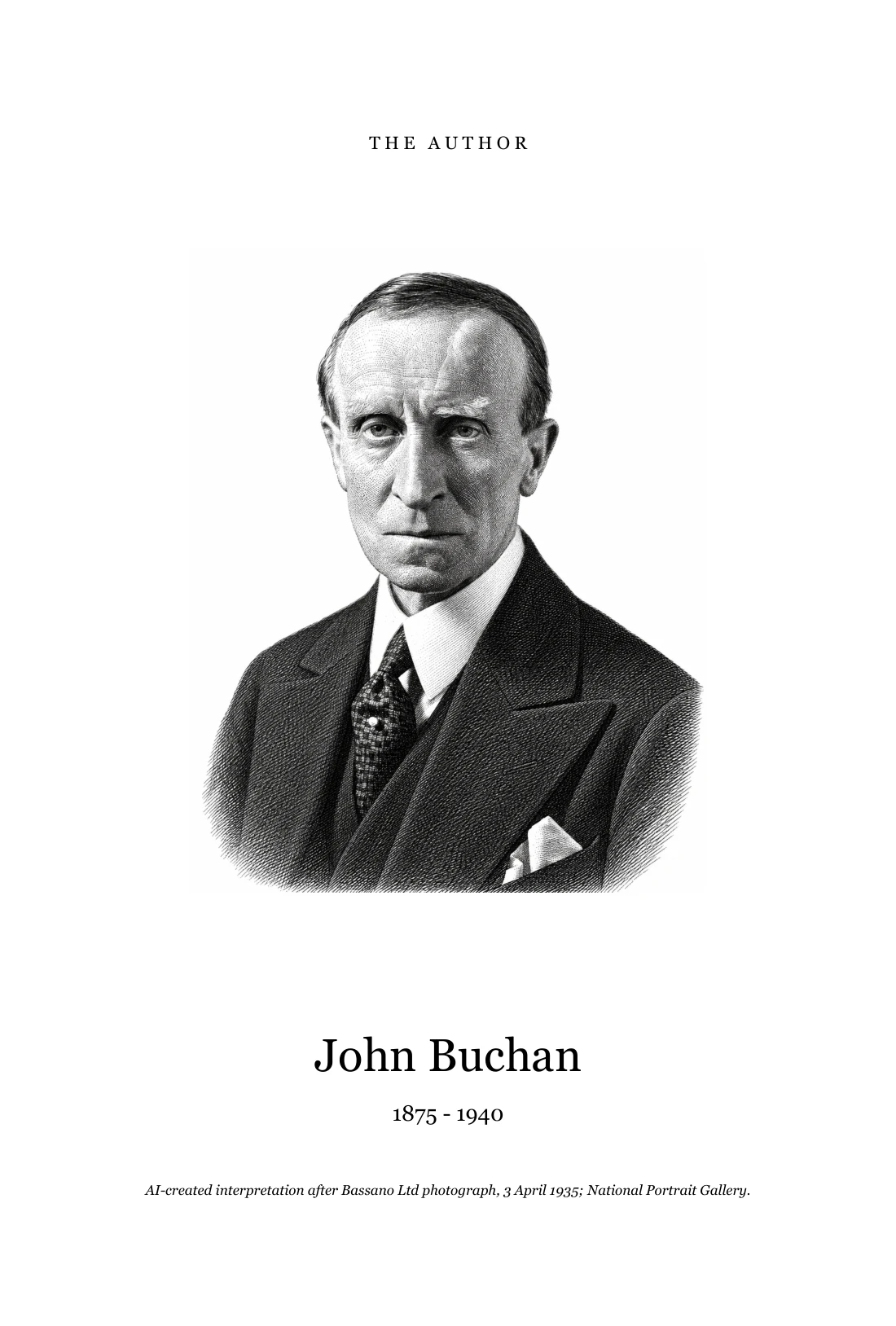
Many Hitchcock movies are based on books. Rebecca, Strangers on a Train, Vertigo and Psycho all began as novels, and Rear Window and The Birds as short stories. But two of the most important came earlier: The Lodger (1927), from Marie Belloc Lowndes’s 1913 novel, and The 39 Steps (1935), from John Buchan’s 1915 thriller The Thirty-Nine Steps.
Both books are short, both are classics of their kind, and both show Hitchcock taking someone else’s story and remaking it in his own image.
The Lodger: the first true Hitchcock film
The Lodger: A Story of the London Fog was Hitchcock’s third feature as a director, and he later called it the first true Hitchcock film. It introduced ideas he returned to for the rest of his career: a man under suspicion, a city gripped by fear, and a camera that makes the audience share a character’s doubts.
The novel grew out of a short story and was inspired by the Jack the Ripper murders. A London couple who have fallen on hard times take in a quiet, polite lodger, just as a killer calling himself the Avenger begins murdering women in the fog. Mrs Bunting, the landlady, begins to wonder about her strange guest, and the book lives almost entirely inside her anxious mind. Its suspense comes from what she half-knows and would rather not.
The film and the novel end quite differently, and we will not say how. Read the book first, then watch the film, and decide which ending you prefer. For the real-life background, see The Lodger and Jack the Ripper.

The 39 Steps: book vs. film
Buchan’s The Thirty-Nine Steps is the story of Richard Hannay, a mining engineer back in London from southern Africa and bored stiff, until the man who lives upstairs turns up at his door with a story of a plot to start a war. Soon the stranger is dead in Hannay’s flat, and Hannay is running across the Scottish moors with the police and the conspirators behind him. Buchan called it a “shocker”, and it moves like one.
Hitchcock’s 1935 film, starring Robert Donat and Madeleine Carroll, keeps the man on the run and the Scottish chase and throws away almost everything else. It invents a romantic heroine, Pamela, and spends a long stretch with her handcuffed to Hannay. It invents Mr Memory, the music-hall performer whose remarkable recall is central to the plot. And it changes what the thirty-nine steps actually are. We will not tell you what they are in either version.
The book is lean, quick and very much a product of 1914: it is set on the eve of the First World War, and its villains are German spies. It also carries the prejudices of its day, including antisemitic remarks from one character that modern readers will find jarring.
Later films include a 1959 version with Kenneth More and a 1978 version with Robert Powell, which, like the novel, is set just before the First World War. Buchan continued Hannay’s adventures in Greenmantle and more; see the Richard Hannay books in order.
More Hitchcock movies based on books
Hitchcock went back to novels and stories again and again. A few of his sources:
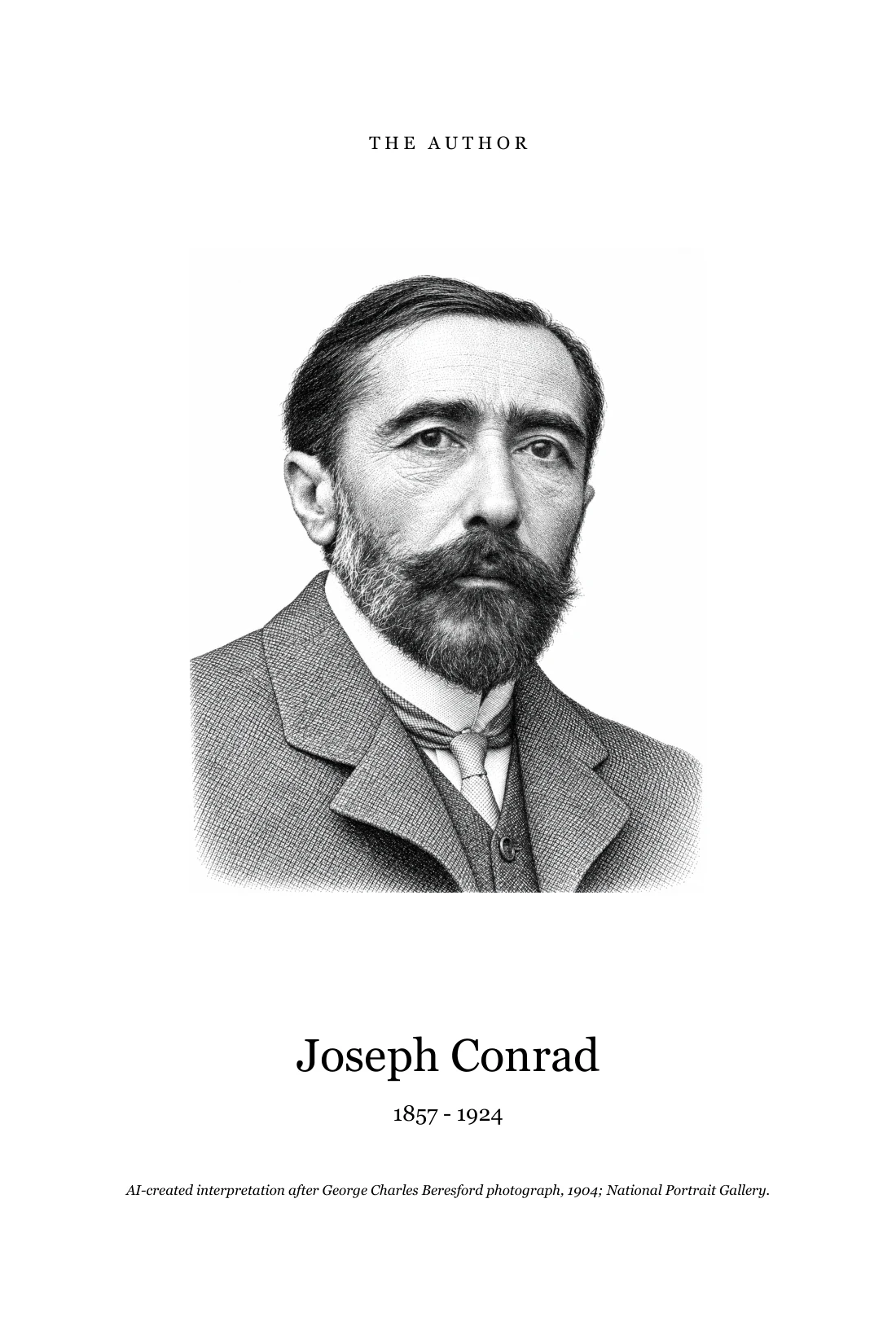
- Sabotage (1936) comes from Joseph Conrad’s The Secret Agent (1907). Confusingly, Hitchcock’s film called Secret Agent, released the same year, draws, by way of a stage play, on two of W. Somerset Maugham’s Ashenden stories.
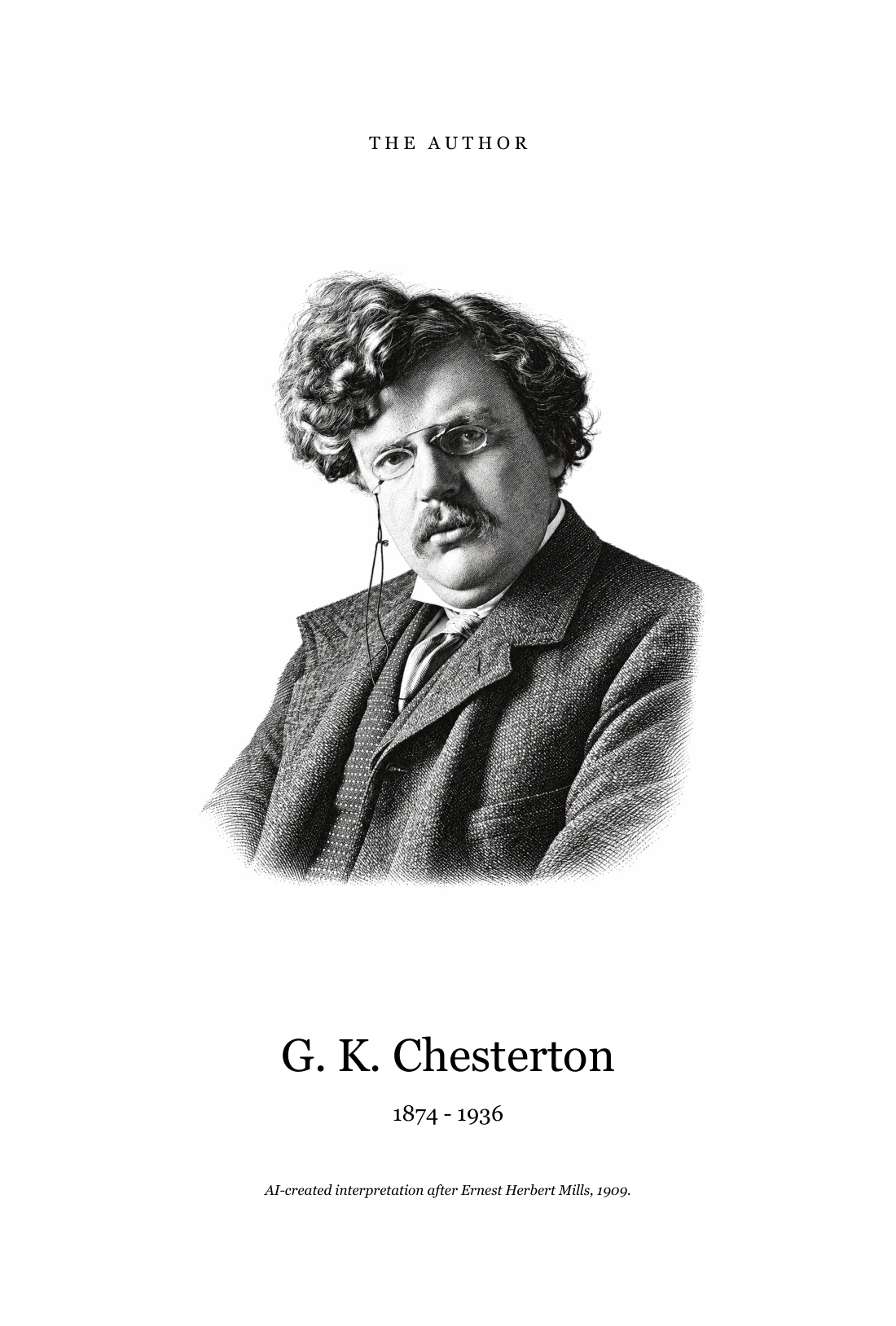
- The Man Who Knew Too Much (1934, remade in 1956) shares only its title with G. K. Chesterton’s 1922 collection of stories; the plot has nothing to do with Chesterton.
- Jamaica Inn (1939), Rebecca (1940) and The Birds (1963) all came from Daphne du Maurier.
- Strangers on a Train (1951) came from Patricia Highsmith’s first novel, and Psycho (1960) from Robert Bloch’s 1959 novel.
The Lodger
1913. The novel behind The Lodger (1927). A landlady, a strange guest and a city terrified by a killer in the fog: suspense built almost entirely from suspicion.
The Thirty-Nine Steps
1915. The novel behind The 39 Steps (1935). Richard Hannay’s first adventure, a short, breathless chase across Scotland.
The Secret Agent
1907. Conrad’s novel of anarchists, spies and police in London, the source of Hitchcock’s Sabotage (1936).
The Man Who Knew Too Much
1922. Chesterton’s stories of a man who knows too much about the powerful, whose title Hitchcock borrowed.


Most of Hitchcock’s later sources are still in copyright, but the two books that set him on his way are classics you can read in an evening each. More suspense is on our mystery shelf.
Start with The Thirty-Nine Steps. It is short enough for one sitting, and it is where the man-on-the-run thriller, Hitchcock’s favourite kind of story, really begins.
Questions readers ask
What Hitchcock movies are based on books?
Many are, including The Lodger (1927), The 39 Steps (1935), Sabotage (1936), Rebecca (1940), Strangers on a Train (1951), Vertigo (1958) and Psycho (1960). Rear Window (1954) and The Birds (1963) came from short stories.
Is The 39 Steps based on a book?
Yes. Hitchcock’s 1935 film is based on John Buchan’s 1915 novel The Thirty-Nine Steps, though it adds a romantic heroine and the character of Mr Memory, neither of whom appears in the book.
Is The Lodger based on a true story?
It was inspired by the Jack the Ripper murders of 1888, but its story and characters are fictional. Marie Belloc Lowndes’s novel was published in 1913.