
It begins with something in Effie’s eye. It hurts like a red-hot spark, and it seems to have legs, and wings like a fly. Her father, who is a doctor, lifts it out with a paintbrush dipped in castor oil, puts it under his microscope and announces, with growing excitement, that it has four limbs, a long tail and “traces of wings”. It is a dragon, newly hatched, and it is only the first of thousands.
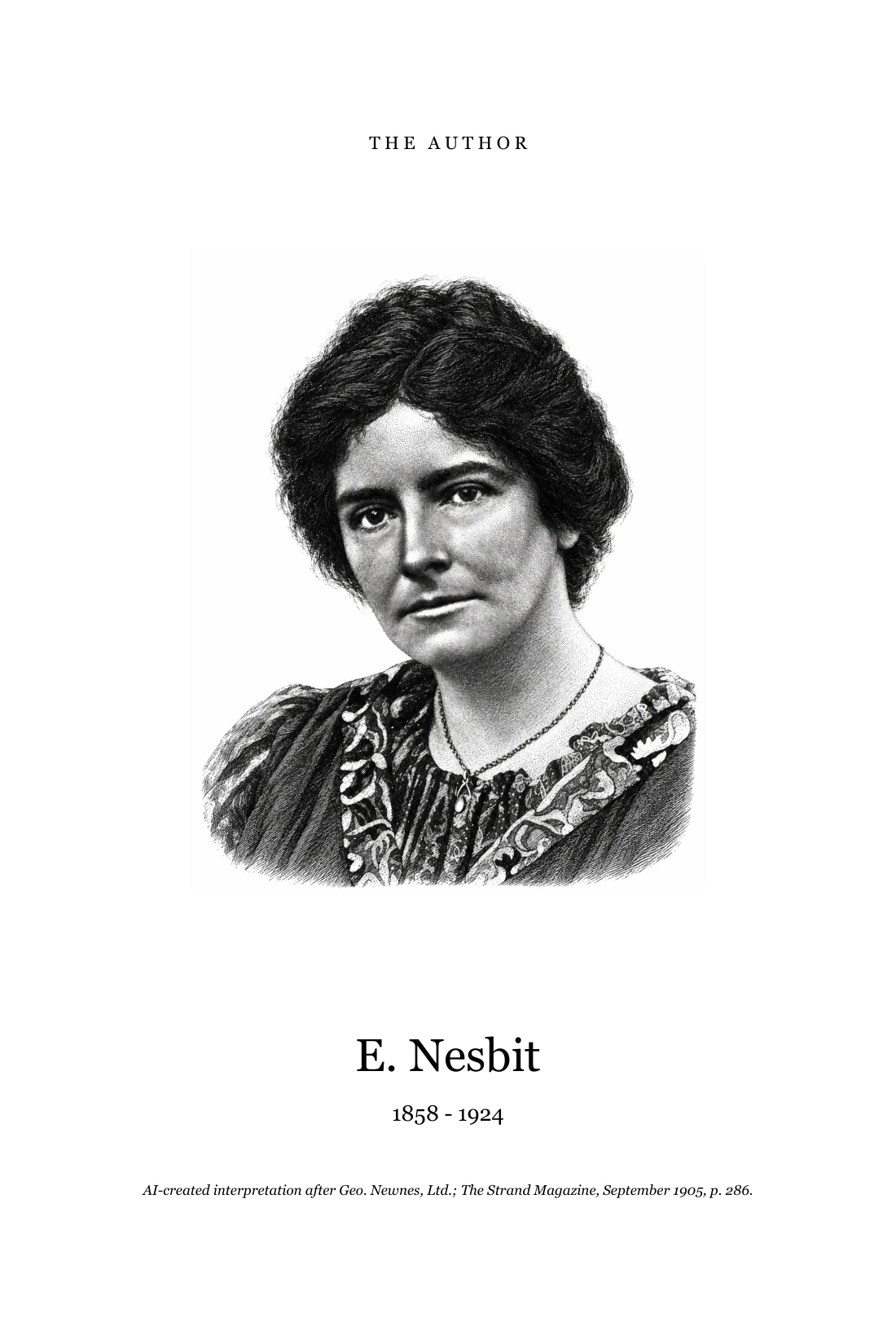
That is how “The Deliverers of Their Country”, the third story in E. Nesbit’s The Book of Dragons, gets going, and it is typical of the whole collection. Nesbit’s dragons turn up in ordinary English nurseries, suburbs and palaces, and the children who face them win by being sensible, kind or simply quicker-witted than the grown-ups. For dragon books for kids aged about six to ten, it is still the first collection we would reach for.
What happens in The Book of Dragons?
Each of the eight stories stands alone, so you can read them in any order. Here is what you will find, without giving away the endings:
- “The Book of Beasts”: a small boy called Lionel is fetched from his nursery to become King, finds his great-great-great-great-great-grandfather’s library, and opens a book of creatures that do not stay on the page.
- “Uncle James, or The Purple Stranger”: a princess, a gardener’s boy with a head for geography, a scheming uncle and a very large purple dragon.
- “The Deliverers of Their Country”: the dragon from Effie’s eye is followed by swarms more, from rabbit-sized biters to one that carries off the largest elephant in the zoo, and only a statue of St George can help.
- “The Ice Dragon, or Do as You Are Told”: George and Jane slip away on firework night, follow the Northern Lights, and reach the North Pole in more trouble than they bargained for.
- “The Island of the Nine Whirlpools”: a queen who visits a witch, and a princess left in a lone tower on an island ringed by whirlpools, guarded by a dragon and a griffin.
- “The Dragon Tamers”: John the blacksmith, too poor for a proper house, keeps his coal in the dungeon of a ruined castle, and finds that something else lives down there.
- “The Fiery Dragon, or The Heart of Stone and the Heart of Gold”: a princess robbed of her kingdom by a wicked cousin spots a shiny creature in the woods from her dragonproof tower, and it is growing.
- “Kind Little Edmund, or The Caves and the Cockatrice”: a boy with an inquiring mind, who takes clocks apart to see what makes them go, wanders into a cave and meets a starving cockatrice whose fire has gone out. It is not the only thing down there.

Why are Nesbit’s dragons so funny?
Because she describes them like a naturalist with a sense of humour. The purple dragon in “Uncle James” has wings “like old purple umbrellas that have been very much rained on”. In “The Deliverers of Their Country” the big dragons go to bed early because they are afraid of the chill night air. And at the end of “The Dragon Tamers” the tamed beast sheds its plates and wings, grows furrier and furrier, and becomes “the beginning of all cats”.
She also talks to the reader in a dry, conspiratorial aside that children love, as when the newly generous dragon makes a whole town rich:
And they all got rich without working, which is very wrong; but the dragon had never been to school, as you have, so he knew no better.
E. Nesbit, “The Dragon Tamers”, The Book of Dragons
Underneath the jokes there is a moral sense, but it is never preachy. Bullies and schemers come to bad ends, the cleverest person in the room is usually a child, and the grown-ups in charge are often the last to notice what is going on, which may be why the stories still land with readers of eight.
What age is The Book of Dragons for?
Read aloud, the stories work from about six. Each takes fifteen to twenty minutes, which makes them natural bedtime chapters. Confident readers of eight to ten can manage them alone, though Nesbit’s late-Victorian vocabulary is richer than most modern chapter books. There are a few mild scares, swallowings and fiery battles, but nobody a child cares about comes to lasting harm.

More classic dragon books for kids
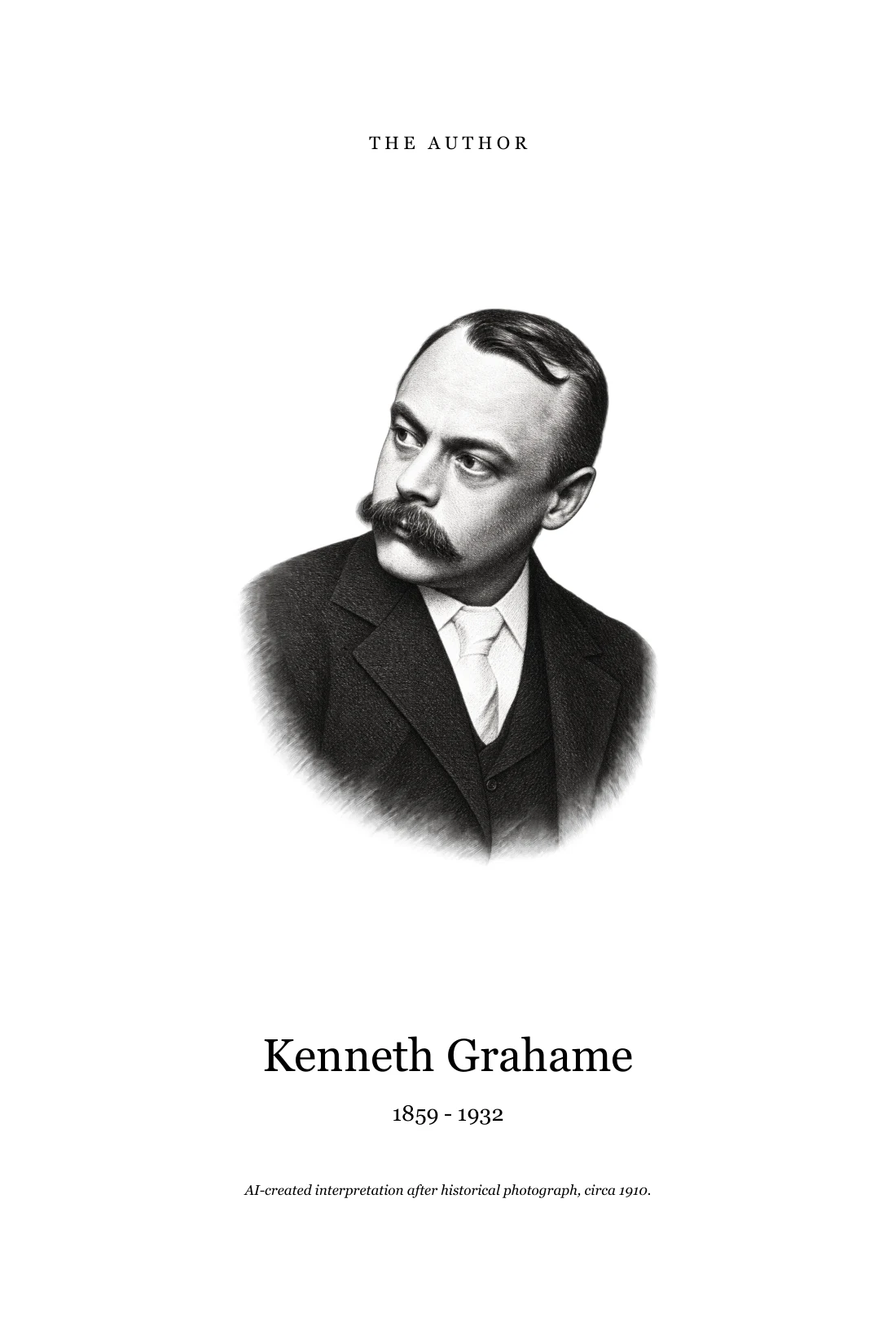
Once a child has met Nesbit’s dragons, a few older ones make good company. Kenneth Grahame’s “The Reluctant Dragon” (1898), from his collection Dream Days, is the story of a poetry-loving dragon who would much rather not fight St George. It is often seen as a model for the friendly dragons that followed. Grahame is better known, of course, for the riverbank:
The Wind in the Willows
1908. No dragons, but the same wit and warmth as Grahame’s dragon story, and Toad is every bit as hard to manage.
The Red Fairy Book
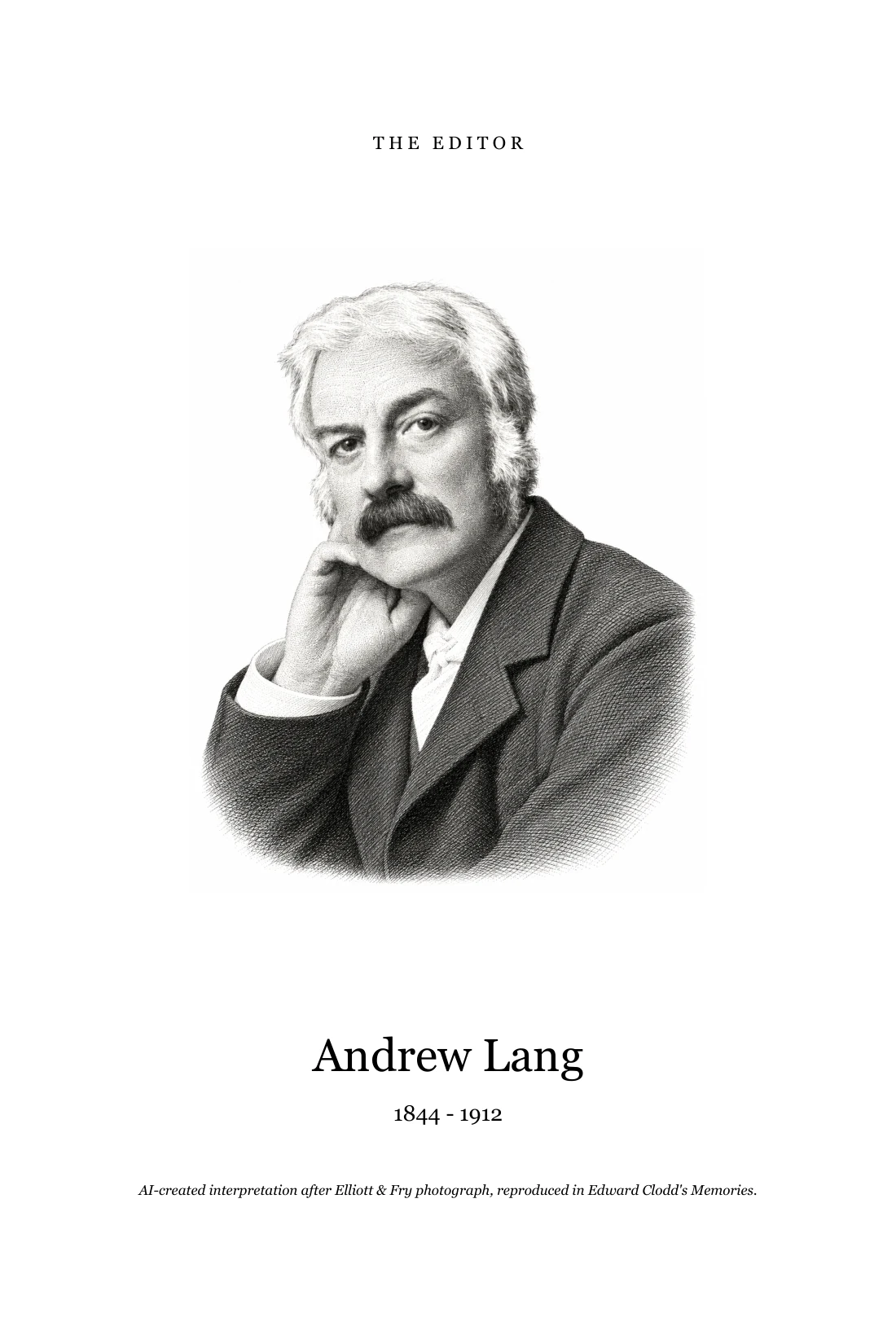
1890. Andrew Lang’s fairy-tale collection, which ends with Sigurd and the dragon Fafnir, the old Norse hoard-guarder behind many later dragons.
Five Children and It
1902. Nesbit’s best-loved magical adventure. The creature is a sand-fairy rather than a dragon, but it grants wishes just as dangerously.


For more from the same author, see our guide to E. Nesbit’s books, or browse the kids’ shelf. And for children who prefer their beasts with fur, try our classic animal stories.
But start with Lionel, the boy king who could not resist his ancestor’s library. Open The Book of Dragons at “The Book of Beasts”, and see how long it takes before somebody lets a dragon out.
Questions readers ask
What are good classic dragon books for kids?
E. Nesbit’s The Book of Dragons is the classic choice: eight short, funny stories that work as read-alouds from about six. Kenneth Grahame’s “The Reluctant Dragon” (1898) and the story of Sigurd and Fafnir in Andrew Lang’s Red Fairy Book are good next steps.
How many stories are in The Book of Dragons?
Eight. They first appeared in The Strand Magazine in 1899. A ninth Nesbit dragon story, “The Last of the Dragons”, was published after her death and added to some later editions.
Is The Book of Dragons scary?
Only a little. There are fiery battles and narrow escapes, but the tone is comic and the children always outwit the dragons or win them over.
 The Railway Children176 pages · $13.99
 The Phoenix and the Carpet176 pages · $13.99
 The Enchanted Castle200 pages · $13.99
 The Story of the Amulet206 pages · $14.99