
Invite five friends, choose a short book, and set a date four weeks away. That is the whole recipe for starting a classics book club, and the rest of this guide is about the details that make one last beyond its third meeting.
Classics suit book clubs especially well. They have survived because people keep arguing about them; they are cheap and easy to find; and nobody in the group has to pretend to have read the latest prize-winner. A club also solves the oldest problem with the classics, which is starting them. Knowing that five people are reading the same chapter as you is a powerful motive to turn the page.
How many people should be in a book club?
Between five and eight is the sweet spot. Fewer than five and one cancellation leaves you with a conversation rather than a discussion; more than eight and quieter members disappear. If interest grows, start a second group rather than letting the first swell. Meet somewhere you can hear each other: a living room, a library meeting room, a quiet corner of a café at an off-peak hour.

How to choose classics for a book club
The best book club classics have three things in common: a story that moves, characters people will take sides over, and at least one question the book refuses to settle. Length matters more than you might think. A novel of two or three hundred pages, roughly four to six hours of reading, fits comfortably into a month. Save the eight-hundred-page giants until the group has found its rhythm, and then split them across two or three meetings.
Let members take turns choosing, but agree a few rules: nothing over a set length without a vote, and a mix of periods and kinds of book. Alternate a comedy with a tragedy and a famous title with a forgotten one.
Four classics that always start a conversation
The Enchanted April
1922. Four women, strangers or near-strangers, answer a newspaper advertisement and share a castle in Italy for a month. Light, funny and a natural first pick: a book about strangers becoming friends.
Ethan Frome
1911. A poor New England farmer, his ailing wife and her young cousin, one winter. Short enough to read in an evening, and the ending will divide the room.
The House of Mirth
1905. Lily Bart, beautiful and penniless, must marry money in 1890s New York and keeps not quite doing it. Is she a victim, a fool or a heroine? Expect a lively evening.
The Moonstone
1868. A cursed diamond vanishes from a Yorkshire country house, and the story is told by a series of narrators, each with their own blind spots. Ideal for spreading over two meetings.


Why these four work
The Enchanted April opens with the very thing that starts many clubs, a notice in a newspaper. Mrs Wilkins spots it in the Agony Column of The Times on a miserable February afternoon: “To Those who Appreciate Wistaria and Sunshine. Small mediaeval Italian Castle on the shores of the Mediterranean to be Let Furnished for the month of April.” Four strangers take it up, and the novel is about what happens when they do.
Ethan Frome begins with its narrator admitting that he pieced the story together from several people, “and, as generally happens in such cases, each time it was a different story.” That uncertainty gives a group plenty to work on. The House of Mirth was a sensation in 1905; Wharton’s publisher, Charles Scribner, told her it was selling faster than any book the firm had ever published. And The Moonstone, which ran week by week in Dickens’s magazine All the Year Round in 1868, is built for discussion: a prologue, a long first account by an elderly house-steward, then eight further narratives by different hands.
What to talk about at a book club meeting
Have someone bring three or four open questions, not a quiz. Questions that work for almost any classic include:
- Which character did you trust, and when did that change?
- What would this story look like if it were set today? What could not happen now?
- Which scene would you cut, and which would you want longer?
- What did the author expect readers of the time to think, and do you think differently?
- Was the ending earned?
Start each meeting by going round the room for one-sentence verdicts, so that everyone speaks early. Allow ten minutes of catching up before the book, and let the host steer gently back when the talk drifts. If someone has not finished, they should still come; half a book is plenty to talk about, provided the group agrees on spoilers.
How to keep a classics book club going
Fix a regular slot, such as the first Thursday of the month, so nobody has to negotiate dates. Keep a shared list of past and future books. Every so often, read something together that nobody would pick alone: a play read aloud in parts, or a long novel taken in instalments. Our list of classics that make great book club picks has more ideas, and how long it takes to read the great classics will help you pace them.
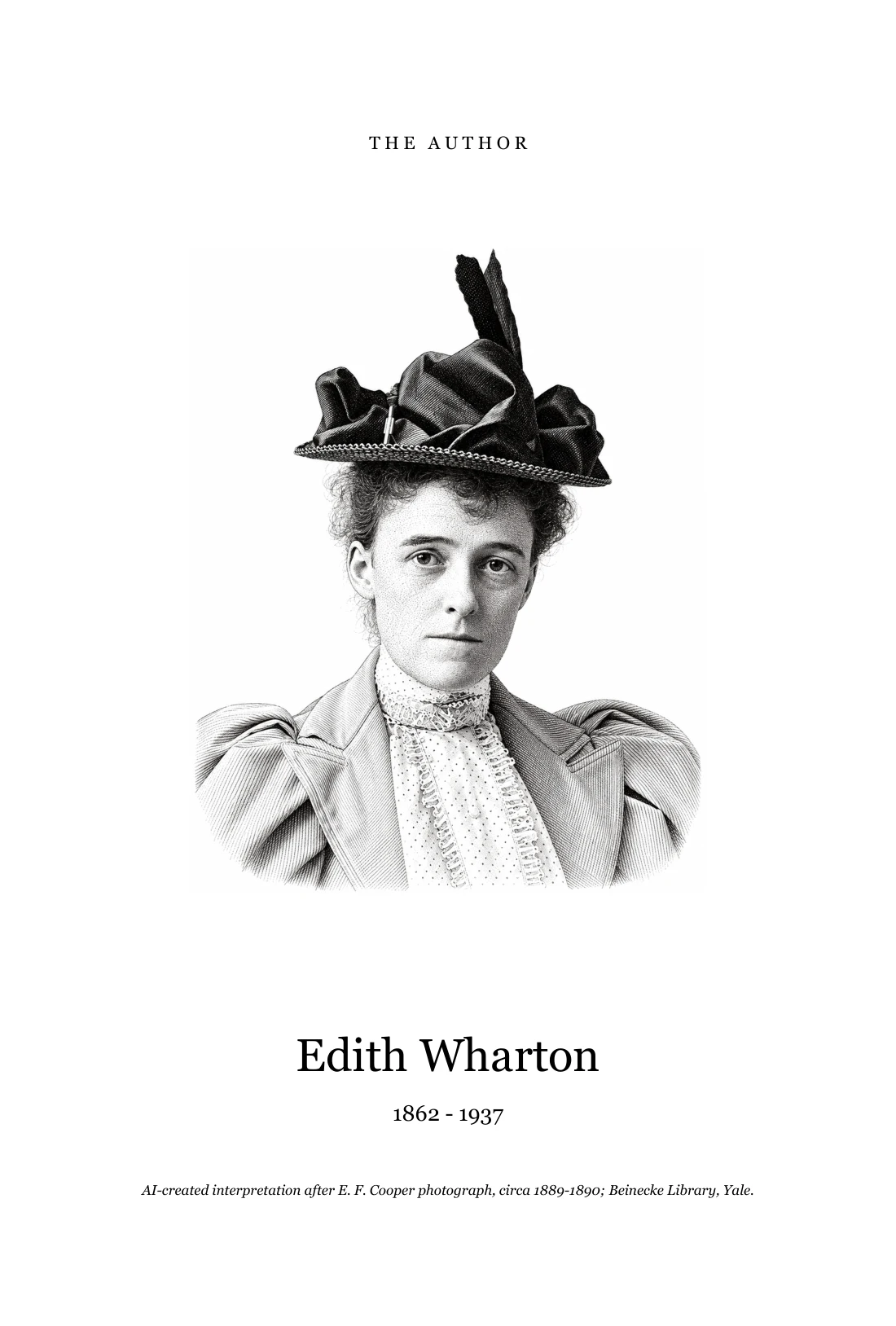
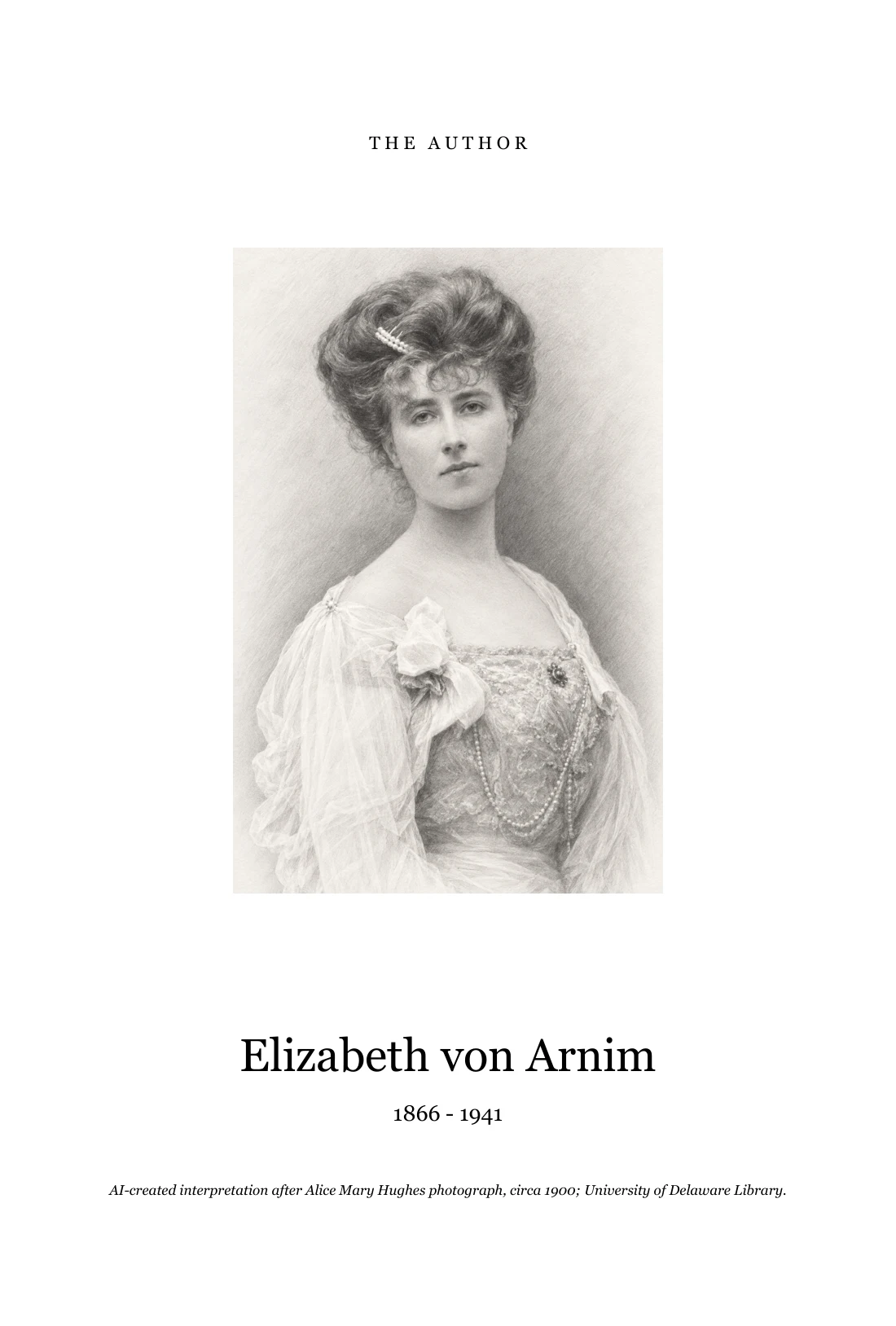
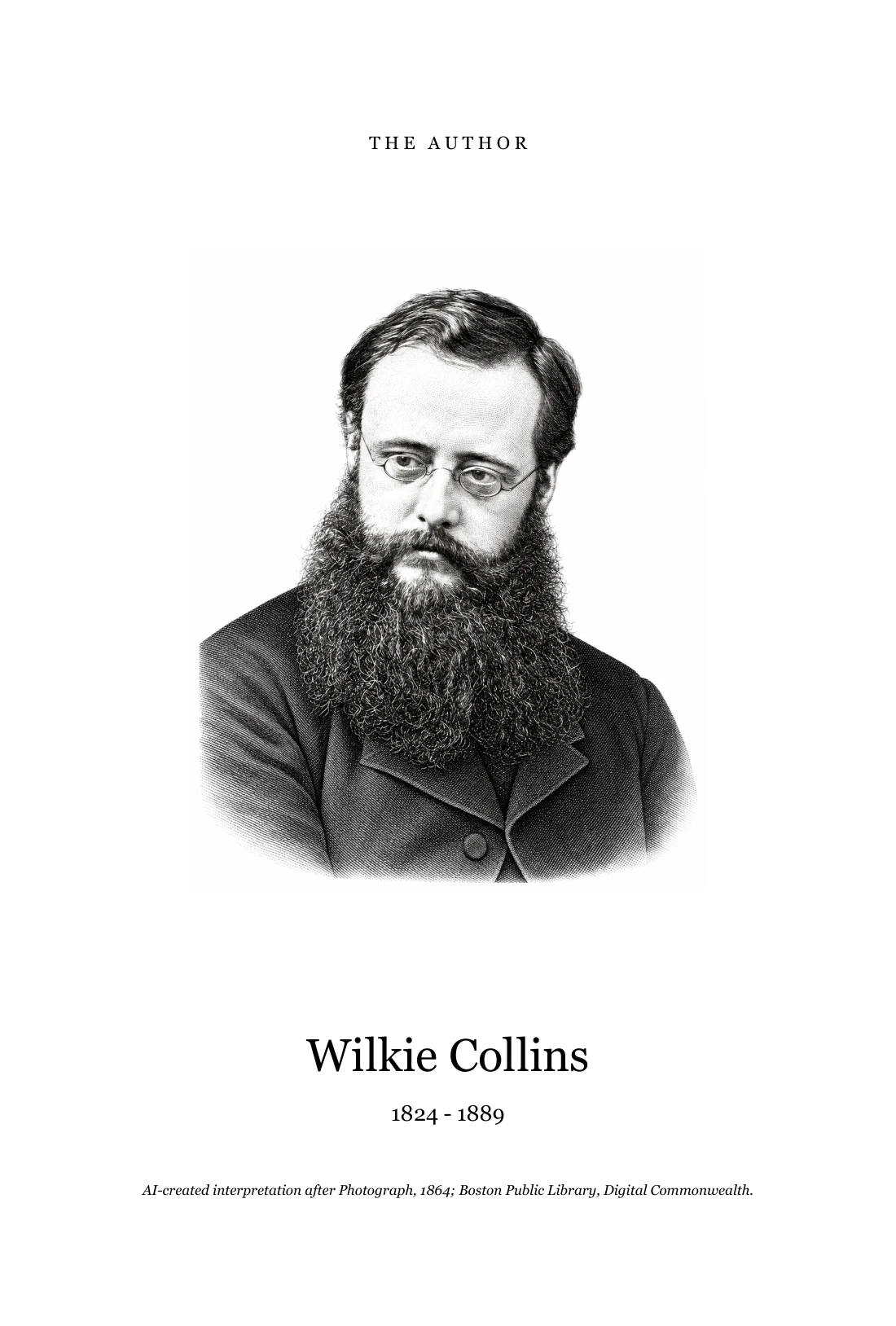
For your first meeting, choose The Enchanted April by Elizabeth von Arnim: a short, warm novel about four people who take a chance on one another. Then let Edith Wharton and Wilkie Collins start the arguments.
Questions readers ask
What are good classics for a book club?
Shorter, character-driven classics work best at first: The Enchanted April, Ethan Frome and The House of Mirth all provoke strong opinions. Multi-narrator novels such as The Moonstone suit groups that like to debate whom to believe.
How many people should be in a book club?
Five to eight members is ideal. It is small enough for everyone to speak and large enough that one or two absences do not stop the meeting.
How long should a book club book be?
For a monthly club, aim for two to three hundred pages, roughly four to six hours of reading. Split longer classics over two or three meetings.
How often should a book club meet?
Monthly is the most common rhythm. It gives everyone time to finish a book of moderate length without the club losing momentum.