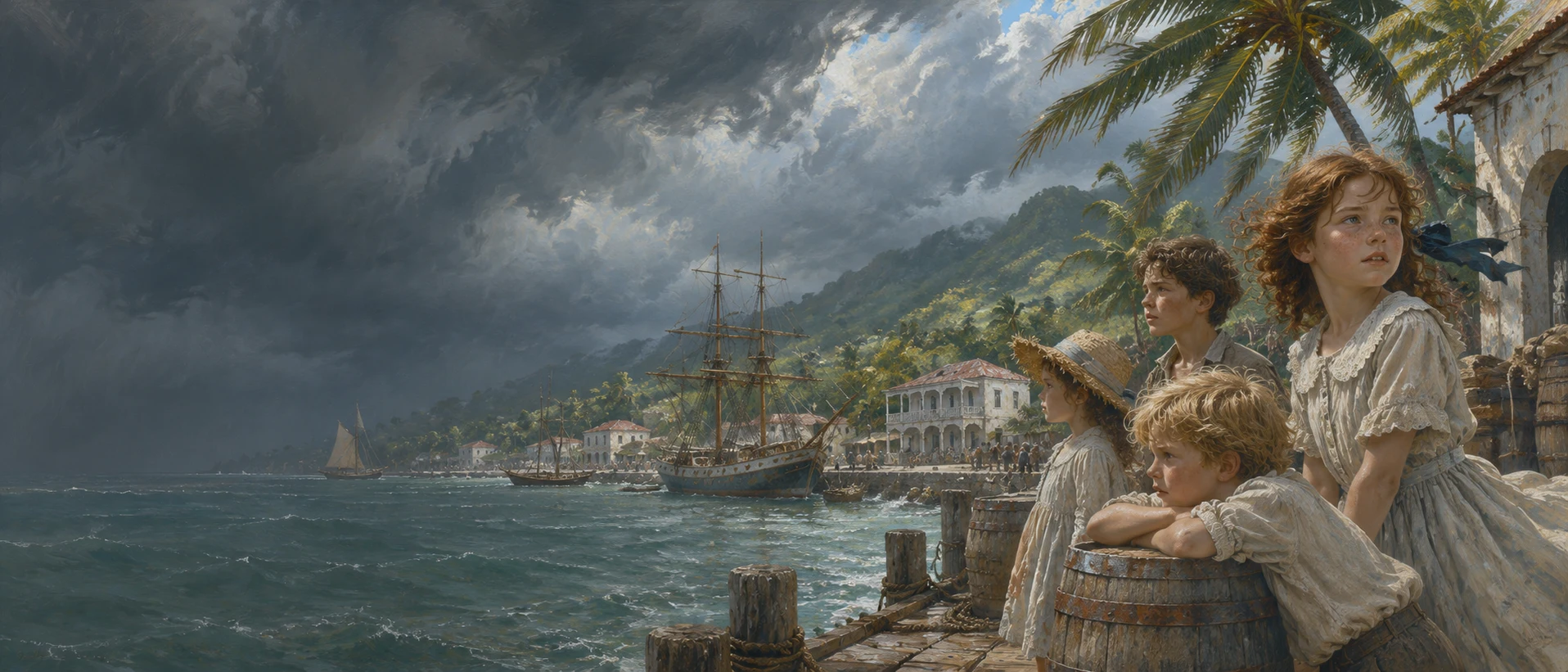
Emily Bas-Thornton is ten years old when a hurricane flattens her family’s house in Jamaica and her parents decide to send the children home to England. On the way their ship is boarded by pirates, the captain flees believing them dead, and the children stay aboard the pirate schooner, where they settle in with alarming ease. Richard Hughes published A High Wind in Jamaica in 1929, and it is the strangest and most unsettling of all the classic novels about children fending for themselves.
It is also a reply to a long tradition. For more than seventy years before Hughes, British novelists had been stranding children on islands and in forests to see what they would make of the world, and most of them made it rather well. The four books below show how the story changed, from a confident Victorian adventure to a modern novel that doesn’t trust children, or adults, at all.
Classic novels about children surviving alone
The Children of the New Forest
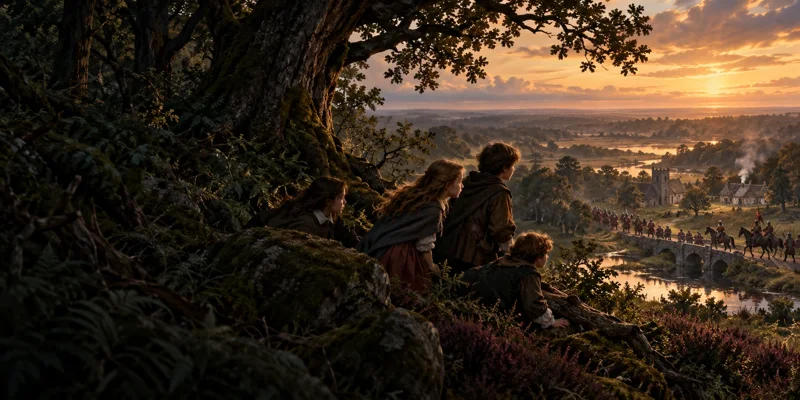
1847. In 1647, with the king defeated, Roundhead soldiers burn the home of a Cavalier colonel killed at Naseby, and his four orphaned children are hidden by an old forester. When he dies, the eldest, Edward, takes charge, and they learn to hunt, farm and keep their secret. A Civil War adventure that is really about growing up.
The Coral Island
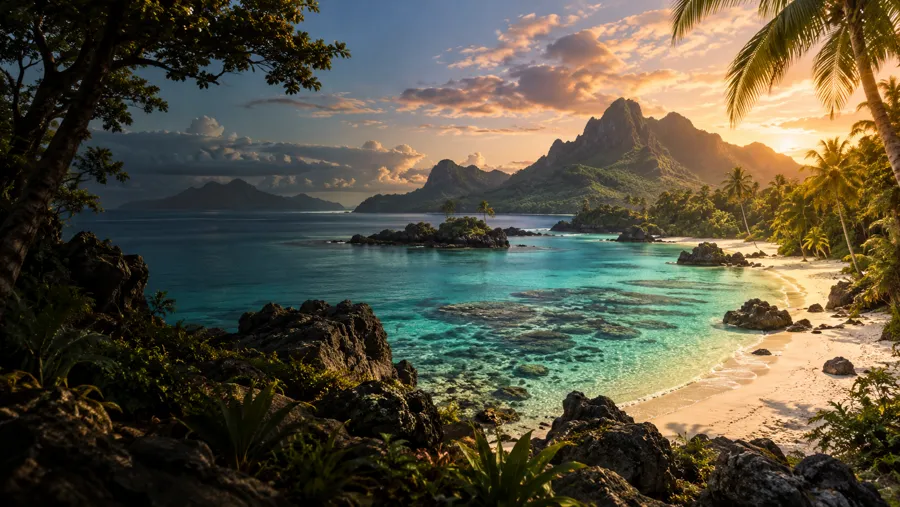
1857. Ralph, Jack and Peterkin, aged fifteen, eighteen and about fourteen, are the only survivors of a wreck in the South Pacific, and turn their island into a well-run boys’ republic. Cheerful, practical and full of coconuts, with the imperial and missionary attitudes of its day.
The Blue Lagoon: A Romance
1908. Two small cousins, Dick and Emmeline, are marooned on a Pacific island with a ship’s cook, Paddy Button. When he dies, about two and a half years later, they grow up alone, and fall in love without knowing the words for it.
A High Wind in Jamaica
1929. Seven children, captured more or less by accident by pirates, adapt to life at sea faster than anyone aboard expects. Funny, cool and finally chilling; Hughes’s first novel, and a bestseller in Britain.


Why do the Victorian children cope so well?
In The Coral Island the boys are never in real doubt. Ralph Rover, who narrates, opens with the words “Roving has always been, and still is, my ruling passion”, and the book that follows treats the island as a playground with lessons attached: how to make fire, build a boat, spear fish and stay good. The danger comes from outside, from sharks, pirates and cannibals, never from the boys themselves.
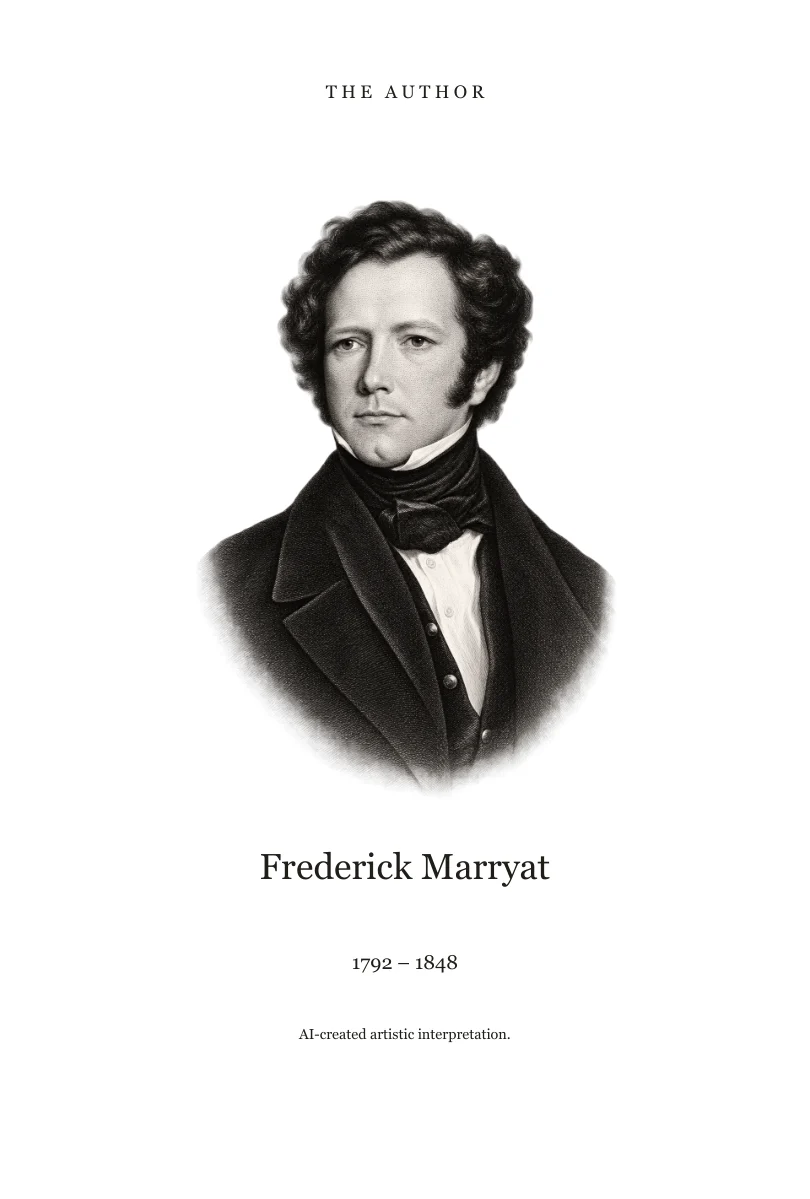
Marryat’s Beverley children are younger and more anxious, but they too survive by work and good sense. The pleasure of The Children of the New Forest is practical: the pit traps, the cow they need for milk, the farm Humphrey keeps enlarging, the gypsy boy Pablo who joins them. It is also, quietly, a book about class, as four children of the gentry learn to live as foresters and discover that they like it.
When the island turns into something stranger
Stacpoole’s The Blue Lagoon keeps the Victorian island but takes away the moral instruction. Dick and Emmeline have no one to tell them what anything means, and the novel is about how much they work out for themselves, from fishing to love. It was popular from the moment it appeared, Stacpoole wrote two sequels, and it was filmed, most famously in 1980; we compare the book and the film in The Blue Lagoon: the novel behind the film.
Hughes goes further. His children are not brave or resourceful in the old way; they are simply children, absorbed in their own concerns, and the adults around them never understand what they are thinking. Halfway through the voyage, on the pirate schooner, Hughes gives Emily the passage readers remember most:
And then an event did occur, to Emily, of considerable importance. She suddenly realised who she was.
Richard Hughes, A High Wind in Jamaica (1929)
The novel was first published in the United States as The Innocent Voyage, a title that reads differently once you have finished it.
Which should you read first?
For a young reader, start with The Coral Island or The Children of the New Forest; both are adventures in the old style and make good read-alouds, with the period attitudes worth talking through. For adults, A High Wind in Jamaica is the essential book, short enough for a weekend and impossible to forget. And if you want more children loose in the world, Huck Finn on the Mississippi and Kim on the roads of India are waiting, along with the buccaneers in our classic pirate novels.
Begin in the forest in the winter of 1647, with four children and an old man’s cottage, in The Children of the New Forest.
Questions readers ask
What are some classic novels about children surviving alone?
Four of the best known are Frederick Marryat’s The Children of the New Forest (1847), R. M. Ballantyne’s The Coral Island (1857), H. de Vere Stacpoole’s The Blue Lagoon (1908) and Richard Hughes’s A High Wind in Jamaica (1929).
Is The Swiss Family Robinson about children alone?
No. The four sons in The Swiss Family Robinson are shipwrecked with both their parents, so it is a family survival story rather than one about children on their own.
What is A High Wind in Jamaica about?
Richard Hughes’s 1929 novel follows the Bas-Thornton children, who are sent from Jamaica to England after a hurricane and end up living aboard a pirate ship. It was published in the United States as The Innocent Voyage.