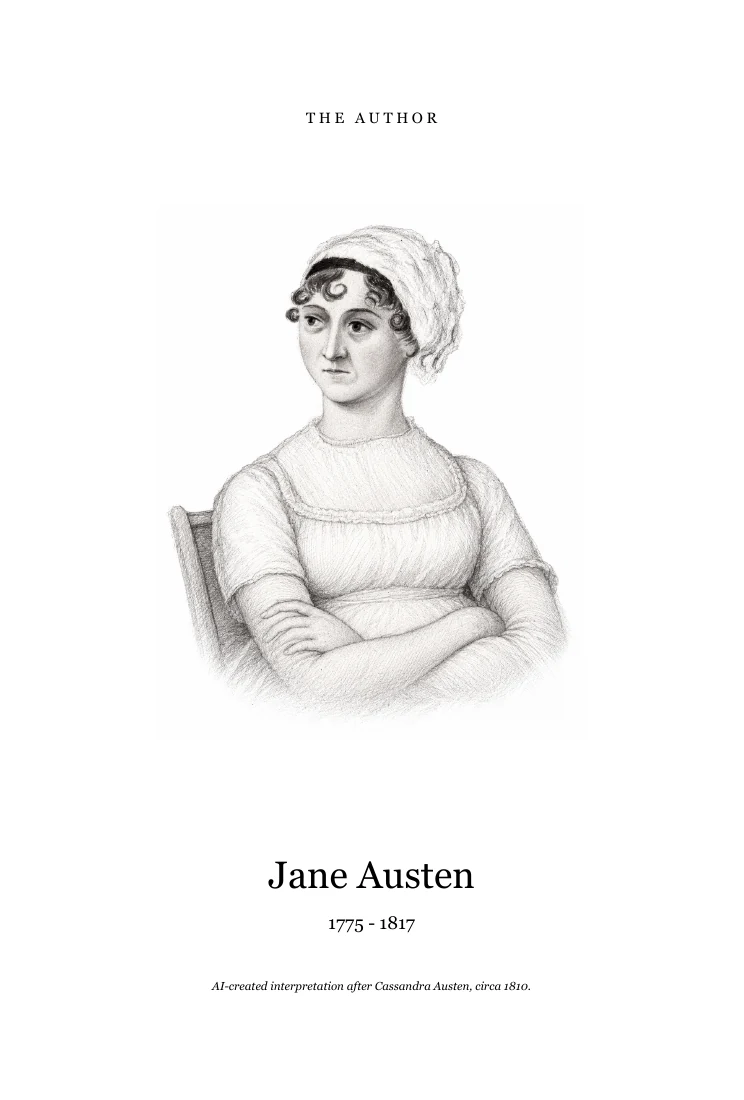
Only about 160 of Jane Austen’s letters survive, and most of them were written to one person: her elder sister, Cassandra. There were once many more. After Jane’s death, Cassandra is reported to have destroyed a large share of the letters she had received, perhaps to protect family privacy, perhaps simply because they were hers. Neither sister ever married. Cassandra’s fiancé died of yellow fever in the Caribbean in 1797, and the two women lived together and wrote to each other whenever they were apart, in letters full of family news, gossip and sharp jokes about the neighbours.
It is no surprise that the great subject of Austen’s fiction is sisters. Her first published novel was drafted under the title Elinor and Marianne. And the tradition she helped to found runs through the books below, which are the classic novels about sisters we would hand to anyone who has one, or wishes they had.
Two sisters, two temperaments
The simplest sister story sets two opposites side by side and lets them teach each other. Austen did it best, and her description of the younger Dashwood girl is the template for every passionate sister since:
Marianne’s abilities were, in many respects, quite equal to Elinor’s. She was sensible and clever; but eager in everything: her sorrows, her joys, could have no moderation.
Jane Austen, Sense and Sensibility (1811)
Sense and Sensibility
1811. Elinor feels everything and says little; Marianne says everything she feels. Austen’s first published novel is a study of two kinds of love, and of a third, younger sister, Margaret, who mostly listens.
Bunner Sisters
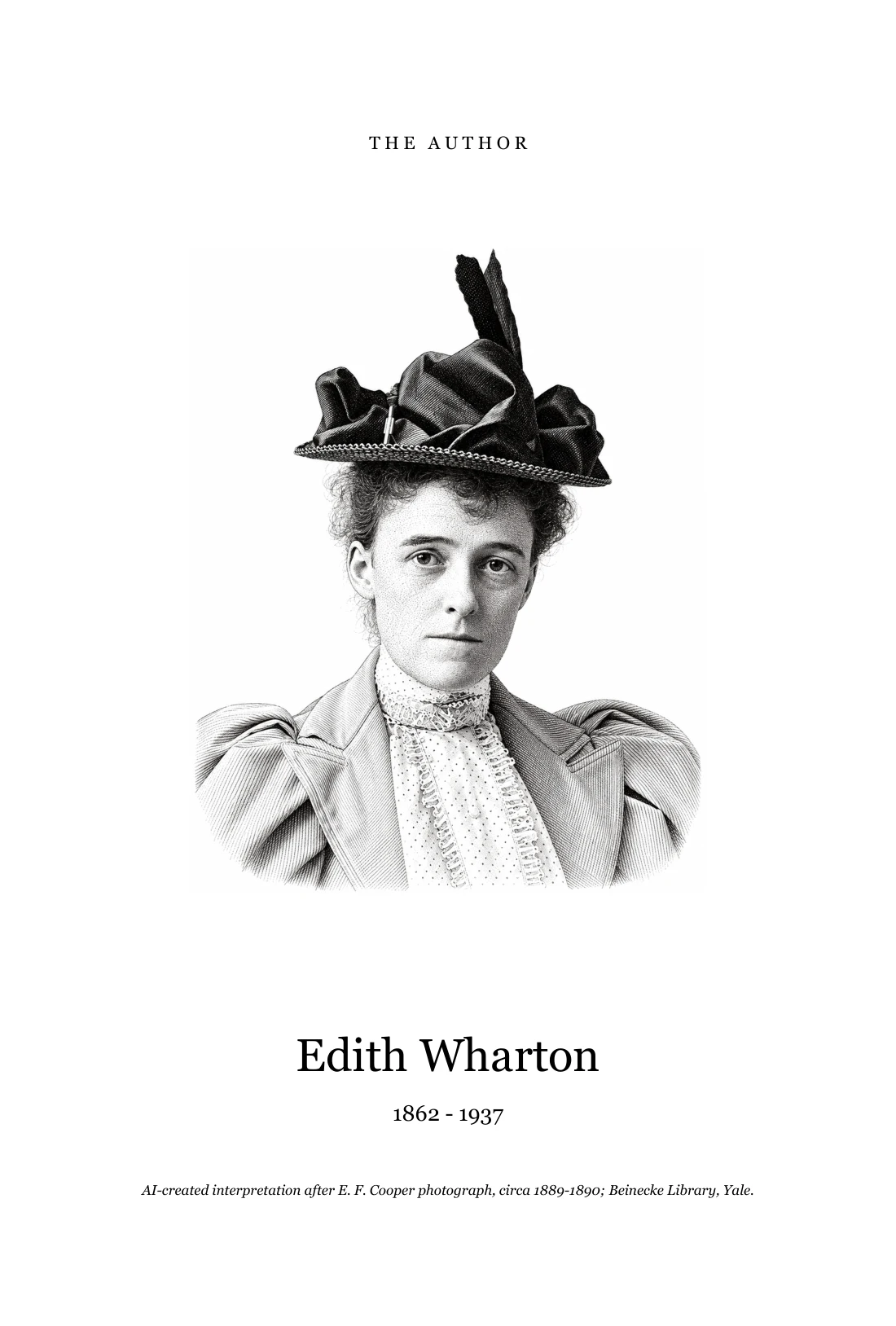
1916. Two unmarried sisters keep a tiny shop near Stuyvesant Square in New York, selling artificial flowers, flannel and home-made preserves, until a clock bought for a birthday brings a man into their lives. Wharton at her most compassionate and least glamorous.
The Woman in White
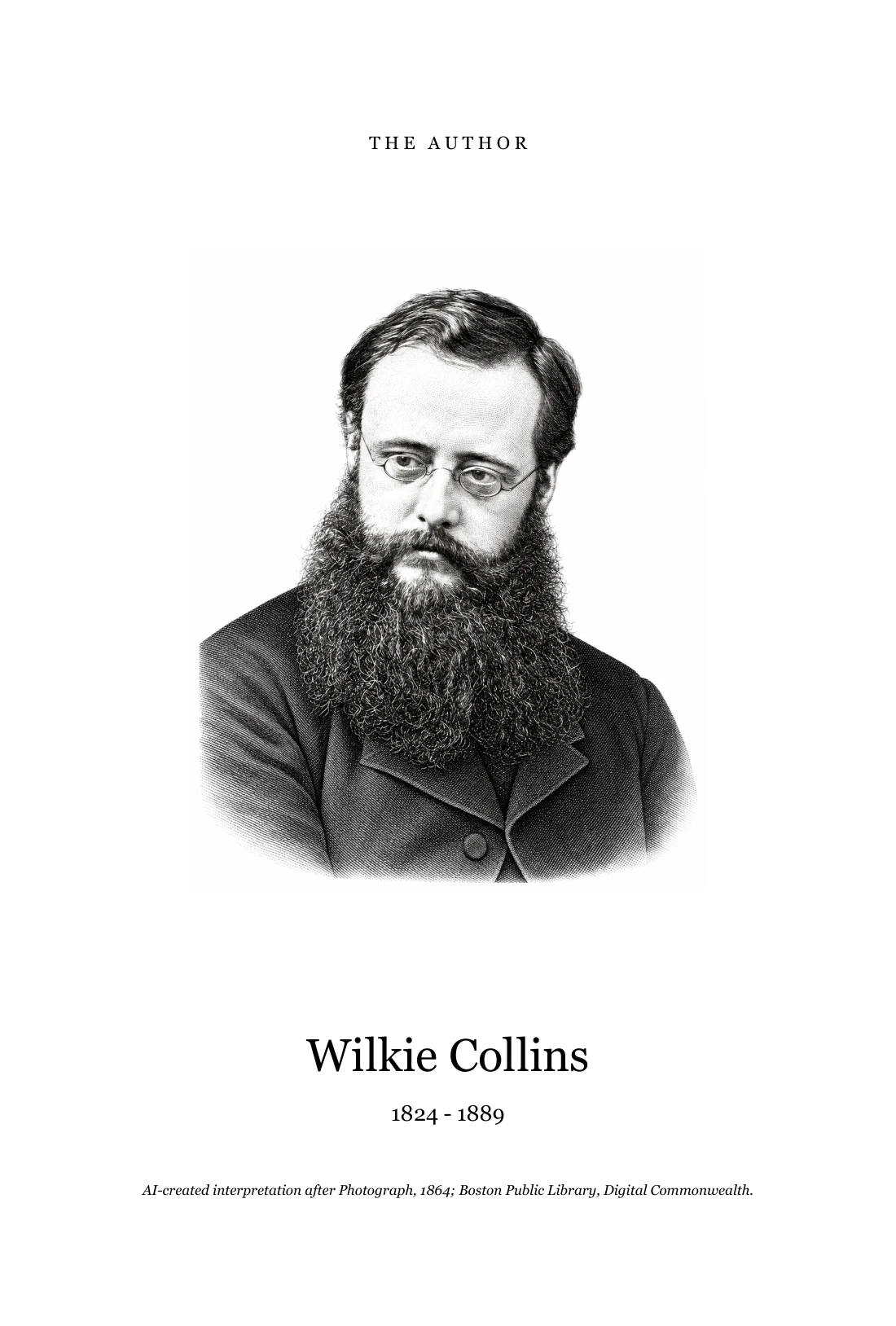
1859–60. Marian Halcombe, clever and plain, will do anything to protect her beautiful half-sister Laura from the man Laura has married. One of the great partnerships in Victorian fiction, inside one of its great mysteries.


Wharton wrote Bunner Sisters in 1892, but Scribner’s turned it down twice as too long for a magazine and it waited more than twenty years to appear in print. It is the best-kept secret on this list: a novella about two women who love each other and cannot protect each other, set in the shabby side of the New York Wharton usually wrote about from the drawing room.
Houses full of sisters
The other kind of sister novel is crowded. Four, five, even six children share a house, and the comedy comes from the noise as much as the plot.
Pride and Prejudice
1813. Five Bennet daughters, no sons, and an estate that will pass to a cousin. Jane is kind, Elizabeth is clever, Mary is earnest, and Kitty and Lydia are a public embarrassment. Their mother knows exactly what is at stake.
Little Women
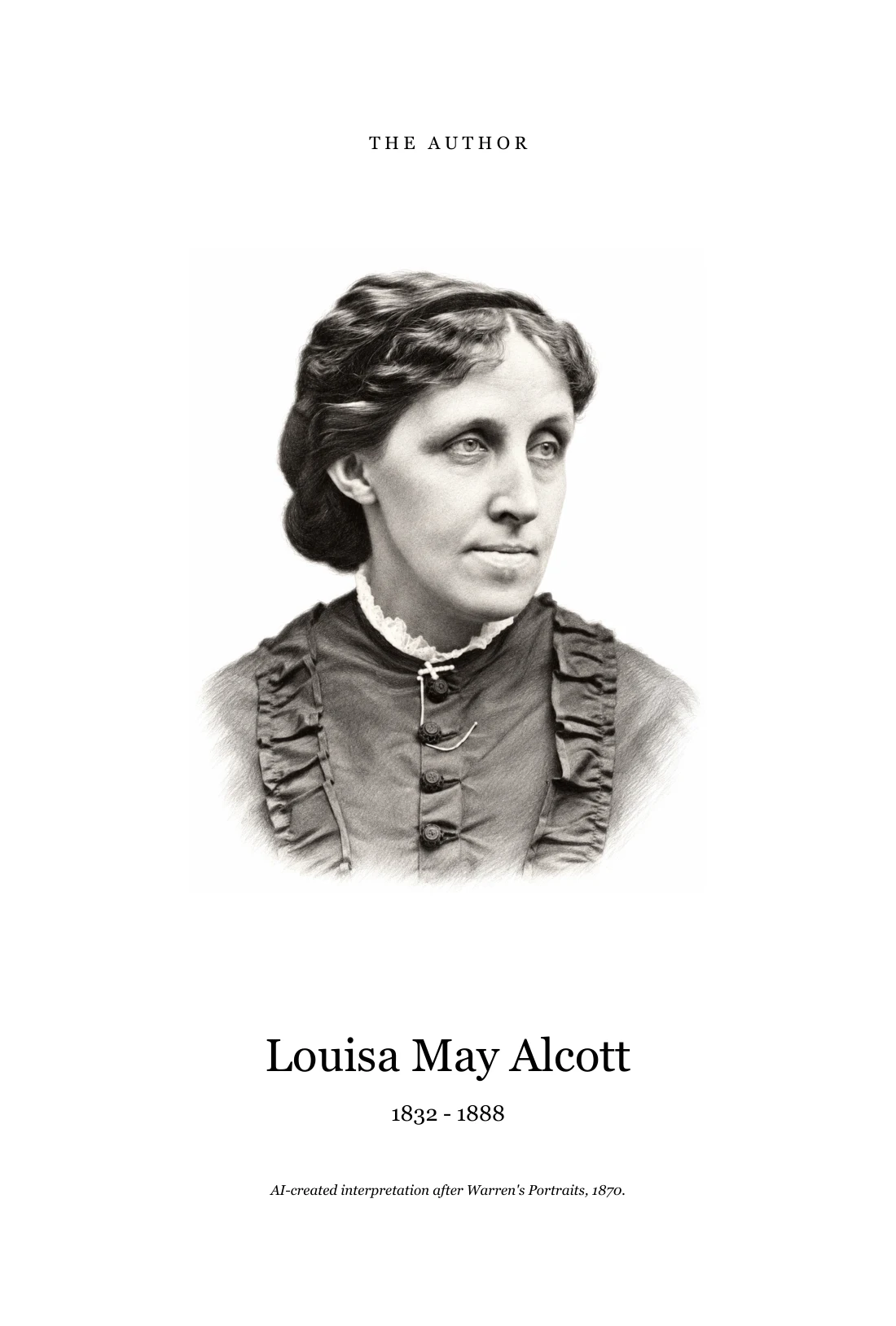
1868–69. Meg, Jo, Beth and Amy grow up in genteel poverty in Massachusetts while their father serves in the Civil War. Alcott loosely based them on herself and her three sisters.
Five Little Peppers and How They Grew
1881. Polly Pepper helps her widowed mother hold together a little brown house, four siblings and a cranky old black stove. Sweet, funny and kinder than any book about poverty has a right to be.


Little Women opens with a complaint, “Christmas won’t be Christmas without any presents,” grumbled Jo, and the whole book is in that line: four girls who want things, and a mother who keeps asking them to think of someone else. The sisters are sixteen, fifteen, thirteen and twelve at the start, and Alcott lets each one be difficult in her own way. We tell how reluctantly the book was written in Did you know Louisa May Alcott didn’t want to write Little Women?
For older sisters struggling to support themselves, try George Gissing’s The Odd Women, in which the three Madden sisters, left with almost nothing, try to survive in late-Victorian London. It is the bleak flip side of Pride and Prejudice: what happens when nobody comes to marry the daughters.
Which classic book about sisters should you read first?
If you have never read any of these, start with Pride and Prejudice, then Little Women. Between them they cover almost every way sisters can love and infuriate one another. If you want something shorter and less familiar, Bunner Sisters can be read in an evening and will stay with you far longer. And younger readers will find the most joy in the Peppers, whose story runs to eleven sequels; see Five Little Peppers books in order.
Austen fans should go next to Jane Austen’s novels in order. But tonight, open Sense and Sensibility at the beginning, meet the Dashwood sisters as their half-brother and his wife talk themselves out of helping them, and see how quickly you start taking sides.
Questions readers ask
What are the best classic books about sisters?
Little Women, Pride and Prejudice and Sense and Sensibility are the best-known. Five Little Peppers and How They Grew, Wilkie Collins’s The Woman in White, George Gissing’s The Odd Women and Edith Wharton’s Bunner Sisters are also built around sisters.
How many sisters are in Pride and Prejudice?
Five: Jane, Elizabeth, Mary, Kitty (Catherine) and Lydia Bennet.
Were the March sisters based on real people?
Loosely, yes. Louisa May Alcott based Meg, Jo, Beth and Amy on herself and her three sisters, with Jo as a version of Louisa.
Did Jane Austen have a sister?
Yes. Her elder sister Cassandra was her closest companion, and most of Austen’s surviving letters were written to her. Neither sister married.