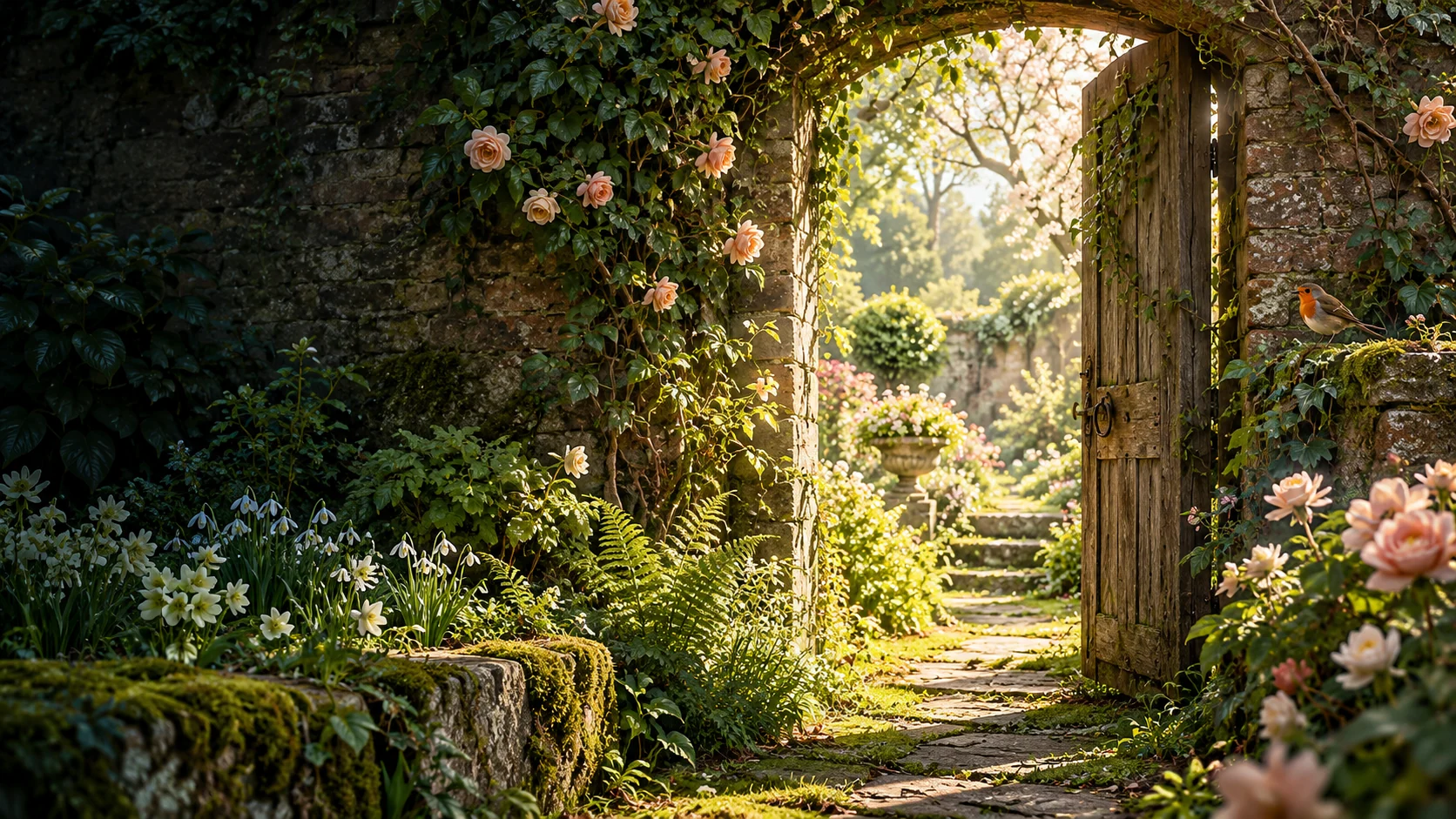
“Might I,” quavered Mary, “might I have a bit of earth?”
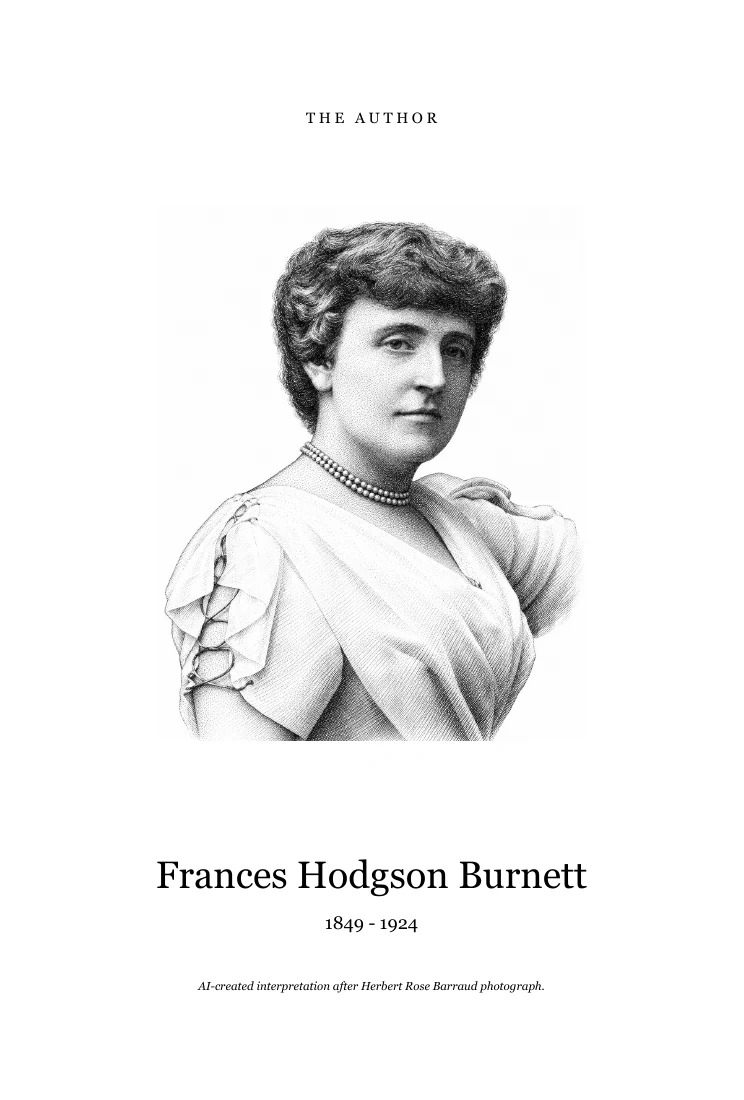
Frances Hodgson Burnett, The Secret Garden (1911)
It is one of the smallest requests in children’s fiction, and one of the bravest. Mary Lennox is a sour, lonely ten-year-old sent from India to a vast Yorkshire house, and the thing she asks of her guardian is not a toy or a treat but a patch of soil. The answer she gets, “take it, child, and make it come alive”, could stand as the motto for every novel here.
These are classic novels about gardens in the full sense: stories where planting, tending, wandering and simply sitting among flowers is the engine of the plot. Some are for children, some for adults, and the first two are equally good for both.
Three essential garden novels
The Secret Garden
1911. A garden locked for ten years, a robin that shows Mary where the key is buried, and a moorland boy who can charm animals. Burnett’s great theme is that tending something living can mend a damaged child, and she makes it feel true rather than preachy.
The Enchanted April
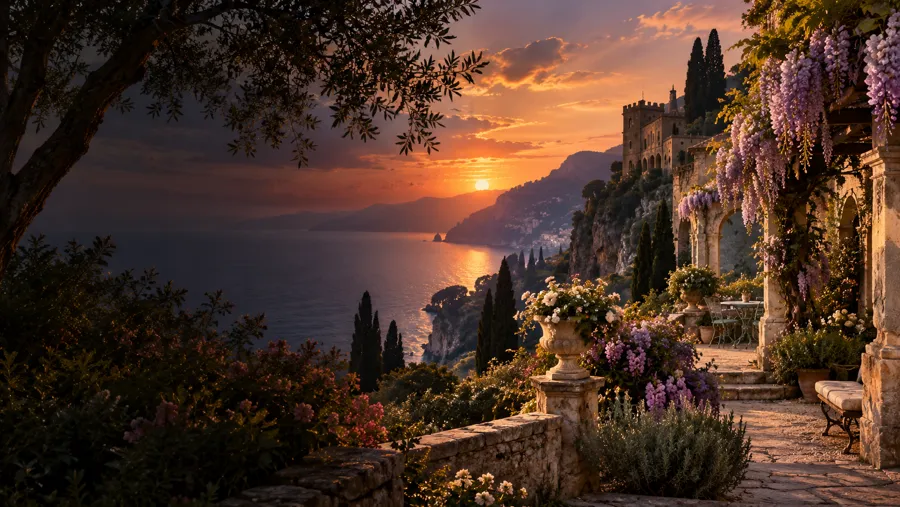
1922. Four Englishwomen who barely know each other share the cost of a small Italian castle for April. The real heroine is the garden, all wistaria, geraniums and hot sun, and it works on each of them in turn.
The Wonderful Garden; or, The Three Cs
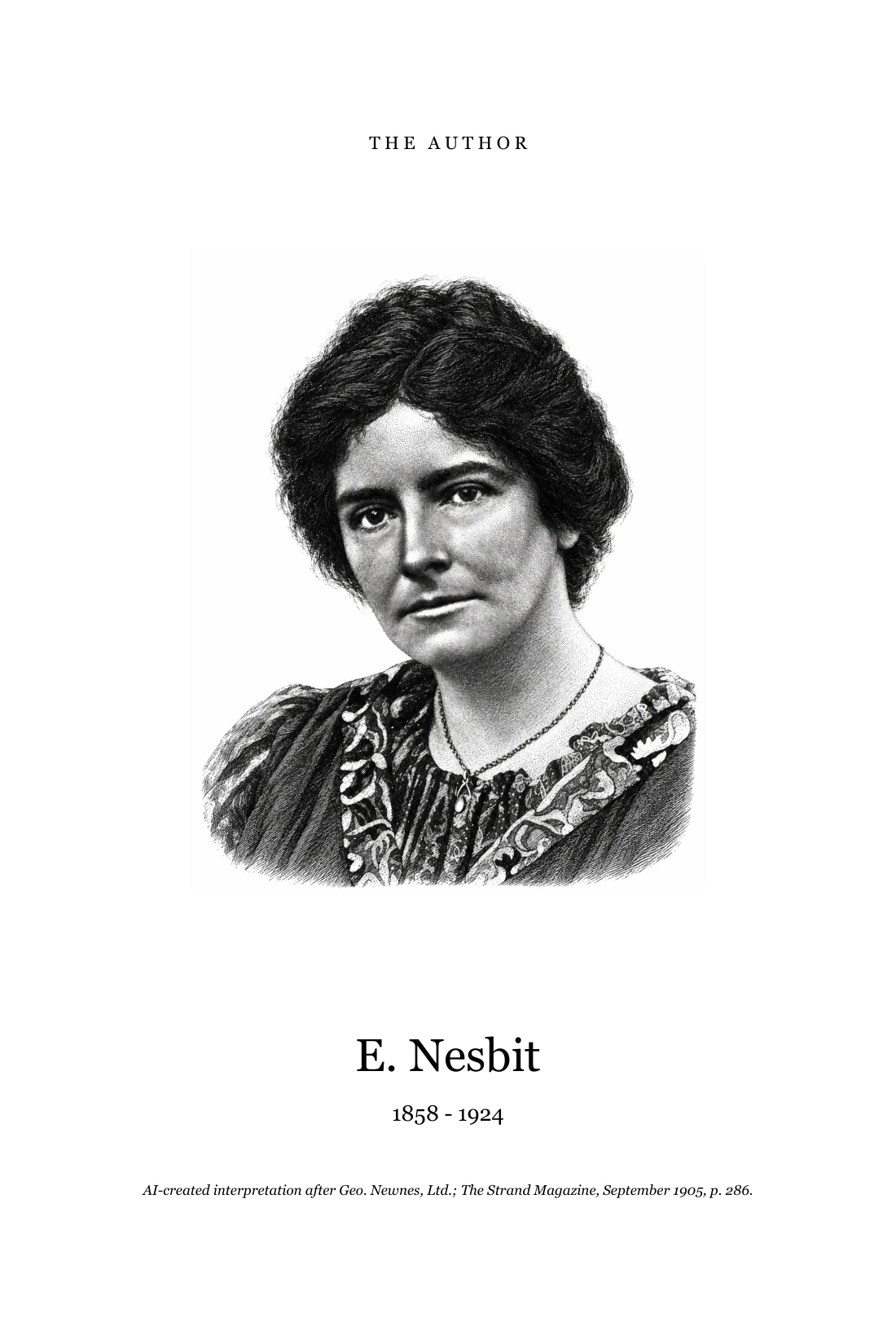
1911. Caroline, Charles and Charlotte, the “three C.’s”, are given an old book on the language of flowers and start working spells with real plants. Nesbit keeps you guessing whether the magic is real, which is half the fun.


Burnett loved gardens long before she wrote about one. She lived for some years at Great Maytham Hall in Kent, which is often cited as an inspiration for the novel, and she later wrote of a real robin that kept her company in the rose garden there and of how Mary’s attempts to “make robin sounds” grew out of it. We tell that story in Did you know a real walled garden is thought to have inspired The Secret Garden?
The Enchanted April and its wistaria
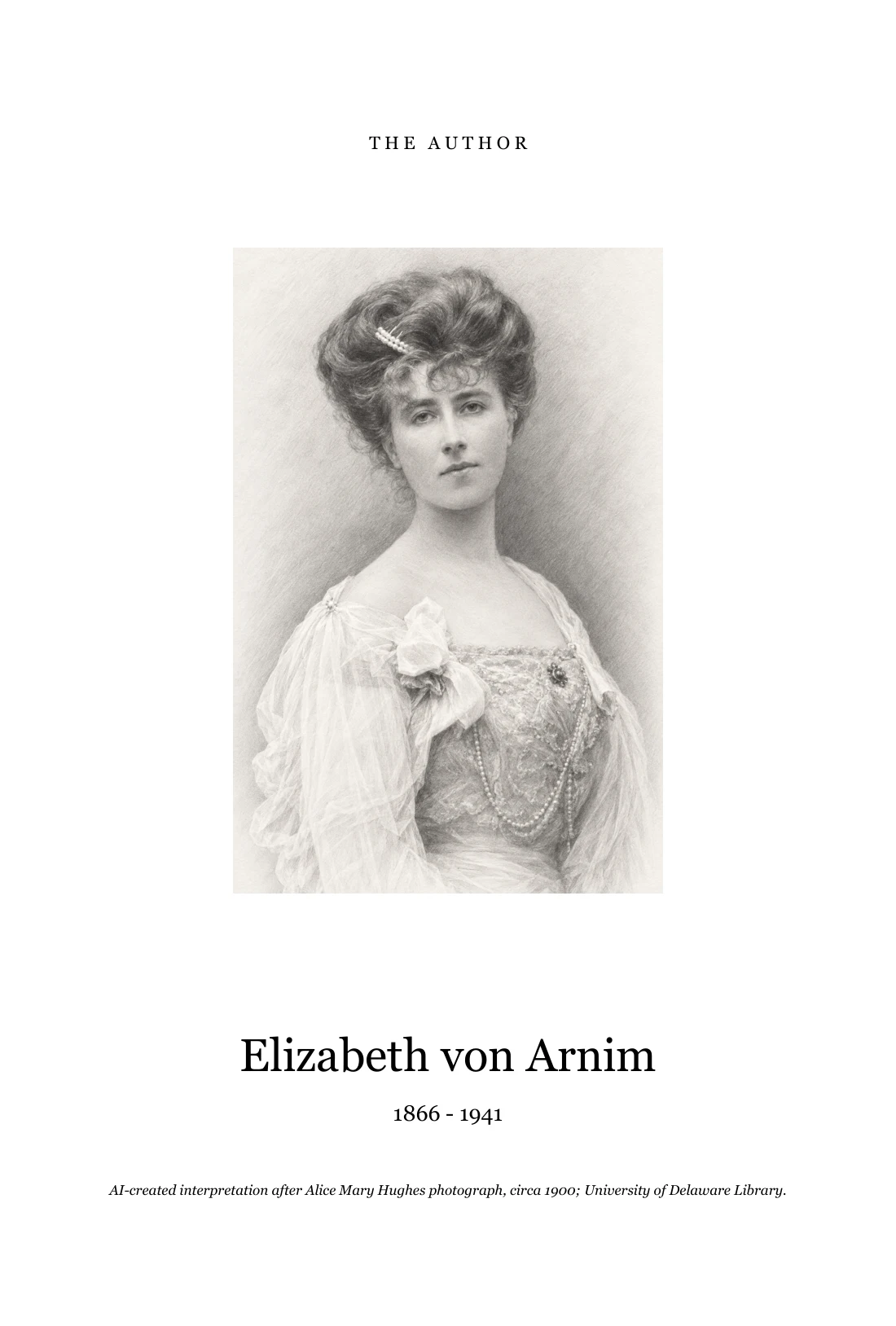
Elizabeth von Arnim’s novel begins with a small ad in the Agony Column of The Times, addressed “To Those who Appreciate Wistaria and Sunshine”. Lotty Wilkins, who has ninety pounds saved and a husband who barely notices her, reads it in her club on a miserable February afternoon and decides it was written for her. When she finally arrives at San Salvatore and sees the flowers, the novel turns, quietly, from comedy into something close to a conversion story.
Von Arnim wrote the book at Castello Brown in Portofino, the castle that became San Salvatore. Gardens had made her name more than twenty years earlier: her first book, Elizabeth and Her German Garden (1898), was a funny, semi-autobiographical account of trying to make a garden on her husband’s Pomeranian estate. The full story of the advert is in Did you know The Enchanted April begins with a newspaper advert?, and more on her life in Elizabeth von Arnim.
More classic books about gardens and orchards
Once you start looking, gardens turn up at the turning points of all kinds of classics.
Through the Looking-Glass
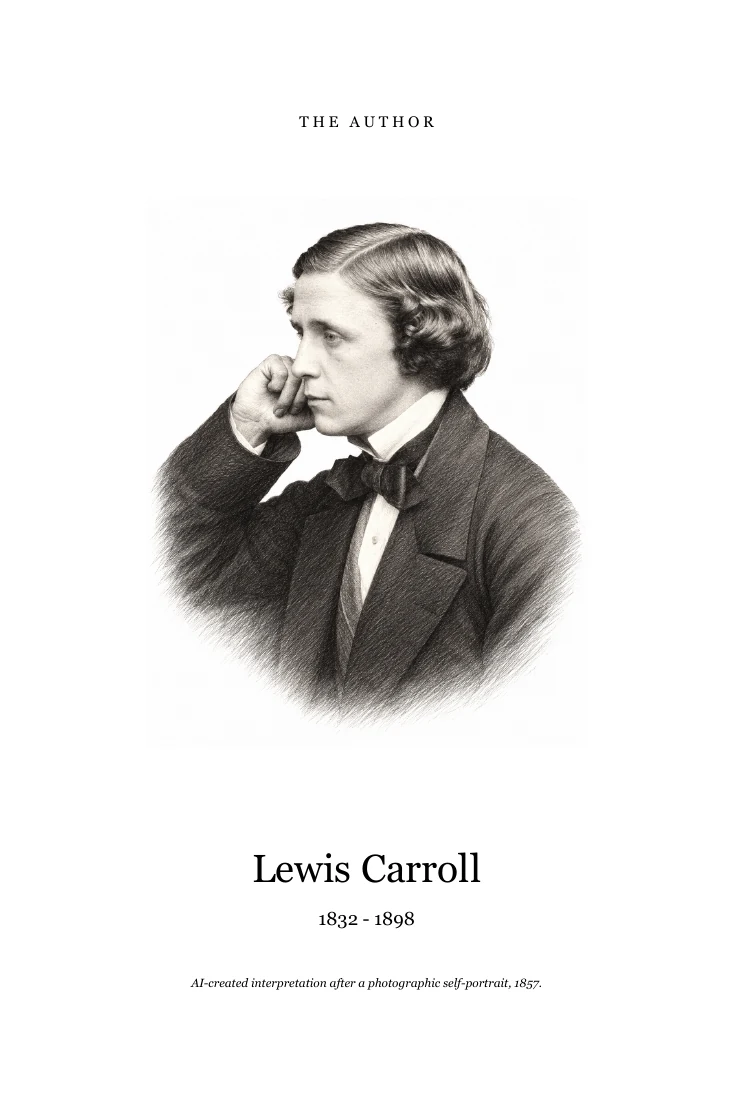
1871. In the chapter “The Garden of Live Flowers”, Alice meets a Tiger-lily who says the flowers can talk “when there’s anybody worth talking to”. The rudest garden in literature.
Kilmeny of the Orchard
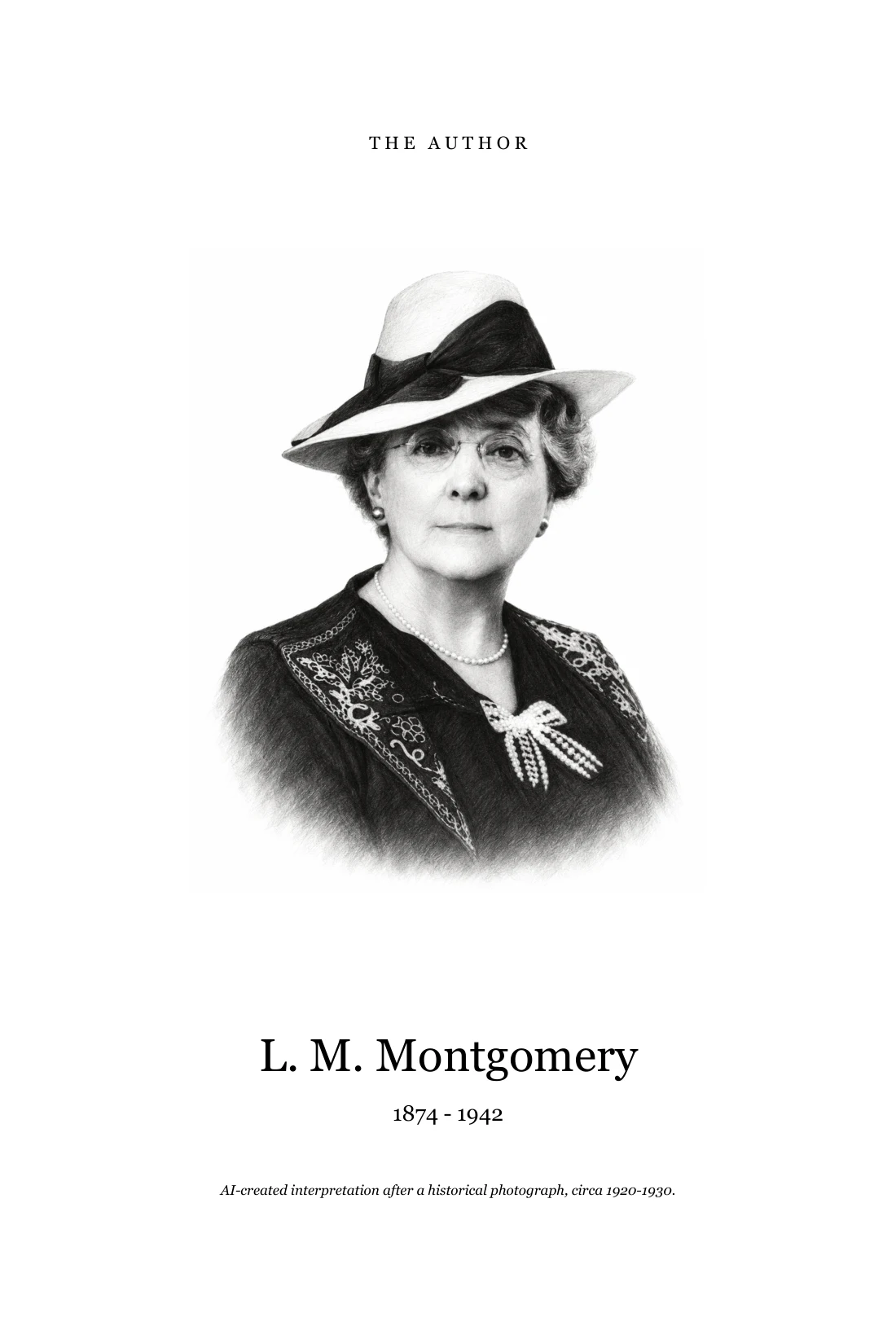
1910. A young schoolteacher on Prince Edward Island hears a violin in an old orchard and finds Kilmeny, a girl who cannot speak. L. M. Montgomery’s short romance is all apple blossom and atmosphere.
The Garden Party, and Other Stories
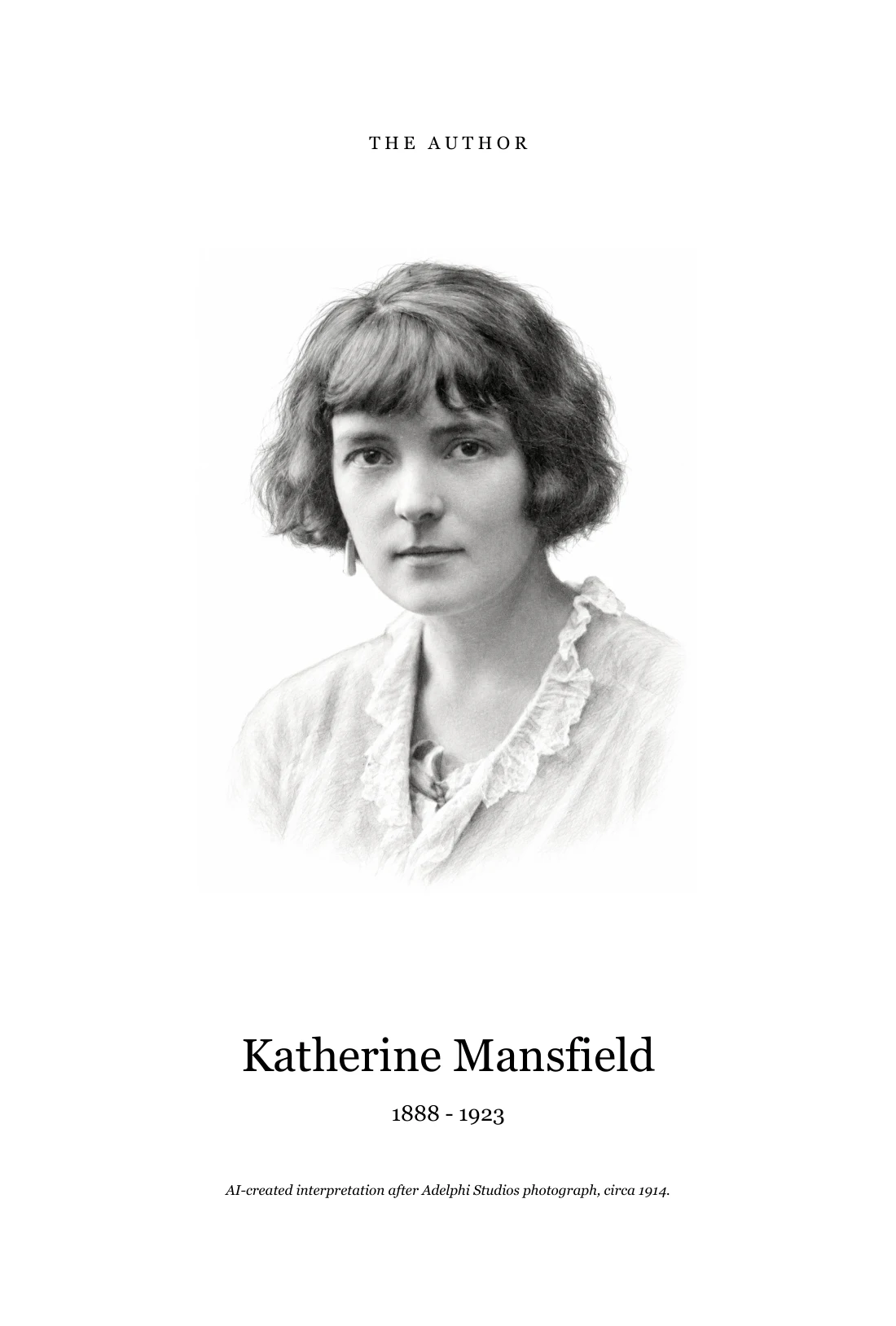
1922. The title story follows Laura Sheridan through a day of marquees, lilies and cream puffs, and what happens when news of a death arrives in the middle of it. The setting draws on Mansfield’s own childhood home in Wellington.
Candide
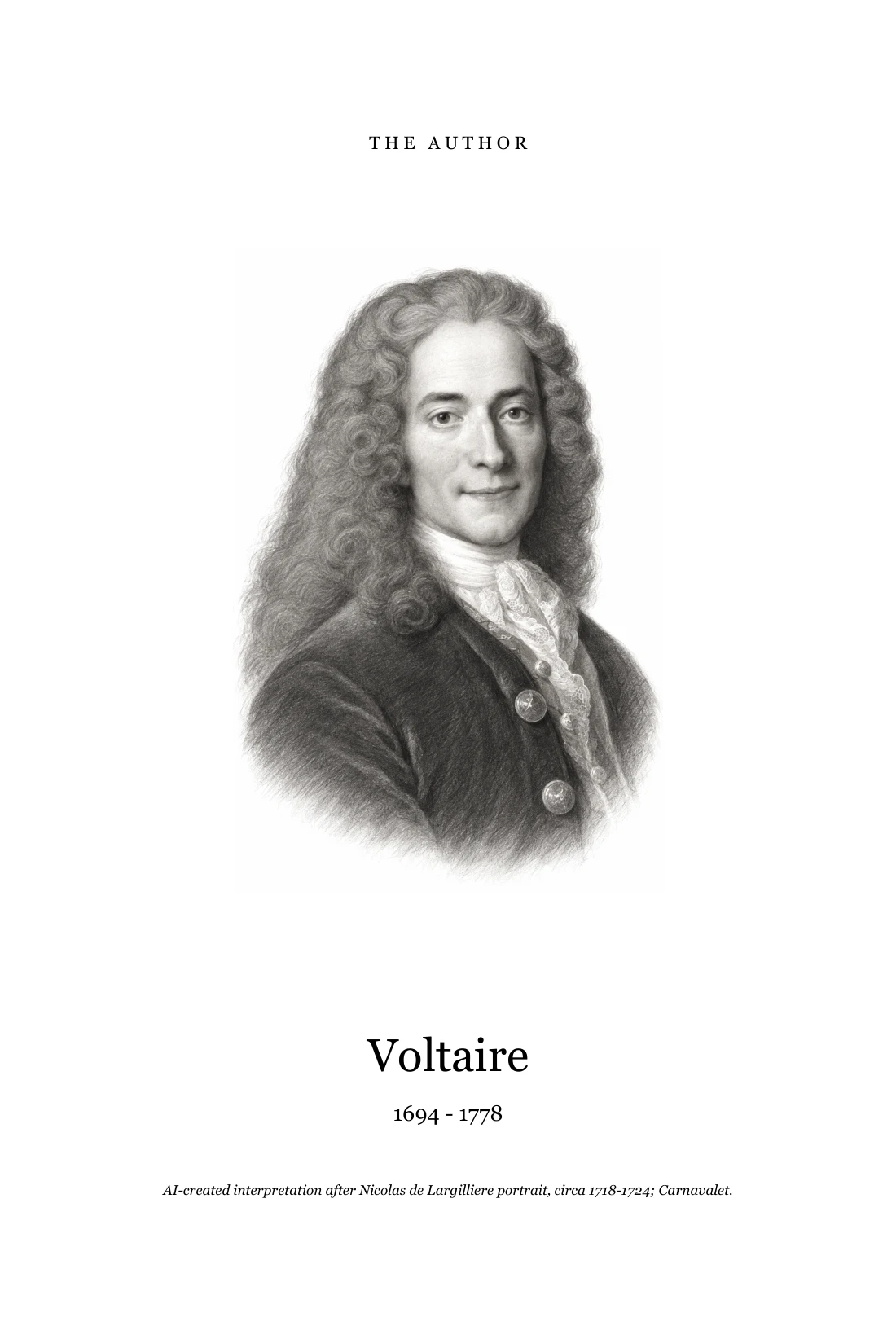
1759. After a lifetime of disasters around the world, Candide settles on a small farm, and his last word on the meaning of it all is gardening. Voltaire’s satire is a garden book only in its final line, but what a line.


That final line, in the classic English version, is “let us cultivate our garden”. After all the philosophy, war and shipwreck of Candide, it is the same lesson Mary Lennox learns on her knees in Yorkshire: what you can actually do is look after the patch of ground in front of you.
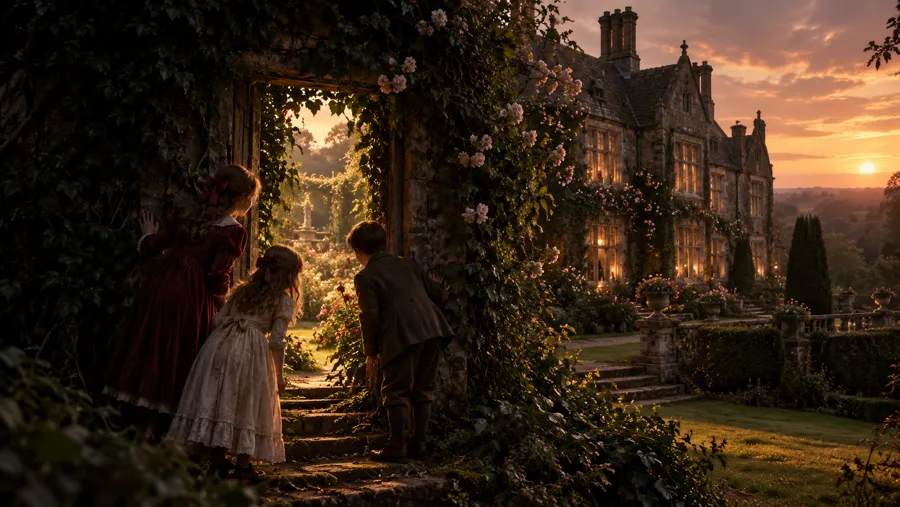
Which garden book should you read first?
If you have never read it as an adult, start with The Secret Garden. It is much stranger and more grown-up than its reputation, with its cholera-stricken opening and its screaming, hidden cousin. Readers who loved it as children will find more in Books like The Secret Garden and in our guide to Frances Hodgson Burnett’s books.
If you want a garden to escape into this spring, choose The Enchanted April; it is the literary equivalent of opening a shutter onto sunlight. And for a family read-aloud with a little magic, E. Nesbit’s The Wonderful Garden is far less known than her Psammead books and deserves better.
Whichever you choose, read it outside if you can. The Secret Garden is a good place to begin, ideally somewhere with a robin in earshot.
Questions readers ask
What are the best classic books about gardens?
The Secret Garden by Frances Hodgson Burnett and The Enchanted April by Elizabeth von Arnim are the best known. E. Nesbit’s The Wonderful Garden, Montgomery’s Kilmeny of the Orchard and Mansfield’s The Garden Party are also good choices.
Was The Secret Garden based on a real garden?
The rose garden at Great Maytham Hall in Kent, where Burnett lived for some years, is often cited as an inspiration, and she described a real robin there that kept her company. The house itself is very different from the novel’s Misselthwaite Manor.
Where is The Enchanted April set?
In a small medieval castle called San Salvatore on the Italian Riviera. Von Arnim based it on Castello Brown in Portofino, where she wrote the book.