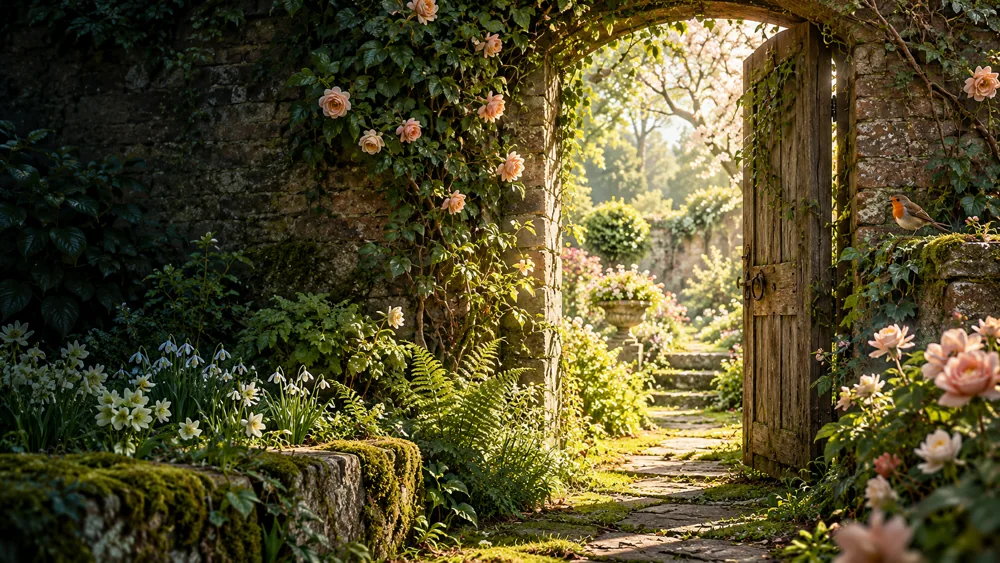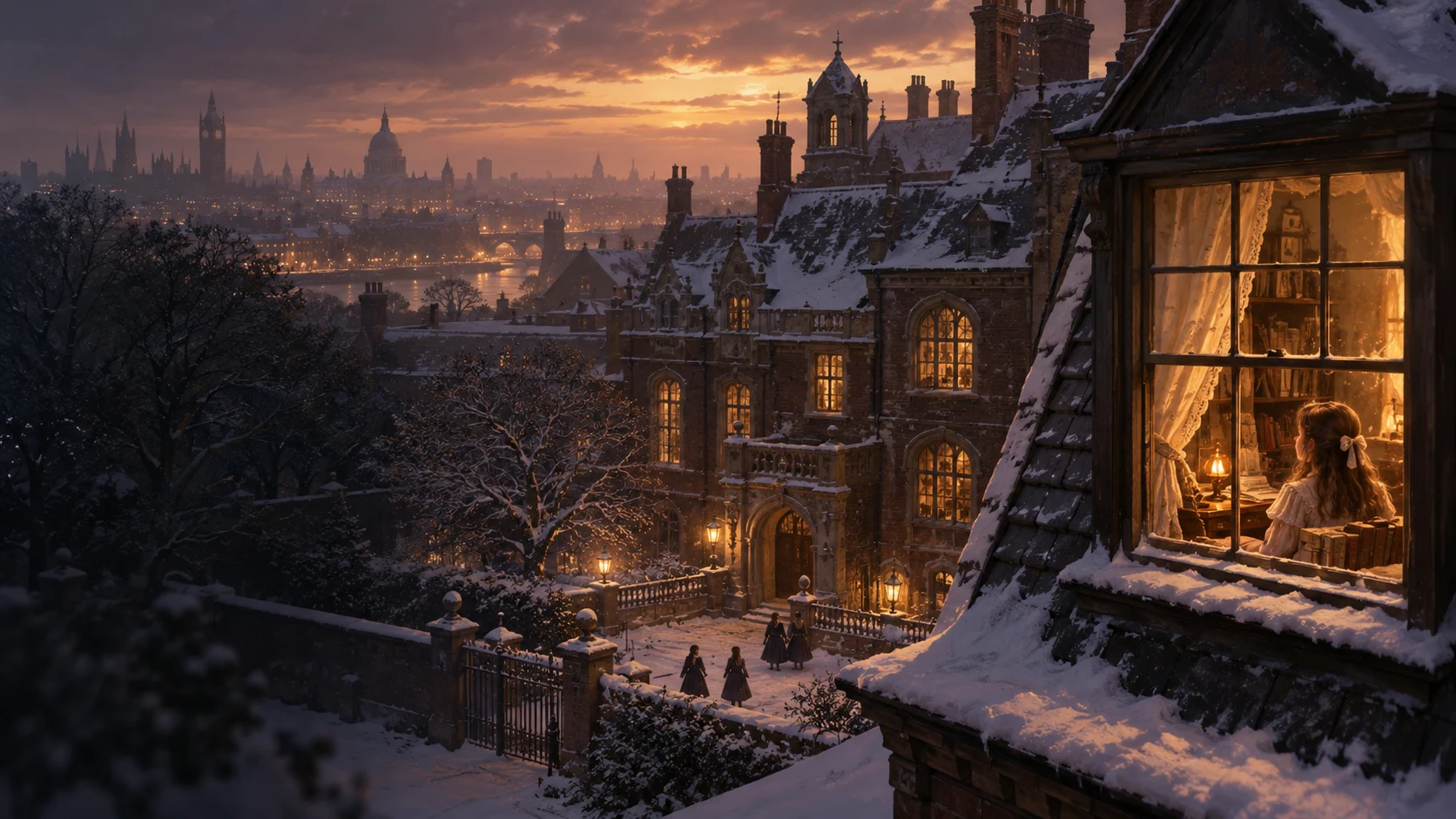
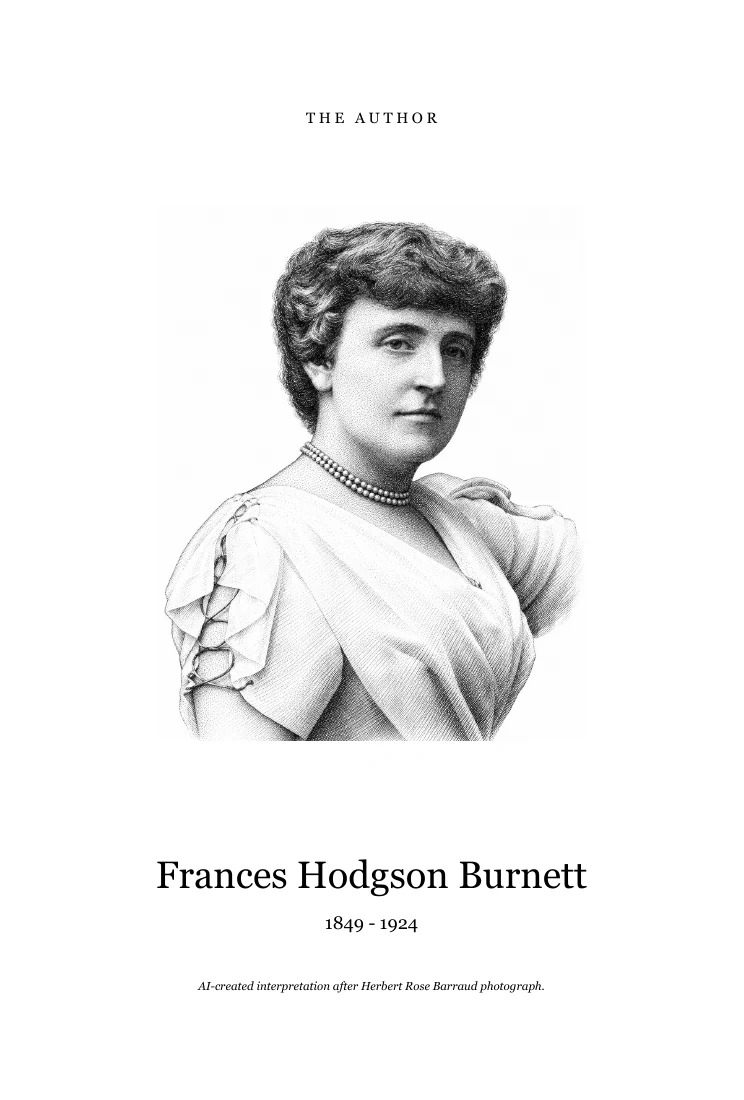
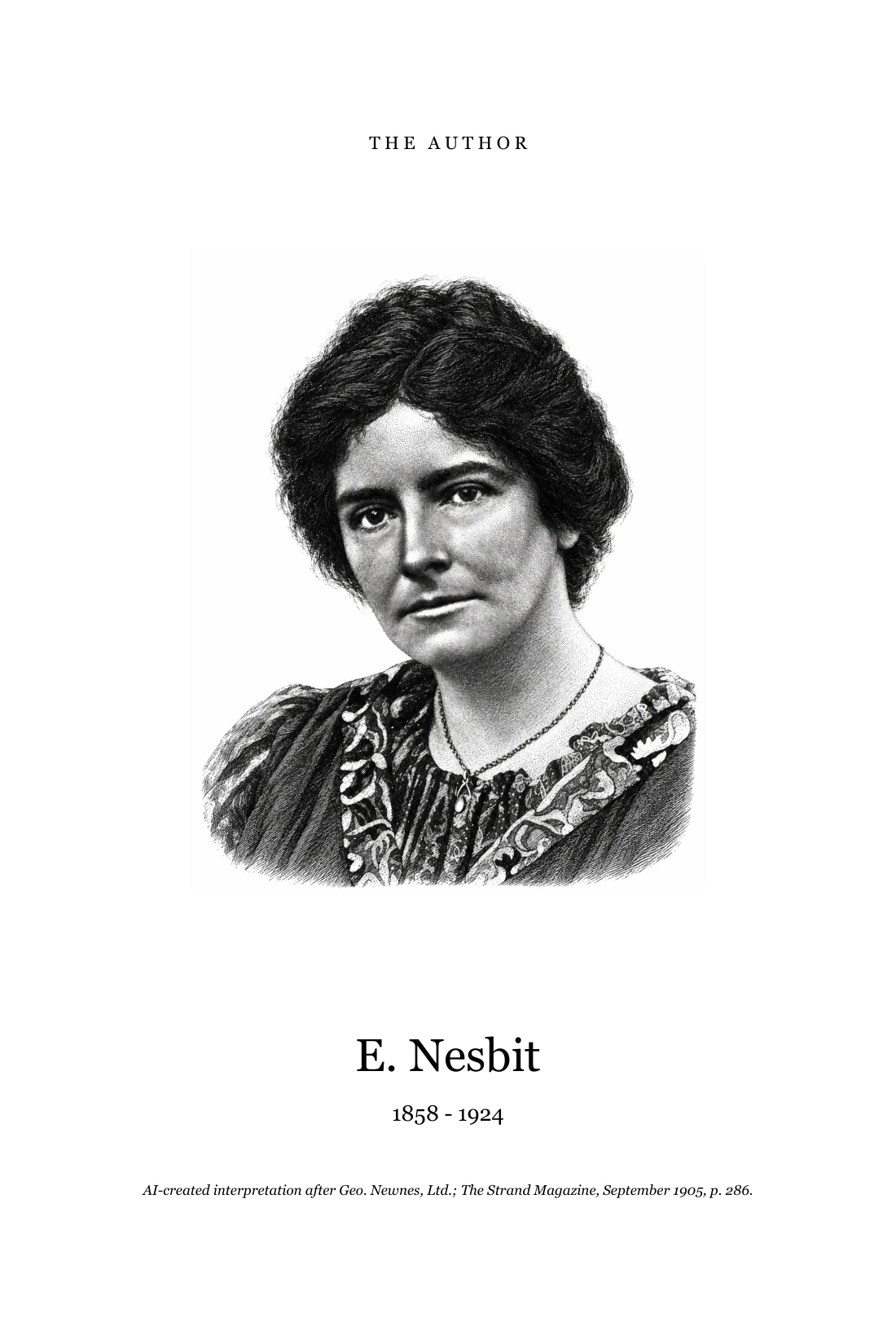
In 1911, two of the best-known children’s writers of the day each published a book in which children whose parents were in India end up at an old English manor with a garden to discover. One was Frances Hodgson Burnett’s The Secret Garden. The other was E. Nesbit’s The Wonderful Garden, and almost nobody remembers it.
Burnett’s book has not always been famous either. When she died in 1924, her obituaries talked about Little Lord Fauntleroy and passed over The Secret Garden in silence. Its reputation grew afterwards, reader by reader, which seems right for a book about something that grows when it is tended. If your child is one of those readers, here are five books like The Secret Garden that share its spirit: a child alone, a place to restore, and kindness that arrives from an unexpected direction.
Books like The Secret Garden by Burnett herself
The obvious place to begin is with Burnett herself. She wrote for children all her life, and two of her other novels sit beside The Secret Garden naturally. Our guide to Frances Hodgson Burnett’s books covers the rest.
A Little Princess
1905. Sara Crewe goes from star pupil to attic servant at a London boarding school when her father dies, and keeps herself alive by imagining. The closest match in mood. Ages 8 and up.
The Lost Prince
1915. Marco and his friend the Rat, a boy who gets about on crutches, carry a secret signal across Europe for a lost kingdom. Burnett’s adventure story, with the same faith in children. Ages 10 and up.


A Little Princess began life as a much shorter story, Sara Crewe, published in 1888. Burnett turned it into a play and then, at her publisher’s request, into the full novel of 1905. Like Mary Lennox, Sara has grown up in India; unlike Mary, she is kind from the first page. The middle of the book, in which the headmistress Miss Minchin starves and humiliates her, is genuinely hard, and her father’s death comes less than a third of the way in. The ending makes up for all of it.
The Lost Prince is less known and more unusual. Marco Loristan and his father live in shabby London lodgings, working in secret for the country of Samavia, and Marco’s friendship with the Rat, the leader of a gang of street boys, is the heart of it. Like Colin in The Secret Garden, the Rat is a boy whose body has held him back, and Burnett gives him a mission rather than a cure. The book uses the period’s words for disability, “cripple” among them.

Books about children who make a world of their own
The Railway Children
1906. Three children move to a cottage by a railway line while their father is mysteriously away, and make friends with the station porter, a Russian exile and an old gentleman on the 9.15. Ages 7 and up.
The Wonderful Garden; or, The Three Cs
1911. Three children spend the summer at their great-uncle’s manor, working spells out of an old book called The Language of Flowers. Nesbit’s gentlest book, and a lovely garden story in its own right. Ages 8 and up.
Heidi
1880–81. An orphan girl is sent up an Alpine mountain to her grandfather, then down to the city as a companion for an invalid called Clara. The mountain air works miracles. Ages 7 and up.


What The Secret Garden has in common with E. Nesbit’s The Railway Children is children left to themselves in the country, finding purpose in looking after other people. Bobbie, Peter and Phyllis wave red flannel petticoats to stop a train heading for a rockfall, look after a lost stranger and, in the end, learn the truth about their father’s absence. It is the most emotionally direct book here, and the scene at the station near the end is famous for making readers cry.
The Wonderful Garden is the forgotten twin. Caroline, Charlotte and Charles Stanmore, whose parents are in India, are invited to the manor of a great-uncle who is writing a book about magic and does not believe in it. The children try flower spells from The Language of Flowers, and the results are odd enough to unsettle the great-uncle’s scepticism. Read it for its garden and for Nesbit at her most good-natured.
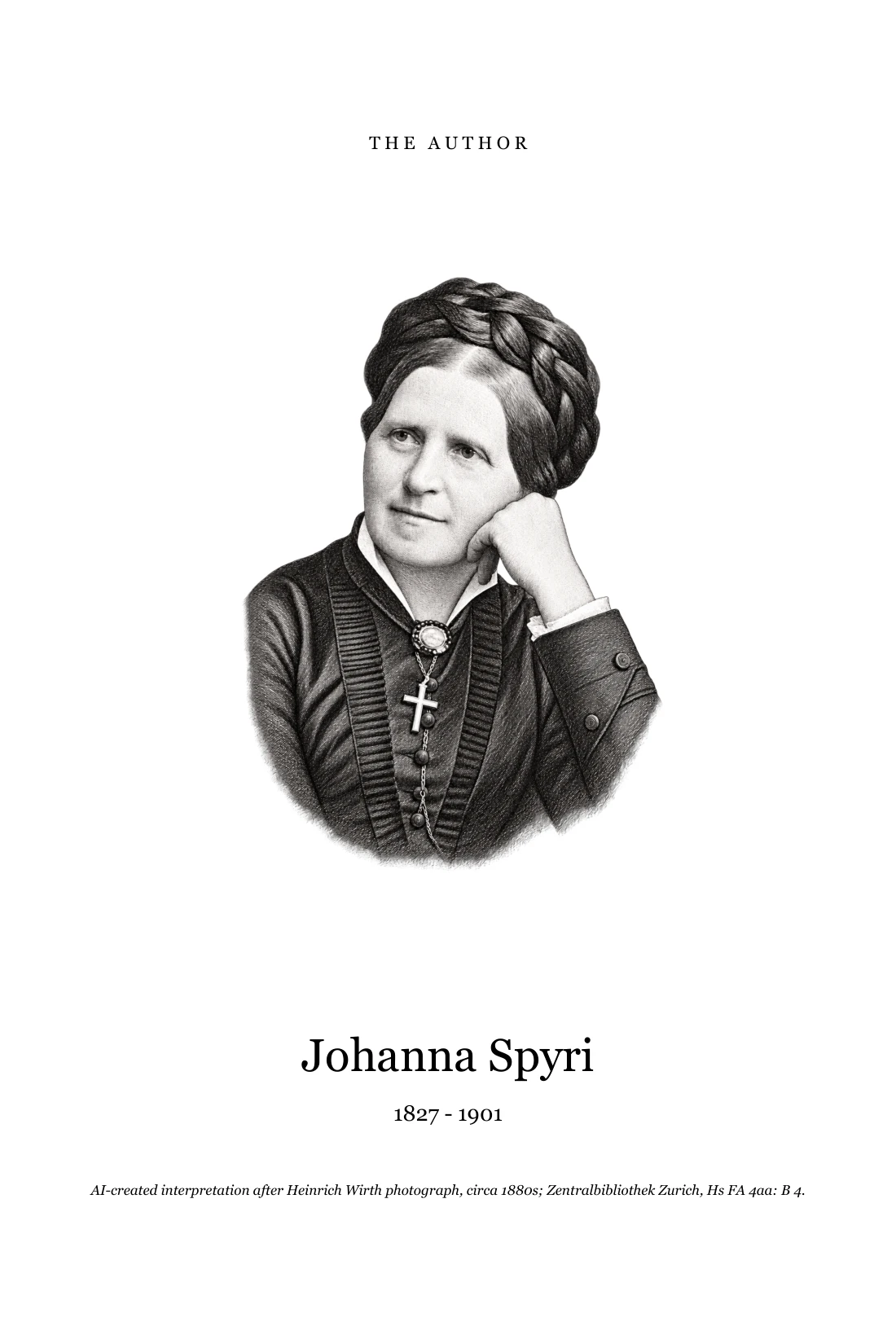
Johanna Spyri’s Heidi is the book that most clearly shares The Secret Garden’s belief in fresh air. Heidi pines in a Frankfurt townhouse and recovers in the mountains, and when her invalid friend Clara comes to stay, the outcome will feel very familiar to anyone who has seen Colin stand up in the garden.
What parents should know about The Secret Garden and its cousins
The Secret Garden opens in India, and Mary’s early contempt for “natives”, whom she slaps and calls “pig”, is presented as a sign of how badly she has been brought up; the narrator does not challenge the colonial world around her, though. Martha’s remark that she thought Mary might be “a black” is of its time. The Yorkshire dialect is thick in places, so it is worth practising Dickon’s voice before reading aloud.
A Little Princess has its own Indian servant, Ram Dass, written with the period’s romantic exoticism. In Heidi, the grandmother’s and Clara’s piety is sincere and fairly frequent. None of this should put anyone off; all five books are at heart about generosity, and they are excellent read-alouds from about seven or eight. The garden that may have inspired the book has a story of its own, and there is more on the screen versions in The Secret Garden on screen.
If you are choosing one, choose A Little Princess. It is the Burnett novel closest to The Secret Garden in spirit, and a child who loved Mary’s garden will understand Sara’s attic straight away: both are places a girl makes beautiful when nobody else will.
Questions readers ask
What books are similar to The Secret Garden?
Books like The Secret Garden include Frances Hodgson Burnett’s A Little Princess and The Lost Prince, E. Nesbit’s The Railway Children and The Wonderful Garden, and Johanna Spyri’s Heidi.
Did Frances Hodgson Burnett write other children’s books?
Yes. Her best known are Little Lord Fauntleroy (1886), A Little Princess (1905), The Secret Garden (1911) and The Lost Prince (1915).
What age is The Secret Garden suitable for?
It is best for readers of eight to twelve, and makes a good read-aloud from seven. Little in it is frightening, though the opening, in which cholera kills Mary’s parents and leaves her forgotten in an empty house, may upset some children, and the Yorkshire dialect and a few colonial attitudes in the early chapters may need a word of explanation.
Is A Little Princess sad?
In the middle, yes. Sara’s father dies less than a third of the way through and she is treated cruelly as a servant, but the story ends happily, and most children find it more gripping than upsetting.