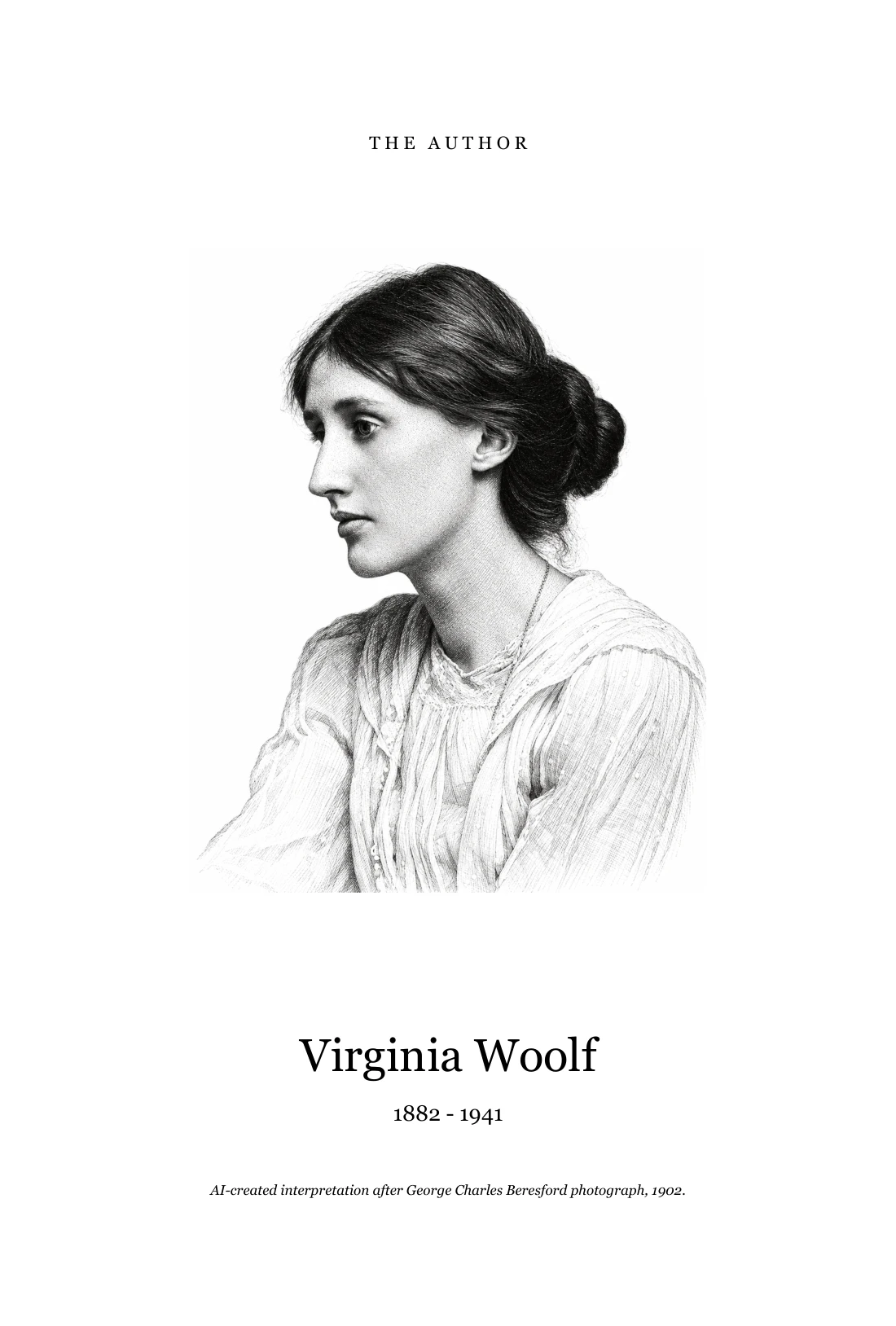
Virginia Woolf borrowed the title of her first essay collection from a single sentence of Samuel Johnson’s. In his Life of Gray, Johnson wrote that he rejoiced “to concur with the common reader”, the person who reads for pleasure rather than to pass an exam or settle a score. Woolf opened The Common Reader (1925) with that quotation, and it is as good a description as any of who classic essay collections are for.
The nine books below are the essays of novelists, poets, campaigners and controversialists, and none of them needs to be read in order. Dip into a single piece, argue with it, put it down. Most of these writers wanted exactly that.
The aesthetes and the critics
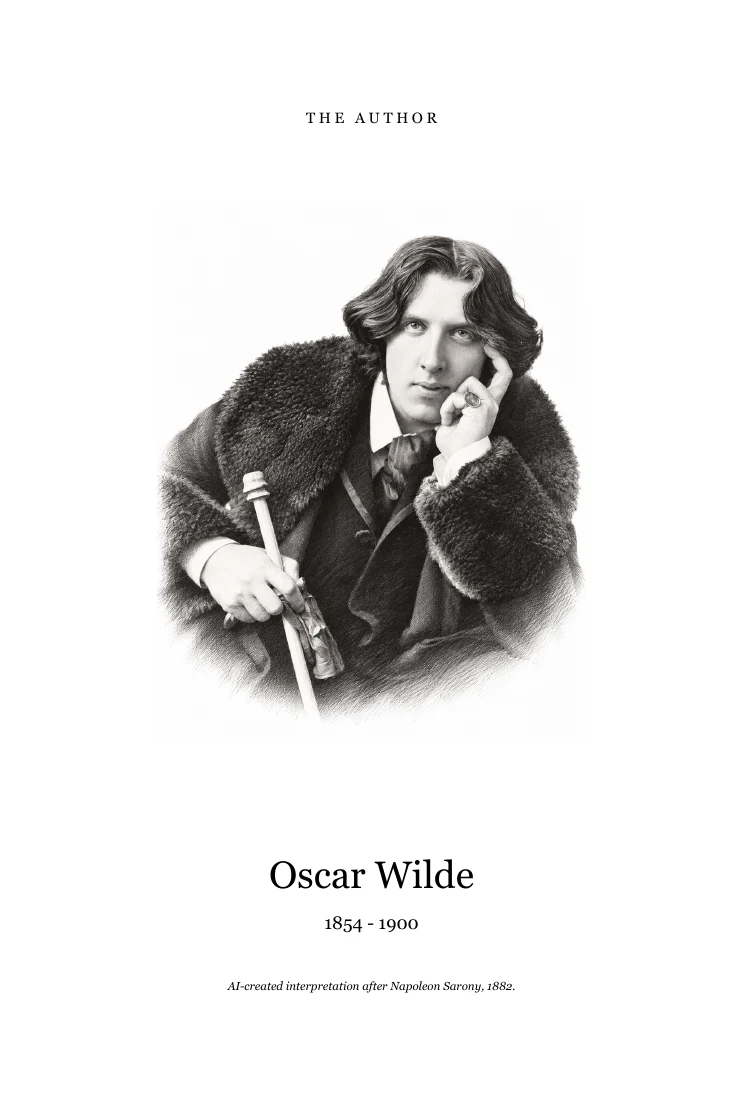
Intentions
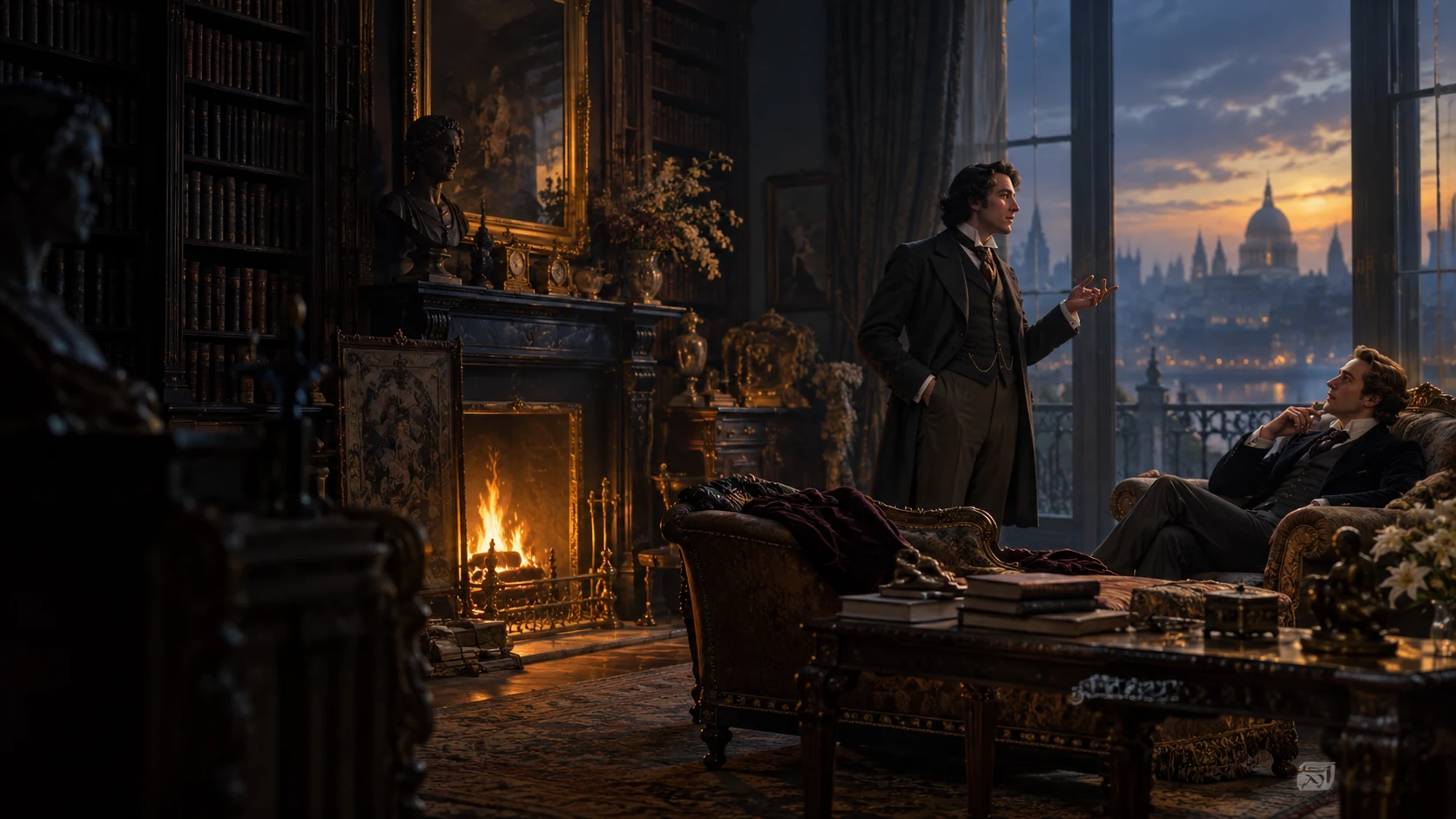
1891. Four long essays, two of them written as dialogues. In “The Decay of Lying” a young man called Vivian argues that the trouble with modern literature is its slavish devotion to facts, and the whole book is Oscar Wilde at his most mischievous.
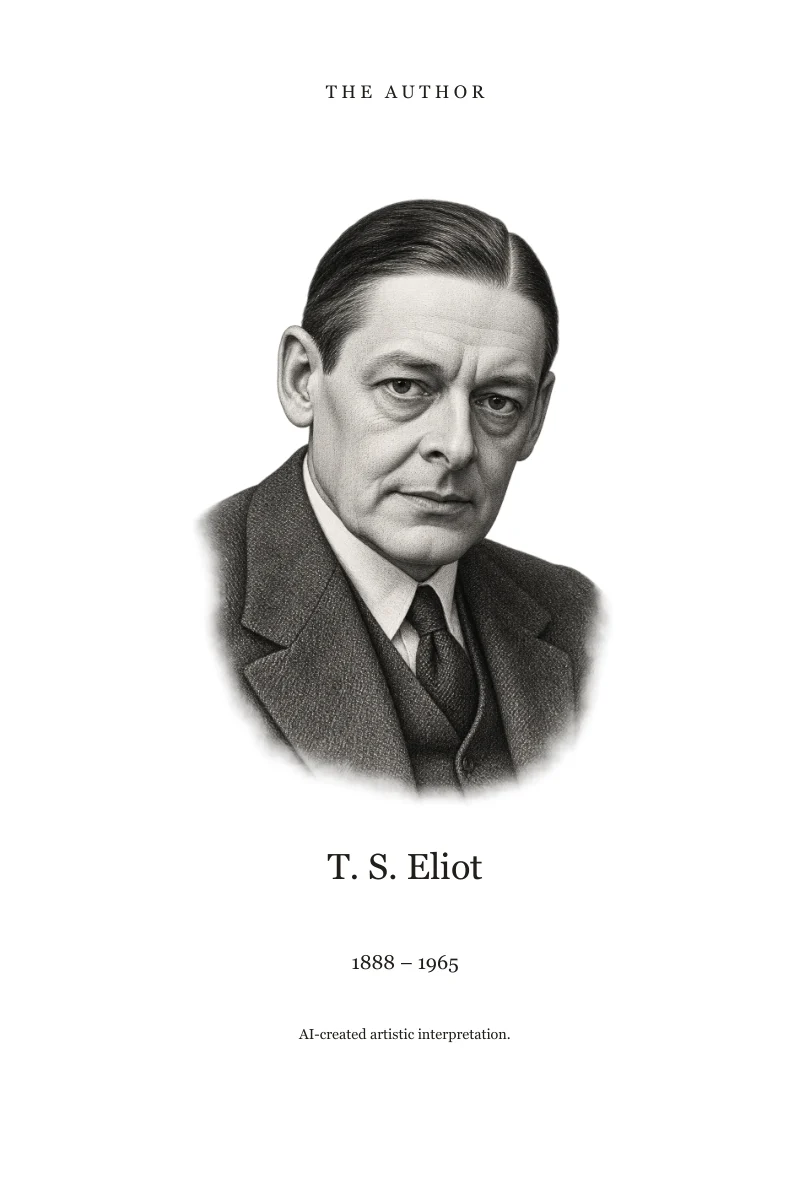
The Sacred Wood
1920. T. S. Eliot’s criticism, published two years before The Waste Land. It contains “Tradition and the Individual Talent” and “Hamlet and His Problems”, where he first set out his idea of the “objective correlative”.
The Common Reader
1925. Woolf ranges from the Paston letters and Chaucer to Jane Austen, the Greeks and “Modern Fiction”, her famous challenge to the novelists of her day. Generous, sharp and never academic.


Wilde’s best-known line is in “The Decay of Lying”, and it is not quite the one people quote. Vivian calls it the third doctrine of his new aesthetics:
The third doctrine is that Life imitates Art far more than Art imitates Life.
Oscar Wilde, “The Decay of Lying”, in Intentions (1891)
Eliot, writing about Philip Massinger in The Sacred Wood, produced a line that has been misquoted almost as often: “Immature poets imitate; mature poets steal.” He goes on to say that good poets make what they take into something better, which is the half that usually goes missing. For more on Eliot, see Did you know T. S. Eliot added notes to The Waste Land to fill pages?
Chesterton and the art of the quarrel
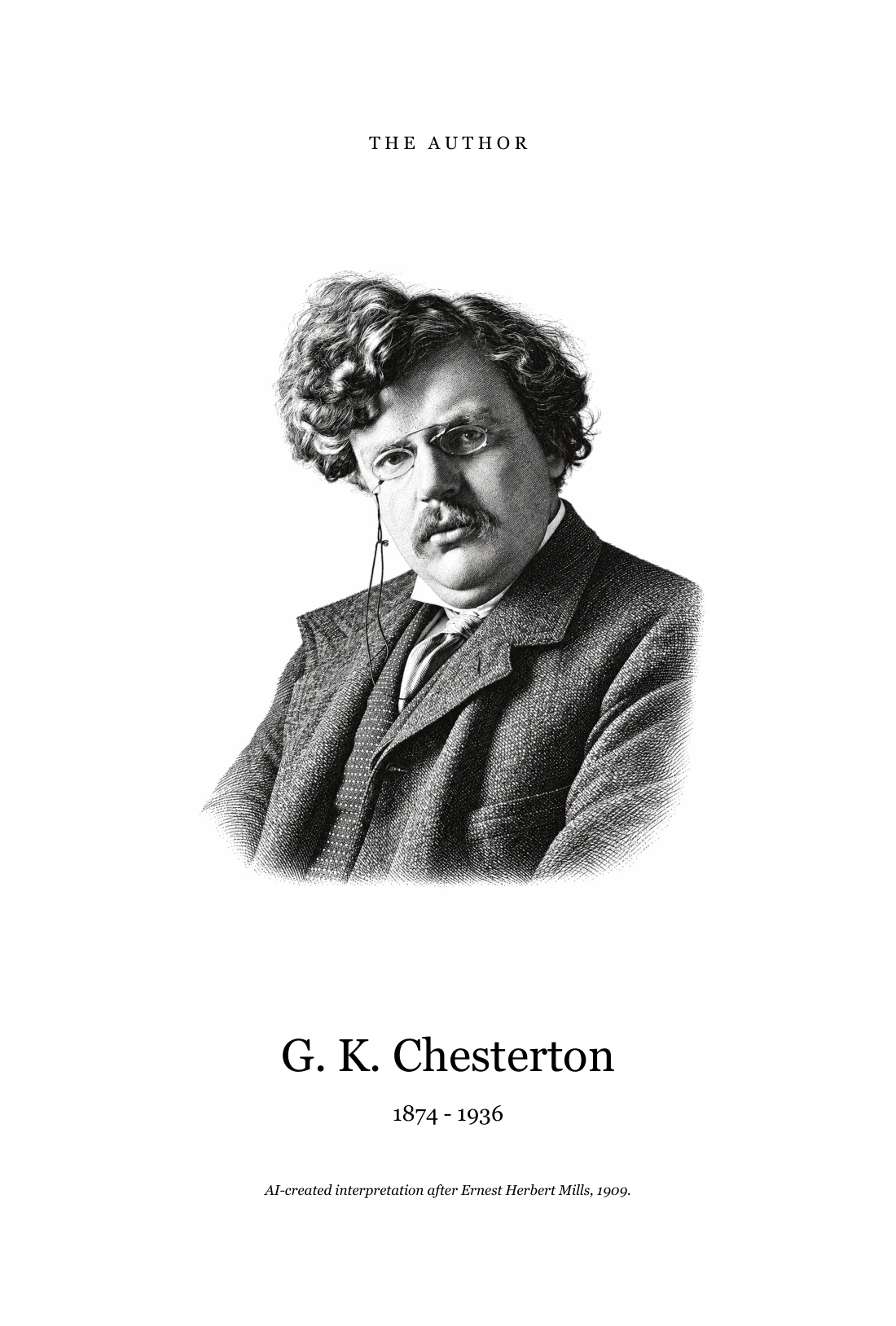
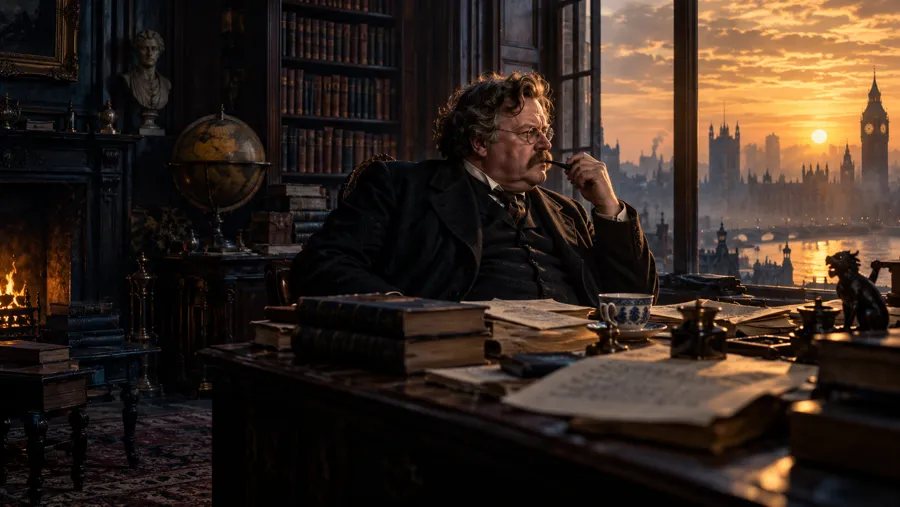
No essayist of the period enjoyed an argument more than G. K. Chesterton, and four of his collections show him at full stretch.
Heretics
1905. Twenty essays taking on the great men of the day, from Kipling, Shaw and Wells to Nietzsche. Chesterton knew many of his targets personally, and Shaw was a close friend.
Orthodoxy
1908. Chesterton’s reply to his own critics: having told everyone else what was wrong with their beliefs, he sets down his own. He called it “a sort of slovenly autobiography”.
Tremendous Trifles
1909. Short pieces first printed in the Daily News, in which a piece of chalk, a cab ride or a morning spent lying in bed becomes the occasion for wonder. The ideal first Chesterton.
What's Wrong with the World
1910. Chesterton’s book of social criticism, on property, the family, education and women’s place, arguing that reformers quarrel over cures without first agreeing what a healthy society looks like.


Orthodoxy exists because of a dare. After Heretics, the critic G. S. Street complained that Chesterton attacked everyone’s philosophy without offering his own. Chesterton’s preface quotes him directly: “I will begin to worry about my philosophy,” said Mr. Street, “when Mr. Chesterton has given us his.” The result was a whole book, and a parting shot: Street, Chesterton wrote, had inspired it but “need not read it”.
If you want Chesterton’s fiction after his essays, try Where to start with G. K. Chesterton.
Essays as argument: Du Bois and Goldman
Some classic essay collections were written to change things, not to charm. These two were published a decade apart and read like dispatches from the front line of their causes.
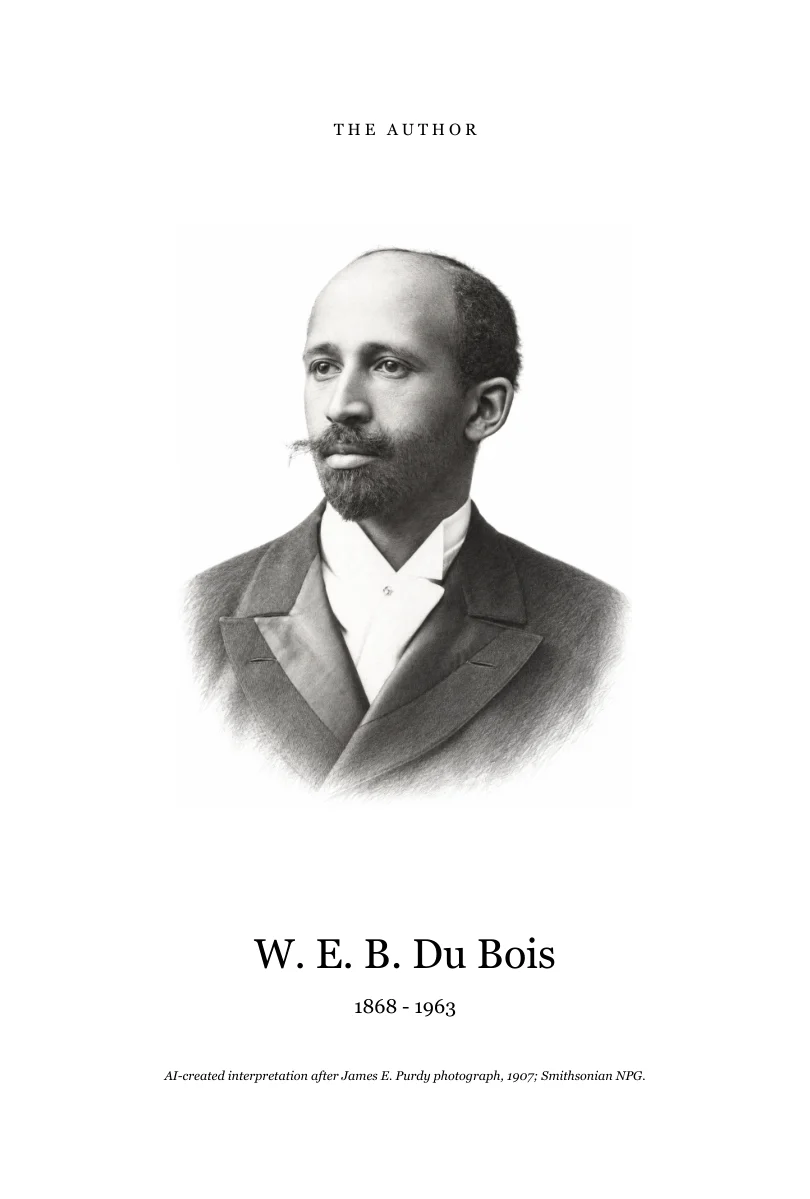
Darkwater
1920. W. E. B. Du Bois’s essays, poems and autobiography, put together in the aftermath of the First World War and the East St. Louis riot. It includes “The Souls of White Folk”, a fierce study of race, empire and the war.
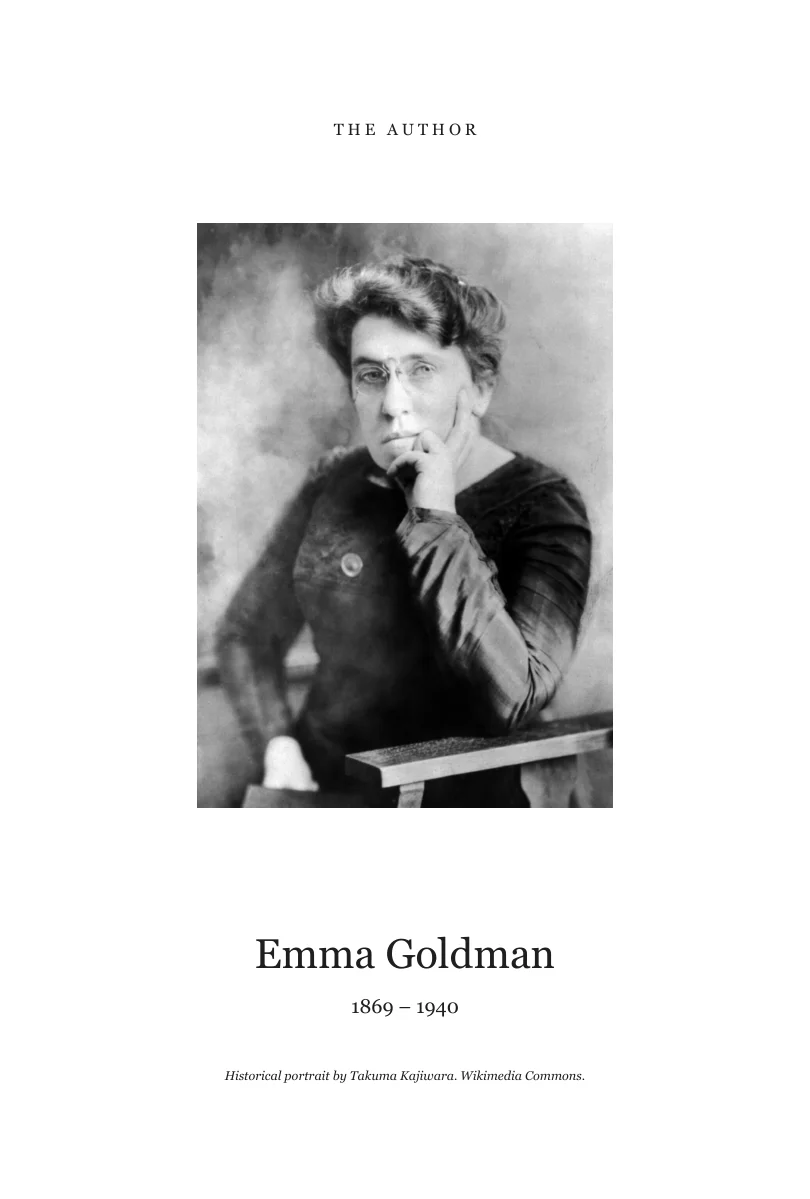
Anarchism and Other Essays
1910. Emma Goldman’s first book, built from her lecture tours and self-published through her journal Mother Earth: anarchism, prisons, patriotism, “The Traffic in Women” and a scathing look at the suffrage movement.


Darkwater is the natural sequel to Du Bois’s earlier book, which we discuss in Did you know The Souls of Black Folk introduced double consciousness? Goldman finished her manuscript in two months, and when no publisher wanted it, Mother Earth’s printers agreed to produce it on credit.
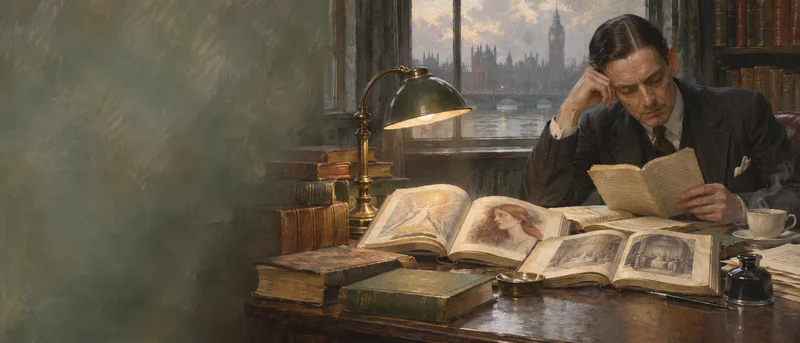
Which classic essay collection should you start with?
For pure pleasure, start with Tremendous Trifles: each piece is a few pages long, and you will know within one whether Chesterton is your kind of company. If you love novels, The Common Reader is the warmest guide to reading ever written by a novelist. If you want to be provoked, open Intentions, which has been annoying earnest people since 1891.
Whichever you choose, read one essay and stop. Begin with Vivian and Cyril in a Nottinghamshire library on a lovely afternoon, arguing about whether nature copies art, in Intentions.
Questions readers ask
What are the best classic essay collections?
Good places to start are Oscar Wilde’s Intentions (1891), G. K. Chesterton’s Heretics (1905) and Tremendous Trifles (1909), T. S. Eliot’s The Sacred Wood (1920), W. E. B. Du Bois’s Darkwater (1920) and Virginia Woolf’s The Common Reader (1925).
Which Oscar Wilde essay says life imitates art?
“The Decay of Lying”, collected in Intentions (1891). Its speaker, Vivian, argues that “Life imitates Art far more than Art imitates Life.”
Why did Chesterton write Orthodoxy?
The critic G. S. Street complained that Chesterton’s Heretics (1905) attacked other people’s philosophies without stating his own. Orthodoxy (1908) was Chesterton’s answer.
Where does the title The Common Reader come from?
From Samuel Johnson’s Life of Gray, in which Johnson says he rejoices “to concur with the common reader”. Woolf quotes the passage at the start of her 1925 collection.