
The Christmas case inside The Adventures of Sherlock Holmes
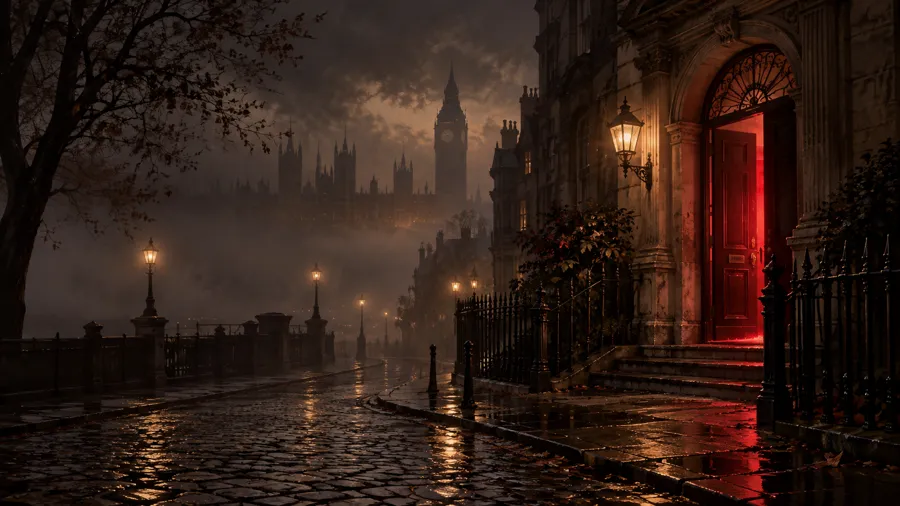
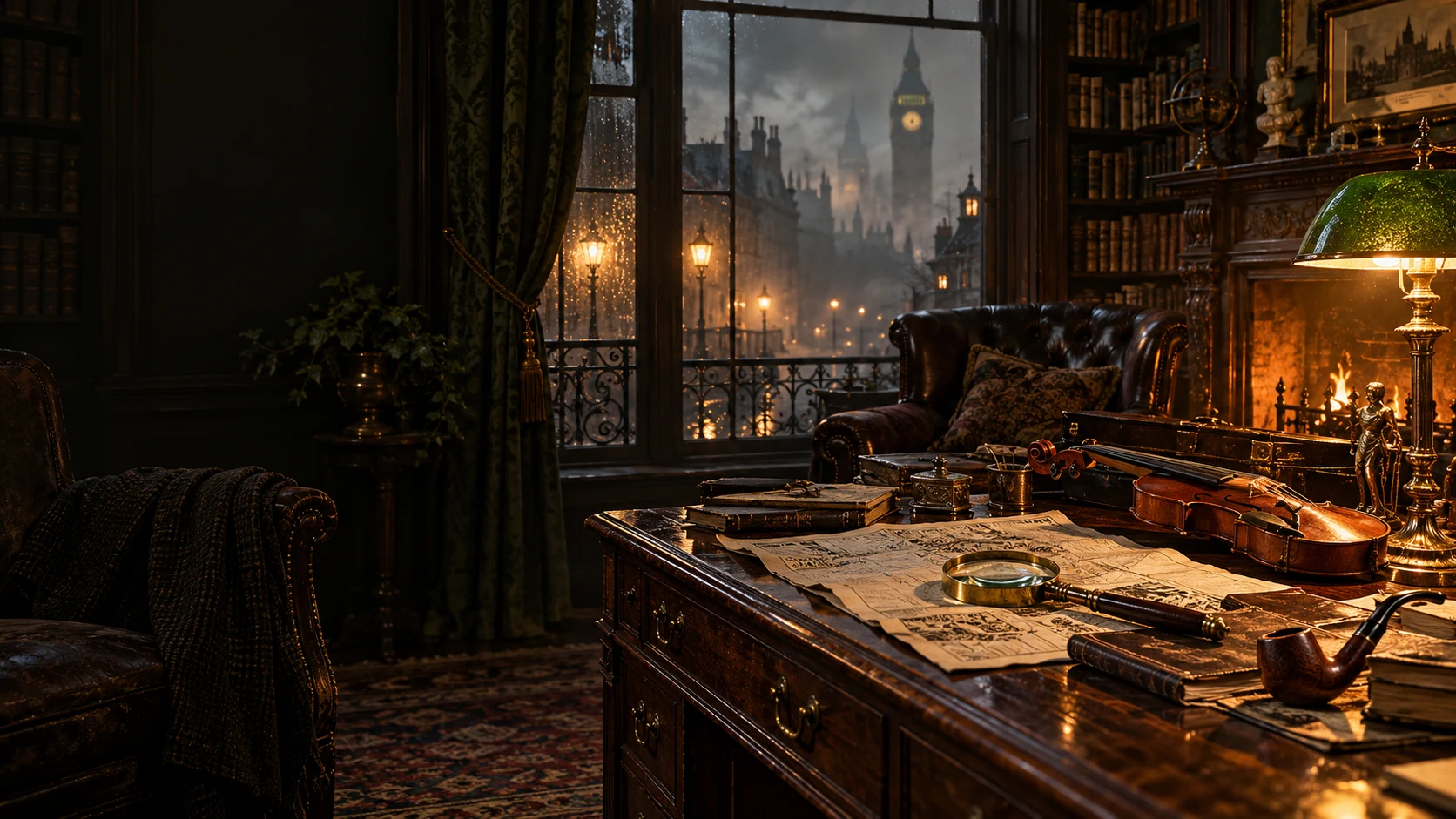
The Adventure of the Blue Carbuncle appears in The Adventures of Sherlock Holmes. It is a particularly useful December choice because the Christmas setting belongs to the workings of the case: a goose and a valuable jewel bring ordinary seasonal life into contact with crime. You do not have to turn a nonseasonal mystery into a Christmas recommendation simply because the weather is cold.
This guide keeps the culprit and resolution out of view. The opening objects are enough to explain the attraction. A hat invites observation; the goose leads toward a much less ordinary discovery; the investigation follows the movement of things between people. The story demonstrates how a small, apparently incidental object can become important when someone asks the right question.

Why the goose matters more than a festive decoration
A Christmas food becomes useful to a detective story because it belongs to a network of buying, giving and preparing. Objects move from person to person, and each transfer creates something that can be traced or misunderstood. The seasonal detail therefore does narrative work. It is not only a way to make Baker Street look picturesque for December.
As you read, distinguish an observation from the interpretation placed on it. A detective can notice a physical detail and then reason toward a possibility, but those are separate steps. The enjoyment lies partly in following the movement and partly in noticing where the reader has made assumptions of their own. An ordinary object can become strange simply because someone attends to it closely.
The story also creates a useful contrast between material value and apparent triviality. A jewel and an old hat do not arrive with the same social meaning, yet either can supply information. That is a good question for a reading group: which objects are characters inclined to dismiss, and what changes when the detective refuses to dismiss them?
A Christmas reading that still behaves like a mystery
If you are choosing for someone who dislikes overtly sentimental holiday plots, this is an inviting route into Christmas reading. It offers investigation and inference rather than requiring the reader to want a family reunion or a romantic reconciliation. The season still matters, but it does not replace the pleasures of a case.
Read the story before deciding how much of the opening to reveal to a group. The hat, goose and jewel establish the premise; the route and resolution should remain for readers to discover. A discussion can begin with how the objects enter the narrative and save questions about the ending until everyone has finished.
The Burglar and the Blizzard: A Christmas Story
The Burglar and the Blizzard offers a different seasonal crime-adjacent situation: an intruder and a Christmas encounter shaped by severe weather. Pair it with Holmes to compare a detective case with a compact suspense story. The books should not be expected to provide the same kind of puzzle.
A Reversible Santa Claus
A Reversible Santa Claus brings criminal habits into a comic Christmas Eve adventure. It changes the reader’s position by following the person caught in the trouble rather than treating every problem as a case for an investigator to solve.


Where to go after the goose
For related choices, see Christmas mysteries and suspense. For another surprising Holmes connection, read how Sherlock first appeared in a Christmas annual. Those are separate facts: the publication occasion of the detective’s debut and the festive setting of this particular case should not be confused.
Sources and further reading
Questions readers ask
Which Sherlock Holmes story is set around Christmas?
The Adventure of the Blue Carbuncle is the Christmas mystery involving a goose, a hat and a valuable jewel.
Which Pipcub book contains The Blue Carbuncle?
It appears in The Adventures of Sherlock Holmes. The collection also contains other cases that are not Christmas stories.