Decide whether the room wants warmth, laughter or a shiver
The same book will not suit every gathering. A quiet pair of readers may welcome a reflective essay; friends who enjoy suspense may want an unsettling tale; a mixed group may prefer a complete comic story. Ask about the mood before announcing a tradition that everyone is expected to enjoy. A Christmas title alone does not tell you what an audience is ready to hear.
Choose a complete selection wherever possible. If you use a chapter from a longer novel, give a brief introduction to the characters and the situation, then let the passage establish itself. Avoid spending so long explaining the whole book that the reading becomes an illustration of your summary rather than an experience in its own right.
The Wind in the Willows
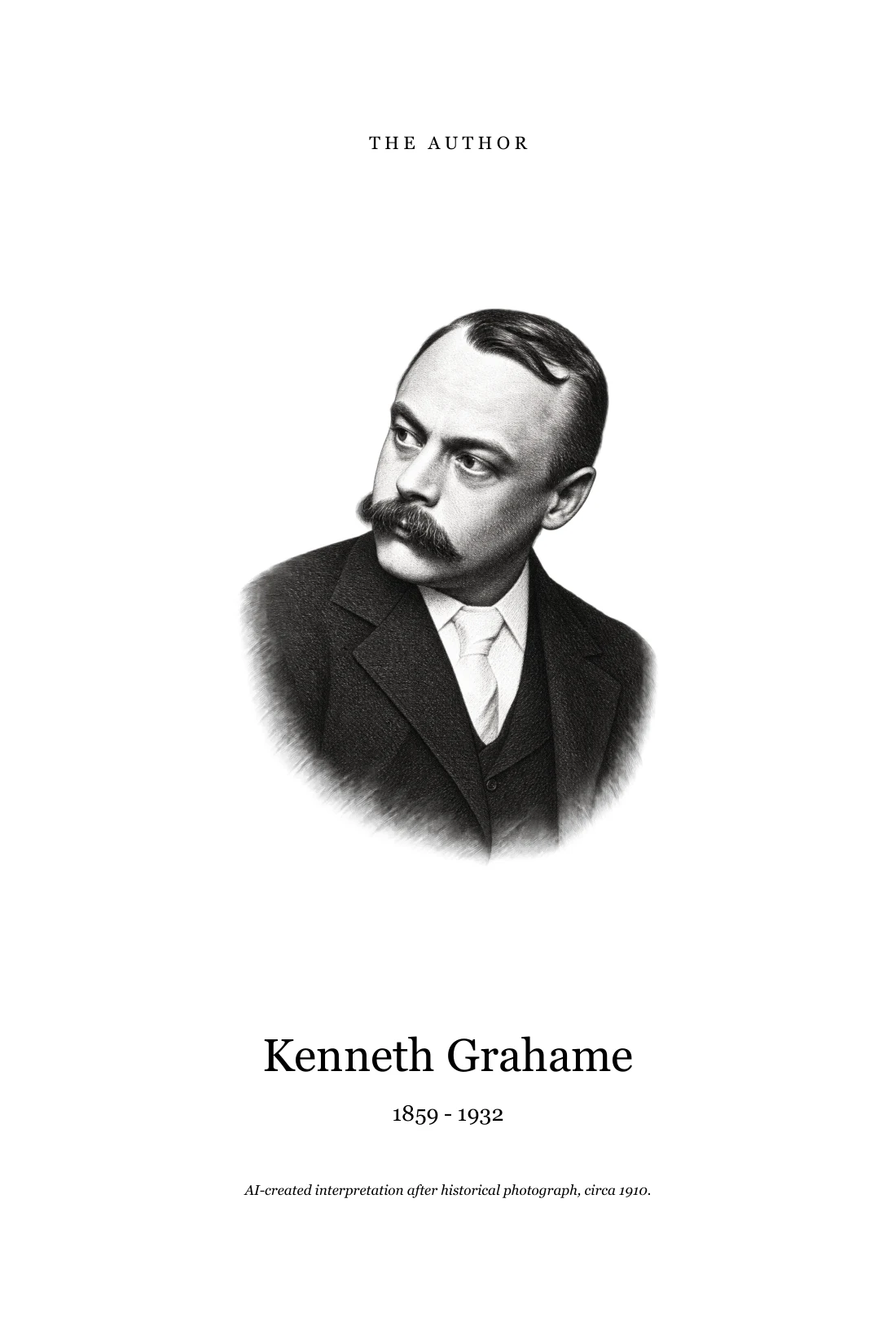
Dulce Domum, chapter five of The Wind in the Willows, offers Mole’s homecoming and carol-singing field mice. Choose it for an atmospheric, domestic reading that can stand as a seasonal visit within a larger novel. Introduce Mole and Rat briefly for listeners who do not know them.
Christmas at Thompson Hall
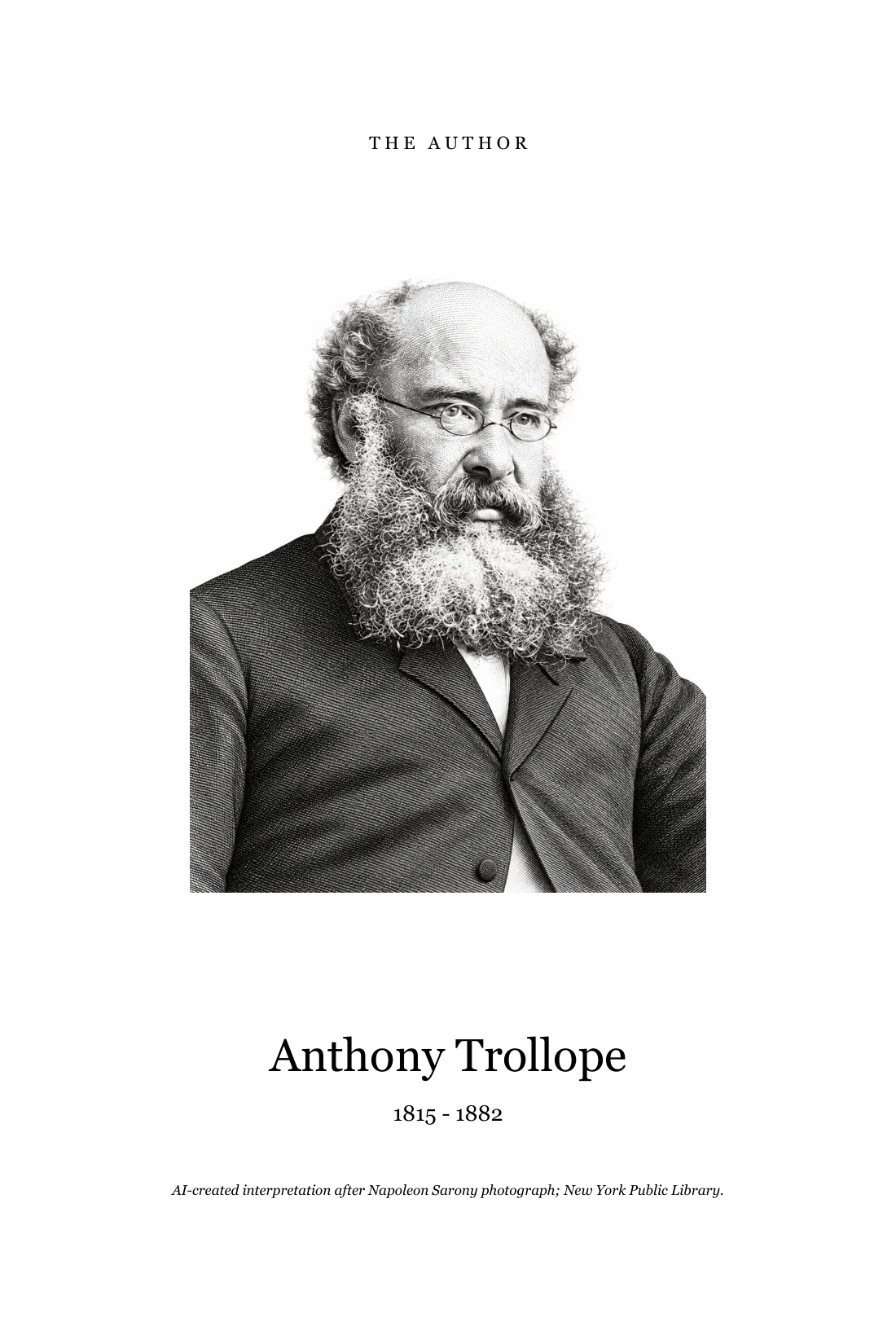
Christmas at Thompson Hall offers a compact comic narrative of a holiday journey and a social mishap. It suits listeners who enjoy embarrassment and observation. Rehearse the phrasing so that the characters have time to sound reasonable to themselves before the comedy gathers force.
Tales for Christmas Eve
Tales for Christmas Eve provides shorter uncanny selections for a group that wants suspense. Read the chosen tale in full beforehand and agree on the darker mood. A disturbing story can be satisfying when it is invited, rather than sprung on listeners expecting a gentle festive scene.


A poem or an essay can change the rhythm
A reading evening does not need to consist entirely of plots. A poem can concentrate the room’s attention; an essay can begin a conversation without asking anyone to remember a cast. Choose a contrast that serves the occasion. More variety is not automatically better if it prevents any piece from leaving an impression.
In the Yule-Log Glow, Book III: Christmas Poems from 'Round the World
In the Yule-Log Glow, Book III offers Christmas poems in varied moods. Select one that reads well aloud to you, then allow a pause afterward. Do not assume that a poem’s short appearance on the page means it should be rushed through between longer pieces.
Christmas Tales and Christmas Verse
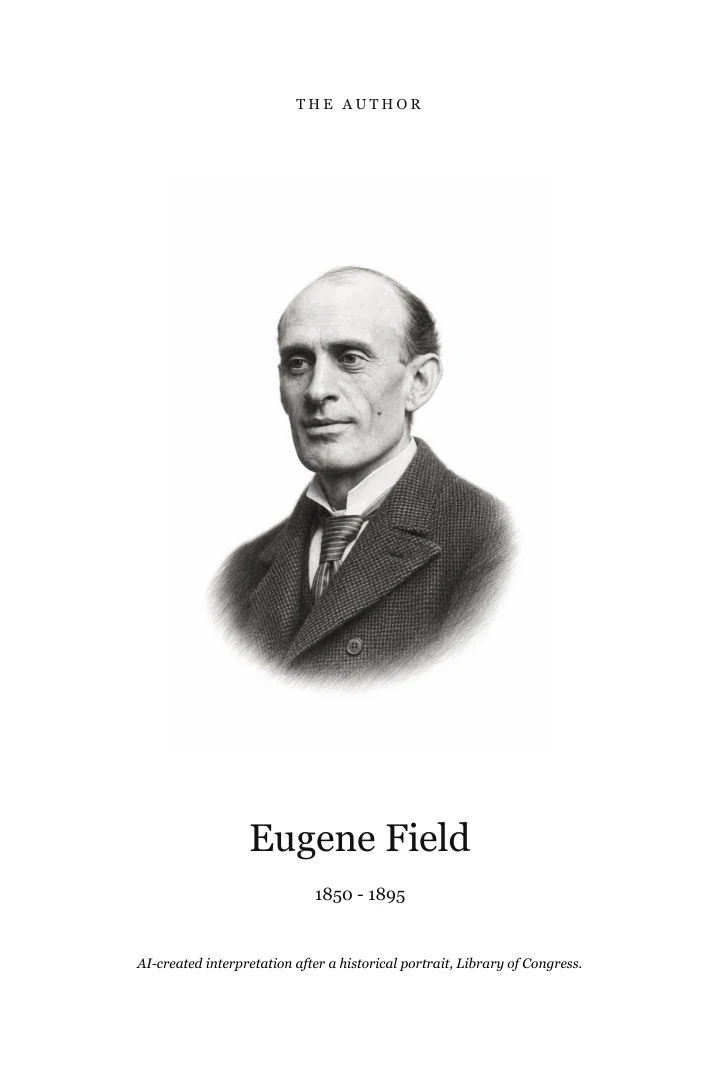
Christmas Tales and Christmas Verse gives prose and poetry from Eugene Field. It is useful when you want to compare two forms within one writer’s voice. Preview the religious and emotional tone of the particular selection rather than choosing only from its title.
By the Christmas Fire
By the Christmas Fire provides reflective essays with humane humor. Choose a passage or a complete essay that opens a question your listeners might enjoy. An essay can make a quieter ending than a dramatic finale, especially when the gathering is small.


Keep the practical plan small
Read the selection aloud privately to estimate the time. Silent reading is not a reliable guide to performance, and unfamiliar words may need a little preparation. Choose a comfortable place for the reader, make sure everyone can hear and leave room for anyone who prefers simply to listen. Elaborate staging is optional; clarity is not.
A simple sequence is one short opening piece, one longer story and an optional closing poem. It is equally valid to stop after the story. If people want to talk, ask what they noticed rather than requiring an interpretation from every person in turn. The reading should create company, not reproduce an examination.

Let the tradition change from year to year
Keep a note of what the group actually enjoyed. Next year, change one element: the mood, the form or the reader. Repetition can be part of a tradition without making every detail compulsory. A familiar chapter may gain meaning through return, while a new story can keep the gathering curious.
For a larger selection, browse Christmas short-story collections and Christmas poetry and fireside readings. If the group wants discussion as much as performance, use Christmas book-club picks. For the custom behind the darker choice, our Christmas ghost-story article provides a separate historical starting point.
Questions readers ask
How many pieces should I plan for Christmas Eve?
One complete story can be enough. If you want a sequence, try a short opening piece, one longer reading and an optional closing poem.
Should I preview a ghost story before reading it to a group?
Yes. Read it in full and agree on the mood, since a Christmas setting does not guarantee gentle or reassuring content.