
Make the calendar a pleasure rather than a quota
This is a secular reading countdown for December 1–24, not a liturgical schedule or a claim that every selection was written for Advent. Use books you already own, borrow where possible or choose only the volumes that interest you. The point is a small daily invitation, not the obligation to acquire or finish a large stack.
The plan uses seven books and mixes complete short pieces with parts of longer works. Reading times will vary, especially if you read aloud. Swap days, leave a catch-up evening or carry a selection into the next morning. A calendar that survives an ordinary busy day is more useful than one whose first missed session makes the whole project feel abandoned.
A Christmas Carol
Days 1–5: read one stave of A Christmas Carol each day. The five-part structure supplies a natural opening week, though the sessions are not equal in length. Notice how the story moves from Marley’s warning through the three Christmas spirits to the possibility of action afterward.
A Little Book of Christmas
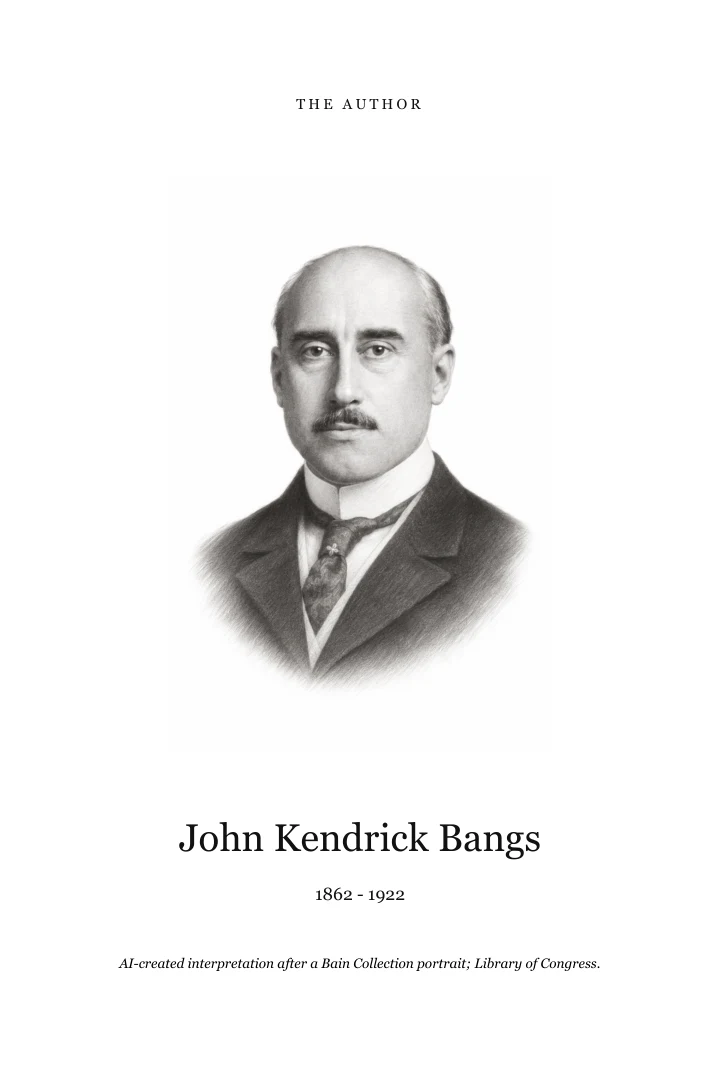
Days 6–9: read the four stories in John Kendrick Bangs’s A Little Book of Christmas, one per day. The sequence gives you a new situation at each session while keeping one writer’s voice. Note which opening most changes your expectations about the kind of Christmas story ahead.


Days 10–16: change the form and slow the pace
A change of form keeps the calendar from feeling like one continuous assignment. After two prose-centered weeks, a short imaginative piece or a poem can invite a different kind of attention. You do not need to fill the same number of minutes every day. A brief selection that you want to reread has already done useful work.
The Brownies and Other Tales
Days 10–12: choose Three Christmas Trees, Christmas Crackers and The Brownies from Ewing’s collection. The first two provide explicit seasonal starting points; The Brownies broadens the imaginative frame. The whole collection is not Christmas-only, which is part of the variety this calendar allows.
In the Yule-Log Glow, Book III: Christmas Poems from 'Round the World
Days 13–16: choose four poems from In the Yule-Log Glow, Book III, one for each day. Select by mood rather than page order. Read a poem twice if you wish, and notice what changes when you hear its rhythm after already knowing its subject.


Days 17–24: wishes, home and a return to a favorite
The last part of the countdown leaves room for lighter invention and a more reflective homecoming. It also includes an intentional reread. A good calendar need not deliver something entirely new at every opening; returning to a favorite passage can show what the month’s other reading has made you notice.
Christmas Every Day and Other Stories
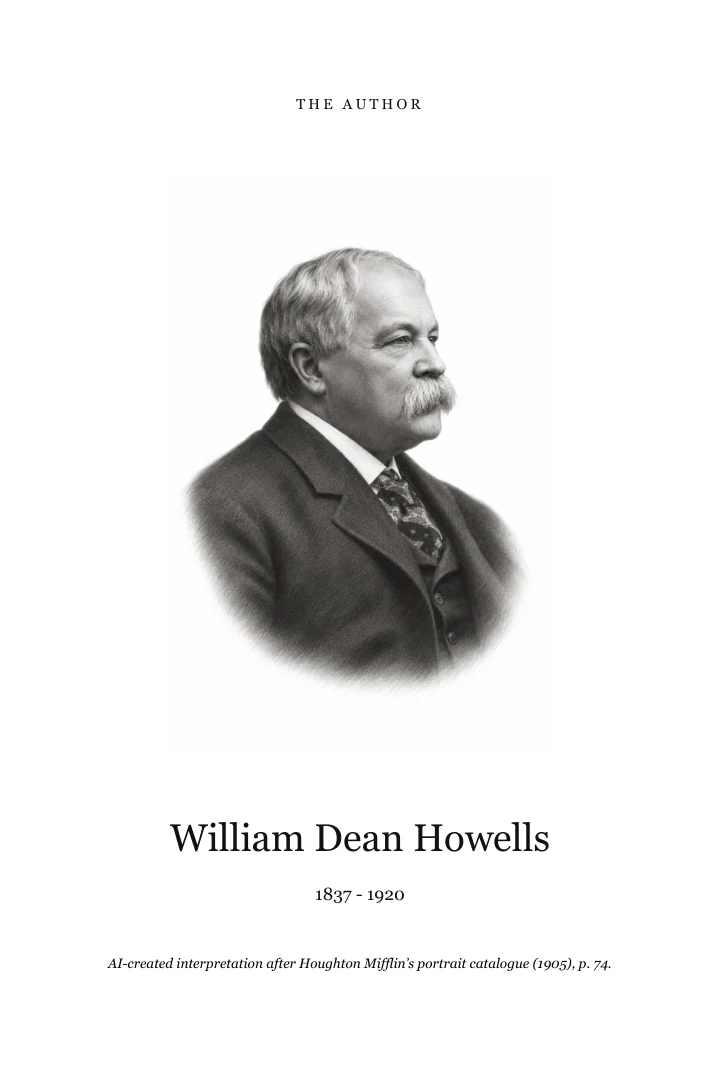
Days 17–20: read Christmas Every Day, then choose further stories from Howells’s collection or revisit the title story across the remaining sessions. These are flexible selection days, not a claim that the volume contains exactly four Christmas tales. Use the wish premise to ask what makes a special day special.
The Wind in the Willows
Day 21: read Dulce Domum, chapter five of The Wind in the Willows. Mole’s homecoming and the carol-singing field mice provide a contained seasonal pause within a larger novel. A brief introduction to Mole and Rat is enough for listeners unfamiliar with the book.
The Romance of a Christmas Card
Days 22–23: divide The Romance of a Christmas Card at a convenient section boundary, then finish it the following day. Let memory, home and reconciliation give the calendar a quieter closing movement. On day 24, reread a favorite passage from any book in the plan.


Adapt it to the people who will actually read
For a household, let different readers choose the poetry days. For a solo project, keep one sentence about each selection instead of a detailed journal. For a group, meet once at the end and discuss the piece you most want to share, not who completed the most pages. The plan should make room for attention rather than reward speed.
Readers seeking explicitly devotional practice can use Christian Christmas and Advent books instead. For shorter independent choices, see Christmas story collections. If the countdown inspires a gathering, our Christmas Eve read-aloud guide helps turn a few favorites into an evening without attempting to perform the entire month.
Questions readers ask
Do I need to buy twenty-four books?
No. This flexible plan uses seven books and includes selections and rereading. You can adapt it around books you already own or borrow.
Is this a religious Advent devotional?
No. It is a December 1–24 literary countdown. For explicitly devotional reading, use the separate Christian Christmas and Advent guide.