Choose the conversation before the book
Ask what your group enjoys discussing. Some readers want competing interpretations; others prefer a clear moral situation or a lively disagreement about a character. December also changes how much time people can commit. A short book may be the right choice, but short does not automatically mean simple or cheerful.
The selections below are arranged around questions rather than a claim that every group should read the same seasonal favorite. Agree on the work and, for a collection, the particular story in advance. Give everyone a chance to know whether the choice includes family distress, social criticism or an unsettling atmosphere before it becomes the surprise subject of a festive gathering.
The Christmas Angel
The Christmas Angel: what changes when a discarded toy becomes meaningful to someone else? Ask whether the giver’s intention or the recipient’s experience matters more. The compact story makes a useful discussion about how objects move between lives and how assumptions about generosity can change.
The Prodigal Village: A Christmas Tale
The Prodigal Village: can a community change its values, or only its individuals? The village setting widens the familiar second-chance question beyond one isolated person. Discuss what material ambition rewards and what the story asks its characters to notice instead.
The Upas Tree: A Christmas Story for all the Year
The Upas Tree: what does an ambitious person owe to a shared life? Ronald and Helen’s relationship creates a more demanding conversation about attention and selfishness. Choose it for a group comfortable discussing the work of understanding another person, not only the appeal of a festive romance.
Christmas at Thompson Hall
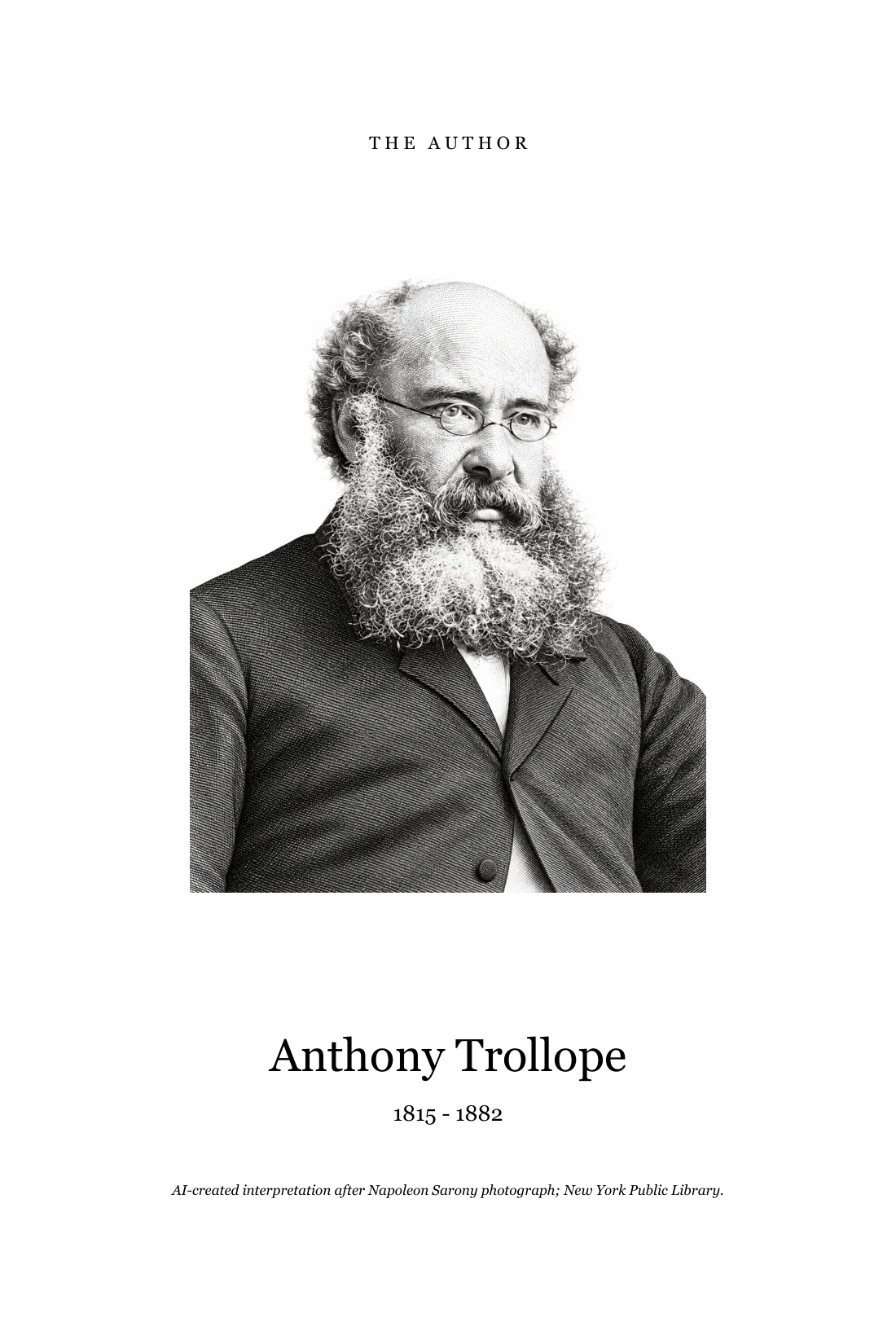
Christmas at Thompson Hall: when does trying to preserve dignity make a mistake worse? Trollope’s farce offers a lighter evening without leaving nothing to discuss. Compare what the characters know, what they assume and why an explanation can be harder than the original mishap.


When your group wants a less comfortable Christmas
A seasonal meeting does not have to end with universal reassurance. Some works use the expectation of goodwill to expose a failure of care or a difficult family relationship. Those books can produce a strong discussion when the group chooses them knowingly. A title containing Christmas is not a content promise.
Elsie: A Christmas Story
Elsie: A Christmas Story questions comfortable ideas of charity and respectability through lives at the margins. Choose it for a somber conversation about the difference between feeling benevolent and understanding another person’s circumstances. It is not the lightest choice for a celebratory meeting.
The Coming of Peace: A Family Catastrophe
The Coming of Peace: A Family Catastrophe uses a Christmas Eve reunion to expose old wounds. The dramatic form makes speech and confrontation central. Ask whether the promise of reconciliation is helped or made harder by the expectation that a family should come together harmoniously.
The Chimes
The Chimes places a poor porter inside Dickens’s New Year supernatural vision. Compare the social judgments in the story with those in A Christmas Carol. Trotty’s different position gives the group a way to move beyond simply repeating familiar observations about Scrooge.


A meeting plan that leaves room for disagreement
Begin with a scene each reader remembers, then move to one central question. Ask people to point to a detail rather than defend a general impression of the author. If the conversation divides, identify the assumption behind each reading: what counts as generosity, what makes a change believable, or whose perspective deserves more space?
Leave time for the ending, but do not make it the only subject. The route toward an apparent resolution may be more complex than a quick judgment about whether it is happy. If you choose a collection, comparing two selected stories can be more manageable than asking everyone to account for every piece.
For a broader starting shelf, see Christmas classics. For shorter commitments, use short Christmas books. Groups wanting to understand the darker choices before deciding can consult Christmas books that are not always cozy, where atmosphere and difficulty are part of the recommendation.
Questions readers ask
What makes a good Christmas book-club book?
Choose a work with a question your group wants to discuss and a length people can manage. Seasonal atmosphere alone does not guarantee a rewarding conversation.
Which choice is best for a lighter discussion?
Christmas at Thompson Hall offers comic embarrassment and questions about appearances. The Christmas Angel provides a short, more reflective conversation about giving.