If you love boarding school books, the place to begin is Tom Brown’s School Days. Published in 1857, it set out most of the rules the genre still follows: the nervous new boy, the bully, the loyal friend, the wise headmaster and the big match. Kipling’s Stalky & Co. answered it forty years later with three boys who break every rule, and Burnett’s A Little Princess took the story to a girls’ school in London.
Much of what readers love about Hogwarts, from the new arrival finding their feet to the rivalries and the sense of a world with its own laws, goes back to these Victorian and Edwardian books. Here is where the school story began, and which of these books suit which readers.
The first great boarding school books
Tom Brown's School Days
1857. Tom’s years at Rugby under the real headmaster Thomas Arnold, from fights and football to the cruel Flashman. The book that created the school story.
Stalky & Co.
1899. Three schoolboys at a college in Devon outwit masters and bullies alike. Funny, anarchic and drawn from Kipling’s own schooldays.
A Little Princess
1905. Sara Crewe goes from favourite pupil to servant girl at Miss Minchin’s London seminary. A boarding school story with a fairy-tale heart.
Dave Porter and His Rivals
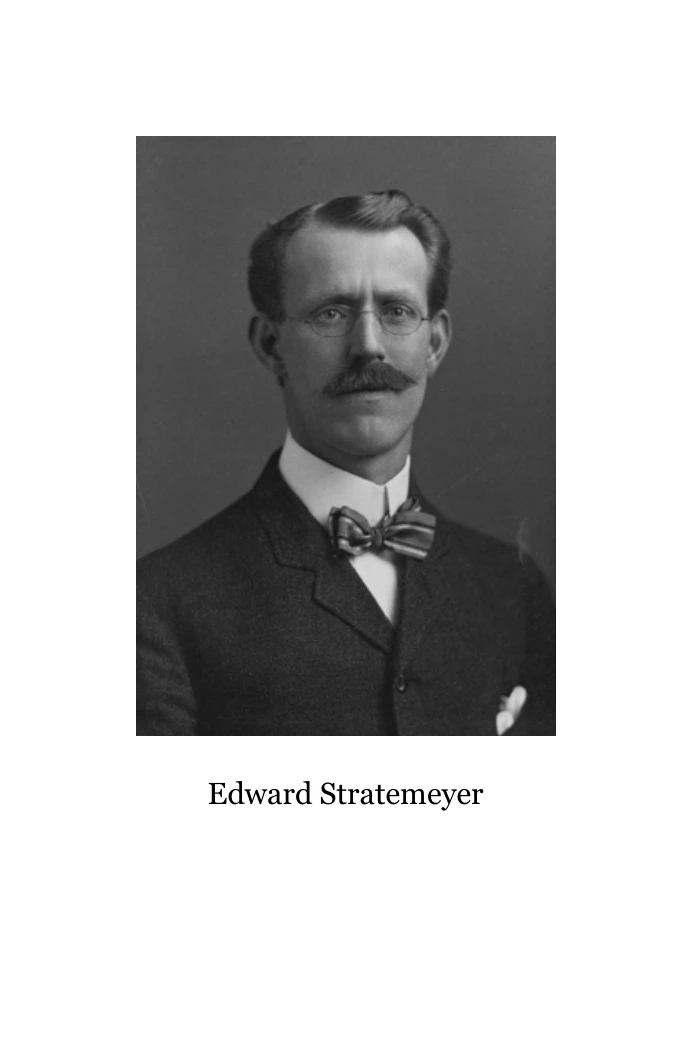
One of Edward Stratemeyer’s Dave Porter books, full of the friendships and feuds of Oak Hall. An American school story built for readers who wanted the next instalment.
Little Men
1871. Jo March, now grown up, runs a lively school for boys at Plumfield. Kinder than most fictional schools, and a fine follow-on from Little Women.
Jane Eyre
1847. For older readers. Jane’s years at Lowood, a harsh charity school, fill the early chapters and are among the most famous school scenes in English fiction.



Tom Brown’s School Days: where the school story began
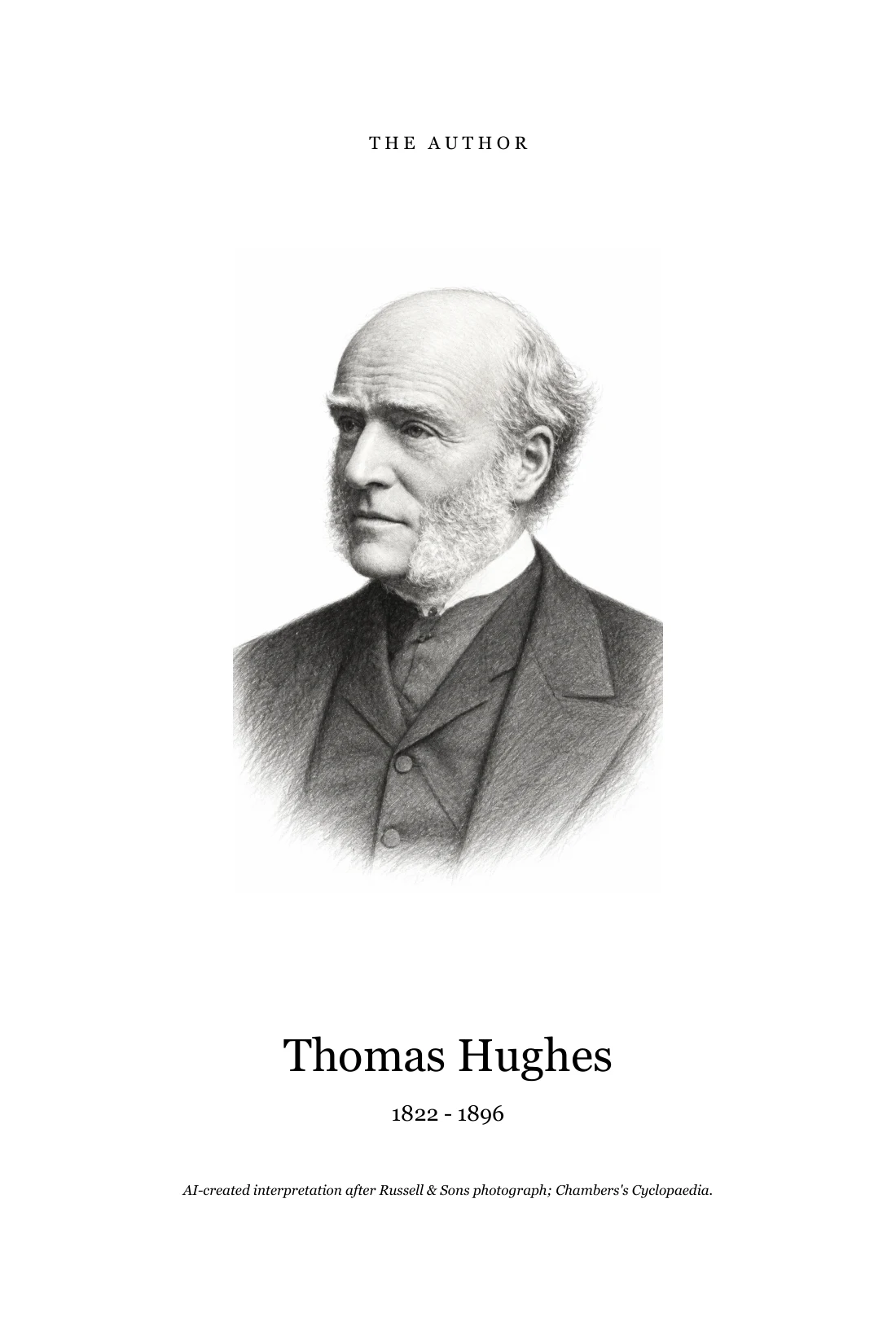
Thomas Hughes went to Rugby School himself, under its famous headmaster Thomas Arnold, and Tom Brown’s Rugby is a fond portrait of it. Tom arrives as a small boy from the country, learns the unwritten rules of the place, survives a vicious bully and grows into a responsible young man. The long football match, the dormitory life and the heroic headmaster became the template for a century of school stories.
Hughes wrote for adults as much as for children, and the book can be preachy. It is also violent in places: Flashman’s bullying includes holding Tom in front of a blazing fire, a scene many readers find shocking. Confident readers of eleven and up will manage it; younger ones may like an adult to read it with them and skim the sermons.
Stalky & Co.: the rebels’ reply
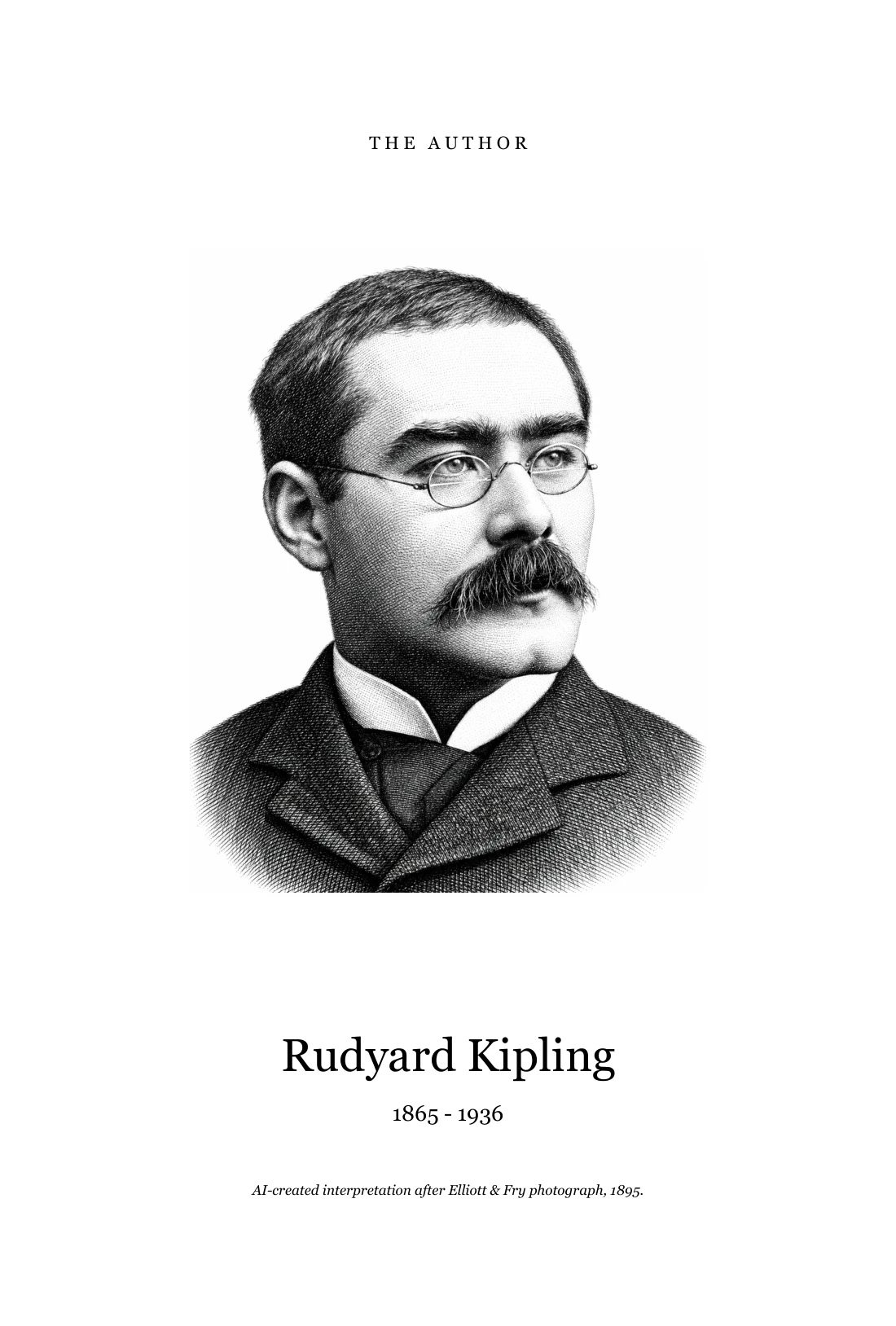
Rudyard Kipling was a pupil at the United Services College at Westward Ho! in Devon, and Stalky, M’Turk and Beetle are drawn from his own schooldays, with bookish, bespectacled Beetle standing in for Kipling himself. Where Tom Brown wants to be good, Stalky and his friends want to win. They take on masters, prefects and rival boys with ingenious and often merciless schemes.
It is a very funny book, but it belongs to its time. Beatings are routine, some of the boys’ revenge is cruel, and the stories take for granted that the pupils are being trained to run an empire. Teenagers enjoy its wit most; it suits twelve and up better than younger readers.
Girls’ boarding school stories
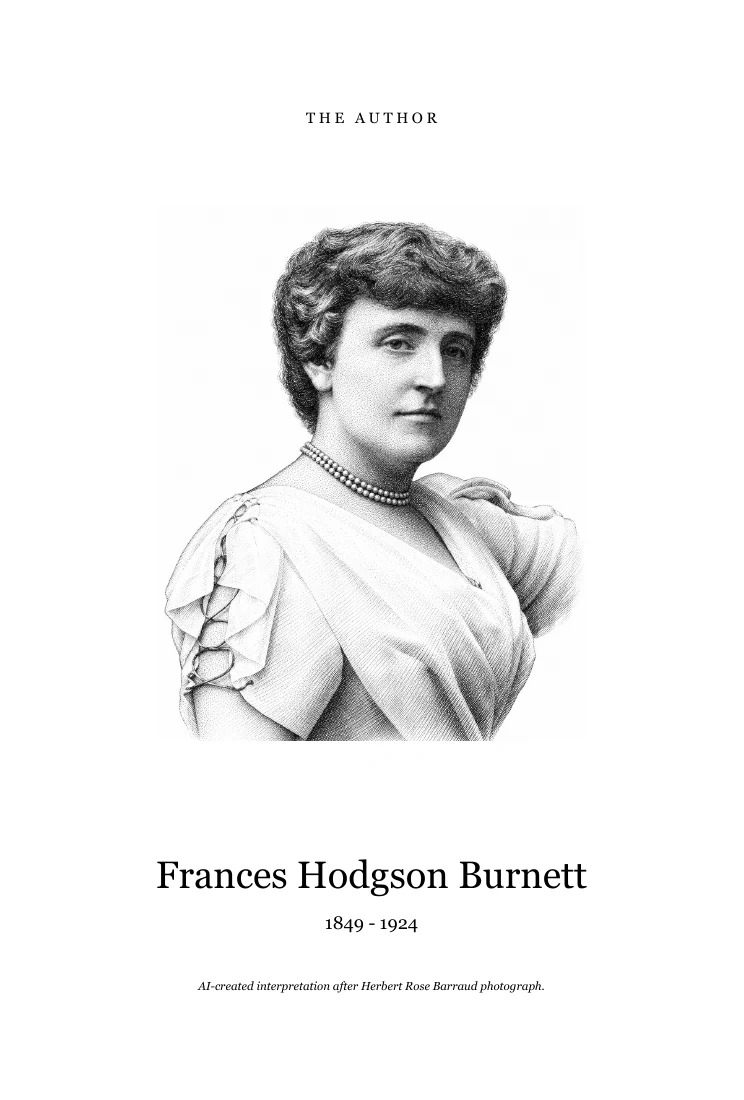
Girls’ schools were often grimmer in fiction. A Little Princess begins with Sara Crewe as the star pupil of Miss Minchin’s select seminary, then sends her to the attic as a drudge when her father dies and his fortune is lost. Frances Hodgson Burnett gives Sara her imagination as her only defence, and it turns out to be enough. Readers of eight and up can manage it alone.
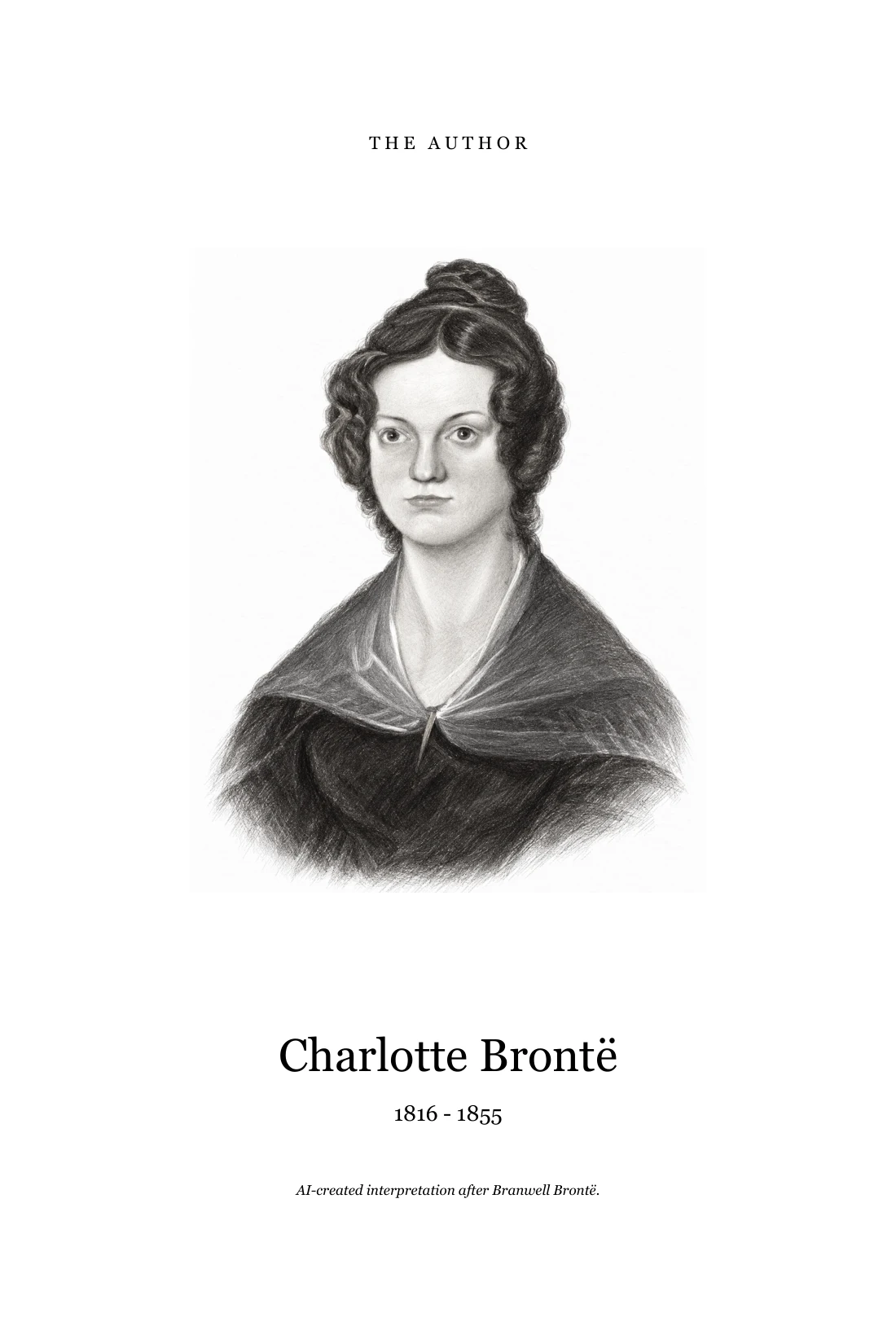
For older readers, the opening of Charlotte Brontë’s Jane Eyre shows a far harsher school. Lowood is cold and hungry, and disease sweeps through it. Brontë drew it from the Clergy Daughters’ School at Cowan Bridge, where her two eldest sisters fell ill; both died soon after being brought home.
Plumfield and Oak Hall: American school stories
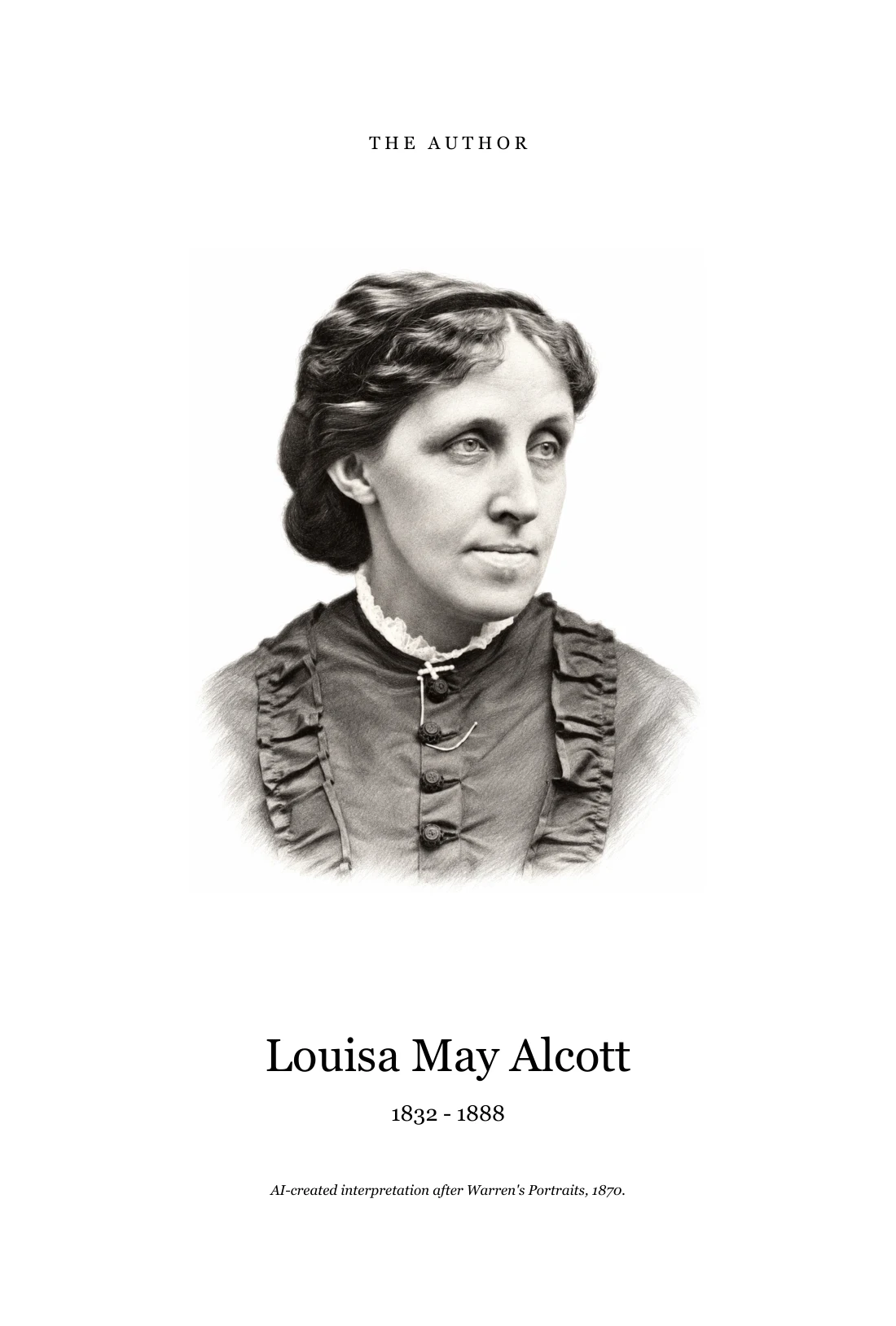
Not every fictional school is a battleground. In Little Men, Jo March and her husband run Plumfield as a happy, untidy place where boys learn by doing. Louisa May Alcott was the daughter of an educational reformer, and her school is full of pillow fights, pets and second chances.
Edward Stratemeyer wrote the Dave Porter series about life at Oak Hall, full of sport, practical jokes and boys who do not get on. Stratemeyer’s syndicate later launched the Hardy Boys and Nancy Drew, and you can see his instinct for a series at work here. Like many stories of its era, it reflects the assumptions of its time.
Which boarding school book should you start with?
- Ages 8–10: A Little Princess or Little Men.
- Ages 10–12: Tom Brown’s School Days, perhaps with an adult skipping the sermons, or a Dave Porter story.
- Teenagers: Stalky & Co., for its comedy and its edge.
- Older teenagers and adults: the Lowood chapters of Jane Eyre.
For more on how these books came about, see our post on the golden age of children’s literature, and browse the children’s shelf. And if a Hogwarts fan asks you where it all started, hand them Tom Brown’s School Days and tell them to look out for Flashman.
Questions readers ask
What was the first boarding school novel?
Tom Brown’s School Days (1857) is usually credited with establishing the school story, though earlier tales of school life exist, such as Sarah Fielding’s The Governess (1749).
Are there classic boarding school books like Harry Potter?
Yes. Tom Brown’s School Days, Stalky & Co. and A Little Princess all share the boarding school setting, and many of the genre’s familiar elements, from bullies to loyal friends, begin with them.
Is Tom Brown’s School Days suitable for children?
It suits confident readers of about eleven and up. It includes bullying and fights, and the narrator often stops to moralise, so younger readers may prefer to share it with an adult.