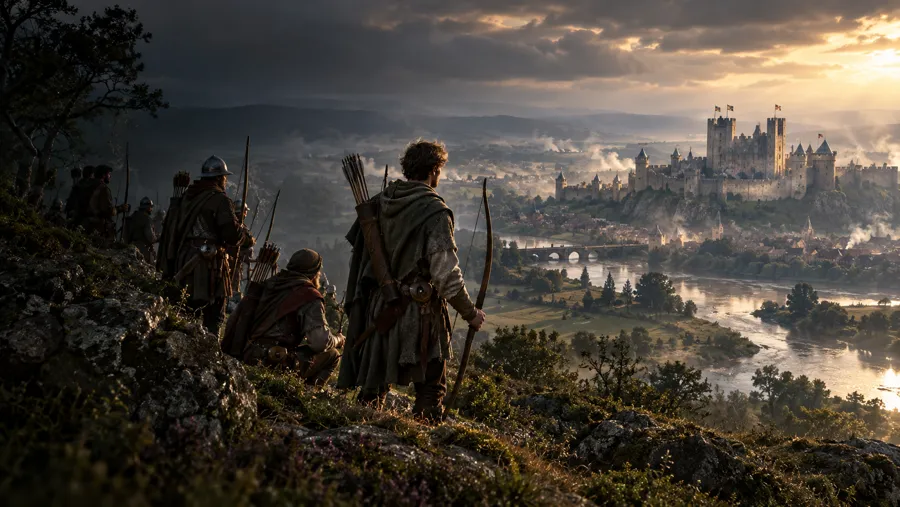
What did Brigadier Gerard do to make the whole of Wellington’s army hate him? He killed a fox. Behind the British lines in Portugal, he stumbles into an English hunt, outrides three hundred English huntsmen, draws his sabre and cuts the fox in two, then salutes and gallops off, delighted to have beaten the English at their own sport. He goes to his grave never understanding why the story made him “the most unpopular man in the Peninsula”.
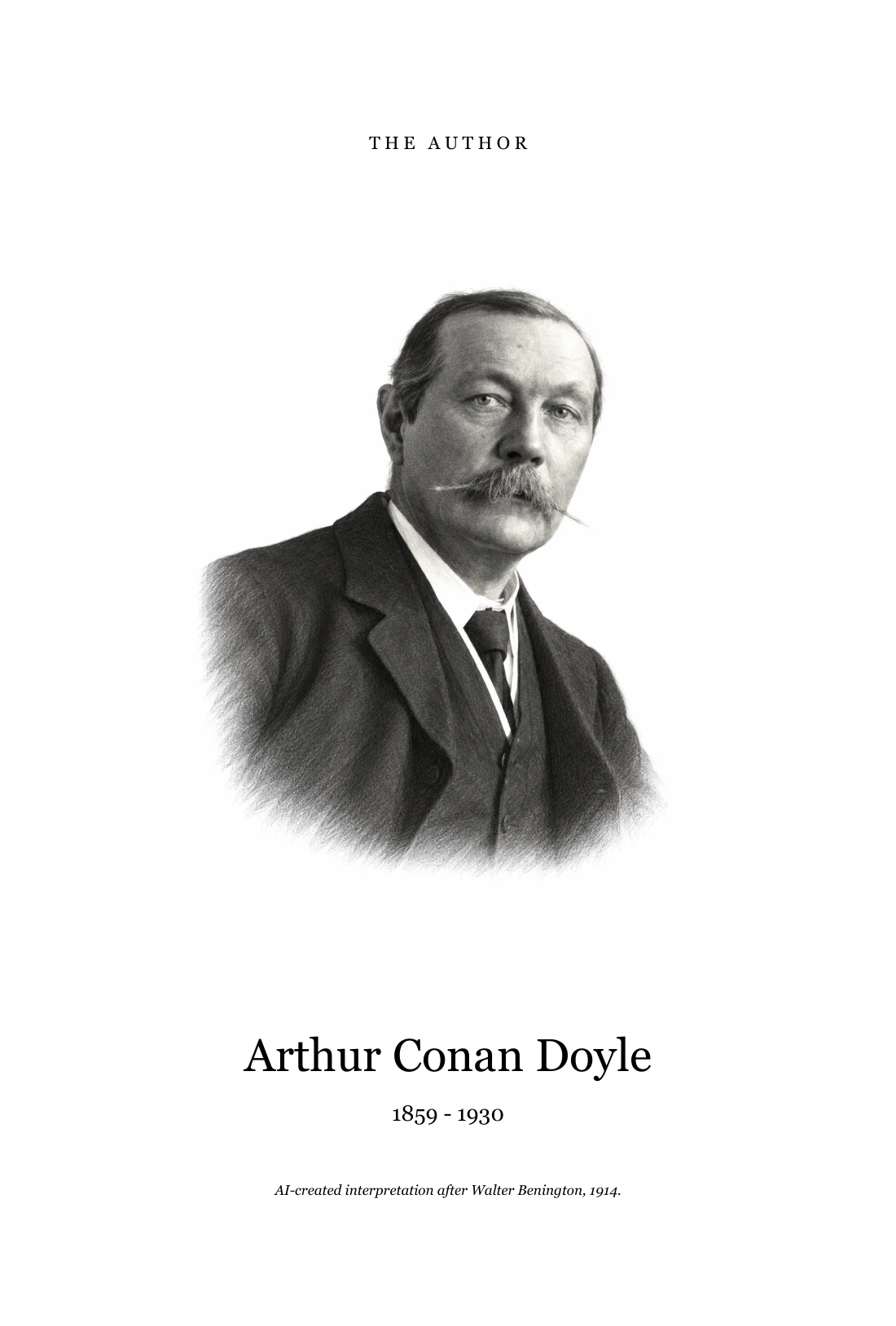
That, in one episode, is the joy of the Brigadier Gerard stories. Arthur Conan Doyle wrote seventeen of them, collected mostly in The Exploits of Brigadier Gerard (1896) and The Adventures of Gerard (1903), and they are narrated by Gerard himself, now an old man holding forth in a Paris café between dinner and dominoes. He is the hero of every tale. He is also, quite often, an idiot.
What are the Brigadier Gerard stories?
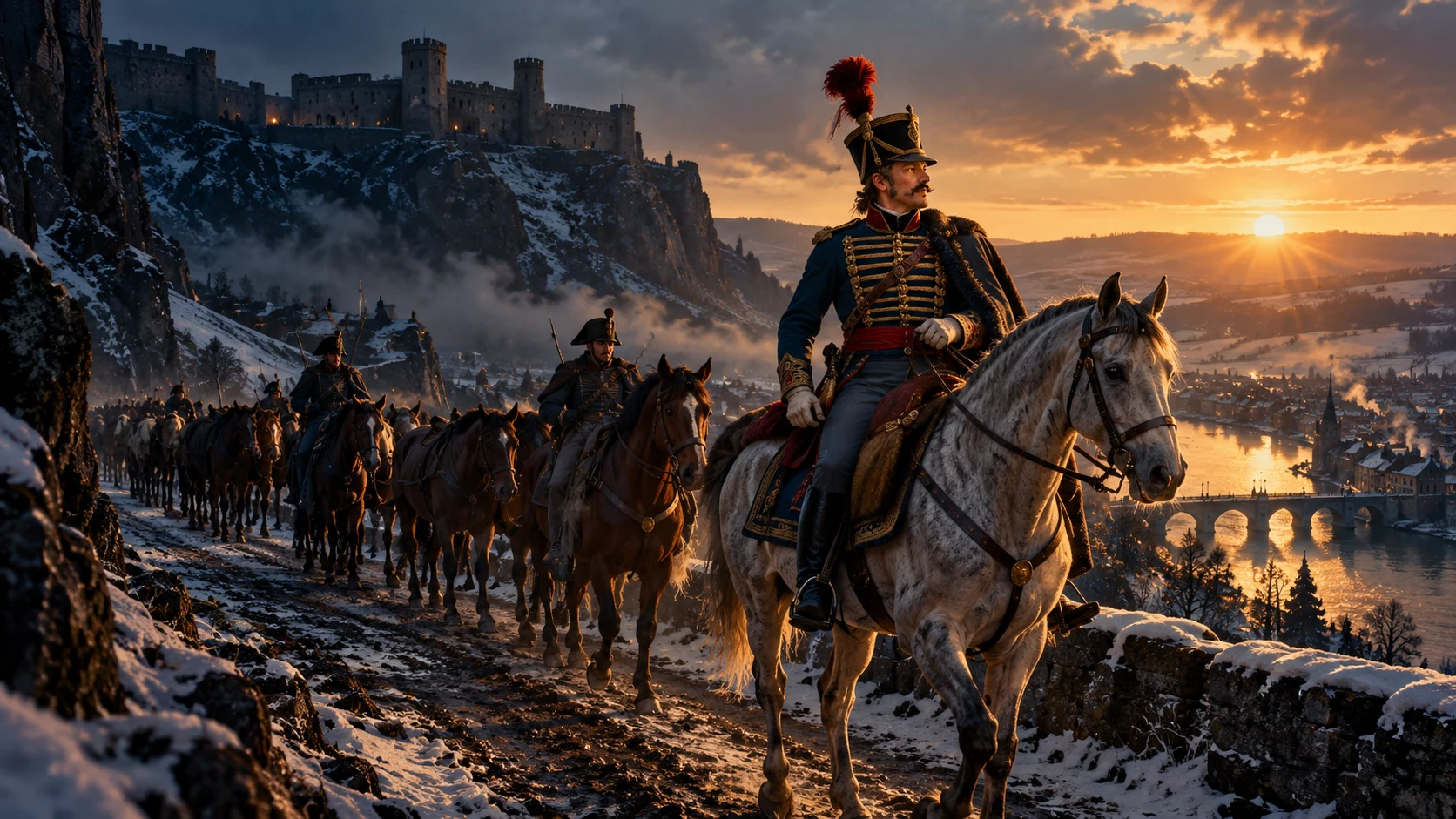
Etienne Gerard is a hussar in Napoleon’s army, rising to brigadier in the long wars that ended at Waterloo. He is a superb horseman and swordsman, utterly loyal to the Emperor and quite certain that every woman in Europe is in love with him. His adventures take him from Spain and Portugal to Venice, eastern Poland, the Russian winter and even England, usually on some secret errand that he gets magnificently, comically wrong before getting it right.
Here is how he introduces himself in the very first story.
You do very well, my friends, to treat me with some little reverence, for in honouring me you are honouring both France and yourselves.
Arthur Conan Doyle, The Exploits of Brigadier Gerard (1896)
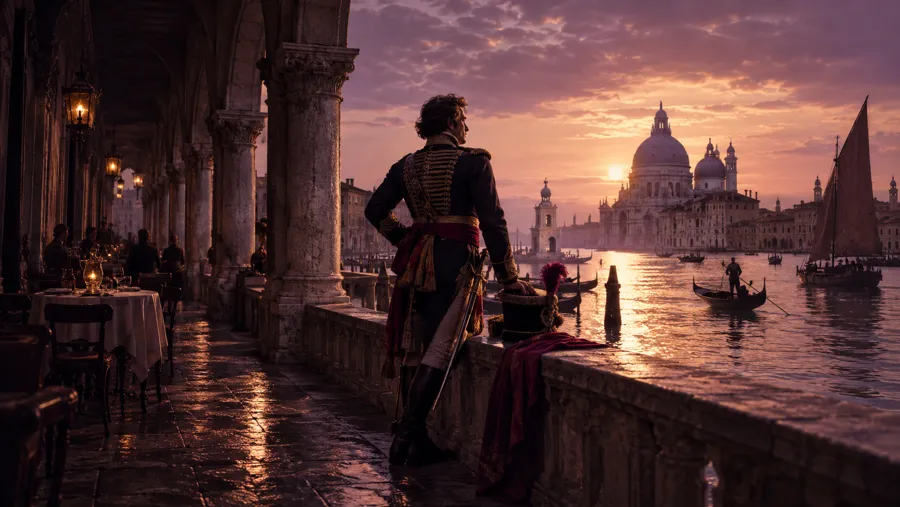
The Brigadier Gerard books in order
Read the two collections in publication order. The stories inside them do not run strictly in the order of Gerard’s career, but each is complete, and Doyle’s portrait of his hero deepens as you go.
- $13.99
The Exploits of Brigadier Gerard
1896. Eight stories from The Strand, from a gloomy castle to a cavalry duel to the tale of how Gerard won a medal. Begin here: this is where Doyle discovers how funny his hero can be.
- $13.99
The Adventures of Gerard
1903. Eight more, including the fox hunt, Saragossa, the ride to Minsk, Waterloo and one last errand for the exiled Emperor. Warmer and more elegiac, ending with the old soldier looking back.


Why is Gerard so funny?
Because he is the one person in the stories who cannot see himself. Doyle gives him total confidence and a narrator’s monopoly, so every boast arrives with a little gap beside it, and the reader fills the gap. Gerard reports compliments he has misunderstood, insults he has taken as praise, and disasters he describes as triumphs. Yet he is genuinely brave, honest and kind, and by the end you like him enormously, which is a harder trick than it looks.
Even Napoleon gets the joke. At the end of “How the Brigadier Won His Medal”, the Emperor tells a marshal that he believes “if he has the thickest head he has also the stoutest heart in my army.” Gerard records the line with pride, and it is the best summary of him ever written.
When were the Brigadier Gerard stories published?
The first eight ran in The Strand Magazine from December 1894 to September 1895, a year after Doyle had sent Sherlock Holmes over the Reichenbach Falls. The later stories followed in The Strand from 1900 to 1903. The fox-hunting tale had already been collected in Doyle’s The Green Flag and was added to The Adventures of Gerard so that, as Doyle put it in a note, all the Gerard stories might appear together.
A seventeenth story, “The Marriage of the Brigadier”, came in 1910, too late for either book. Gerard also plays a supporting role in Doyle’s Napoleonic novel Uncle Bernac (1897).
Gerard and Flashman
Readers of George MacDonald Fraser’s Flashman novels will recognise the method: a boastful soldier telling his own story, revealing more than he knows. Fraser named Gerard as a major inspiration, though Flashman is a coward pretending to be a hero, and Gerard is a hero who has no idea he is also a clown. We look at Flashman’s other source in Did you know Flashman began in Tom Brown’s School Days?
Brigadier Gerard on screen
Gerard has been filmed several times: a 1915 silent film with Lewis Waller, The Fighting Eagle (1927) with Rod La Rocque, and Jerzy Skolimowski’s The Adventures of Gerard (1970) with Peter McEnery. None has displaced the stories, which depend on hearing Gerard’s voice.
For more of Doyle beyond Baker Street, see Professor Challenger and Did you know Arthur Conan Doyle didn’t think Sherlock Holmes was his best work?. If the cavalry charges appeal, Swashbuckling classics has plenty more.
Pull up a chair in the café and let the old man talk. The Exploits of Brigadier Gerard begins with a ride to a castle of gloom, and by the end of the first story you will be laughing at him and cheering him in the same breath.
Questions readers ask
How many Brigadier Gerard stories are there?
Conan Doyle wrote seventeen. Sixteen are collected in The Exploits of Brigadier Gerard (1896) and The Adventures of Gerard (1903); the last, The Marriage of the Brigadier, appeared in 1910.
What order should I read the Brigadier Gerard books in?
Start with The Exploits of Brigadier Gerard (1896), then read The Adventures of Gerard (1903). Each story is complete in itself.
Was Brigadier Gerard based on a real soldier?
Gerard is imaginary, but Conan Doyle based the background on real Napoleonic memoirs, above all those of the cavalry officer Marbot.
 The Adventures of Sherlock Holmes254 pages · $15.99
 The Hound of the Baskervilles154 pages · $12.99
 A Study in Scarlet112 pages · $11.99
 The Lost World180 pages · $13.99