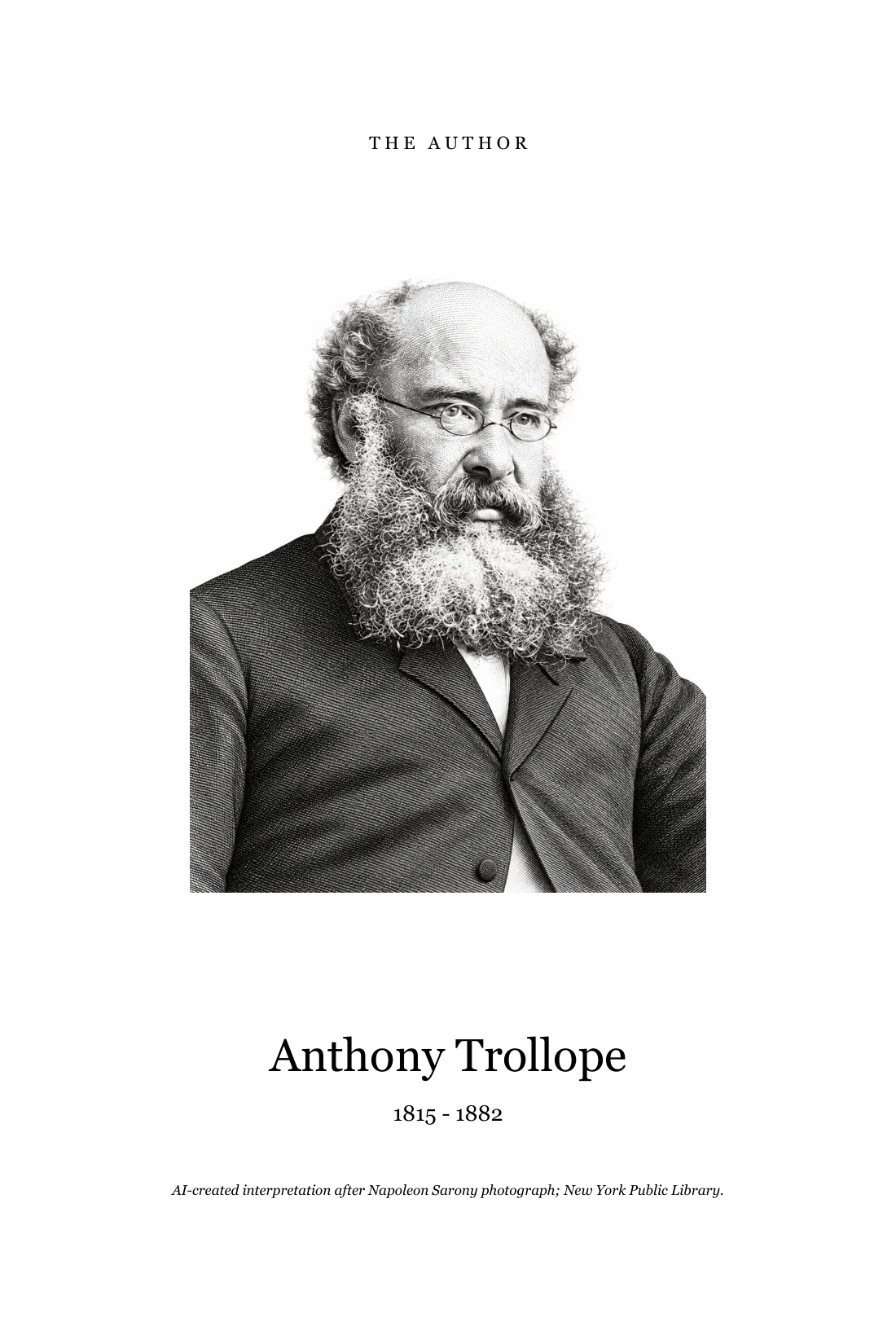
In Union Street, St Peter Port, there is a pillar box that has been receiving letters since the 1850s, among the oldest in use anywhere in the British Isles. It exists because a Post Office official on a survey of the Channel Islands recommended that the islands try roadside iron pillars for posting letters. That official was Anthony Trollope.
Trollope was not the inventor of the street letter box; he may have seen something similar in Paris. But he pressed for it, the first four boxes went up in St Helier, Jersey, in November 1852, and Guernsey followed early the next year. The idea reached the mainland in 1853 and London in 1855. Years later he claimed the credit himself.
that pillar letter-boxes should be put up for them (of which accommodation in the streets and ways of England I was the originator, having, however, got the authority for the erection of the first at St. Heliers in Jersey)
Anthony Trollope, An Autobiography (1883)
How did Trollope write so much while working for the Post Office?
He joined the General Post Office as a junior clerk in 1834, at nineteen, and by his own account did badly for years. His career turned in 1841, when he took a post as a surveyor’s clerk in Ireland, and it was there he began writing novels. He did not resign from the Post Office until 1867, by which time he had published around twenty novels and was one of the best-known novelists in England.
The secret was method. Trollope tells us that he was at his desk at half past five every morning, with his watch in front of him, and that he expected of himself 250 words every quarter of an hour. An old groom was paid £5 a year extra to wake him and bring coffee, and Trollope wrote that he owed more to him than to anyone else for his success. By the time he dressed for breakfast, the day’s writing was done.
Where should you start with Anthony Trollope books?
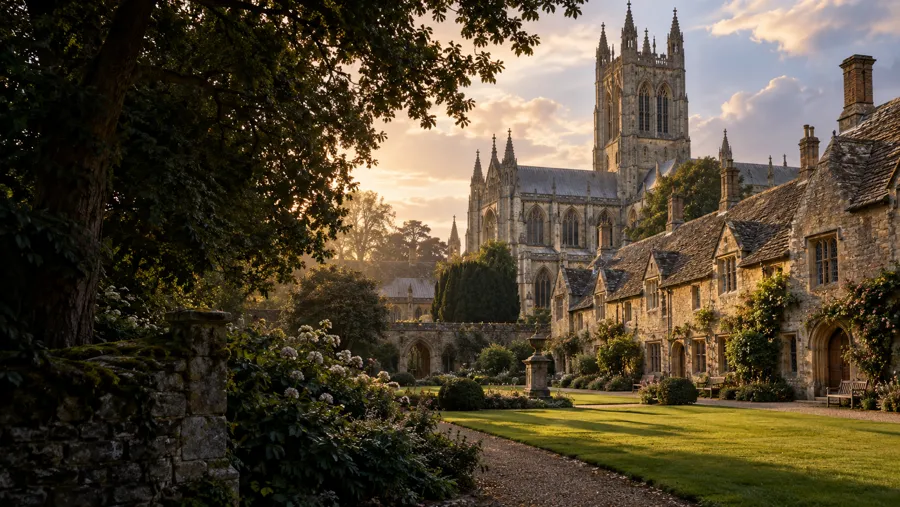
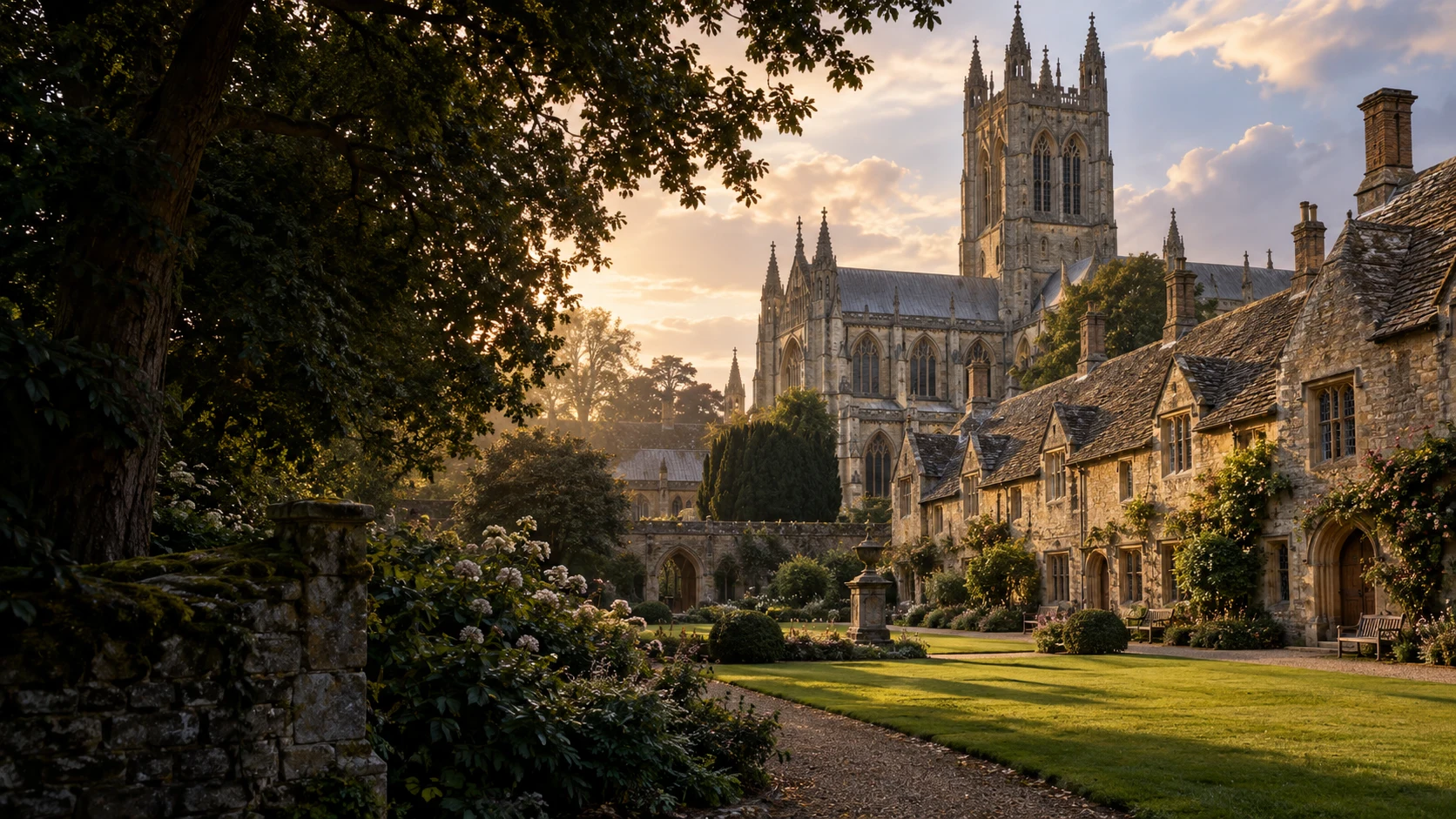
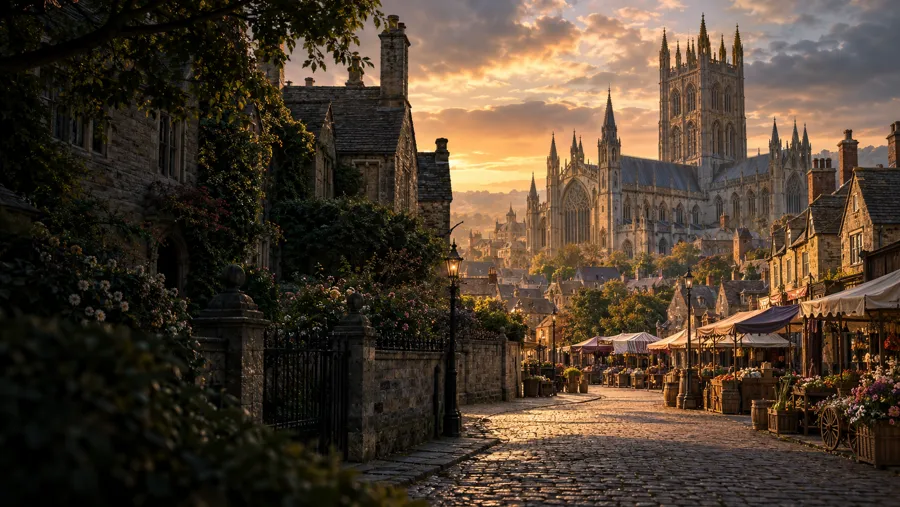
With Barsetshire. The six Chronicles of Barsetshire are set in an imaginary cathedral county, and the first three are the best way into Trollope: funny, humane and unhurried. Trollope said the idea for the first came to him in Salisbury, wandering one midsummer evening around the cathedral close while on his postal rounds.
- $13.99
The Warden
1855. The gentle Mr Harding is warden of an almshouse for twelve old men, and a young reformer, who happens to love his daughter, decides the warden’s income is a scandal. Short, wise and the perfect introduction.
- $23.99
Barchester Towers
1857. A new bishop arrives in Barchester, with a wife who intends to run the diocese and a chaplain, Mr Slope, who intends to run everything else. The funniest of the series and the one most readers fall for.
- $24.99
Doctor Thorne
1858. Young Frank Gresham must marry money to save his family’s estate, and he loves the doctor’s penniless niece, whose birth is a secret. Trollope’s brother Thomas suggested the plot.


You do not have to read them in order, but it helps: characters drift from one book to the next, and the series ends with a novel that brings almost everyone back. Our guide to Trollope’s Chronicles of Barsetshire in order takes you through all six, including Framley Parsonage and The Small House at Allington.
The autobiography that hurt his reputation
Trollope died in 1882, and his An Autobiography appeared the following year. Its frankness about money, deadlines and words per quarter-hour sold copies but did his literary standing no favours: critics who prized inspiration found it hard to forgive a novelist who wrote like a clerk. The tide turned in the twentieth century, and today he is read as one of the shrewdest observers of how institutions really work, from cathedrals to Parliament.
The Post Office shaped that eye. He spent years riding round the country lanes of the west of England, Wales and the Channel Islands on postal surveys, getting to know the farmers, clergymen and small-town officials who would populate his books. Barsetshire is what a postal surveyor might know about England if he had the gift of making it live.
Is Trollope worth reading today?
Very much so. His plots are leisurely, but his people are never simple, and he understands office politics, family money and the way a reasonable person talks himself into a bad decision better than almost any novelist since. The books also came out in parts and repay being taken slowly, a little each evening; see Did you know many great Victorian novels first came out in instalments? and How to read a long Victorian novel.
Start where he did, in the cathedral close on a midsummer evening. Open The Warden, meet Mr Harding and his twelve old men, and try not to go straight on to Barchester.
Questions readers ask
Did Anthony Trollope invent the pillar box?
Not exactly. He recommended roadside letter boxes while surveying the Channel Islands for the Post Office, possibly inspired by boxes he had seen in France, and the first were installed in Jersey in 1852. He later described himself as their originator in Britain.
Where should I start with Anthony Trollope books?
Start with The Warden (1855), the short first novel of the Chronicles of Barsetshire, then go on to Barchester Towers. Both are funny, humane and easy to love.
How many novels did Anthony Trollope write?
Forty-seven, along with dozens of short stories, travel books and An Autobiography, which was published after his death in 1882.
 Framley Parsonage546 pages · $23.99
 The Small House at Allington666 pages · $27.99
 The Claverings472 pages · $21.99
 Dr. Wortle’s School194 pages · $13.99