
After Scrooge, look for a different kind of change
A Christmas Carol gives readers a memorable pattern: an isolated person is interrupted, made to look outward and offered the possibility of acting differently. Other Christmas writers work with similar concerns without repeating the same ghosts or the same overnight transformation. Some use a child, a discarded toy, a neighbor or a whole village to put familiar values under pressure.
These books are worth comparing rather than treating as substitutes for one famous story. Ask what generosity requires in each: money, time, embarrassment, a new habit or the surrender of pride. A gift can be the beginning of a relationship, but it can also leave a difficult question unresolved. That distinction gives seasonal reading more substance than a checklist of cheerful endings.
Santa Claus's Partner
Santa Claus’s Partner places Berryman Livingstone’s wealth beside a harder-to-name loneliness. The voices of children disturb his routine and invite another measure of success. Choose it when you want a clear companion to Scrooge’s story without simply returning to the same supernatural machinery.
The Christmas Angel
The Christmas Angel begins with toys that Miss Terry wants to throw away. Their passage into other lives opens a question about what giving means. Read it for the contrast between the giver’s first intention and the significance an object can acquire for the person who receives it.
The Strange Visitation
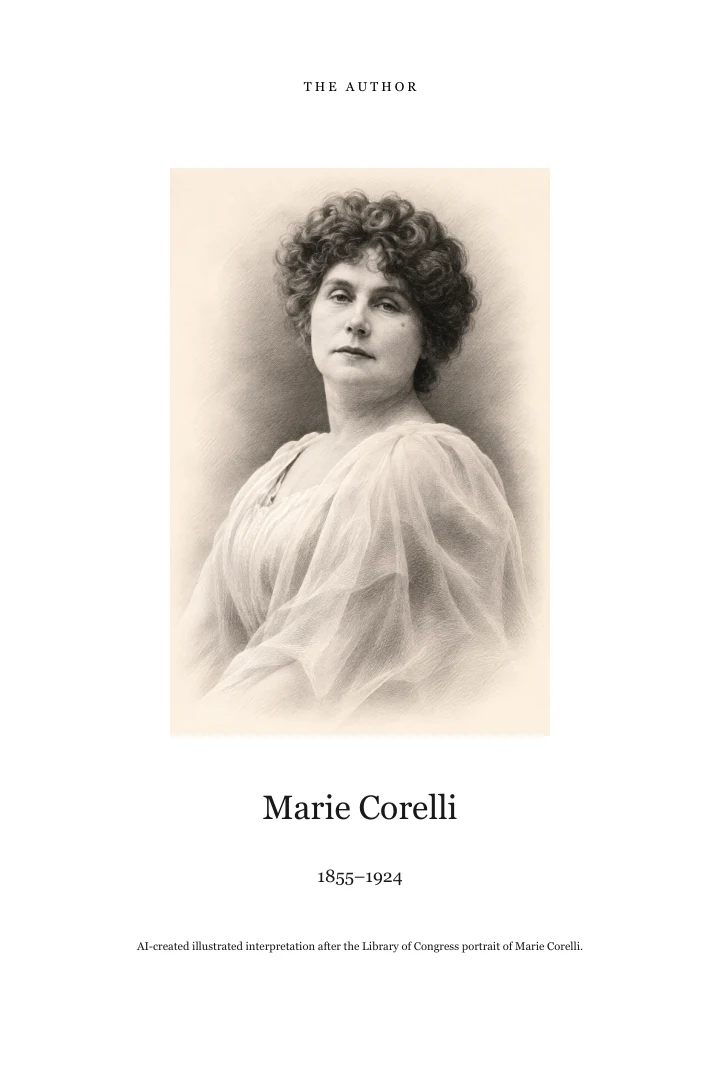
The Strange Visitation confronts wealthy Josiah McNason with an extraordinary visitor on Christmas Eve. Marie Corelli brings supernatural satire to money and sympathy. It suits readers who want a more pointed interruption of comfortable assumptions, rather than an entirely gentle domestic story.
The Prodigal Village: A Christmas Tale
The Prodigal Village widens the focus from one miserly or lonely person to a community divided by material ambition and claims of the heart. Choose it for a village-scale question: what happens when a whole social world needs to reconsider what it rewards?


Giving can begin with listening, work or forgiveness
Not every second chance arrives as a spectacular visitation. A quieter story can ask whether someone will make room for another person in daily life. These books bring attention to the less theatrical work of care. The change may be harder to summarize than a single gift, but that can make it a better subject for conversation.
The Christmas Bishop
The Christmas Bishop brings loneliness, memory and difficult relationships into an elderly bishop’s holiday. Its scale is quiet and personal. Choose it for reflection on forgiveness and human connection, particularly if you want a Christmas story whose central figure already has a language for goodwill.
Mr. Bingle
Mr. Bingle follows a generous man of modest means through the demands of caring for others. It is a broader domestic novel rather than a quick one-evening tale. The longer form gives room to think about care as an ongoing responsibility rather than a single triumphant gesture.
How It Happened
How It Happened brings childhood wishes and unexpected kindness into modest circumstances. It suits readers interested in the material setting of generosity: what a household can afford, what a child imagines and how another person responds. Small scale does not make those questions insignificant.
Arthur Glyn : and other stories
Arthur Glyn and Other Stories includes Arthur Glyn’s Christmas-Box and other tales of duty, family and generosity. The collection format lets you compare several ways care becomes a responsibility. Choose it for stories rooted in choices between people rather than one uninterrupted Christmas plot.


A useful Christmas book-club discussion
Begin by identifying what the central character fails to notice. Then ask whether the story gives that person new information or merely a new willingness to act on what was already clear. Who receives the gift, and do they get a voice of their own? What might happen after the festive ending? These questions make a familiar theme more interesting without requiring everyone to reach the same conclusion.
For a darker challenge to comfortable ideas of charity, Elsie: A Christmas Story is a somber Norwegian option rather than a reassuring festive treat. For practical kindness led by young characters, try our children’s Christmas stories. Readers who want a shorter commitment can choose from the compact Christmas reading list.
Questions readers ask
What should I read after A Christmas Carol?
Santa Claus’s Partner offers another story about wealth and loneliness. The Christmas Angel follows unwanted toys into other lives, while The Strange Visitation adds supernatural satire.
Are all these books cheerful Christmas comfort reads?
No. They vary in tone and in their treatment of loneliness, poverty and obligation. The notes identify reflective and more challenging choices as well as warmer domestic stories.