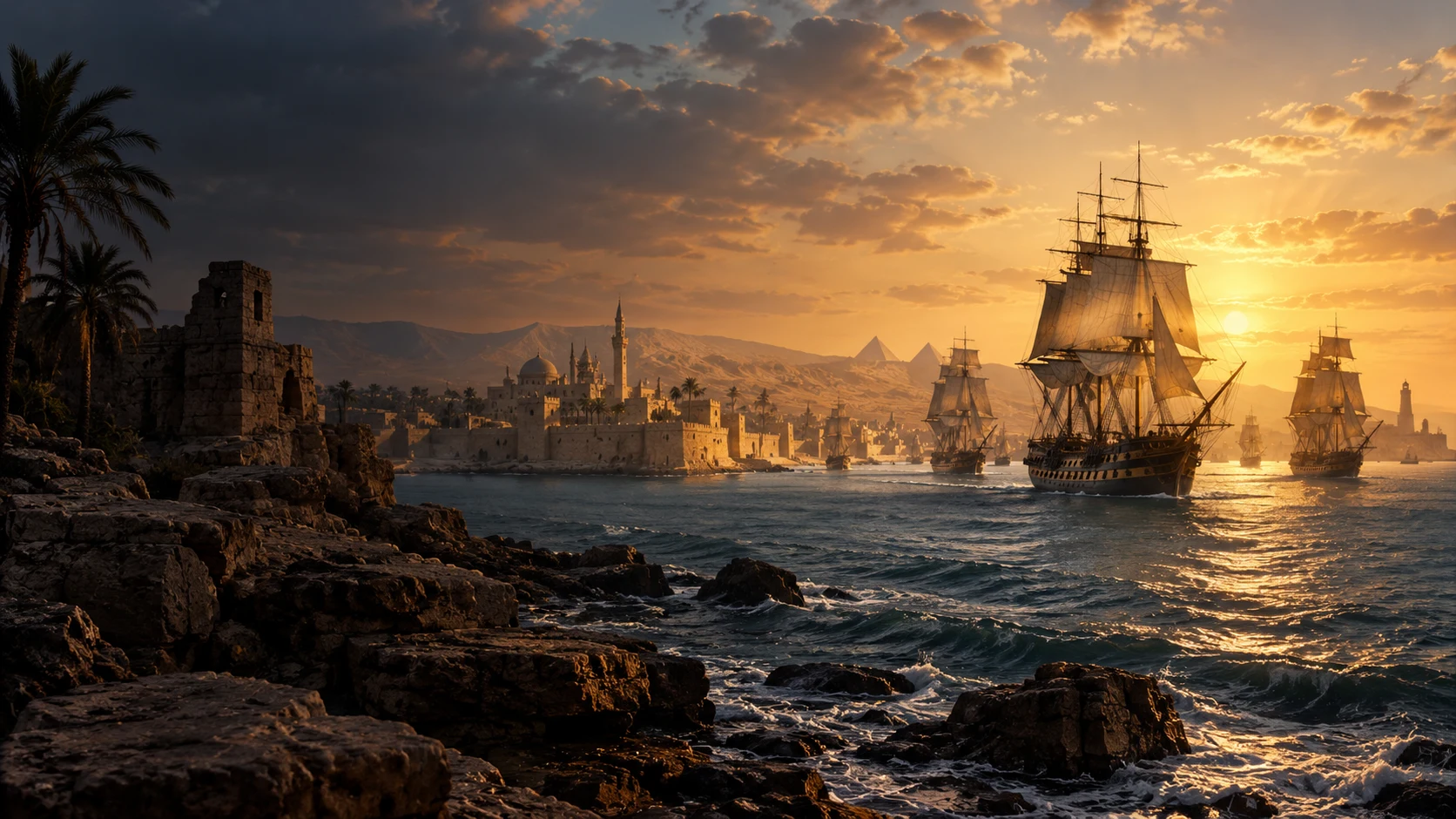
An eighteenth century Egyptian coastline with sailing ships
PIPCUB CINEMATIC EDITIONS / PAPERBACK BOOKS

At Aboukir and Acre: A Story of Napoleon's Invasion of Egypt

G. A. Henty

Against Napoleon’s expedition to Egypt, G. A.

$16.99

Printed for you. Shipping calculated at checkout.

Checkout opening soon. Shipping & delivery Returns
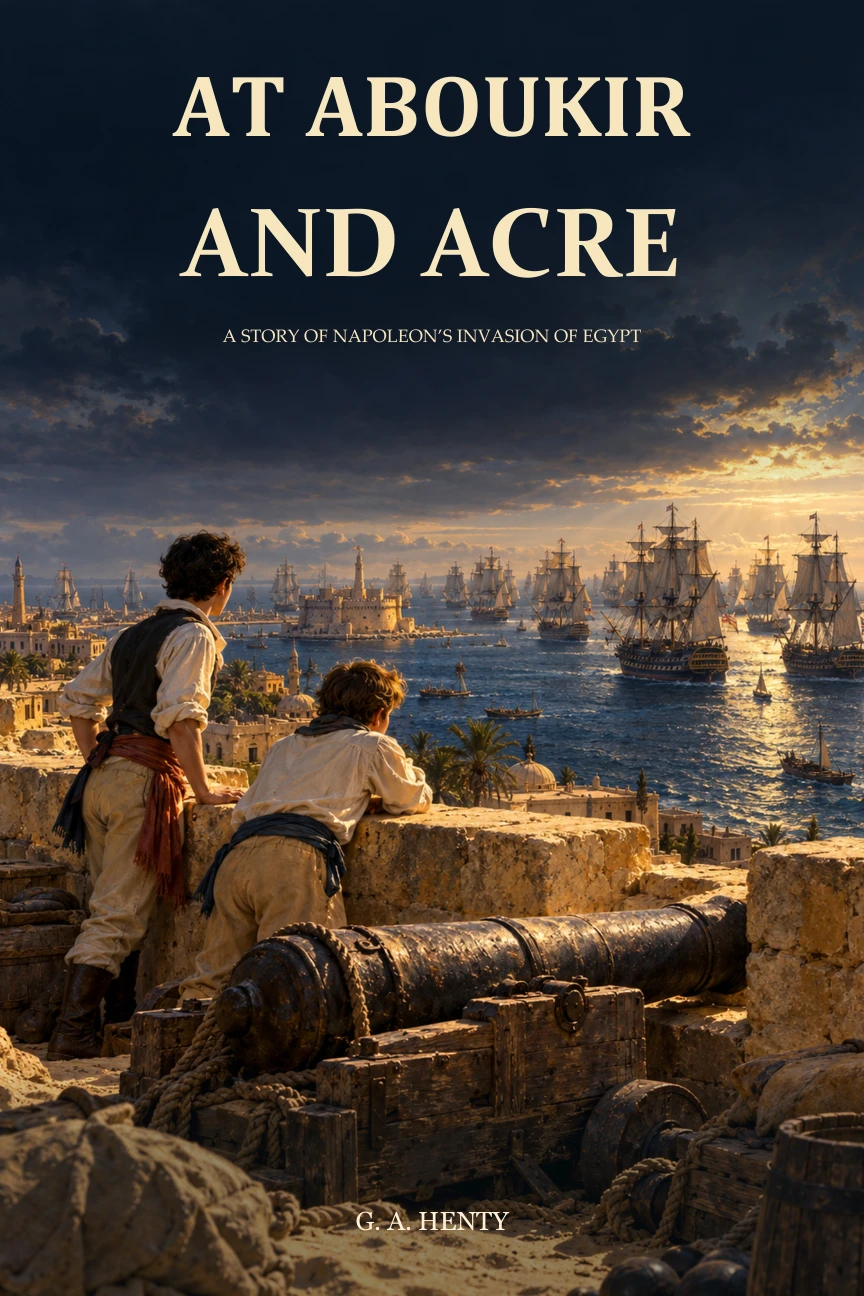
At Aboukir and Acre: A Story of Napoleon's Invasion of Egypt — actual Pipcub paperback cover
SCROLL INTO THE STORYAN IMAGINED WORLD · ORIGINAL AI ART
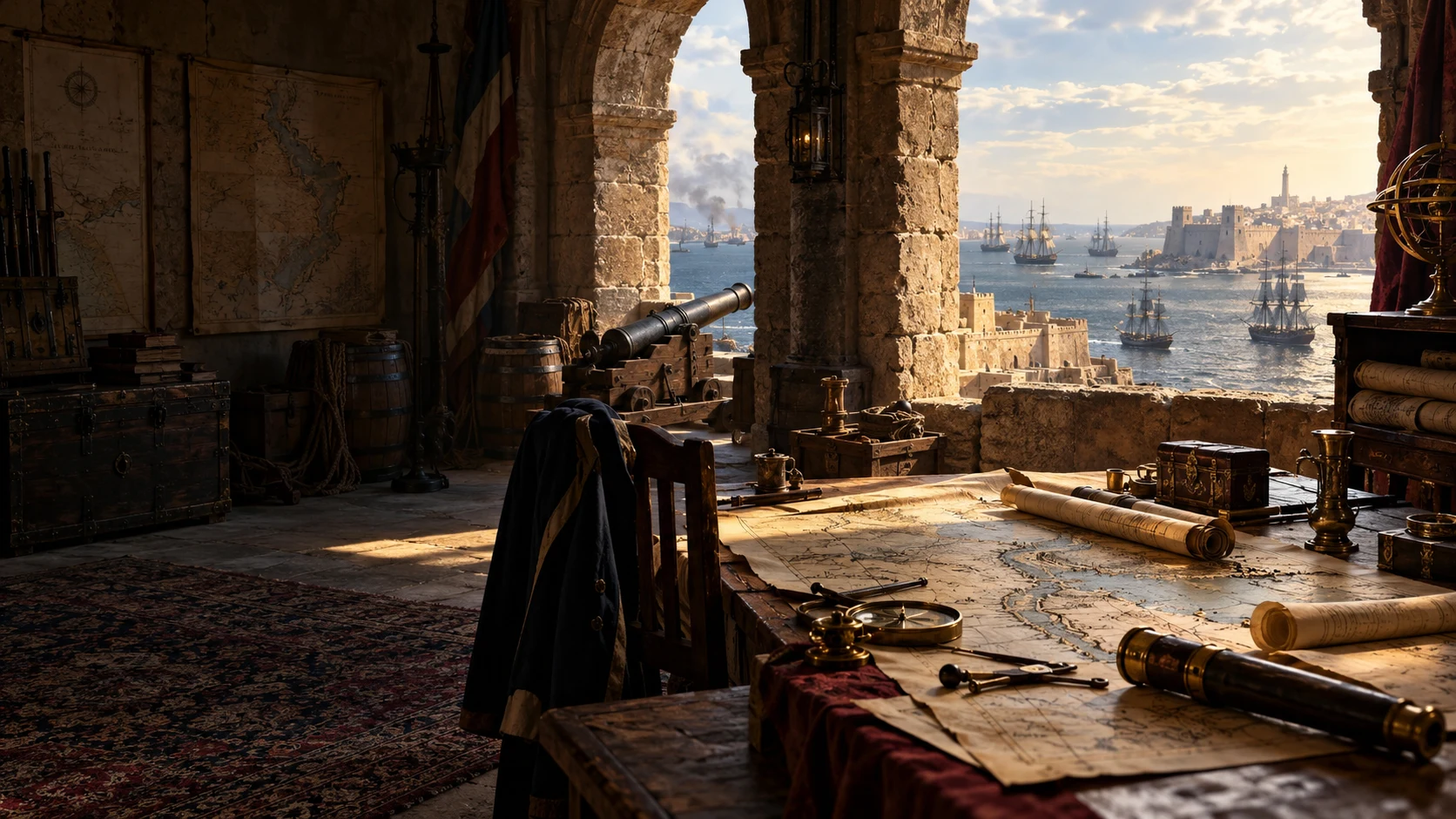
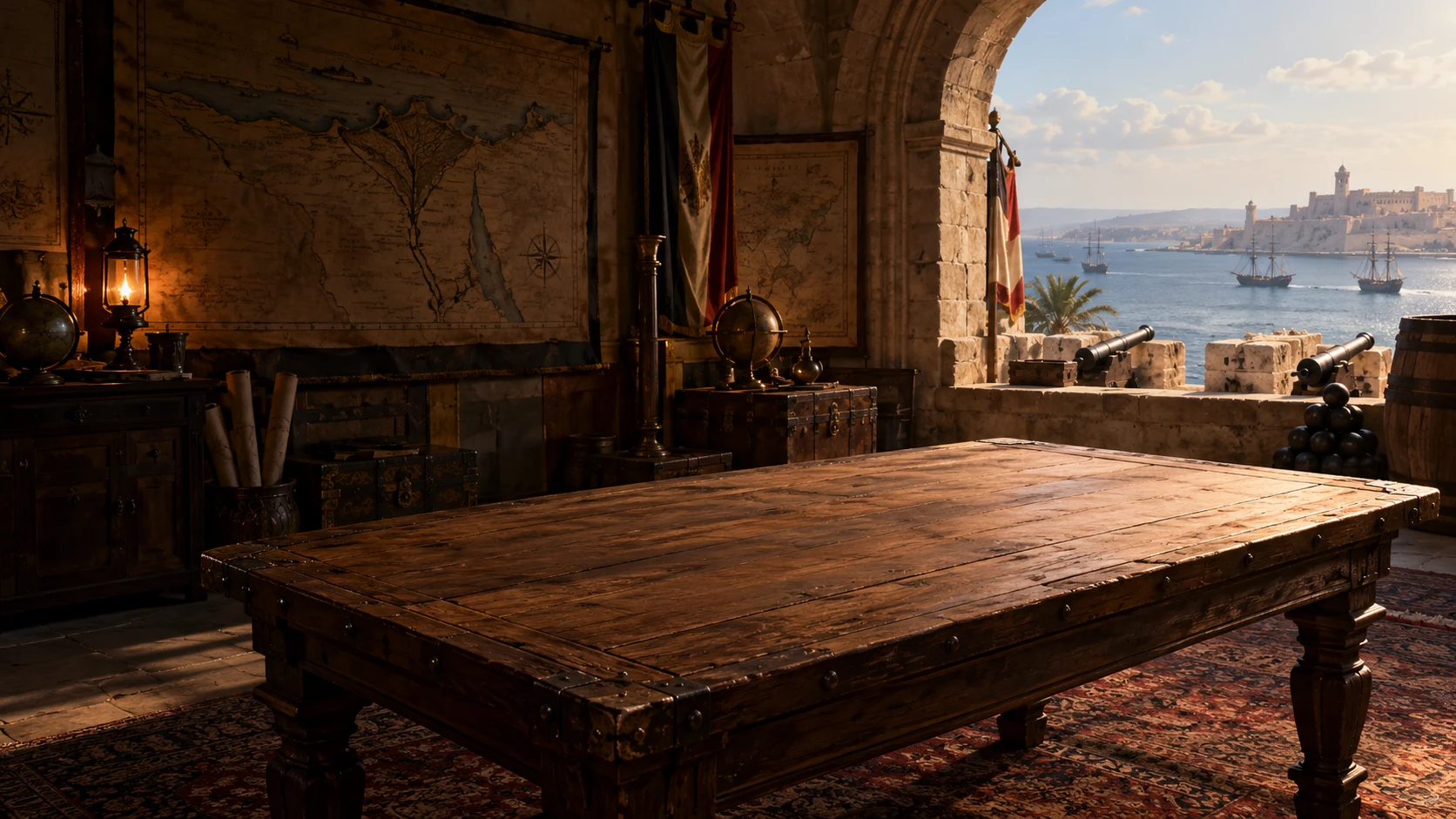
A period coastal fort chamber with maps

THE STORY

The fate of a campaign turns upon sea and city walls.

Against Napoleon’s expedition to Egypt, G. A.
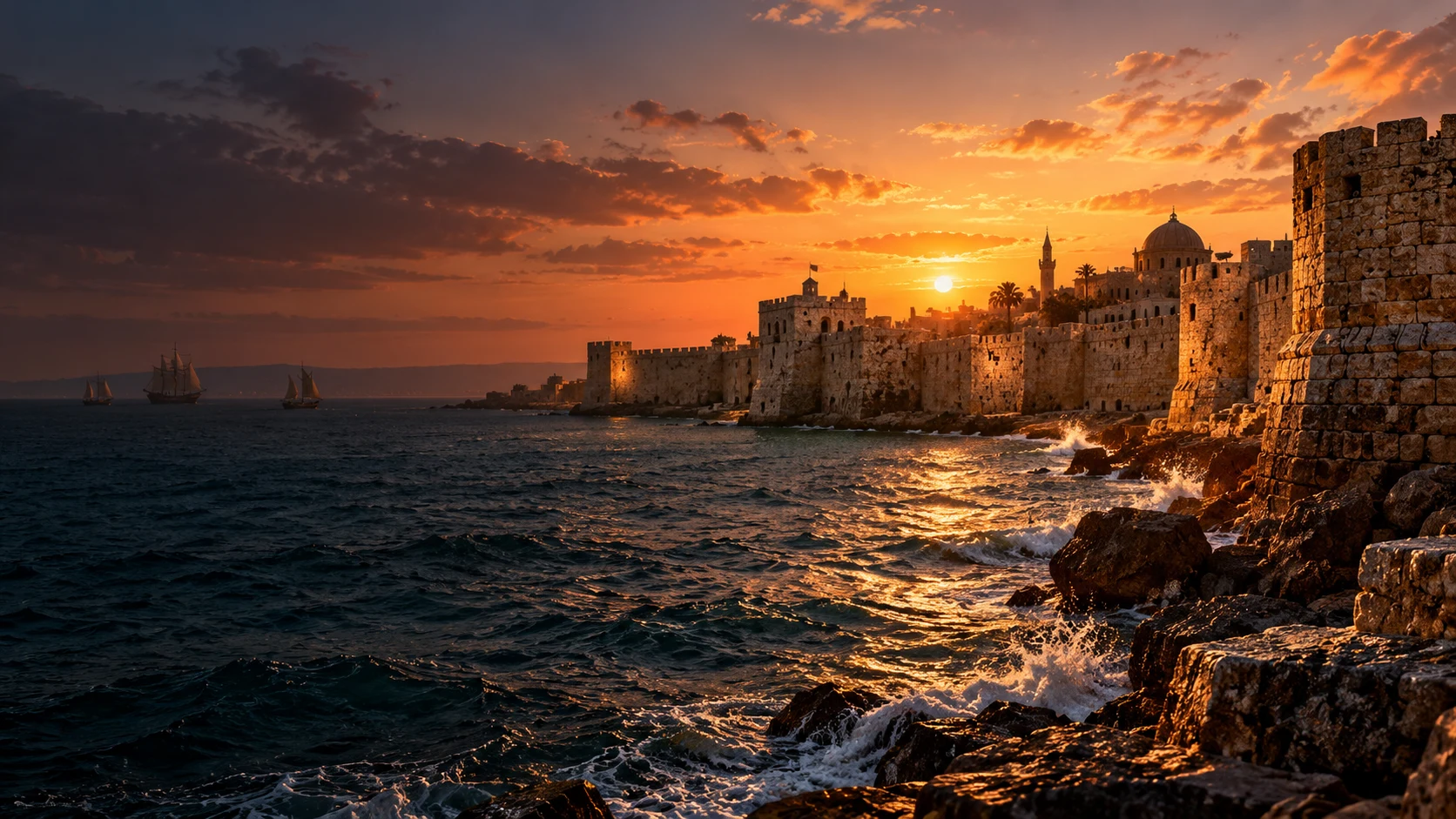
The old walls of Acre beside the Mediterranean at sunset

THE WORLD OF THE BOOK

Across the Mediterranean.

Henty follows youthful adventure through a conflict shaped by naval power and determined resistance. From Alexandria toward Aboukir and Acre, unfamiliar companions and shifting dangers bring the larger events of the campaign close to individual lives.
At Aboukir and Acre: A Story of Napoleon's Invasion of Egypt front cover
Read the interior preview

LOOK INSIDE

Open a book.
Enter a world.

Preview six pages from this edition. Select a page to enlarge it, or use the arrows to keep reading.

Spread 1 of 3
At Aboukir and Acre: A Story of Napoleon's Invasion of Egypt · PDF page 6
Actual interior PDF page 6 of At Aboukir and Acre: A Story of Napoleon's Invasion of Egypt
Read accessible text

4 don't think that even Nelson would attack them, though he might land somewhere along the coast, attack and capture the town from the land side, and then carry the batteries. Successful as he has been at sea, he has had some experience as to the difficulty of taking forts. He was beaten off at Teneriffe, and although he did succeed in getting the Danes to surrender at Copenhagen, it's well known now that his ships really got the worst of the fight, and that if the Danes had held on, he must have drawn off with the loss of many of his vessels." "I know nothing of these things, brother, nor where the towns you name are, nor who are the Danes; but it seems to me that those great ships with all their guns would be terrible assailants. As you say, these forts are not fit for fighting; but this is because no foes have ever come against us by sea for so many years. What could an enemy do if they landed?" "The Mamelukes are grand horsemen, Sidi, but horsemen alone cannot win a battle; there are the artillery and infantry to be counted with, and it is with these that battles are won in our days, though I say not that cavalry do not bear their share, but alone they are nothing. One infantry square, if it be steady, can repulse a host of them; but you may ere long see the matter put to proof, for I hear that the officers who came on shore this morning asked if aught had been heard of the French fleet, which had, they say, sailed from Toulon to conquer Egypt. It is for this that the English fleet has come here." "Their bones will whiten the plains should they attempt it," the other said scornfully. "But why should they want to interfere with us, and why should you care to prevent them doing so if they are strong enough?" "Because, in the first place, we are at war with them, and would prevent them gaining any advantage. In the second place, because Egypt is a step on the way to India. There we are fighting with one of the great native princes, who has, they say, been promised help by the French, who are most jealous of us, since we have destroyed their influence there, and deprived them of their chance of becoming masters of a large portion of the country." The conversation had been carried on in Arabic. The speakers were of about the same age, but Edgar Blagrove was half a head

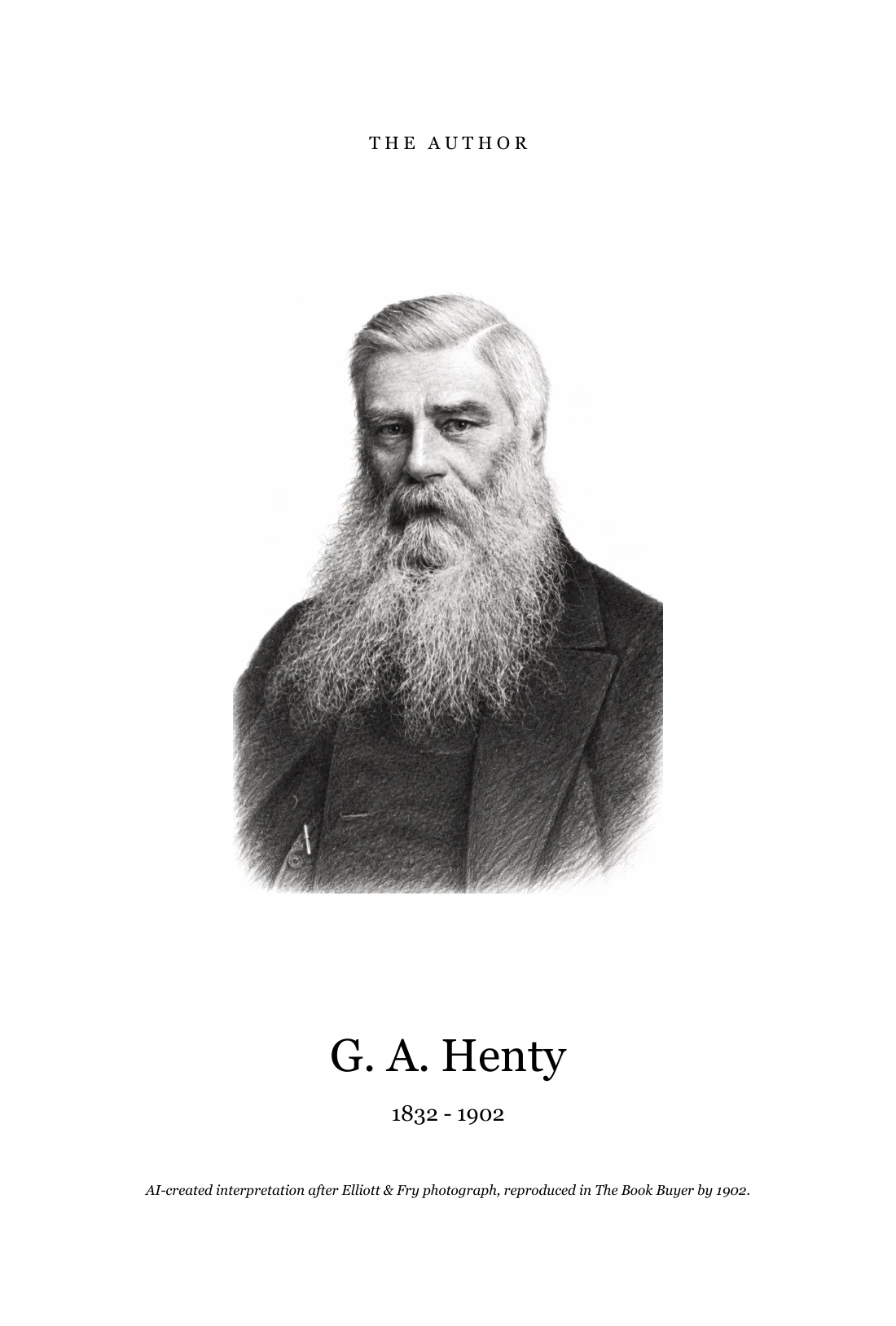
G. A. Henty portrait page from this edition

ABOUT THE AUTHOR

G. A. Henty

George Alfred Henty was an English author and war correspondent, born in 1832. He became especially known for historical adventures aimed at young readers. His earlier military service and journalism contributed to a career strongly interested in campaigns, practical endurance and the experience of danger.

More about the author ↗

Discover the author behind the story. This portrait and biography are included in your edition.

FREE TO READ

Take it with you.

At Aboukir and Acre: A Story of Napoleon's Invasion of Egypt is in the public domain, so its words belong to everyone. Download our edition free. No account needed.

Read it in your browser ↗
Add it to your reading app
iPhone & iPad
Tap download, then open the file from Safari’s downloads, tap Share and choose Books. It stays in your Apple Books library.
Android
Tap download, open the file and choose Google Play Books. Or, in Play Books, go to Library, tap ⋮ and choose Upload files.
Kindle
Send the file to your Kindle library with Amazon’s Send to Kindle.
Kobo, Moon+ Reader and other apps
Open the downloaded file with the app, or use the app’s import option.

KEEP BROWSING

More from the library.

As I Lay Dying cover

As I Lay Dying

William Faulkner

As You Like It cover

As You Like It

William Shakespeare

Aspects of the Novel cover

Aspects of the Novel

E. M. Forster

At the Back of the North Wind cover

At the Back of the North Wind

George MacDonald

At the Black Rocks cover

At the Black Rocks

Edward A. Rand

At the Earth's Core cover

At the Earth's Core

Edgar Rice Burroughs

Browse the complete library ↗
YOUR NEXT CHAPTER

Your book bag 0

A little escape. A story to keep.

Loading your book bag…