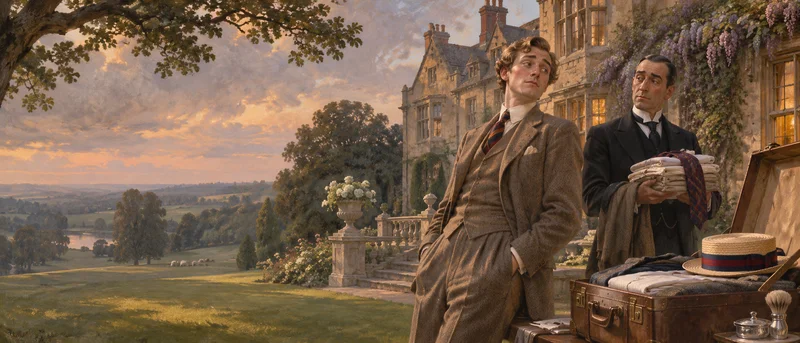
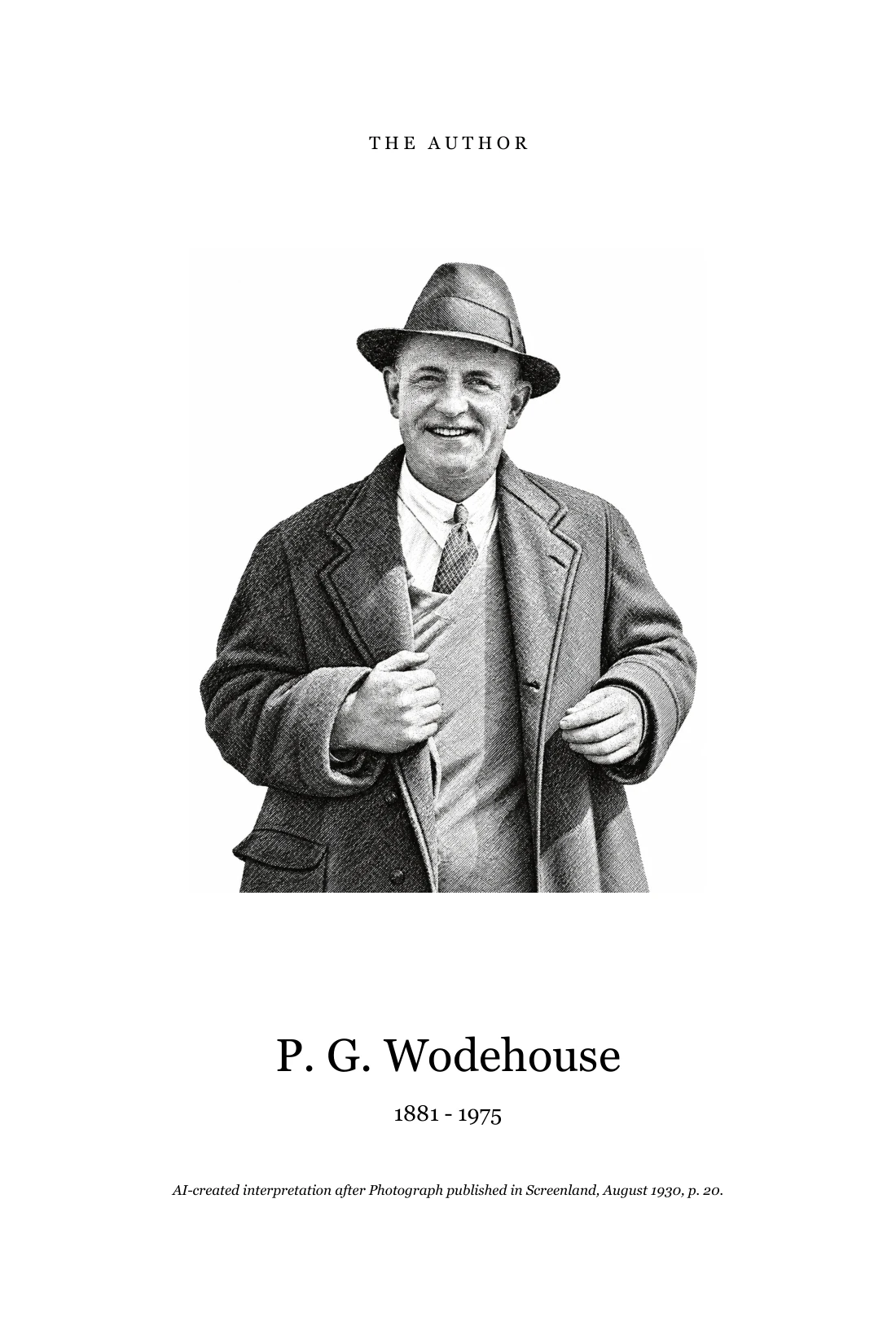
P. G. Wodehouse introduced Jeeves in a short story in 1915 and wrote his last Jeeves novel in the 1970s. In between came a shelf of novels and dozens of short stories, almost all narrated by Bertie Wooster, a rich, amiable idler whose friends, aunts and fiancées keep landing him in trouble, and whose valet, Jeeves, keeps getting him out.
The Jeeves and Wooster books in order begin with three story collections: My Man Jeeves (1919), The Inimitable Jeeves (1923) and Carry On, Jeeves (1925). They are the ideal place to start, but not quite in the order you might expect.
The early Jeeves and Wooster books in order
- $12.99
My Man Jeeves
1919. The first Jeeves collection, though only half of it is about Jeeves and Bertie. The other half follows Reggie Pepper, an earlier Bertie-like hero Wodehouse soon set aside.
- $14.99
The Inimitable Jeeves
1923. Linked stories that read almost like a novel. Bertie’s friend Bingo Little falls in love, again and again, and Aunt Agatha tries to marry Bertie off.
- $14.99
Carry On, Jeeves
1925. Ten stories, beginning with “Jeeves Takes Charge”, which tells how Jeeves first arrived. The best introduction to the whole saga.



Which Jeeves book should you start with?
Start with Carry On, Jeeves. It was published third, but its first story, “Jeeves Takes Charge”, goes back to the very beginning: Bertie, hungover and engaged to the formidable Florence Craye, hires a new valet who cures his headache with a mysterious drink and quietly takes his life in hand. It is the origin story, and the collection that follows is Wodehouse in top form.
There is another reason to start here. All four Jeeves stories from My Man Jeeves reappear in Carry On, Jeeves, revised and polished, alongside a Reggie Pepper story rewritten for Bertie. So if you read Carry On, Jeeves first, you get the best versions of those stories and can treat My Man Jeeves as a fascinating early draft.
After that, read The Inimitable Jeeves. It is a looser, sunnier book, held together by Bingo Little’s endless romances and Bertie’s battles with his most fearsome relative, Aunt Agatha. Its chapters are linked closely enough that some readers count it as the first Jeeves novel.
Why read the stories before the novels?
The first full Jeeves novel, Thank You, Jeeves, did not appear until 1934, followed the same year by Right Ho, Jeeves, which many fans consider the best of all. The novels are wonderful, but they assume you already know the cast: Bertie’s Aunt Dahlia, his ghastly fiancées, his friends at the Drones Club and the long-running war over Bertie’s taste in clothes.
The early stories introduce all of that. They also show Wodehouse working out his formula, in which every crisis is resolved by Jeeves, usually offstage, and usually at Bertie’s expense. By the end of Carry On, Jeeves, the voice is perfect.
Jeeves himself is a wonderful creation, and Wodehouse keeps him slightly mysterious. He reads philosophy in his spare time, moves so silently that Bertie never hears him arrive, and disapproves of loud socks and of any fiancée likely to improve Bertie’s mind. Bertie, convinced that Jeeves’s brain runs on fish, is never quite sure whether he is the master or the servant, and the reader soon knows the answer.

What makes Jeeves and Wooster so good?
It is the language. Bertie narrates in a breezy, slangy, half-educated style, full of misremembered quotations and half-finished similes, and Wodehouse’s timing is immaculate. Very little happens, very quickly, and every page has a joke on it. Writers from Evelyn Waugh to Stephen Fry have praised him, and Fry and Hugh Laurie played the pair on television in the early 1990s.
The stories are also extremely good company. Nothing truly bad ever happens in Wodehouse’s world, which is part of why readers return to him in hard times.
More Wodehouse
Jeeves is only one of Wodehouse’s great creations. Psmith, the monocled, verbose hero of Psmith in the City and Leave it to Psmith, is just as much fun, and we list his adventures in the Psmith books in order. For a broader introduction, see where to start with P. G. Wodehouse, and for more comic writing from the same era, the funniest classic novels.
But begin with the morning Jeeves first shimmered into Bertie’s life, carrying a glass of something restorative. Open Carry On, Jeeves, and you will be in very good hands.
Questions readers ask
What is the first Jeeves and Wooster book?
The first Jeeves collection is My Man Jeeves (1919), but most readers start with Carry On, Jeeves (1925), whose opening story shows how Jeeves came to work for Bertie.
What order should I read Jeeves and Wooster in?
Start with the story collections Carry On, Jeeves and The Inimitable Jeeves, dip into My Man Jeeves, then move on to the novels, beginning with Thank You, Jeeves and Right Ho, Jeeves (both 1934).
Do you need to read Jeeves and Wooster in order?
Not strictly. Each story stands alone, but reading the early collections first introduces the recurring friends, aunts and fiancées the later novels rely on.
 Psmith, Journalist176 pages · $13.99
 Something New216 pages · $14.99
 The Man Upstairs and Other Stories290 pages · $16.99
 Piccadilly Jim254 pages · $15.99