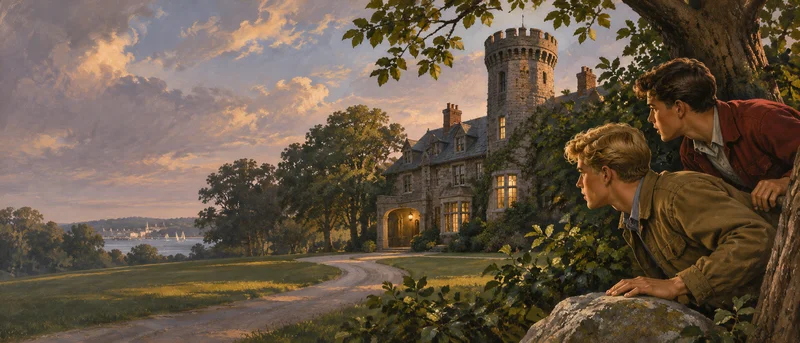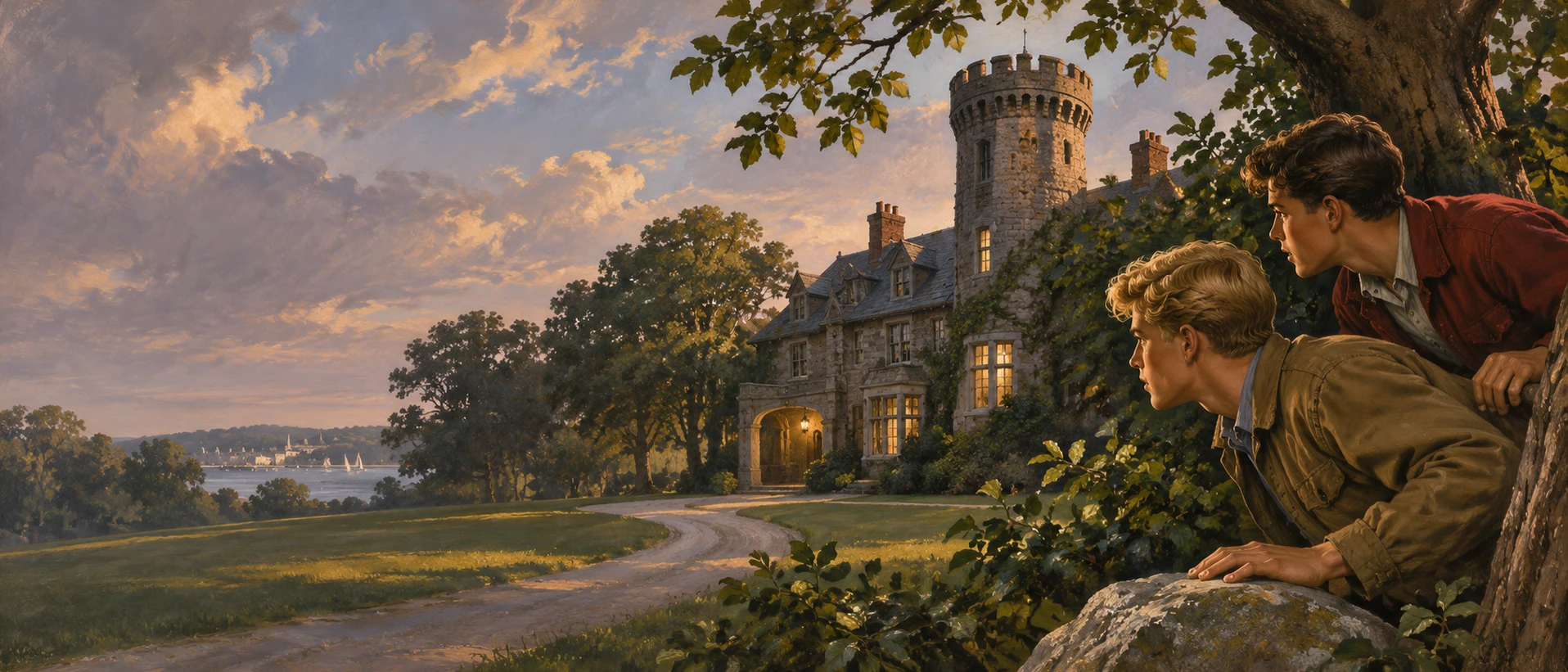
Two bright-eyed boys on motorcycles were speeding along a shore road in the sunshine of a morning in spring.
Franklin W. Dixon, *The Tower Treasure* (1927), Chapter I
So begins the first Hardy Boys book, and the second, The House on the Cliff, opens on the very same road, this time with three motorcycles and a June heat wave. Frank Hardy is sixteen and dark-haired; Joe is a year younger, fair and curly. Their father, Fenton Hardy, is a famous detective, and the boys want nothing more than to follow him into the trade.
The answer to the question most readers are asking is simple: The Tower Treasure is book one, The House on the Cliff book two and The Secret of the Old Mill book three. All three were published by Grosset & Dunlap in 1927, and they were an immediate success.
The Hardy Boys books in order: the first nine
These are the Hardy Boys books in order of publication up to 1930. The first two are the ones we stock.
- The Tower Treasure (1927)
- The House on the Cliff (1927)
- The Secret of the Old Mill (1927)
- The Missing Chums (1928)
- Hunting for Hidden Gold (1928)
- The Shore Road Mystery (1928)
- The Secret of the Caves (1929)
- The Mystery of Cabin Island (1929)
- The Great Airport Mystery (1930)
- $12.99
The Tower Treasure
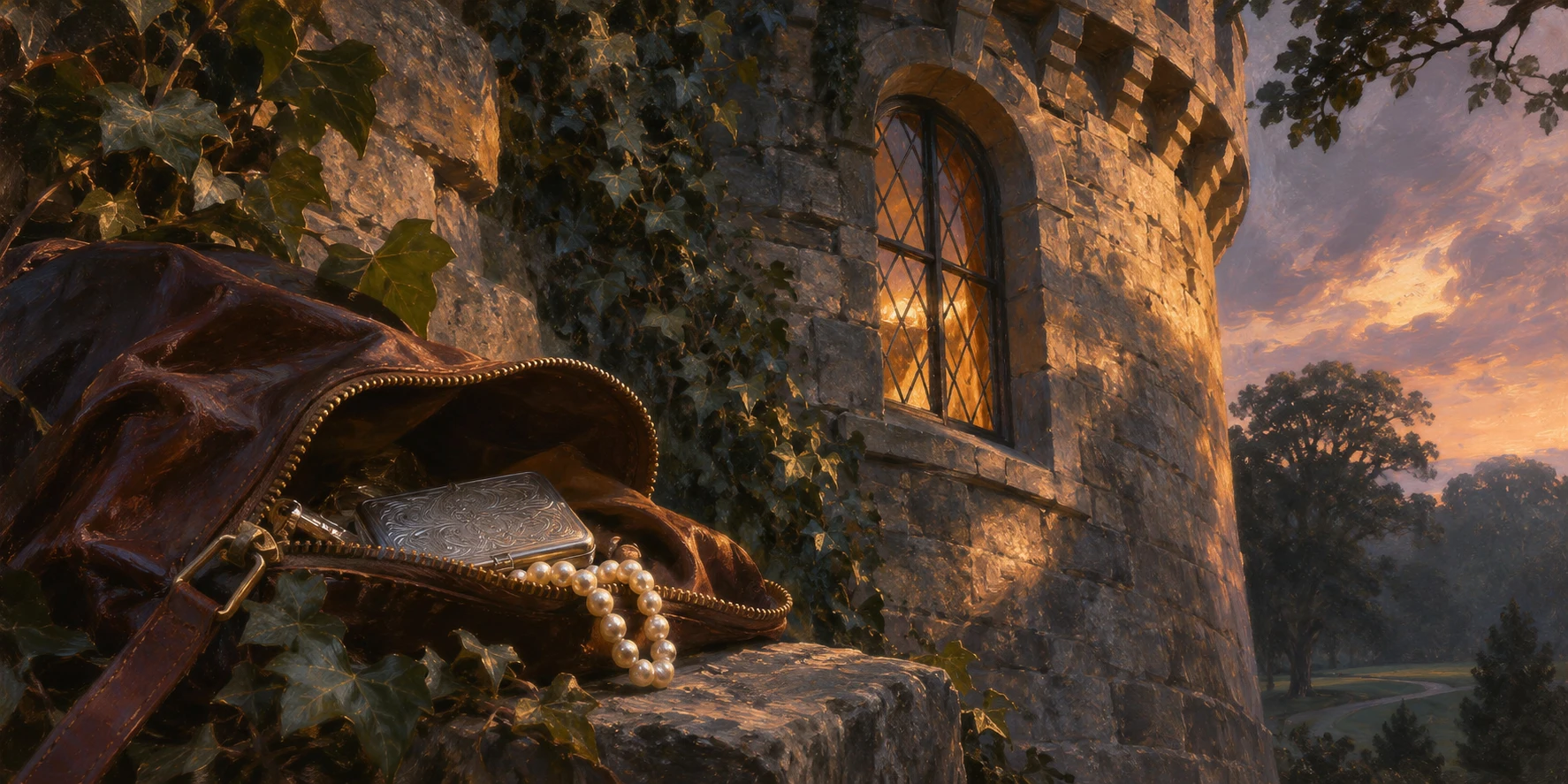
Book one. A red-haired speed demon, a stolen roadster, a robbery at the Applegates’ Tower Mansion and a caretaker whose son is the boys’ friend. Frank and Joe set out to clear his name.
- $12.99
The House on the Cliff
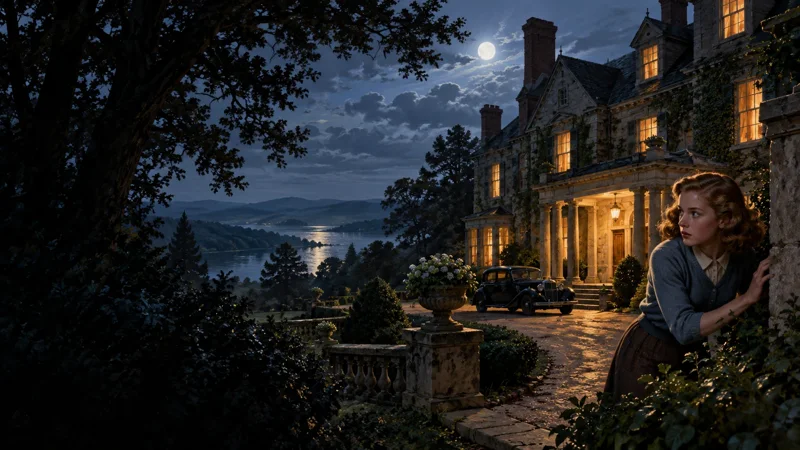
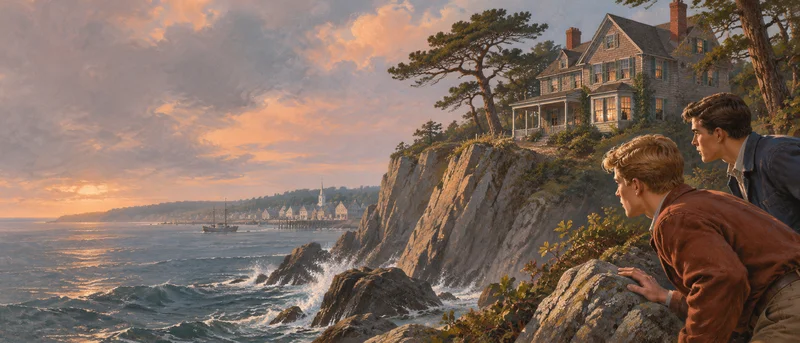
Book two. Exploring a deserted house on the cliffs above Barmet Bay, the brothers stumble into their father’s case against a gang of smugglers. Secret passages, storms and a motorboat chase.


Who wrote the first Hardy Boys books?
Not Franklin W. Dixon, who never existed. The Hardy Boys were conceived in 1926 by Edward Stratemeyer, whose Syndicate planned children’s series, wrote outlines and hired writers to turn them into books under shared pen names. He offered the publisher several names for his brothers, among them the Keene Boys and the Bixby Boys; the editors at Grosset & Dunlap chose the Hardys.
The writer was Leslie McFarlane, a reporter from Haileybury, Ontario, then working on the Springfield Republican in Massachusetts. He had answered a Syndicate advertisement and already ghostwritten adventure stories for it. Working from outlines prepared by Stratemeyer’s daughter Edna, and possibly Stratemeyer himself, McFarlane wrote the text of nineteen of the first twenty-five Hardy Boys books between 1927 and 1946, for a flat fee and no royalties. He told the story in his 1976 memoir, Ghost of the Hardy Boys.
His family later said he came to despise the series, and his diaries grumble about having to write another of the books, but he needed the money. But he gave the books their humour, their brisk chapter endings and their sense of a real town, and the Syndicate valued him enough to pay him more than its other ghostwriters during the Depression. The full story of the firm behind the name is in Who really wrote Nancy Drew and the Hardy Boys?
How the original 1927 books differ from the ones you remember
Between 1959 and 1973 the Syndicate rewrote the first thirty-eight books to shorten them, modernise the details and remove ethnic stereotypes. Some volumes changed only a little. The Tower Treasure and The House on the Cliff were substantially rewritten by Harriet Stratemeyer Adams, so if you grew up on the revised versions, the plots here will surprise you. In the originals the boys are a year or two younger, the pace is slower and the prose is more old-fashioned, with Chet Morton, Biff Hooper and Jerry Gilroy along for the ride.
McFarlane’s Bayport is a city of about fifty thousand people on Barmet Bay, three miles in from the Atlantic, with a high school, a burly police chief, Ezra Collig, and a detective named Smuff. At home there is a mother who would rather one son became a doctor and the other a lawyer. The 1927 texts entered the public domain in the United States on 1 January 2023. They are period pieces, but they are also the Hardy Boys as McFarlane wrote them, before anyone tidied them up.
Are the first Hardy Boys books good for kids today?
For confident readers of about eight to twelve, yes. The chapters are short and end on a hook, the mysteries are fair, and there is plenty of action. Adults reading aloud will notice the dated slang and the occasional attitude of the 1920s, and may enjoy the comparison with the first three Nancy Drew books, written to the same Syndicate formula three years later. For the woman behind Nancy, see Did you know Carolyn Keene was never a real person?.
Begin at the beginning, on the shore road. The Tower Treasure is where Frank and Joe get their first real case, and where a series that has now run for a century found its formula.
Questions readers ask
What is the first Hardy Boys book?
The Tower Treasure is book one. It was published in 1927 together with The House on the Cliff and The Secret of the Old Mill.
What order should I read the Hardy Boys books in?
Publication order works best: The Tower Treasure, The House on the Cliff, The Secret of the Old Mill, The Missing Chums, Hunting for Hidden Gold and The Shore Road Mystery. Each mystery stands alone, but friends and running details carry over.
Who really wrote the Hardy Boys?
The books were published under the house name Franklin W. Dixon. The early volumes were written by the Canadian journalist Leslie McFarlane from outlines supplied by the Stratemeyer Syndicate; later books were written by other ghostwriters.
Are the Hardy Boys books in the public domain?
The original 1927 texts of the first three books entered the US public domain on 1 January 2023, and later early volumes have followed year by year. The revised editions from 1959 onwards remain in copyright.
 The Secret of the Old Mill136 pages · $12.99
 The Mystery of Cabin Island148 pages · $12.99
 Hunting for Hidden Gold138 pages · $12.99
 The Secret of the Caves144 pages · $12.99