Why choose a book that mixes tales and verse?
A mixed collection offers a change of rhythm without changing authors. A prose tale can develop a situation through events and conversation; a poem can concentrate attention through sound, image or a shorter emotional movement. Reading the forms beside each other makes the writer’s choices easier to hear. It also gives you flexibility when planning an evening of shared reading.
Christmas Tales and Christmas Verse is therefore a different purchase from either a continuous Christmas novel or an anthology devoted entirely to poems. Browse the contents and choose the form that fits the moment. A short reading after a gathering may call for verse, while a quieter evening with more time may make room for a complete tale.

Listen for the difference between telling and singing
Reading a poem aloud is not simply reading prose with shorter lines. Notice where the phrasing asks you to pause, which sounds return and how the rhythm affects the feeling. You do not need a technical vocabulary to hear those choices. A second reading may reveal something that was hidden when you were concentrating only on the apparent subject.
In a tale, ask how the narrator brings a child’s experience into view. Does the story stay close to what the child understands, or does an adult perspective shape the account? Childhood can be remembered, observed or imagined in different ways. Treat that perspective as part of the writing rather than assuming that every tender passage speaks directly in a child’s voice.
Faith and tenderness also deserve particular attention. A piece may be moving because it offers reassurance, because it recognizes vulnerability or because it gives an ordinary image a larger significance. Let the specific language guide the conversation. Calling a work sentimental can describe a response, but it does not explain how the writing produced it.
Build a short reading sequence around contrast
Choose one tale and one poem, then leave a pause between them. Ask what the second form changes: the pace, the distance from the speaker or the amount left for the listener to imagine. Avoid selecting too many pieces simply because each seems brief on the page. A small sequence with time to listen can be more satisfying than a crowded program.
Children of Christmas, and Others
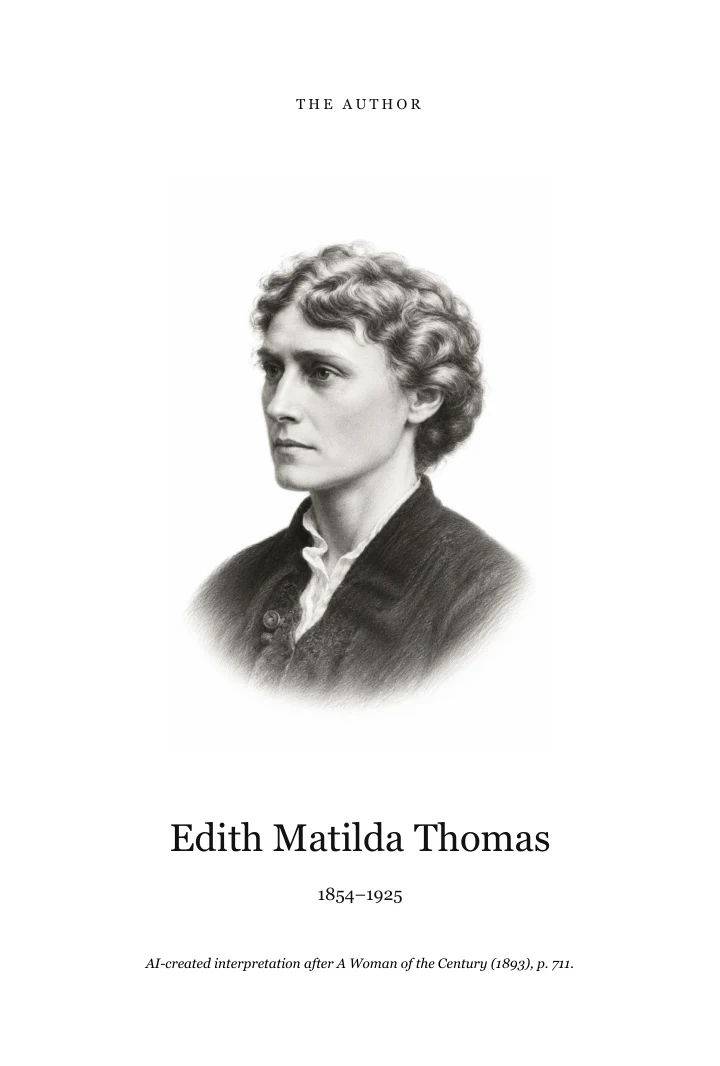
Children of Christmas, and Others offers Edith Matilda Thomas’s verse and lyrical reflections. It provides a second poetic voice for comparison. Notice how a similar seasonal subject can sound different when the rhythm, speaker or emotional distance changes.
By the Christmas Fire
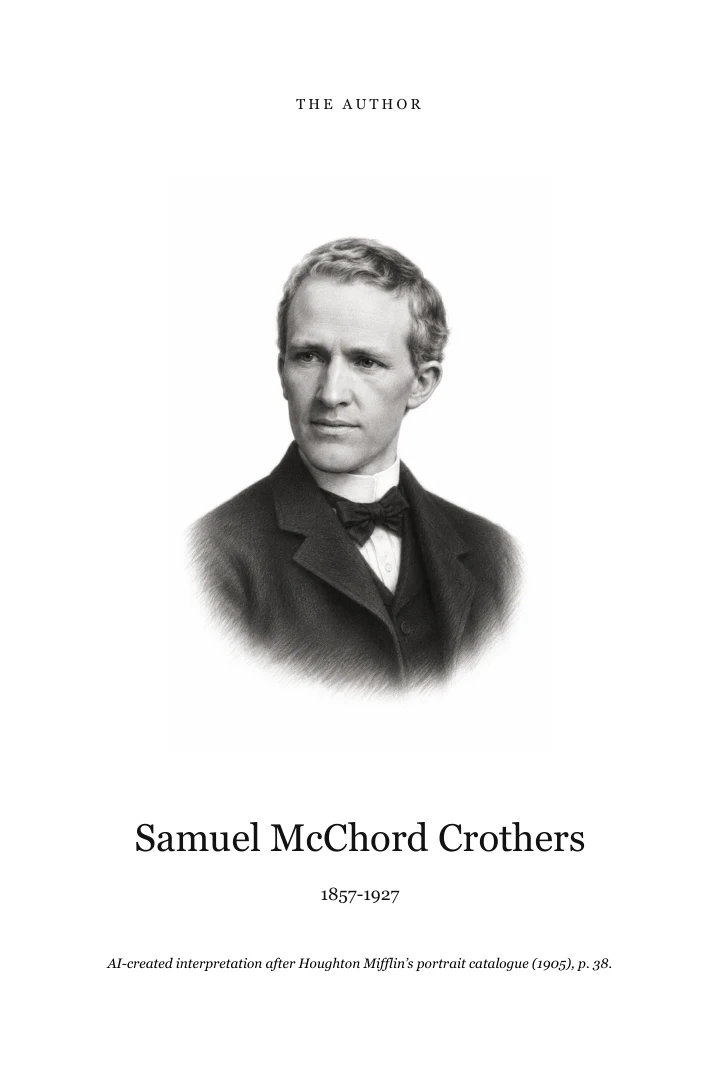
By the Christmas Fire gives a contrasting prose form through Samuel McChord Crothers’s reflective essays. Its humane humor can provide a quieter conversational interval beside poems or stories. Choose the pairing if you want a reading evening to include reflection as well as narrative.


Who might enjoy this collection?
It suits readers who like reading aloud, enjoy short forms or want to move between story and verse during December. For a child, preview the individual selection rather than assuming that every piece in a childhood-centered book will suit the same listener. A familiar image can coexist with unfamiliar vocabulary or a more demanding emotional subject.
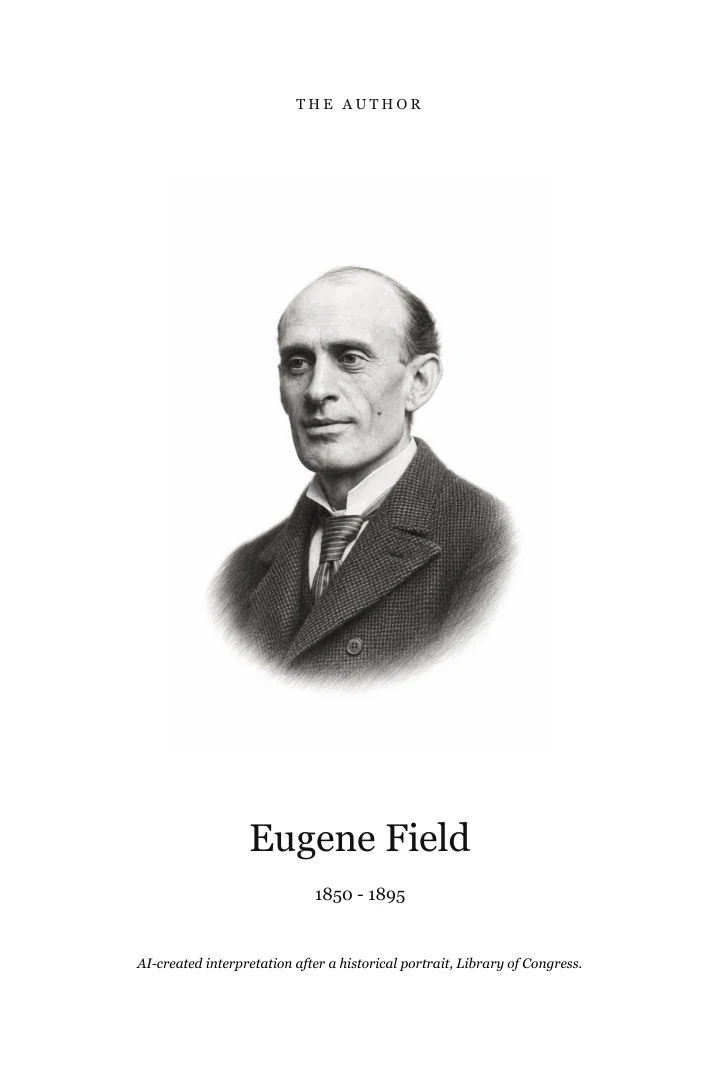
Our Christmas poetry and fireside readings guide compares Field with anthologies, carol history and performance material. If you prefer prose throughout, see Christmas short-story collections. The right choice depends on how you want to spend the reading time, not simply on which book has the most familiar festive title.
Questions readers ask
Is Christmas Tales and Christmas Verse all poetry?
No. It combines prose tales with verse, so it offers more than one reading form within a single volume.
Is every piece suitable for the same young audience?
Choose and preview individual selections. Vocabulary, emotional tone and religious content can differ even within a collection associated with childhood.