When the cyclone drops Dorothy’s house on the Wicked Witch of the East in The Wonderful Wizard of Oz (1900), all that can be seen of the witch is two feet in silver shoes sticking out from underneath, and once she has dried up in the sun, only the shoes are left. The Good Witch of the North gives them to Dorothy, and the Munchkins mention that some charm is connected with them, though nobody knows what it is.
So the Wizard of Oz silver shoes are the book’s originals. The ruby slippers belong to MGM’s 1939 film. The change is usually credited to the screenwriter Noel Langley, and the usual explanation is that red would show off the new Technicolor far better than silver against the yellow road. That is plausible and widely repeated, but it is the studio’s story rather than anything L. Frank Baum had a hand in; he died in 1919.
What do the silver shoes do in the book?
For most of the novel, nobody knows. Dorothy wears them simply because her own shoes are worn out, and they turn out to be comfortable for walking. The Wicked Witch of the West wants them badly, and one of the book’s best scenes has her trip Dorothy with an invisible iron bar and snatch one shoe. Dorothy is so angry that she throws a bucket of water over the witch, with famous results.
Only at the very end, when the Wizard’s balloon has gone without her, does Glinda reveal what the shoes could have done all along:
All you have to do is to knock the heels together three times and command the shoes to carry you wherever you wish to go.
L. Frank Baum, The Wonderful Wizard of Oz (1900)
The shoes carry Dorothy home in three steps, but they slip off her feet on the way and are lost for ever in the desert. There is no waking up in bed, either. In the book Oz is a real place, and Dorothy has genuinely been there.
Do the silver shoes mean something?
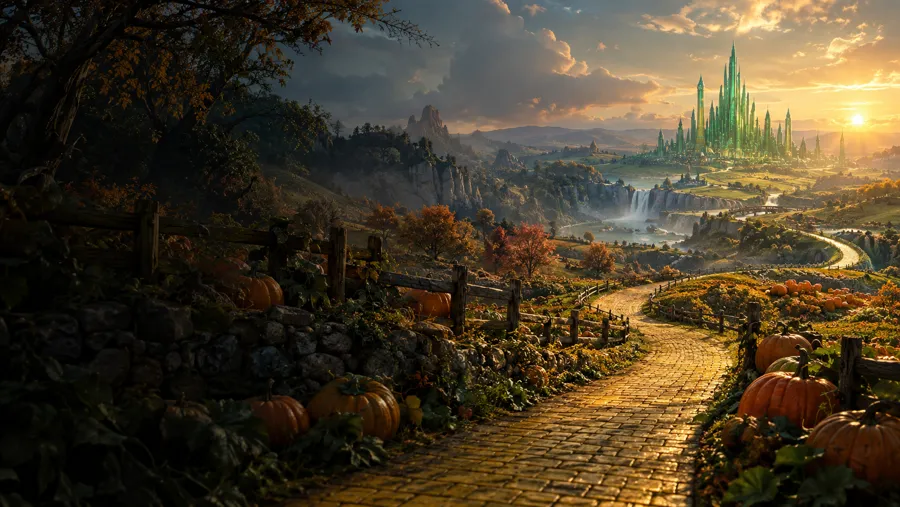
Possibly. In 1964 a schoolteacher, Henry Littlefield, suggested that the novel could be read as an allegory of 1890s American politics, with the silver shoes standing for the campaign to back the dollar with silver as well as gold, and the yellow brick road for the gold standard. The idea became hugely popular in classrooms.
It is worth knowing, but worth holding loosely. Baum never said anything of the kind, and many historians think the parallels are coincidence. Baum’s own stated aim was simply to write a modern fairy tale for children, and the book works perfectly well as exactly that.
The book is worth reading even if you know the film
The Wonderful Wizard of Oz is shorter, quicker and odder than the film. There are fighting trees, a country made of china, Kalidahs with bodies like bears and heads like tigers, and a whole second journey south to Glinda that the film leaves out. The Tin Woodman’s story of how he came to be made of tin is unexpectedly dark, and the Wizard himself is more of a showman than a villain.
Its short chapters make it a lovely read-aloud for children of five and up, and confident readers of seven or eight can manage it alone. Adults tend to be surprised by how funny it is.
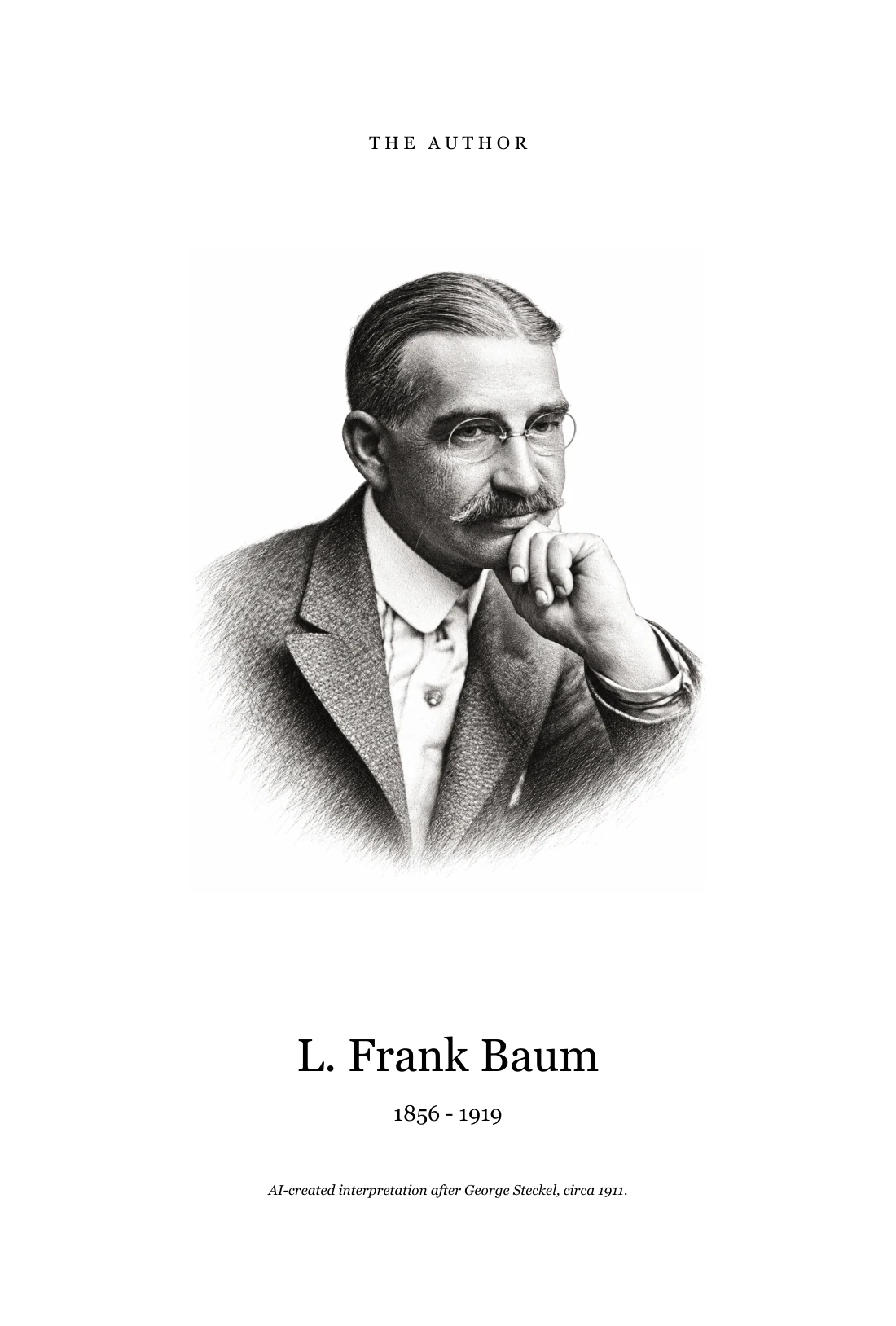
The first edition was also a landmark of colour printing, illustrated throughout by W. W. Denslow. His pictures of Dorothy, Toto and her companions fixed the look of Oz for a generation of children, decades before Judy Garland ever stepped into her ruby slippers.
The Wonderful Wizard of Oz
1900. Dorothy, the cyclone, the Scarecrow, the Tin Woodman, the Cowardly Lion and the Silver Shoes. The book that started the whole Oz series.
The Marvelous Land of Oz
1904. The second Oz book, written after children begged Baum for more. Dorothy sits this one out, but the Scarecrow and Tin Woodman return.


Where to go after the yellow brick road
If the Silver Shoes have made you curious about what else the film left out, Baum wrote thirteen more Oz books. We list them all in Did you know there are 14 Wizard of Oz books?, and set book against screen in more detail in The Wizard of Oz: book vs. the 1939 film. For his Christmas story, see Did you know L. Frank Baum wrote an origin story for Santa Claus?
But the best place to start is still the first. Open The Wonderful Wizard of Oz, wait for the cyclone, and watch for a glint of silver under the house.
Questions readers ask
Were Dorothy’s shoes silver in the book?
Yes. In L. Frank Baum’s 1900 novel The Wonderful Wizard of Oz, Dorothy wears the Silver Shoes of the Wicked Witch of the East. The ruby slippers were created for the 1939 MGM film.
Why were the ruby slippers red in the movie?
The change is usually credited to screenwriter Noel Langley, and the common explanation is that red showed off the film’s Technicolor better than silver would have.
What happens to the silver shoes at the end of the book?
Glinda tells Dorothy to knock the heels together three times and the shoes carry her home, but they fall off during the journey and are lost in the desert.
 Ozma of Oz122 pages · $11.99
 Dorothy and the Wizard in Oz130 pages · $11.99
 The Patchwork Girl of Oz178 pages · $13.99
 The Emerald City of Oz170 pages · $13.99