
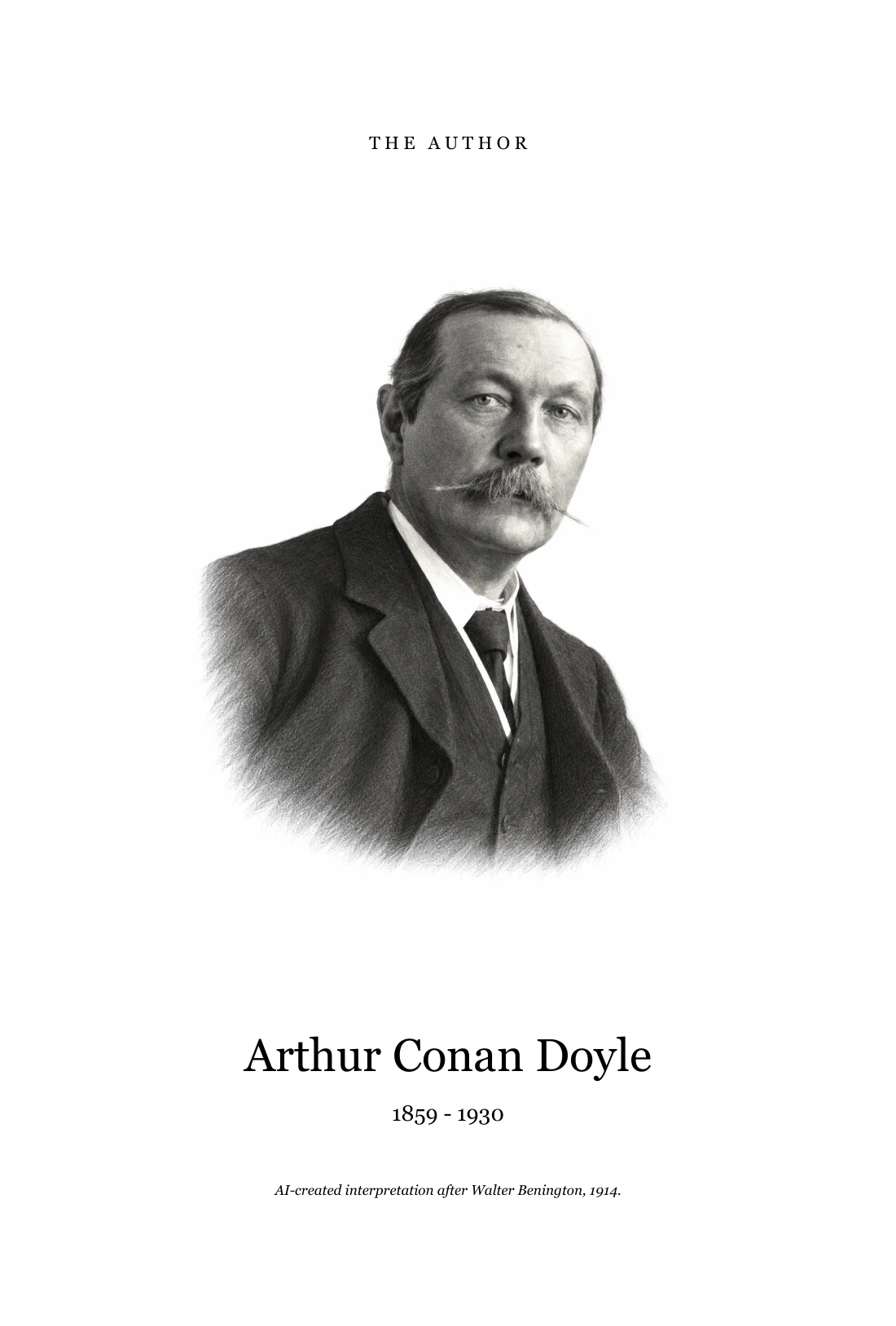
When Arthur Conan Doyle put Sherlock Holmes at 221B Baker Street, the address did not exist. Baker Street’s numbers did not go that high at the time; the street was extended later, and the letters addressed to Holmes kept arriving anyway. London fiction is like that. Its streets are real enough to walk, and the city in the books is a little larger than the one on the map.
The novels below are the best classic novels set in London, arranged by the London they show rather than the date they were written. Read them in this order and the city grows up around you: from Pip’s first bewildered morning near Smithfield to Clarissa Dalloway crossing Victoria Street a century later.
The best novels set in London, in the order of the city they show
- $23.99
Great Expectations
Serialised 1860–61, set decades earlier. Pip arrives from the Kent marshes at Mr Jaggers’s office in Little Britain, “just out of Smithfield”, and is scared by its immensity, though he suspects it is “rather ugly, crooked, narrow, and dirty.”
- $29.99
Bleak House
1852–53. Fog, mud and the Court of Chancery, where a single inheritance case has been grinding on for generations. Dickens’s London at its most panoramic and most furious.
- $11.99
Strange Case of Dr Jekyll and Mr Hyde
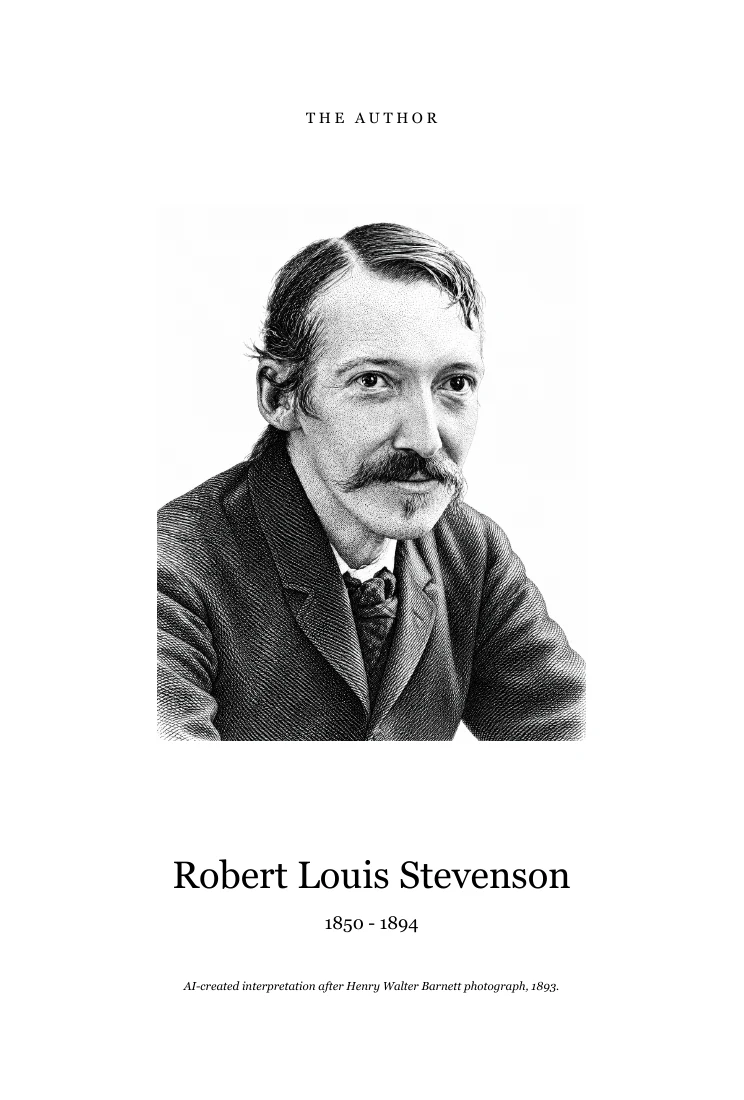
1886. A respectable doctor’s house and, round the back, a blank door onto a shabby street. Stevenson’s London is foggy, nocturnal and divided against itself, like its hero.
- $15.99
The Adventures of Sherlock Holmes
Published in The Strand Magazine in 1891 and 1892. Twelve cases, from a pawnbroker’s shop to a goose bought in Covent Garden market, all run from the rooms at Baker Street.
- $15.99
The Secret Agent
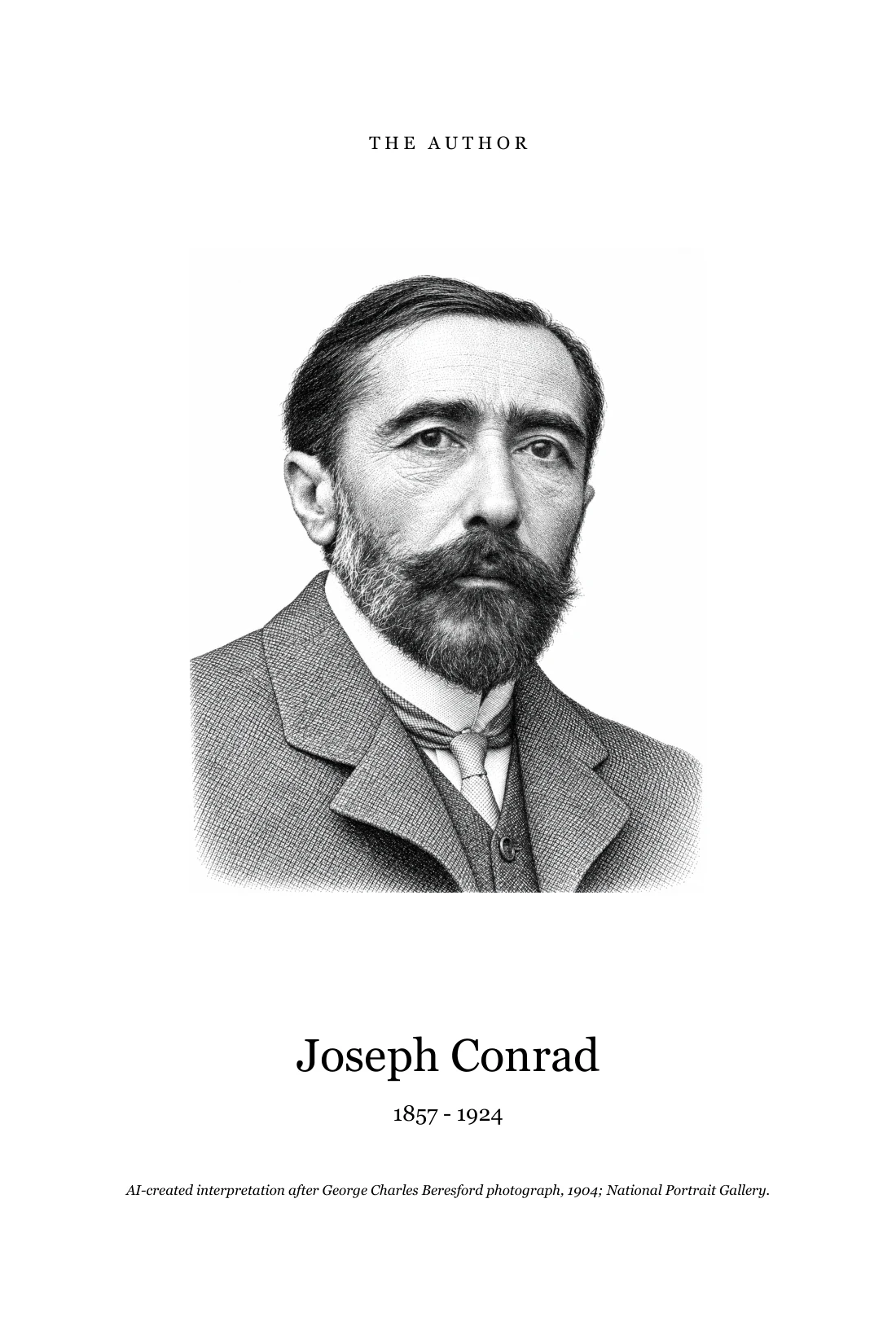
1907, set in 1886. Mr Verloc keeps a shabby shop in Soho and spies for a foreign embassy, which orders him to bomb the Greenwich Observatory. Conrad drew on a real explosion at Greenwich in 1894.
- $11.99
The Diary of a Nobody
Serialised in Punch in 1888–89, a book in 1892. Charles Pooter, City clerk, records life at “The Laurels”, Brickfield Terrace, Holloway, and every small humiliation of suburban dignity.
- $12.99
Mrs. Dalloway
1925. One day in June 1923, from Clarissa Dalloway’s errand for flowers to her party that night, with Big Ben marking the hours across Westminster.


Dickens’s London: mud, fog and law
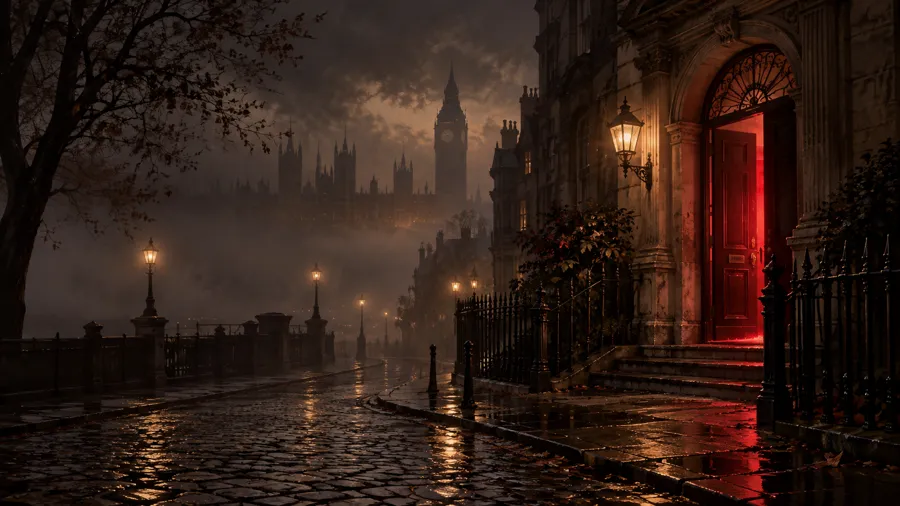
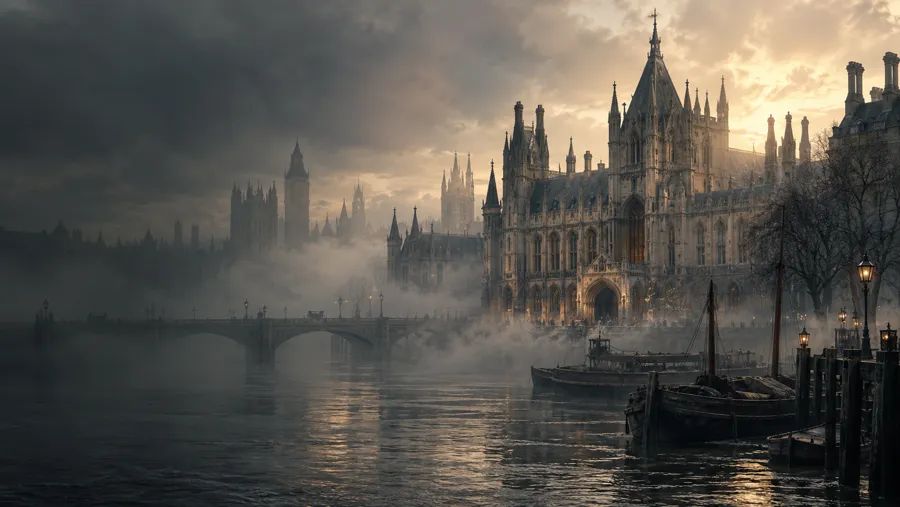
No writer owns a city the way Charles Dickens owns London, and Bleak House opens with his most famous weather report. “Fog everywhere,” it says, and then follows the fog up the river and down it, into ships’ rigging and the pipes of old sailors, until the whole city seems to be under it. Before the fog comes mud, deep enough that it “would not be wonderful to meet a Megalosaurus, forty feet long or so, waddling like an elephantine lizard up Holborn Hill.”
Great Expectations is gentler on the city but no kinder. Pip expects glamour and finds Barnard’s Inn, a dingy set of rooms he describes with mounting disappointment. If you are new to Dickens, where to start with Charles Dickens suggests which of his London novels to try first.
Gaslight London: Holmes and his neighbours
By the 1880s London fiction had found a new mood: the respectable city with something hidden behind it. Jekyll’s house has a back door, Verloc’s shop is a front for something worse, and Arthur Conan Doyle’s stories turn on the secrets of ordinary addresses. Holmes, oddly, thought the city was the safer place.
It is my belief, Watson, founded upon my experience, that the lowest and vilest alleys in London do not present a more dreadful record of sin than does the smiling and beautiful countryside.
Arthur Conan Doyle, “The Adventure of the Copper Beeches”
Joseph Conrad’s The Secret Agent is the dark twin of the Holmes stories: the same gaslit streets, the same policemen, but nobody solves anything cleanly and the city itself seems indifferent. It is an early masterpiece about anarchism and terror, set a couple of miles from Holmes’s rooms. For more in the Holmes vein, see books like Sherlock Holmes.
Suburban and modern London
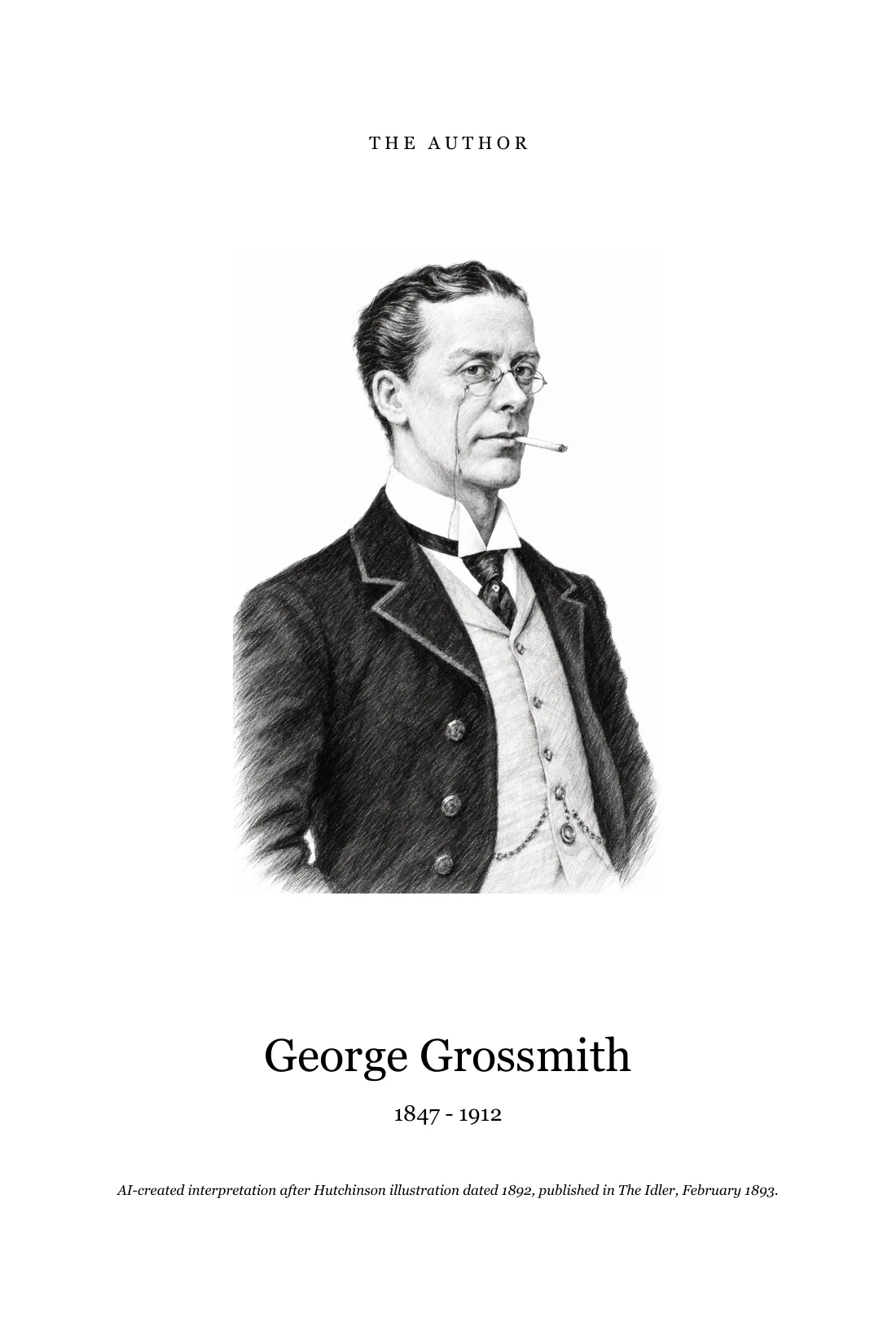
George and Weedon Grossmith moved the comedy of London out to the new suburbs. Pooter’s six-roomed house has a front door nobody uses, because his friends come round the side, and a garden that backs onto the railway. Nothing much happens, and it is one of the funniest books in English.
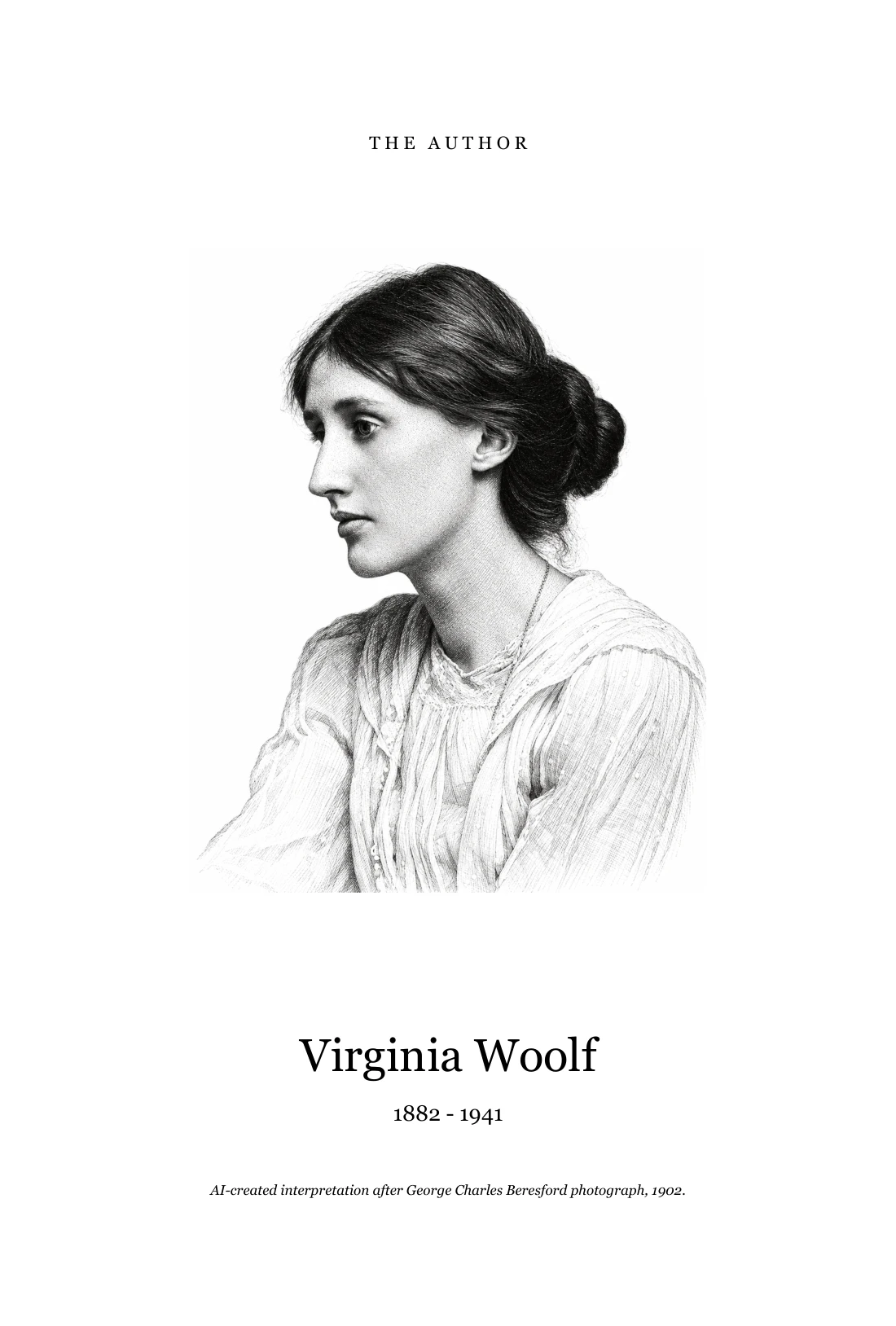
Then, in Mrs. Dalloway, London becomes a mind. Virginia Woolf moves between characters as they pass in the street, and the city is what connects them: the sound of Big Ben, “first a warning, musical; then the hour, irrevocable,” followed by one of her loveliest sentences, “The leaden circles dissolved in the air.” It is the same city Dickens fogged over, seen on a fine morning by someone who loves it.
What is the best London novel to start with?
For atmosphere in short doses, start with The Adventures of Sherlock Holmes: twelve stories, each one a walk through another part of the city. For one great London novel, take Great Expectations. And for something to make you laugh on the bus, nothing beats The Diary of a Nobody. If you want to cross the Channel afterwards, our companion list of classic novels set in Paris picks up the other half of A Tale of Two Cities.
Questions readers ask
What are the best classic novels set in London?
Great Expectations, Bleak House, The Adventures of Sherlock Holmes, The Secret Agent, The Diary of a Nobody and Mrs. Dalloway are among the best. Together they cover London from the early nineteenth century to the 1920s.
Did 221B Baker Street really exist?
Not when the stories were written. Baker Street’s numbers did not go as high as 221 at the time; the street was later extended, and the address now exists.
Which Dickens novel is most about London?
Bleak House is the most London-centred of Dickens’s major novels, from its famous fog-bound opening to its slums and law courts. Great Expectations and Oliver Twist also have strong London settings.