Decide what kind of Christmas magic you want
A fantasy may explain where Santa came from, turn an ordinary household object into a storyteller or send children into a landscape with its own rules. Those are different imaginative pleasures. A reader who loves a developed fairy world may want more than a single magical interruption; someone looking for a bedtime selection may prefer a self-contained tale.
Older fantasies also vary in how openly they teach a lesson. Some make responsibility or kindness part of the adventure, while others pause to consider it directly. Read an opening passage before choosing a shared book. Familiar seasonal images can welcome a young listener, but the vocabulary, pace and emotional atmosphere still matter.
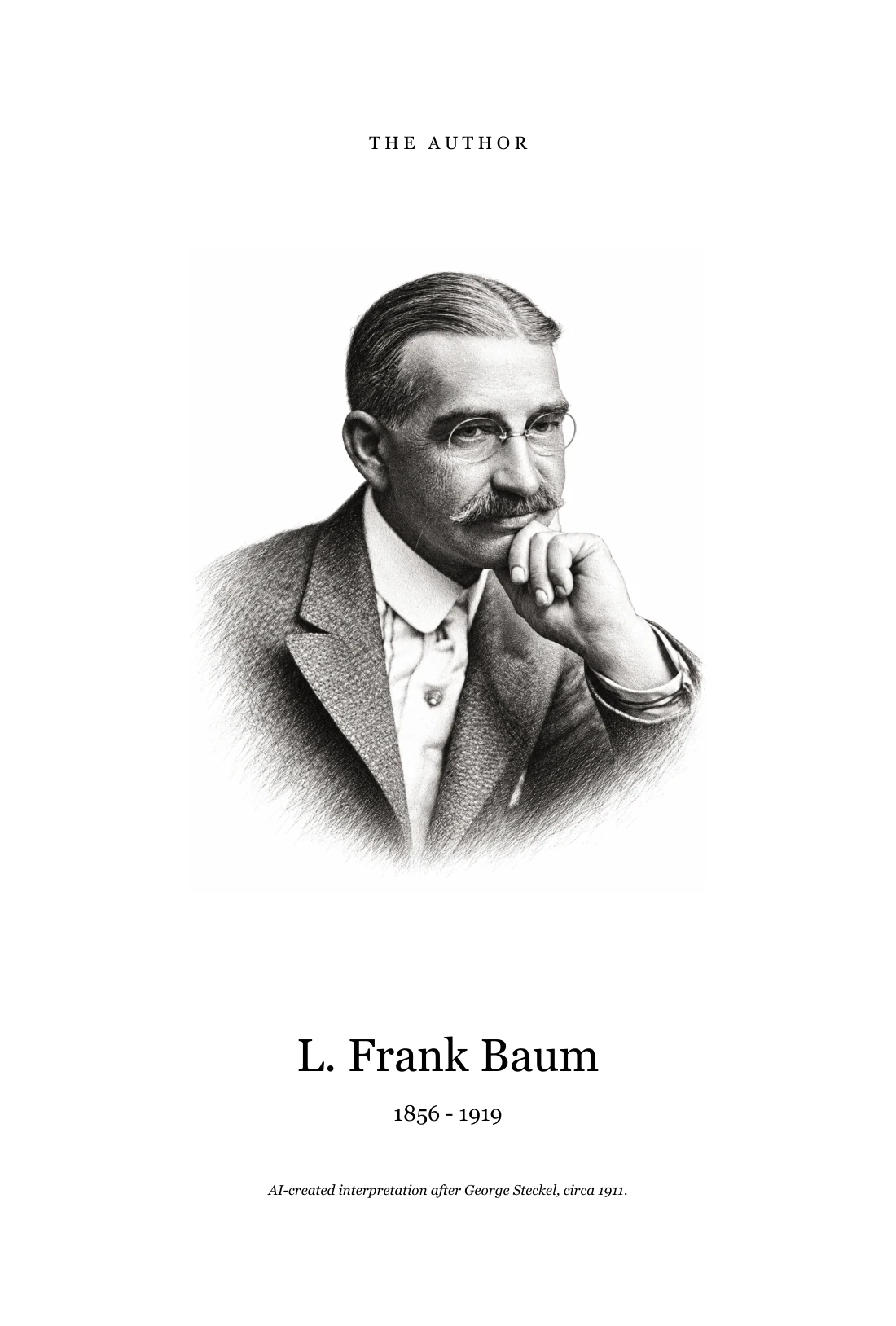
The Life and Adventures of Santa Claus
The Life and Adventures of Santa Claus gives Baum room to invent an enchanted upbringing and a whole imaginative history for Santa. Choose it for a sustained fairy-tale world. It is an invented origin, not a history of St. Nicholas or a handbook of Christmas customs.
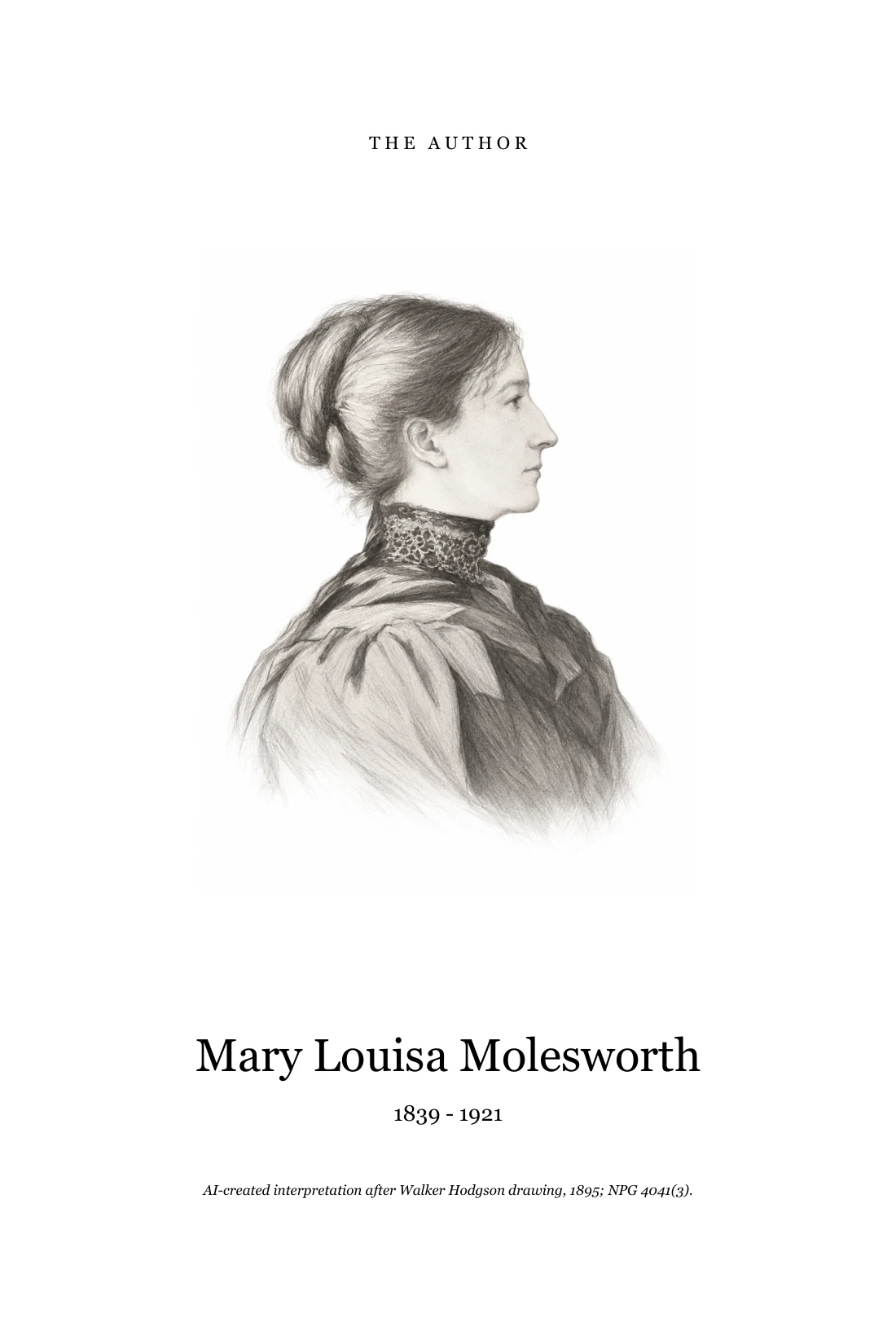
Christmas-Tree Land
Christmas-Tree Land follows Rollo and his sister among fir woods, a mysterious cottage and unfamiliar stories. Mrs. Molesworth makes atmosphere and discovery central to the experience. This is a choice for readers who enjoy being led gradually into a strange place rather than getting every rule explained immediately.
The House With Sixty Closets: A Christmas Story for Young Folks and Old Children
The House With Sixty Closets turns an unusual house into the opening for a whimsical Christmas story. Its appeal begins in the suggestion that domestic space may hold far more than expected. Choose it for curiosity and imaginative exploration, particularly if mysterious rooms are part of your reader’s favorite kind of tale.
The Fairies and the Christmas Child
The Fairies and the Christmas Child brings childhood wonder into a world of fairies and nature. It is an illustrated fantasy rather than a purely realistic holiday narrative. Consider it when the attraction is a wider enchanted world, and preview the prose as well as the pictures before choosing it for listeners.


When gifts and wishes become the storytellers
Some Christmas fantasies make the smallest object carry the largest imaginative burden. A stocking or a pie becomes a collection of possible adventures. Others take an apparently harmless wish and follow it farther than the person making it intended. These are especially good starting points for asking a listener what they think will happen next.
Karl Krinken, His Christmas Stocking
Karl Krinken, His Christmas Stocking gives the objects in a stocking stories of their own. It invites readers to look past a gift’s immediate use and imagine a history or adventure attached to it. The storytelling format offers natural pauses for conversation during a shared reading.
The Story of the Mince Pie
The Story of the Mince Pie lets ingredients become lively storytellers. Its food-centered invention distinguishes it from a journey through a fairy kingdom. Choose it for a playful seasonal premise, especially when you want to talk about how a writer transforms familiar material into narrative voices.
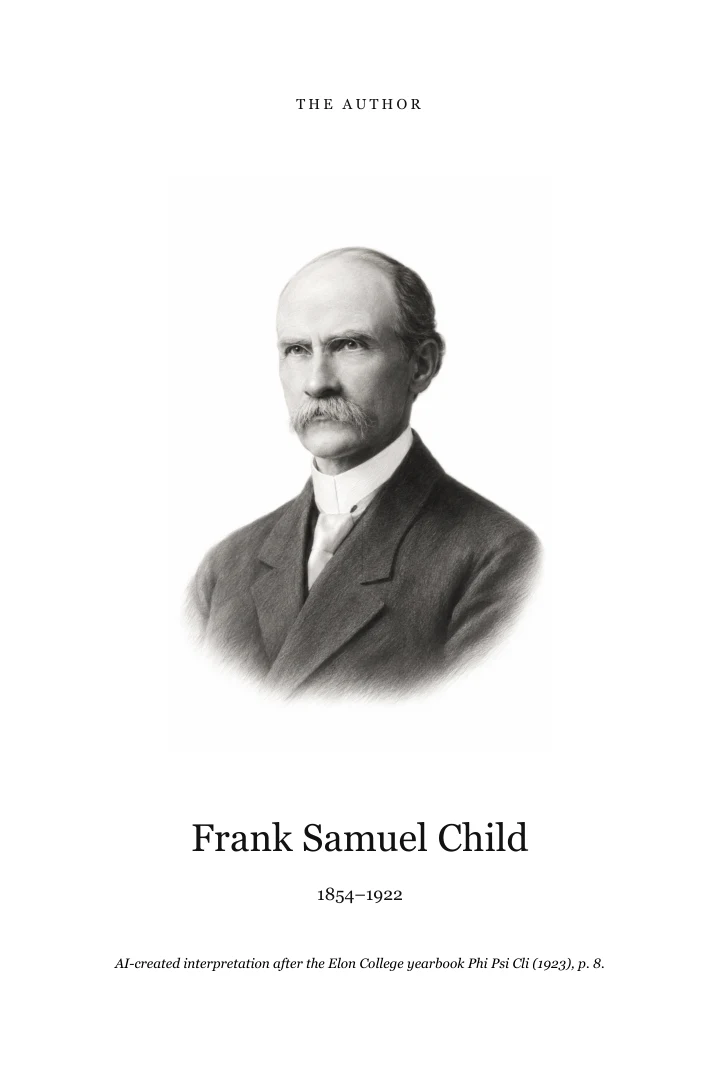
Christmas Every Day and Other Stories
Christmas Every Day begins with an irresistible wish and follows its unexpected consequences. It is a useful counterweight to fantasies in which getting what you want simply solves the problem. Ask what makes a holiday special and how anticipation changes when the calendar no longer provides a break.
The Adventures of Prince Lazybones and Other Stories
The Adventures of Prince Lazybones and Other Stories gathers four imaginative tales involving fairy worlds, Christmas magic and questions of responsibility. It is a varied collection rather than one uninterrupted Christmas adventure. Choose it if you want room to sample and compare different kinds of invention.


Keep the wonder and leave room for questions
Try asking what the magic permits a character to notice, rather than asking only whether the events could happen. Does an enchanted object reveal something about care, work or attention? Does a strange place help the children see an ordinary home differently? Questions like these can keep a conversation playful while taking the story seriously.
For broader family choices, see classic Christmas books for children. Readers who prefer realistic young characters helping their neighbors can continue with children’s Christmas stories about kindness. The two approaches can make an enjoyable pair: one book changes the world’s rules, while the other asks what can be done within them.
Questions readers ask
Are these all stories about Santa Claus?
No. Baum’s book centers Santa’s imagined origins; the others include enchanted landscapes, talking gifts, household wonders and the consequences of wishes.
Do all these books contain one continuous Christmas story?
No. Several contain multiple tales or frame stories. The notes identify collections so you can choose a format that suits your reading plan.