Begin with the wish, not the lesson
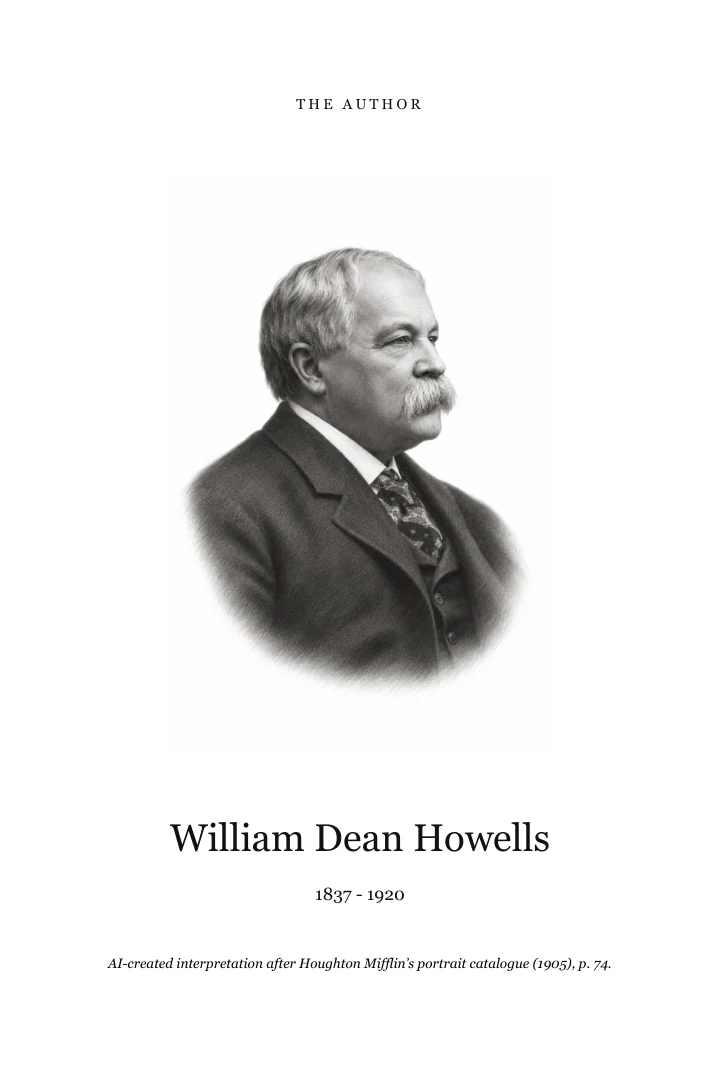
A wish story works because the first desire is understandable. A child enjoying Christmas does not need a complicated reason to want it again tomorrow. Howells’s premise invites readers to agree before they begin to see the difficulties. That movement is more interesting than starting with an instruction that children should be satisfied with what they have.
When reading aloud, give the wish room to seem attractive. Ask what would be best about a second Christmas, then what might become tiring after many repetitions. The conversation can remain playful. The story does not need to become a lecture about gratitude in order to open a thoughtful question about how pleasure depends on contrast.

Why ordinary days are part of a special day
A holiday is partly an event and partly the time surrounding it. Preparation, waiting and remembering give the day its shape. If the exceptional becomes permanent, the things that made it exceptional begin to change. That is a useful idea for adults as well as children, especially when December can feel like a demand to produce delight without interruption.
Notice the difference between repetition and abundance. Wanting a favorite thing again is not necessarily the same as wanting everything without limit. A good discussion can allow that distinction rather than treating every wish as evidence of selfishness. The literary interest lies in watching a simple idea meet consequences the person making the wish has not considered.
The comic method also matters. An impossible premise lets the writer exaggerate without requiring a realistic explanation for every event. Readers can follow the logic of the wish and still know that the story is inventing a world for the sake of the question. That freedom makes fantasy a useful way to think about ordinary habits.
Read it beside another Christmas fantasy
Pairing two fantasies can show how differently magic works. One may expose the limits of a wish, while another lets an object tell a story or creates an entire imagined history. Ask what the magical device allows the author to notice. The answer need not be the same simply because both books belong on a Christmas shelf.
Karl Krinken, His Christmas Stocking
Karl Krinken, His Christmas Stocking gives gifts their own stories. It makes a useful companion because its imaginative movement begins with particular objects rather than a wish to repeat an entire day. Compare the attention given to an individual gift with the scale of Howells’s impossible calendar.
The Life and Adventures of Santa Claus
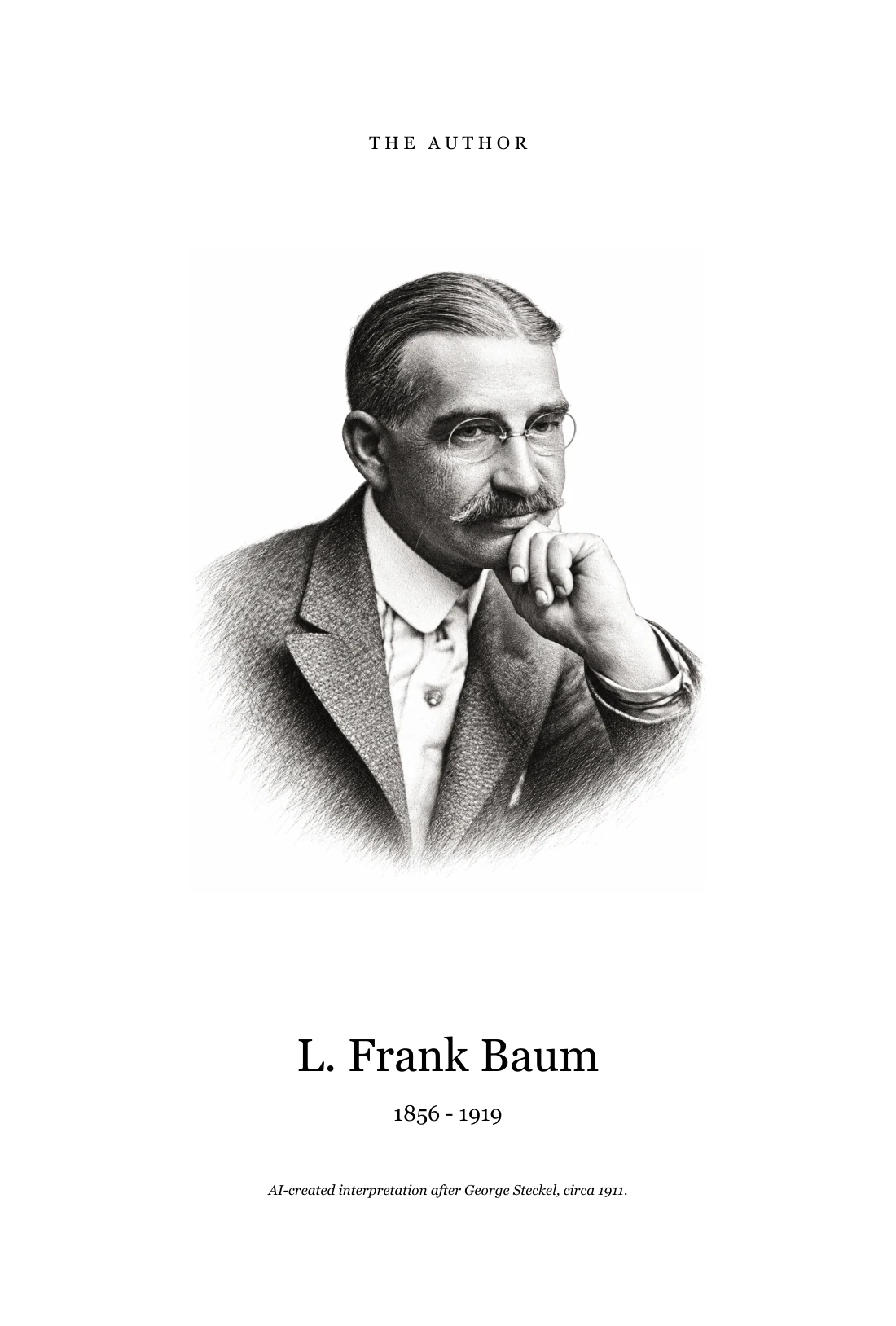
The Life and Adventures of Santa Claus develops an invented origin for Santa in an enchanted world. Its larger fairy-tale history contrasts with a compact wish premise. Choose the pairing if you want to compare a world built over time with a single idea followed toward surprising consequences.



Questions for a family or reading group
Ask when the wish first begins to sound less attractive and which consequence is most surprising. Then ask whether the story changes the desire itself or only the conditions under which it seems reasonable. An adult can offer an example of a pleasure that needs a pause, but let children suggest their own comparisons rather than supplying every answer.
For more seasonal comedy, explore funny classic Christmas books. For other kinds of invention, our Christmas fantasy guide separates enchanted journeys, talking gifts and unfamiliar houses. The useful next book is one that changes the imaginative question, not simply another title containing the word Christmas.
Questions readers ask
Is Christmas Every Day a single book-length narrative?
The Pipcub volume is Christmas Every Day and Other Stories. The title story shares the book with other imaginative tales.
What is the title story’s central idea?
A little girl wishes for Christmas every day, and the story follows the unexpected consequences of making a special occasion permanent.