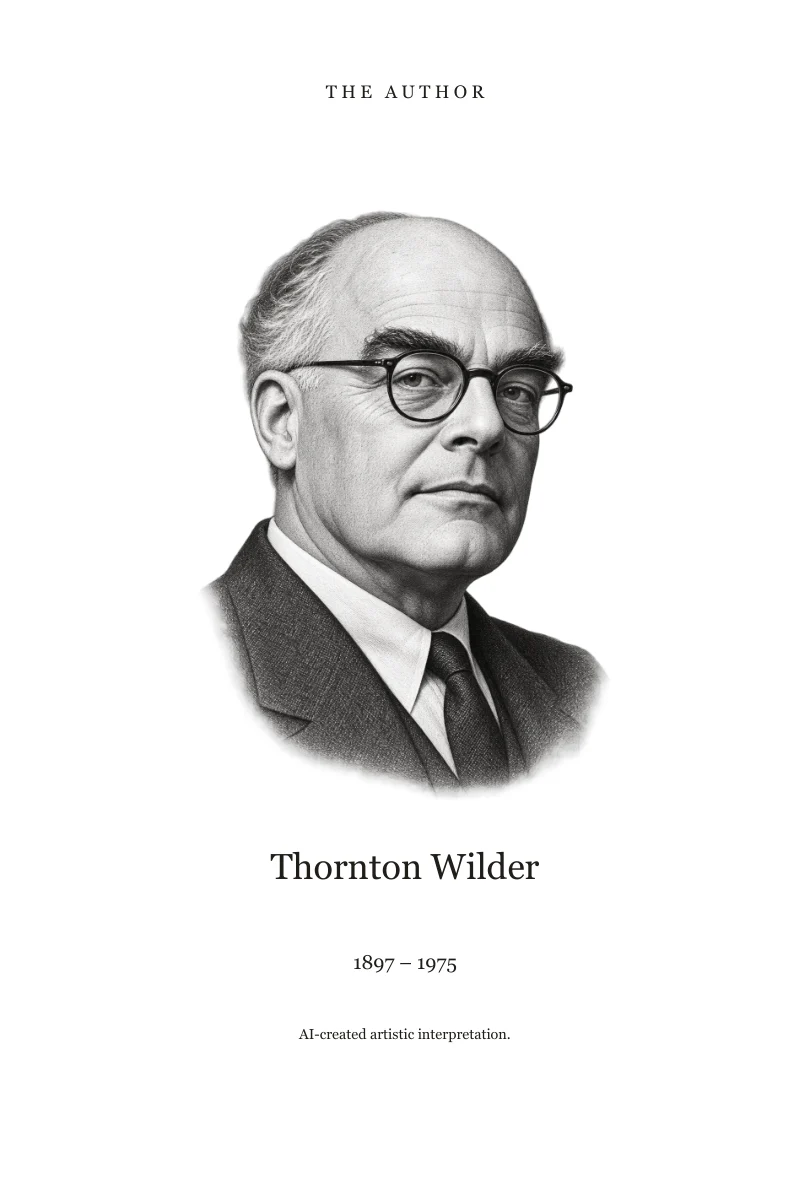
In 1928, the year after it came out, The Bridge of San Luis Rey was the best-selling work of fiction in the United States, and in May it won the Pulitzer Prize for the Novel. Its author, Thornton Wilder, had published only one novel before. The book runs to a little over 30,000 words: short enough for a single long evening.
It is also one of the most quietly ambitious. In five brief parts, Wilder asks a question that has no comfortable answer: when disaster strikes, is there any reason why it strikes these people and not others?
What is The Bridge of San Luis Rey about?
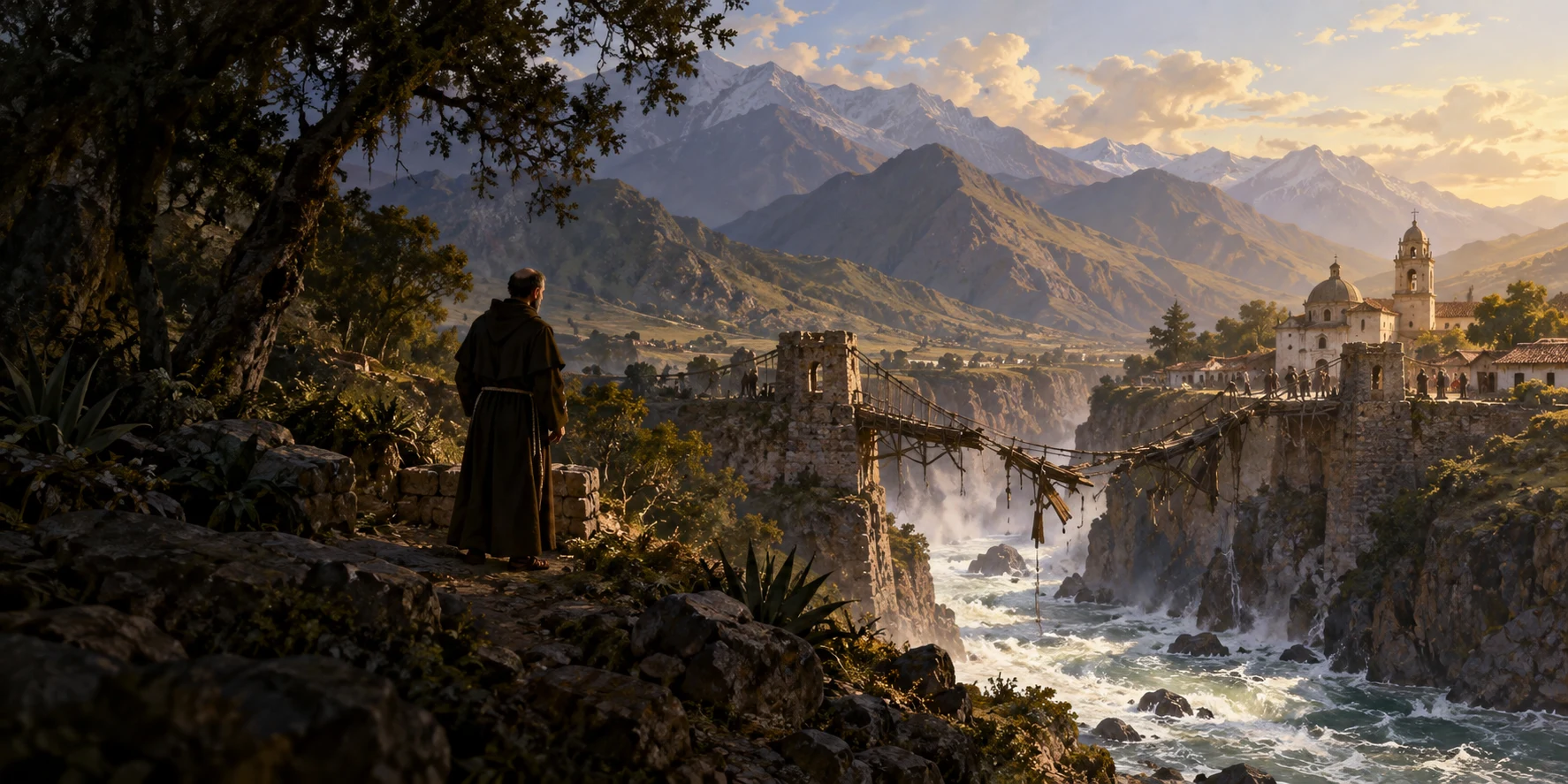
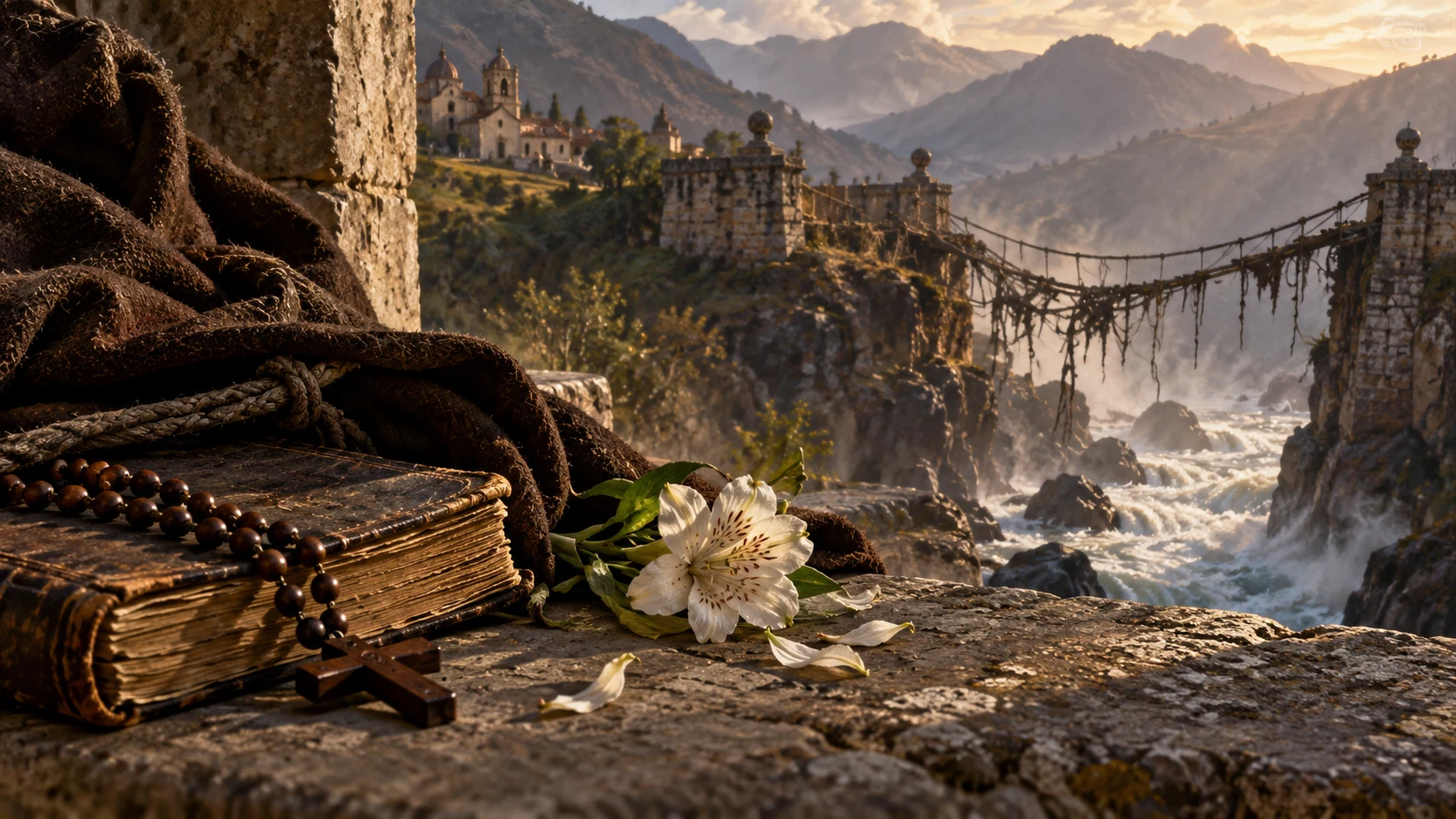
The first sentence tells you what happens. “On Friday noon, July the twentieth, 1714, the finest bridge in all Peru broke and precipitated five travellers into the gulf below.” The bridge is an old Inca rope bridge on the road between Lima and Cuzco, woven of osier, and it had seemed to everyone among the things that last forever.
A Franciscan, Brother Juniper, sees it fall. He resolves to prove that the collapse was an act of God by investigating the lives of the five victims, and spends six years questioning everyone who knew them. The novel presents itself as what Juniper found, and what he missed.
- The Marquesa de Montemayor, an elderly, eccentric noblewoman who pours her love into letters to a daughter in Spain who does not return it, and the orphan girl Pepita who serves her.
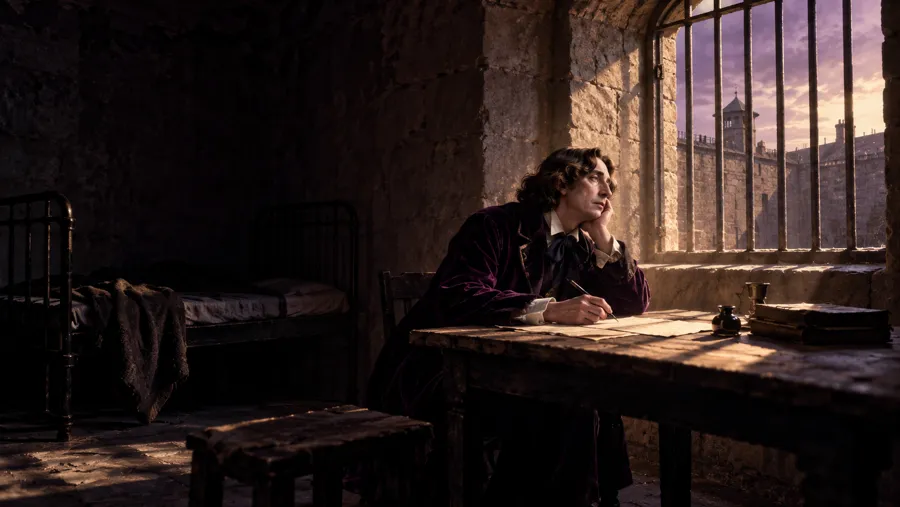
- Esteban, a copyist whose twin brother Manuel has recently died, and who cannot find a way to go on living without him.
- Uncle Pio, the devoted, disreputable mentor of Lima’s most celebrated actress, the Perichole, and the small boy he is taking away to educate.
Each life gets its own part, and each one reaches the bridge at the moment, as Wilder arranges it, when the person crossing had just begun to change.
Why is it so short, and does that matter?
Wilder wrote compactly by instinct. There are no wasted scenes, and much of the story is told in summary, as if by a historian looking back over Juniper’s notes. That economy is the source of its power. Each part could be a novel in itself, and Wilder trusts you to feel the weight of what he leaves out.
It is also why the book rewards rereading. On a first reading you follow the stories. On a second you notice how carefully the threads cross: how the characters glimpse each other in the streets of Lima, and how the Abbess Madre María del Pilar, who survives them all, ties the strands together at the end.
There is a land of the living and a land of the dead and the bridge is love, the only survival, the only meaning.
Thornton Wilder, The Bridge of San Luis Rey
Why do people still quote the ending?
Because it offers comfort without lying. Brother Juniper’s attempt to prove divine justice ends badly: his book is judged heretical and burned in the great square, and Juniper with it. Wilder never claims to know why the bridge broke. What he offers instead is the Abbess’s thought that love, even forgotten love, is not wasted.
That last line has travelled far beyond the novel. In 2001, at a memorial service in New York for the victims of the September 11 attacks, the British prime minister Tony Blair quoted it.
What else did Thornton Wilder write?
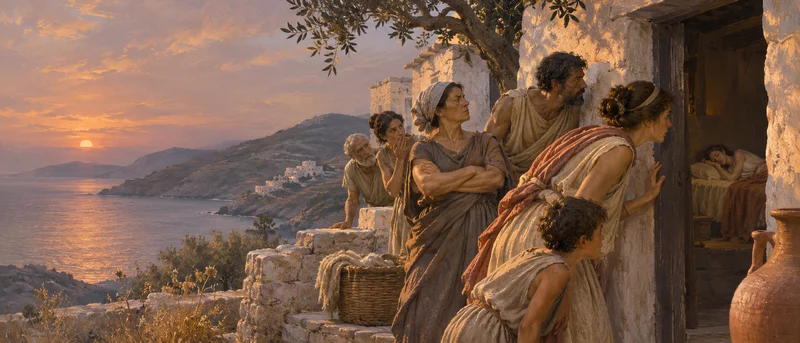
Wilder went on to win two more Pulitzer Prizes, both for drama: in 1938 for Our Town, his play about life and death in a small New Hampshire town, and in 1943 for The Skin of Our Teeth. That made him a Pulitzer winner in both fiction and drama. His next novel after Bridge, The Woman of Andros (1930), goes back to a Greek island before the birth of Christ and, like Bridge, is short, grave and searching.
The Bridge of San Luis Rey
1927. Five people, one collapsing bridge and a friar determined to find a reason. Pulitzer Prize, 1928, and a novel you can finish in an evening.
The Woman of Andros
1930. Wilder’s follow-up, inspired by a comedy by Terence and set on an imaginary Greek island. Another short meditation on how to live well without certainty.


Short books, long shadows
If short and serious is what you are after, try Classics you can read in one evening and The best classic novellas. Another Pulitzer story is told in Did you know Edith Wharton was the first woman to win the Pulitzer Prize for fiction?, and the wider American shelf is in Essential American classics.
Then clear an evening. Open The Bridge of San Luis Rey, read the first sentence, and keep going until you reach the Abbess.
Questions readers ask
Did The Bridge of San Luis Rey win a Pulitzer Prize?
Yes. It won the Pulitzer Prize for the Novel in 1928, and it was the best-selling work of fiction in the United States that year.
Is The Bridge of San Luis Rey based on a true story?
No. The collapse of the bridge in 1714 is invented, but some characters are based on real people, including the actress known as the Perichole and the Viceroy of Peru.
How long is The Bridge of San Luis Rey?
It is a short novel of a little over 30,000 words, divided into five parts. Most readers can finish it in an evening.
What is the meaning of the ending of The Bridge of San Luis Rey?
The novel refuses to explain why the five died. It ends instead with the idea that love outlasts death and memory: “the bridge is love, the only survival, the only meaning.”
 The Cabala106 pages · $11.99