
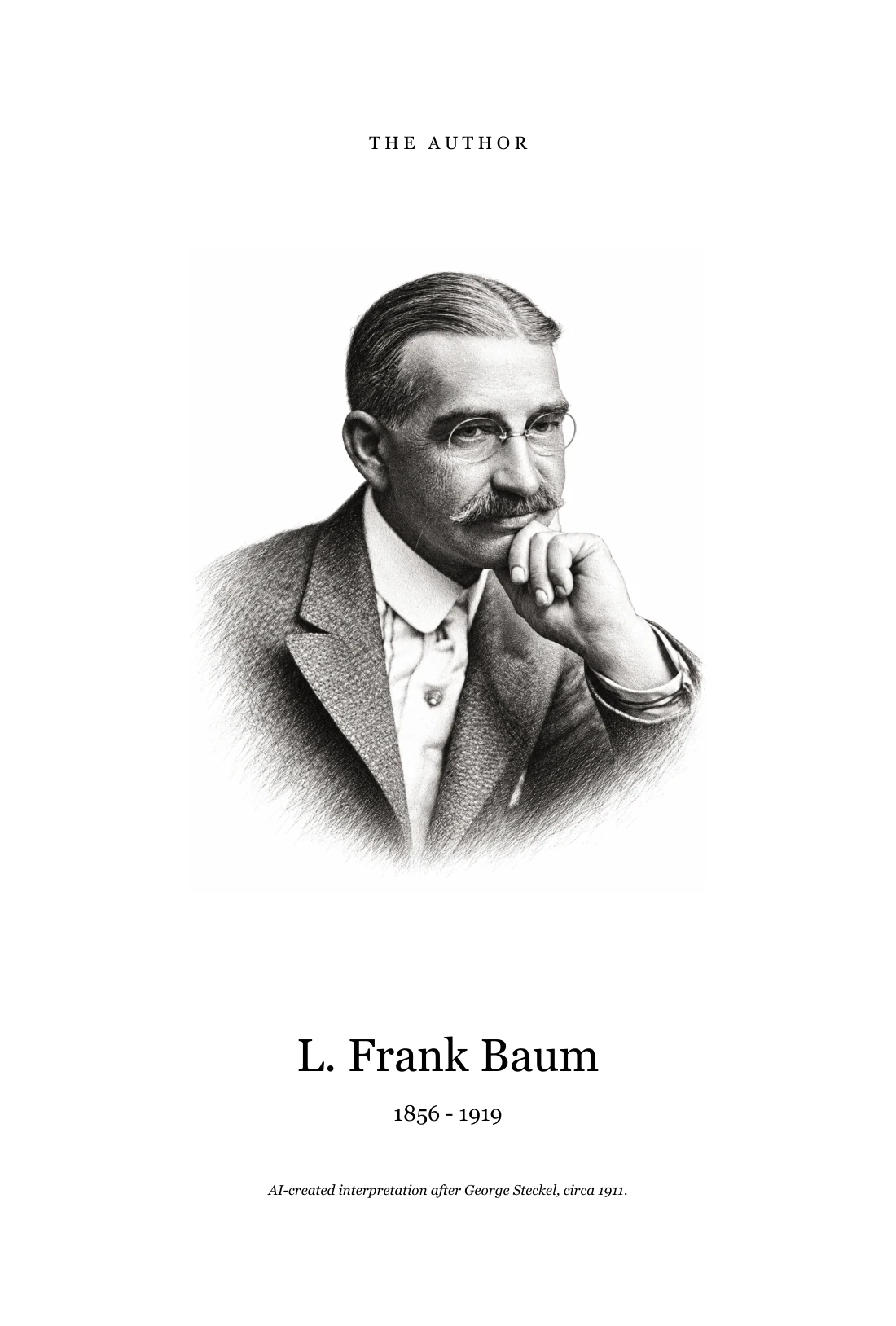
A late-book question: must Claus’s life come to an end?
This article discusses a late episode in The Life and Adventures of Santa Claus. If you want to discover the full story without knowing that development, begin with our spoiler-light introduction. The central fact is that Baum’s Claus gains a Mantle of Immortality after the immortals decide his life of service to children should continue.
The surprising part is not simply that a fantasy contains a magical garment. It is that the familiar permanence of Santa becomes a problem the narrative addresses. A figure readers may already imagine as always present is first given a life that develops through stages. The story then asks how that life can become something enduring.

The mantle is a decision as well as an object
The immortals agree to bestow the mantle on Claus. In the scene, the magical gift preserves the person whose work has become important to children. That makes the episode a judgment about a life, not only an explanation of a supernatural ability. The story connects endurance with what Claus does for others.
The Spirit of Death is present near Claus before the mantle is brought to him. The scene therefore gives the gift urgency rather than treating it as a decorative reward in an already secure world. Readers may find that contrast unexpectedly serious in a book associated with toys and seasonal delight. Fantasy can hold vulnerability and reassurance in the same episode.
Baum’s imagined answer should remain clearly labeled as his answer. Santa stories do not all share one official set of rules, and a detail in one literary version does not automatically explain another version. That variety is part of the interest of reading the book: it makes familiar images strange enough to notice again.
Read the story as an origin, not a list of traditions
An origin story takes something recognizable and asks what events could have produced it. That means the reader knows a destination but can still be surprised by the route. Notice how the fantasy builds connections between a child, a world of immortal beings and a lasting relationship with human children. The eventual mantle gains meaning from that earlier development.
For a discussion, ask whether immortality would carry the same meaning if it were simply given at the beginning. What changes when a character must first live, work and become necessary to others? You do not need to agree with every emphasis in the story to recognize the difference between a permanent identity assumed in advance and one created through a narrative.
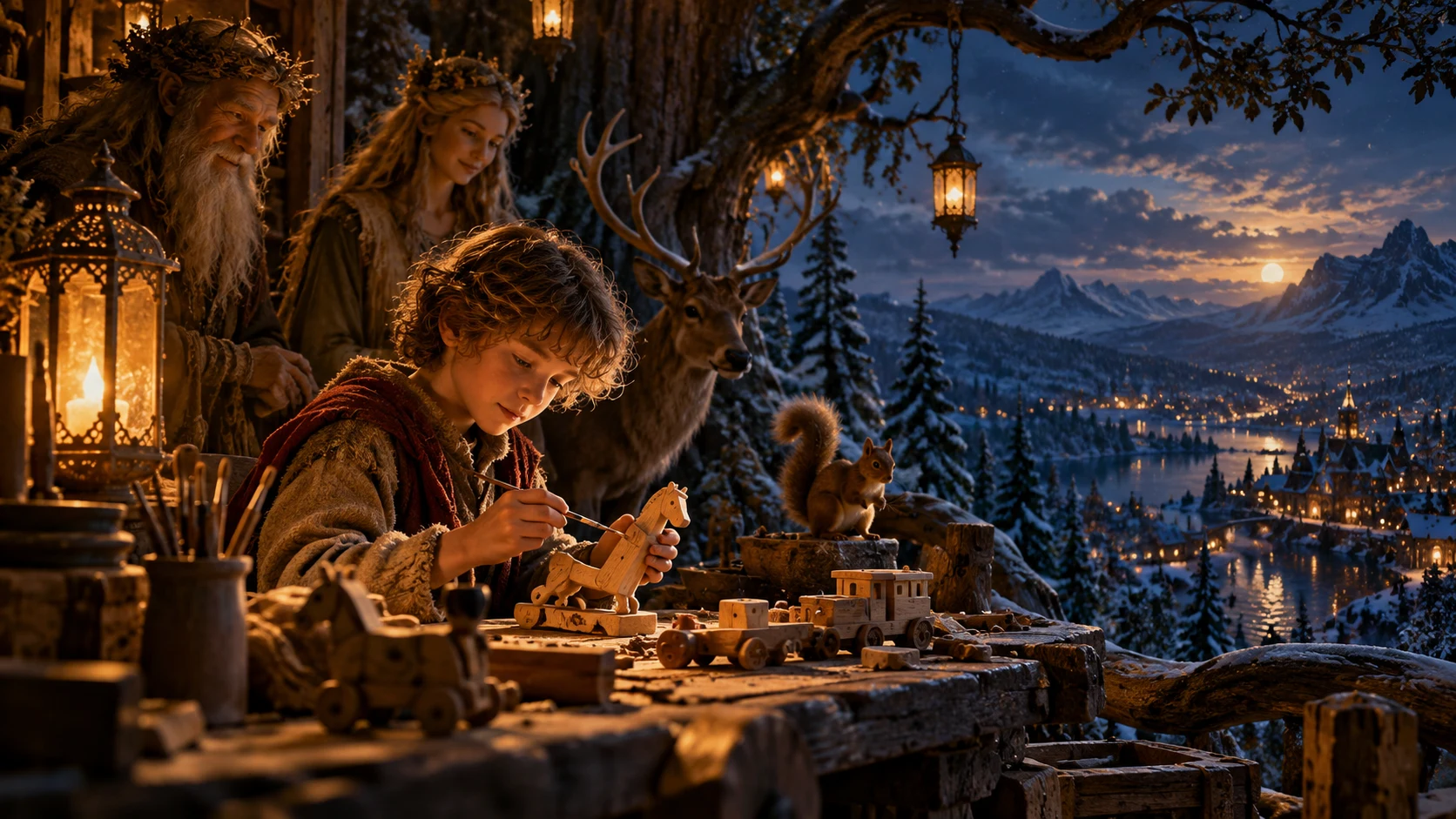
What to read if the historical question interests you instead
If you want to understand legends and customs associated with St. Nicholas, a historical study is the better route. Baum’s invention is not evidence for how a real custom began. Keeping fantasy and history separate lets both be enjoyed more clearly: one constructs a possible world, while the other investigates accounts and practices.
Our Christmas traditions guide includes George Harley McKnight’s St. Nicholas study. For more imaginative transformations of gifts and holiday objects, see Christmas fantasy books. If the Oz connection is the surprise you want to follow, read Santa’s visit to the Emerald City.
Sources and further reading
Questions readers ask
How does Santa become immortal in Baum’s story?
The immortals bestow a Mantle of Immortality on Claus, allowing his life and work for children to continue.
Is the Mantle of Immortality a historical St. Nicholas tradition?
This article describes Baum’s fictional version. It should not be treated as a historical explanation of St. Nicholas or every Santa tradition.
 The Wonderful Wizard of Oz112 pages · $11.99
 The Marvelous Land of Oz132 pages · $12.99
 Ozma of Oz122 pages · $11.99
 Dorothy and the Wizard in Oz130 pages · $11.99