THE STORY
What must a storyteller choose?
Edith Wharton considers point of view, construction and the different demands of a story and a novel. Her examples ask a practical question about every scene: what earns its place on the page?
Browse collections

Find your next chapter
Explore timeless stories, unexpected discoveries, and old favourites.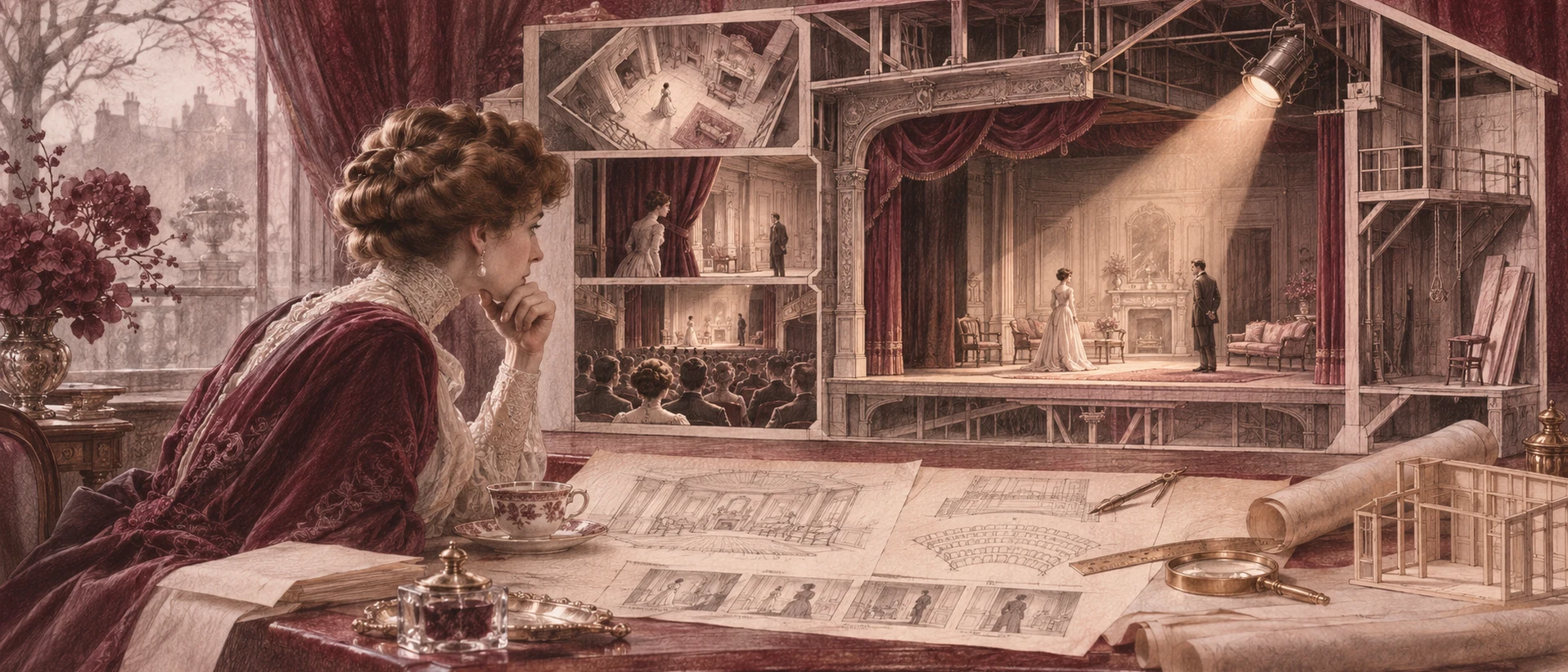
Edith Wharton considers point of view, construction and the different demands of a story and a novel. Her examples ask a practical question about every scene: what earns its place on the page?
$10.99
Printed for you. Shipping calculated at checkout.

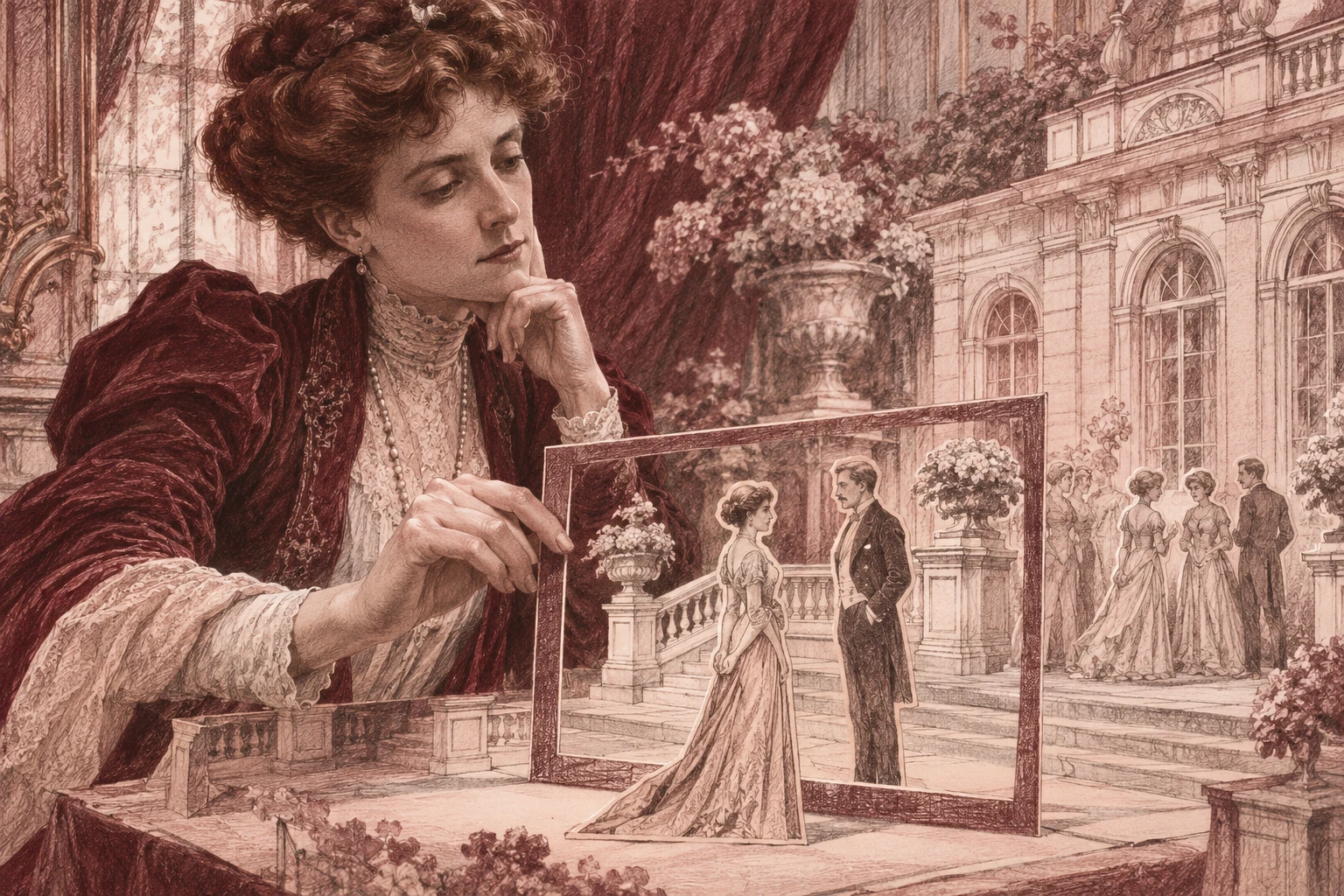
THE STORY
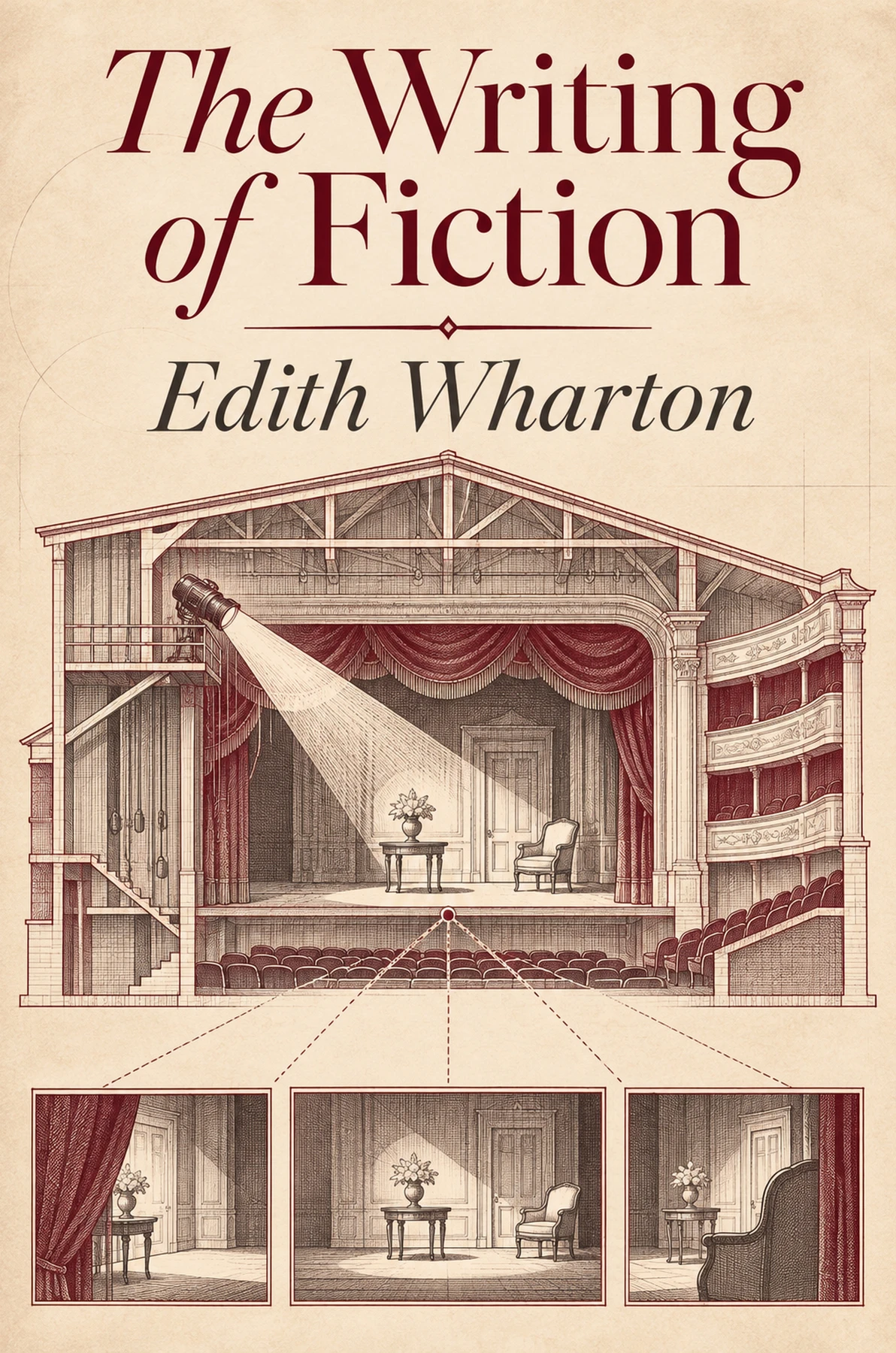
Edith Wharton considers point of view, construction and the different demands of a story and a novel. Her examples ask a practical question about every scene: what earns its place on the page?
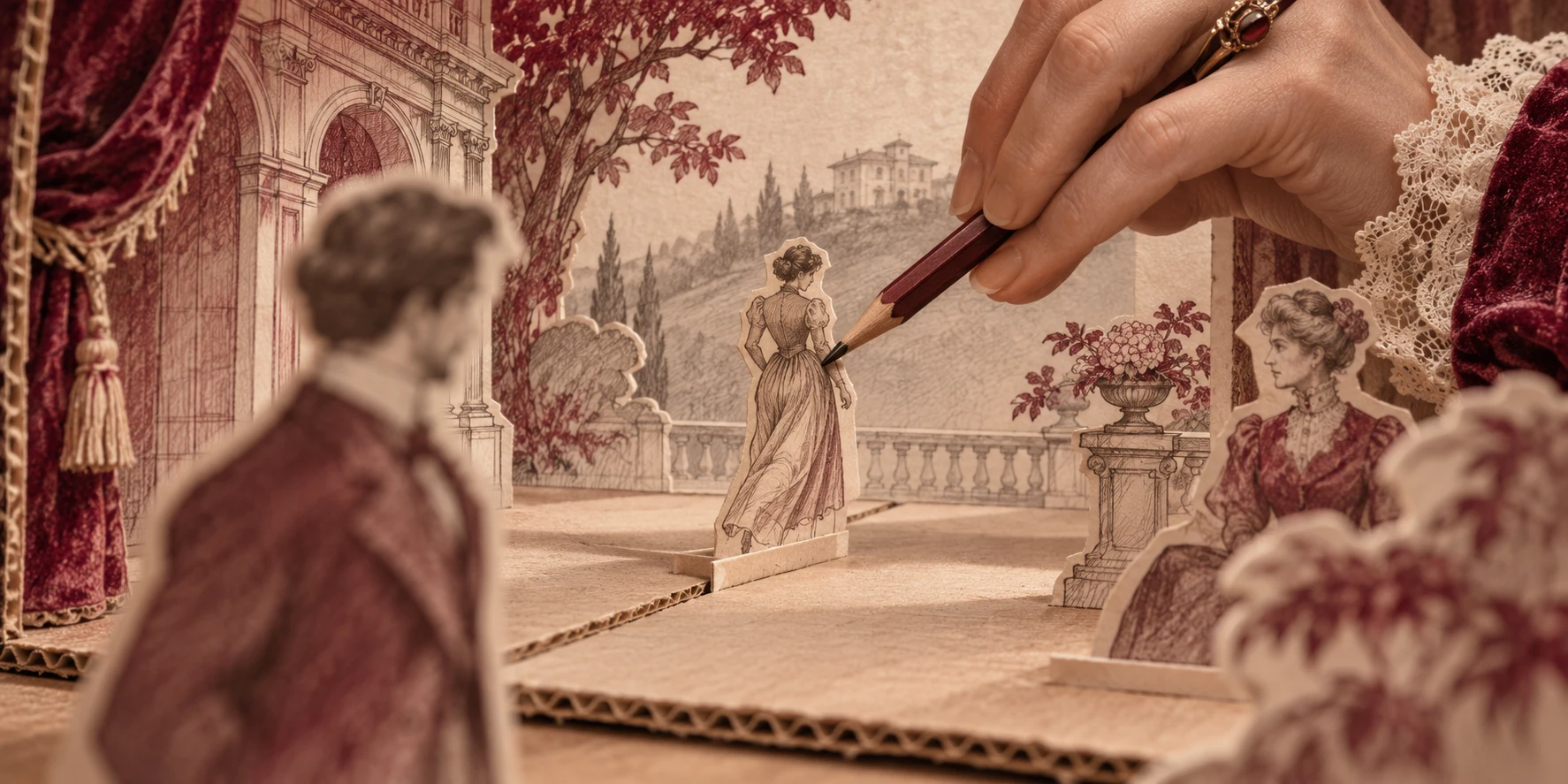
THE WORLD OF THE BOOK
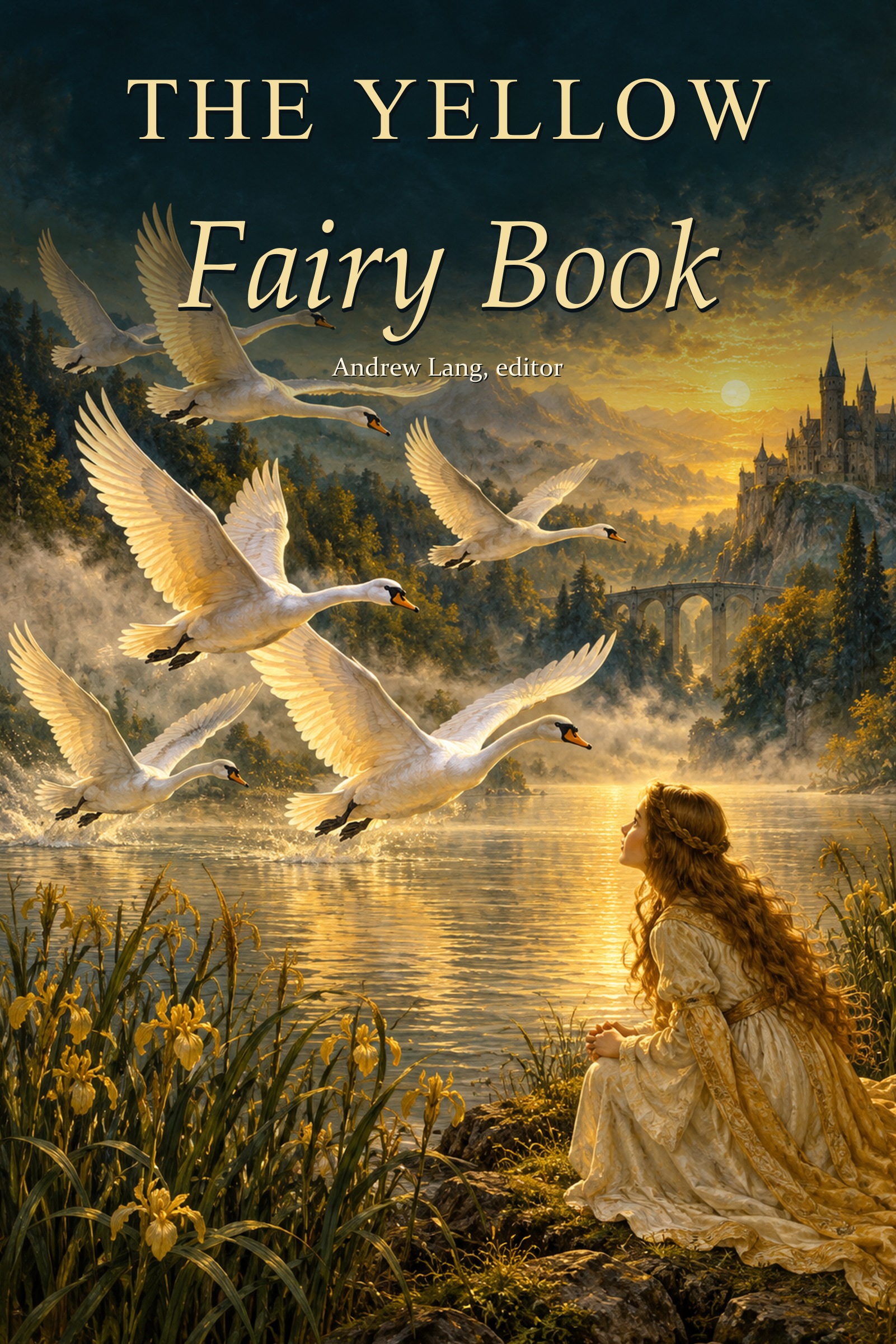
A pencil points toward a figure on the miniature stage.
LOOK INSIDE
Preview six pages from this edition. Select a page to enlarge it, or use the arrows to keep reading.
Spread 1 of 3
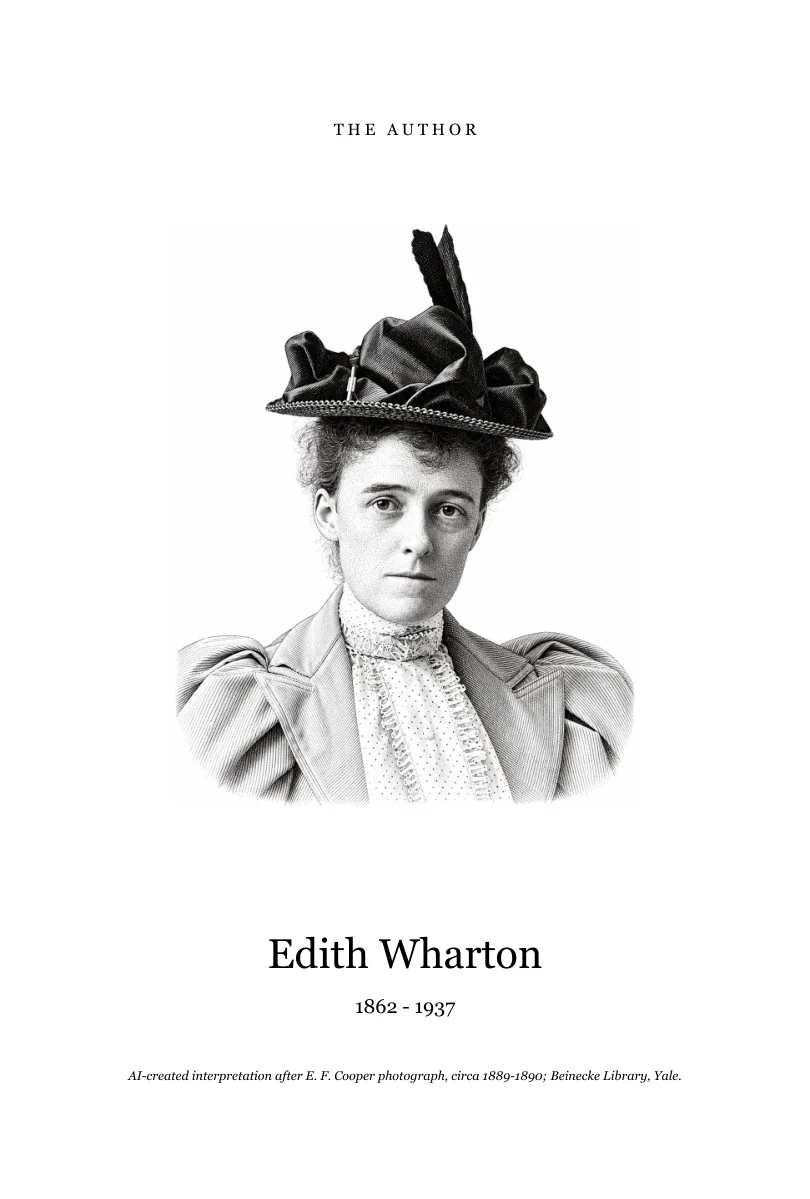
ABOUT THE AUTHOR
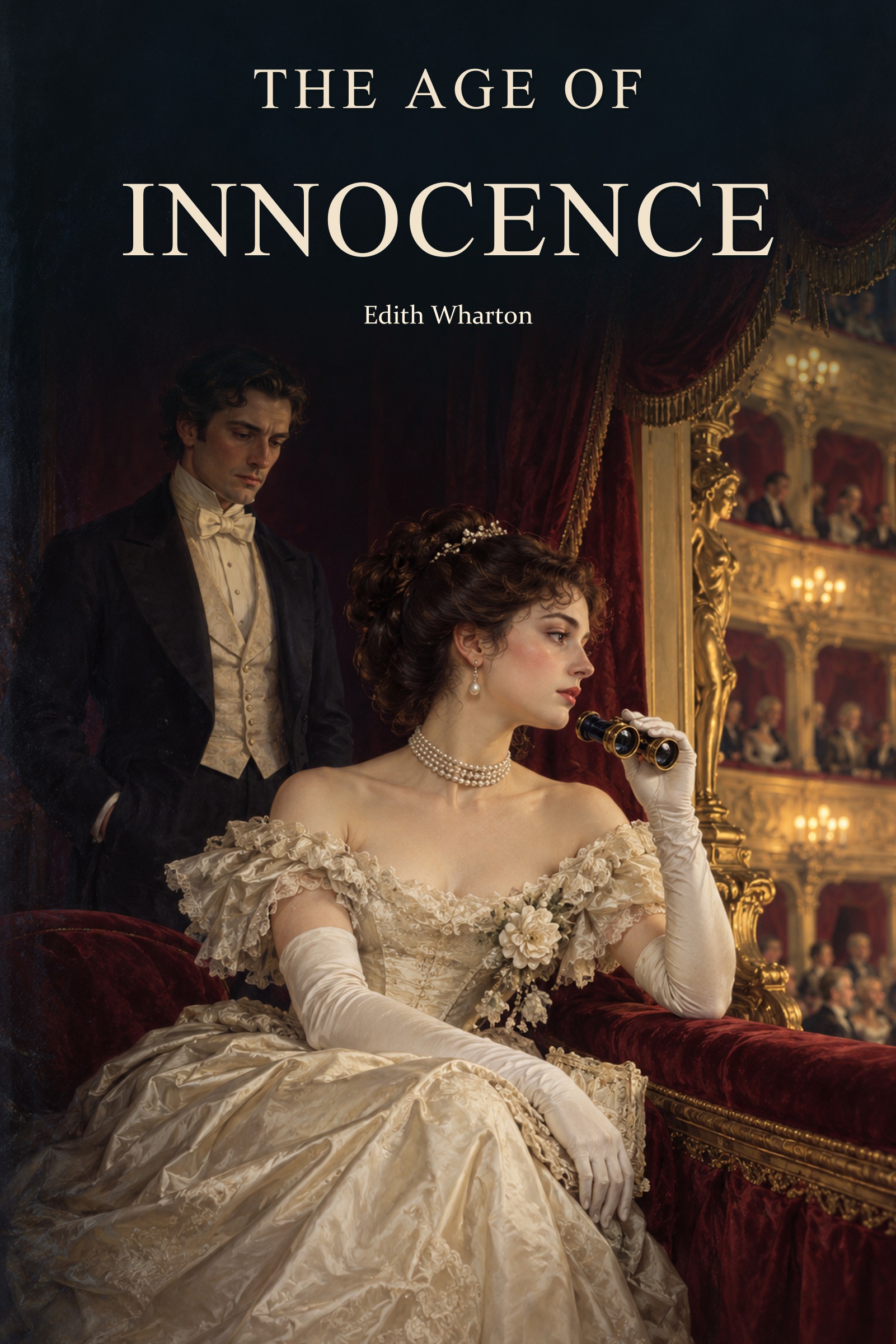
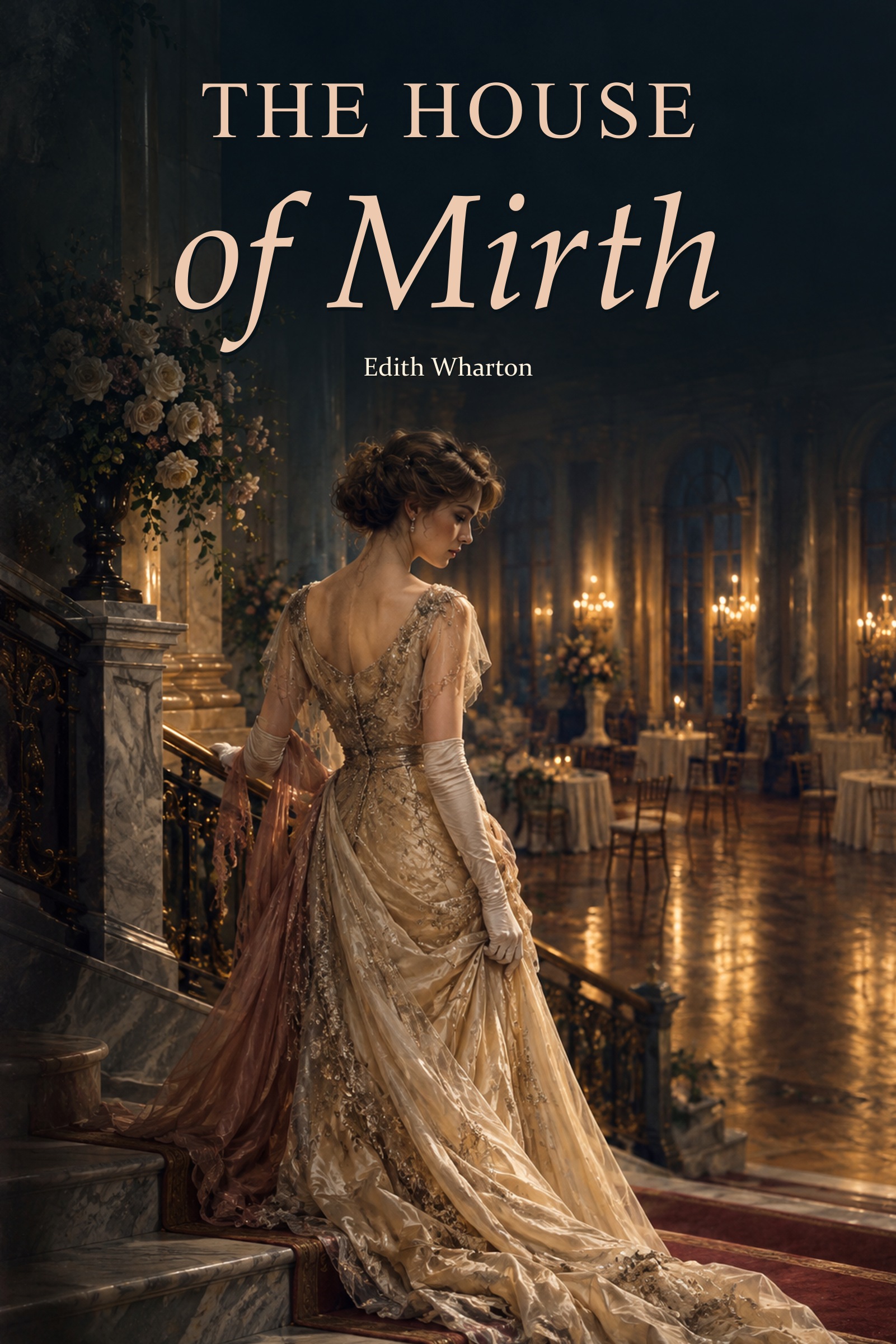
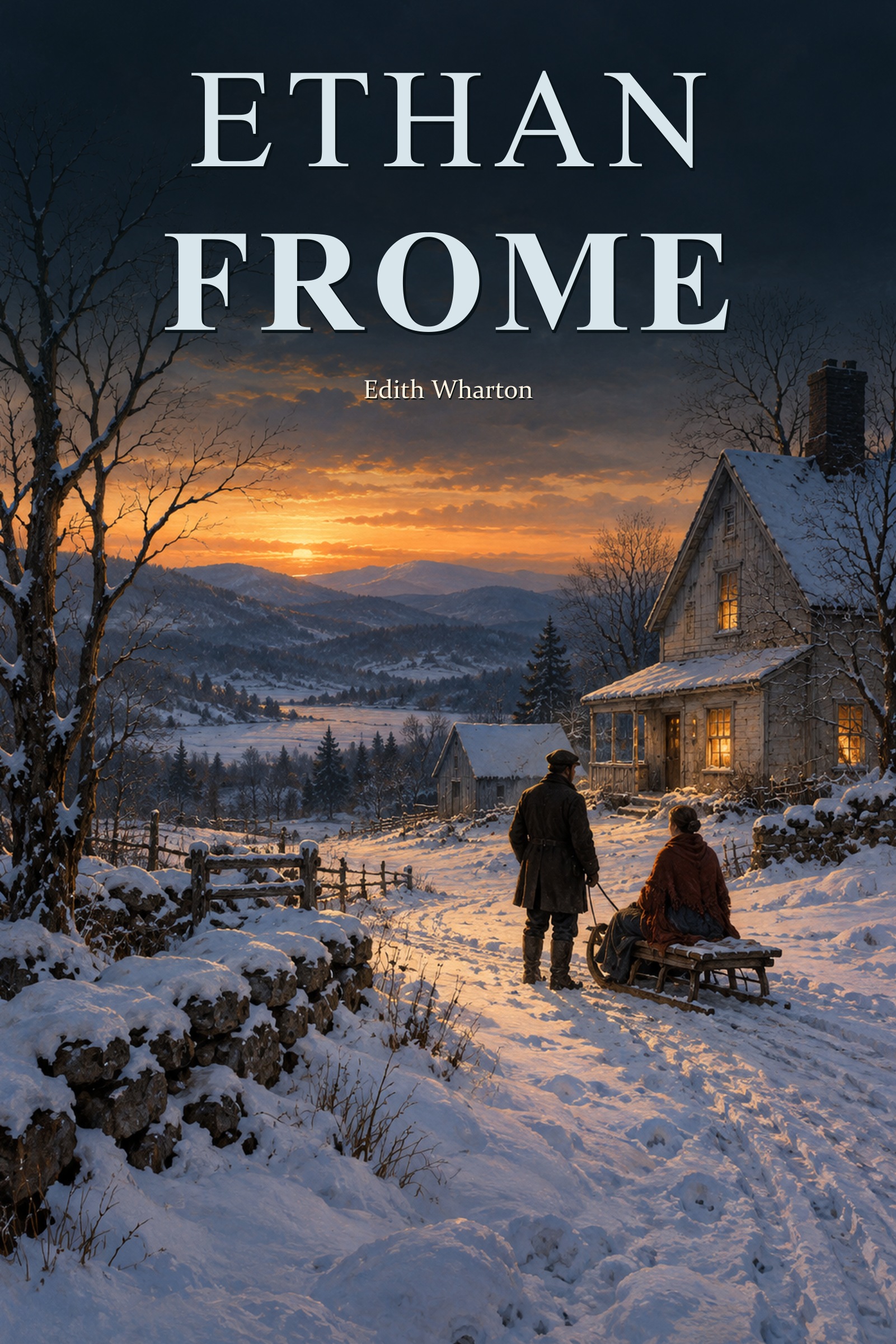
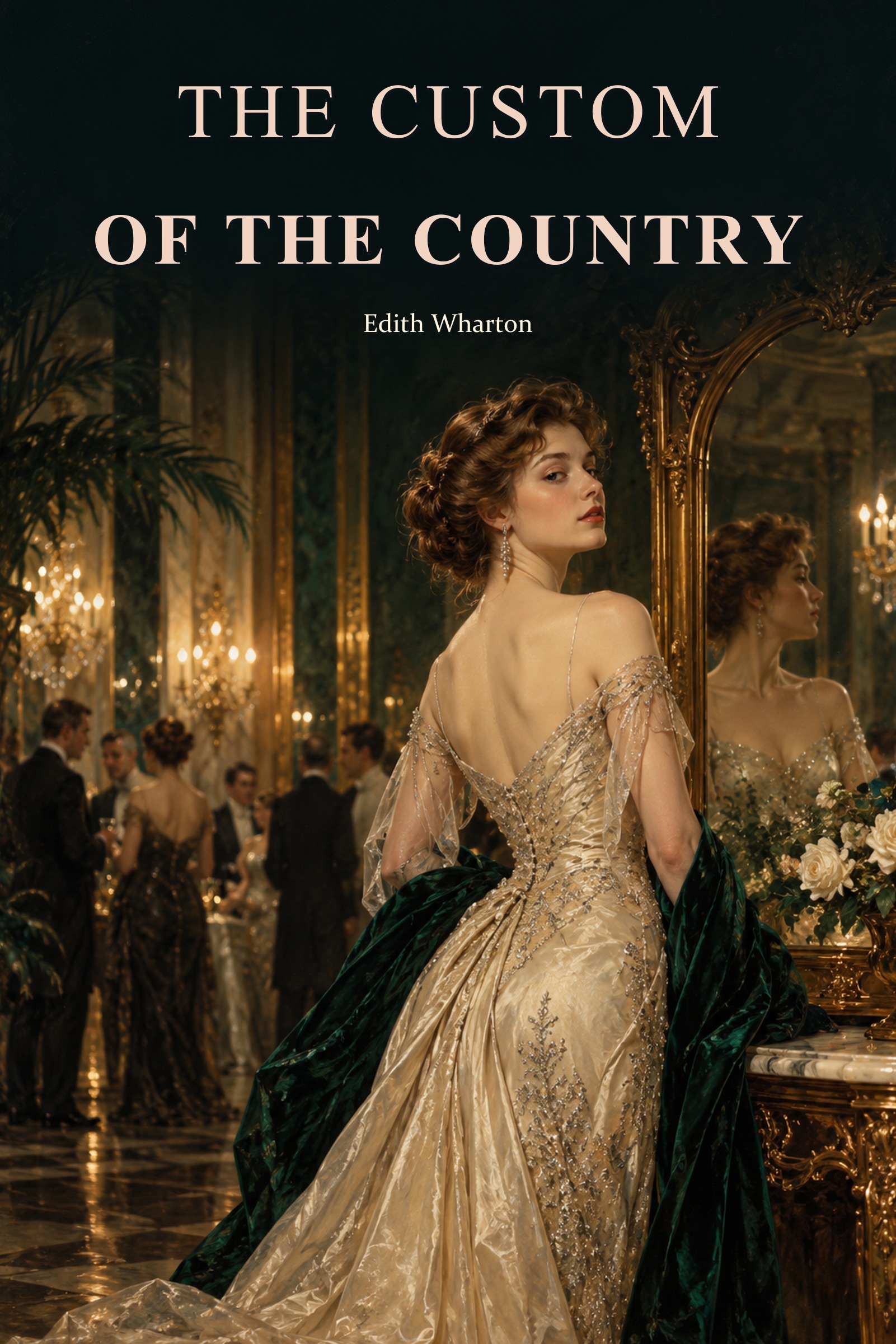
Edith Wharton was an American writer and designer whose fiction draws on an intimate knowledge of wealthy New York society. She examines the rules by which people recognise status, protect reputations and decide who belongs. The apparent ease of privileged life often conceals severe limits on individual choice. In The House of Mirth, social expectation and financial dependence shape the possibilities available to a woman. The Age of Innocence returns to the customs of an earlier New York, showing how private desires meet the obligations imposed by a tightly connected community. Wharton's range also includes the stark rural setting of Ethan Frome and a notable body of ghost stories. Across these different forms, she pays close attention to atmosphere, implication and what a character cannot comfortably say. In 1921, The Age of Innocence made her the first woman awarded the Pulitzer Prize for fiction. Her work remains distinctive for the relationship between its precise observation and its emotional restraint: a conversation, a room or a small breach of etiquette can reveal the pressure of an entire social world. Biographical reference: Wikipedia, Edith Wharton. Portrait source: E. F. Cooper photograph, circa 1889-1890; Beinecke Library, Yale. Full source records are retained in the edition archive.
More about the author ↗THE NEXT CHAPTER
FREE TO READ
The Writing of Fiction is in the public domain, so its words belong to everyone. Download our edition free. No account needed.
Best for phones, Apple Books, Google Play Books, Kobo and Kindle
The printed page layout, with illustrations
KEEP BROWSING