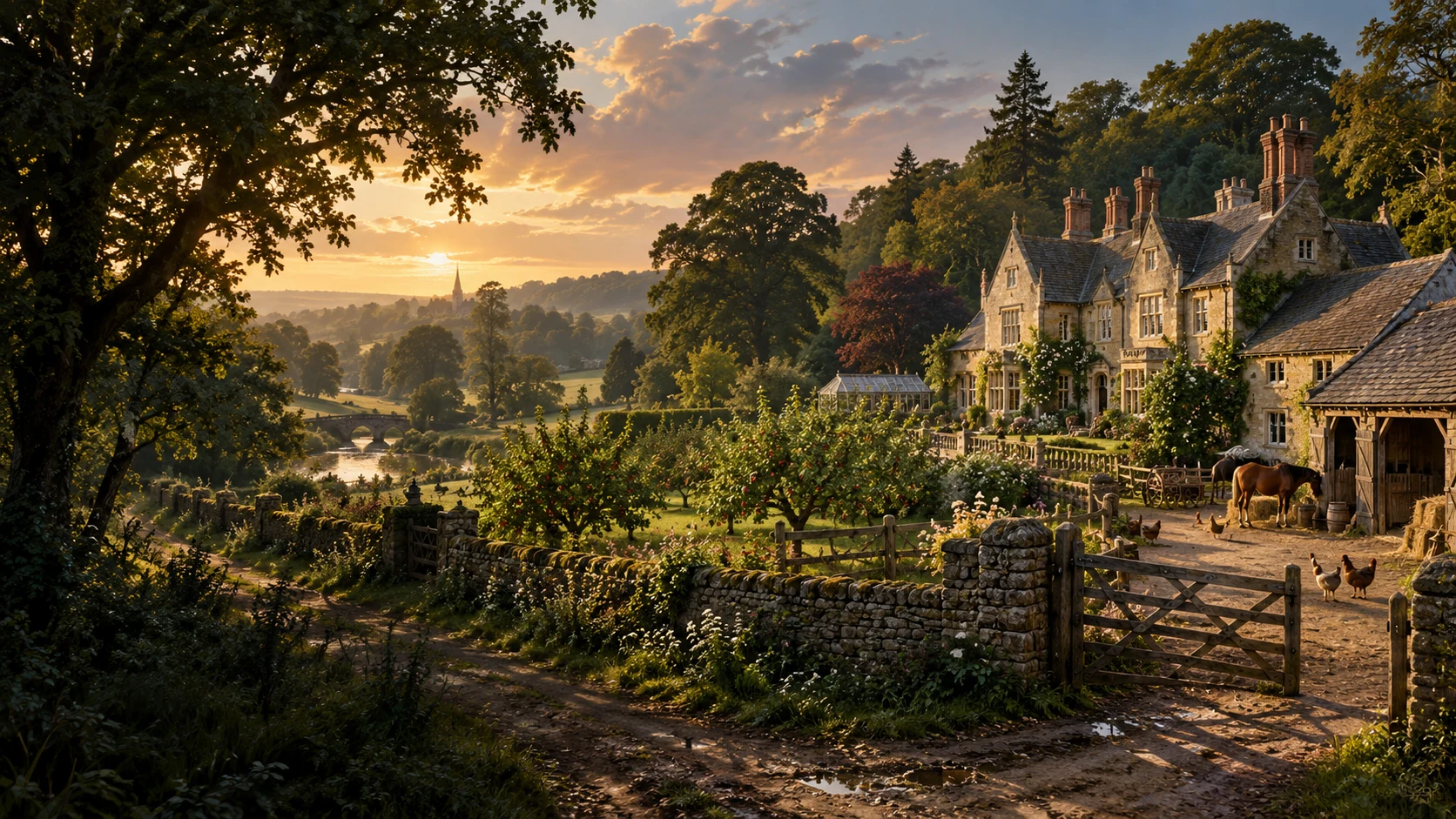
An Edwardian country house with a farmyard, orchard and woodland beyond
PIPCUB CINEMATIC EDITIONS / PAPERBACK BOOKS

The Wouldbegoods

E. Nesbit

The Bastable children form a society devoted to noble deeds. A country holiday gives them ample opportunity to help, experiment and misunderstand, with the finest intentions leading to gloriously unpredictable consequences.

$14.99

Printed for you. Shipping calculated at checkout.

Checkout opening soon. Shipping & delivery Returns

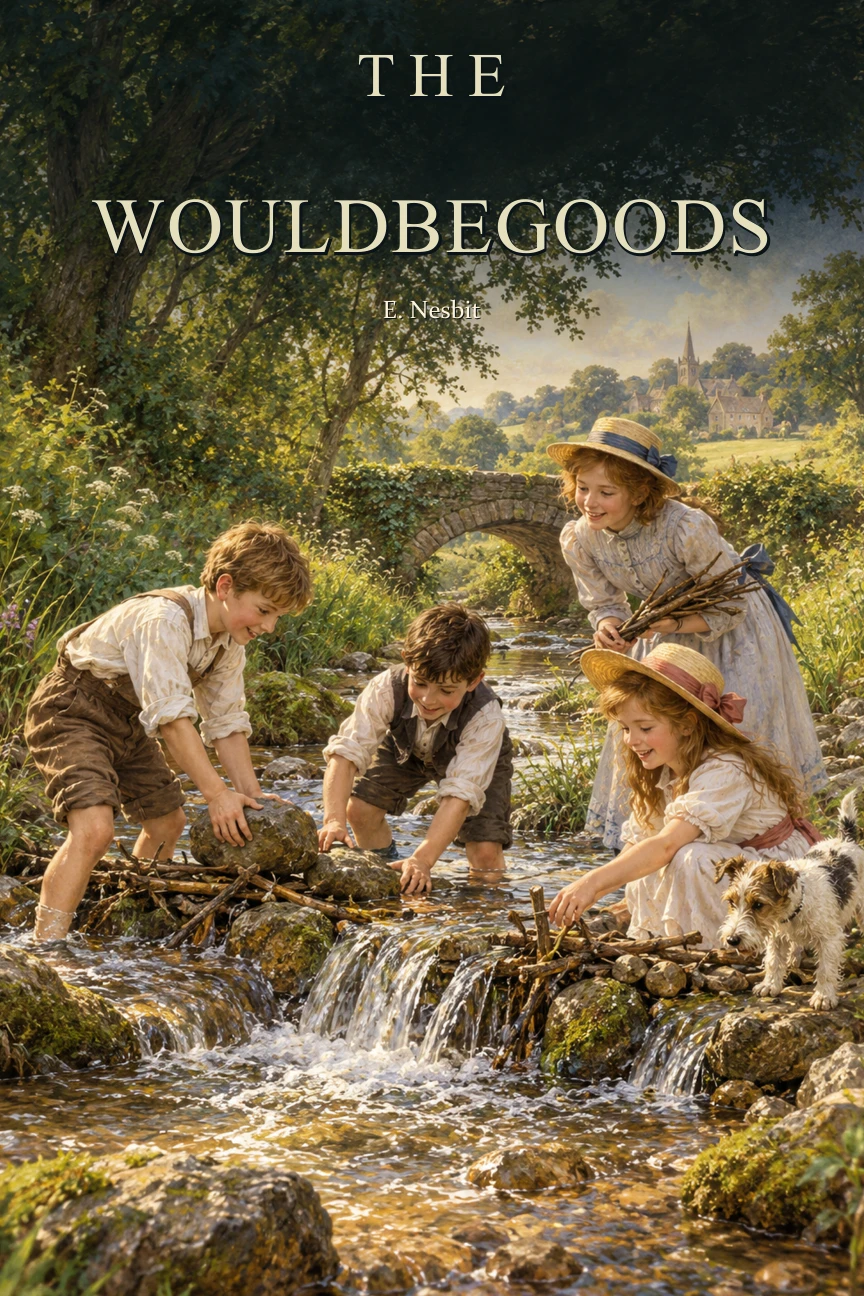
The Wouldbegoods — actual Pipcub paperback cover
SCROLL INTO THE STORYAN IMAGINED WORLD · ORIGINAL AI ART
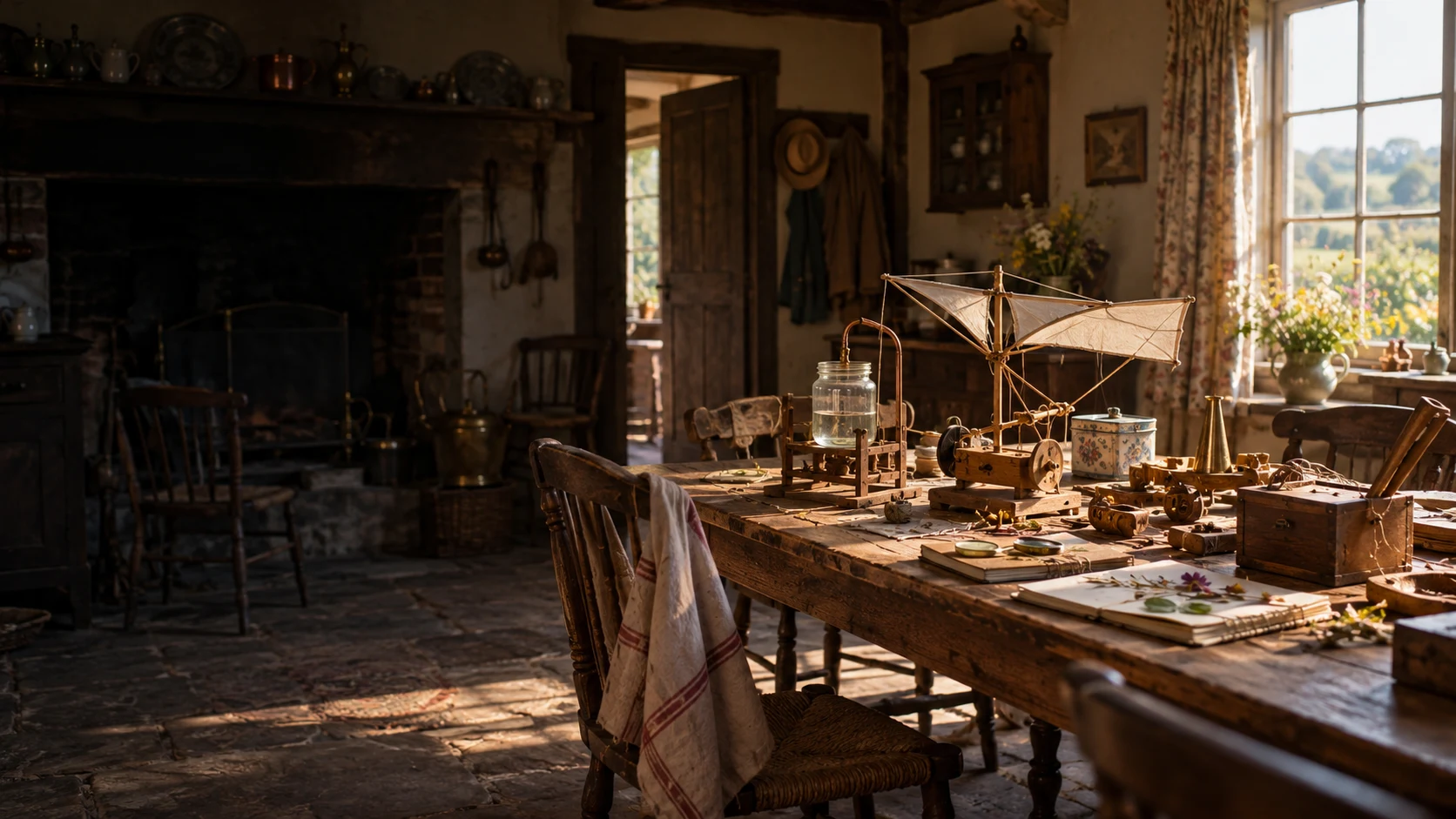
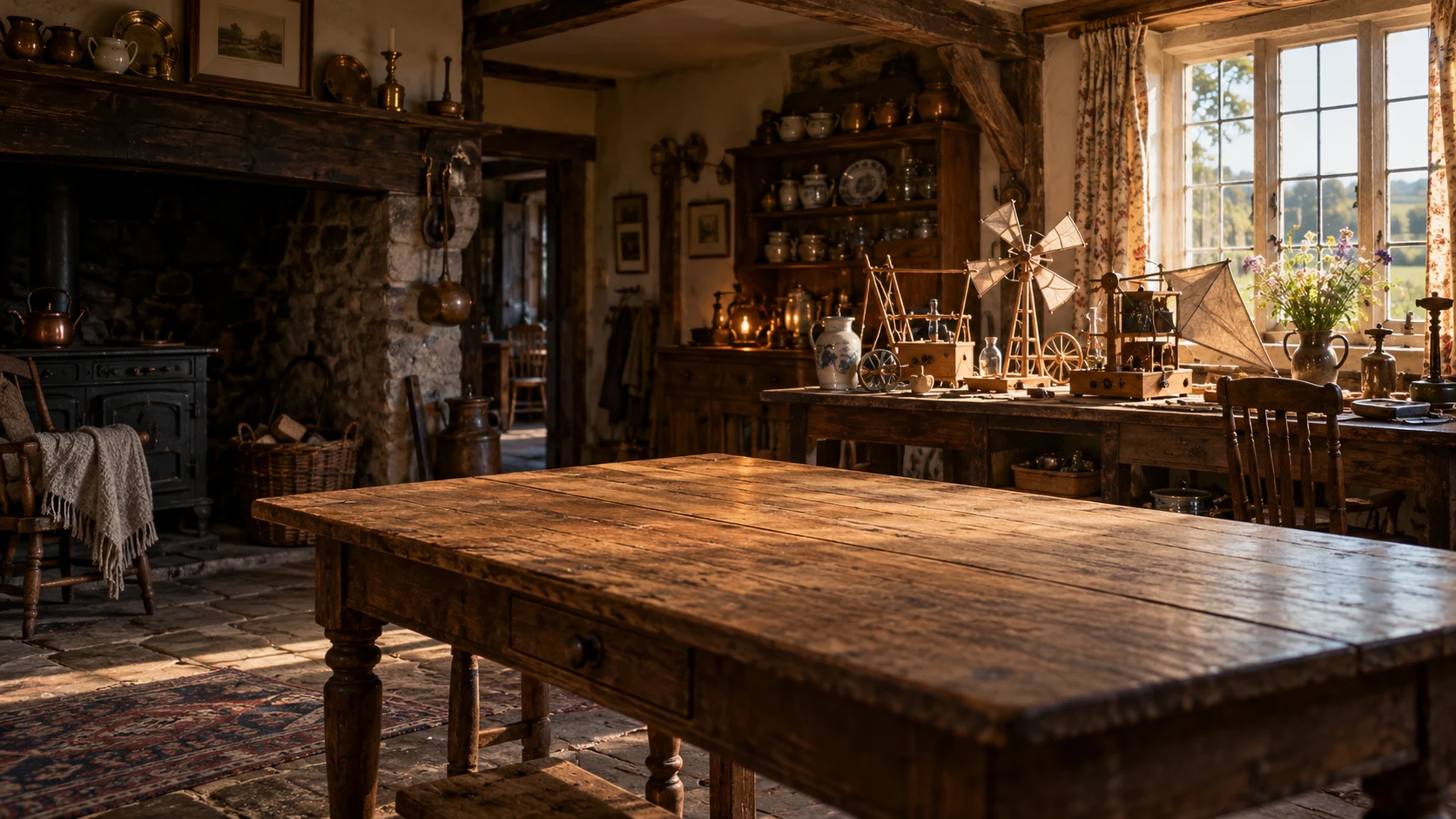
A rustic Edwardian farmhouse room with a large table and an assortment of harmless homemade inventions

THE STORY

Doing good is harder than it looks.

The Bastable children form a society devoted to noble deeds. A country holiday gives them ample opportunity to help, experiment and misunderstand, with the finest intentions leading to gloriously unpredictable consequences.

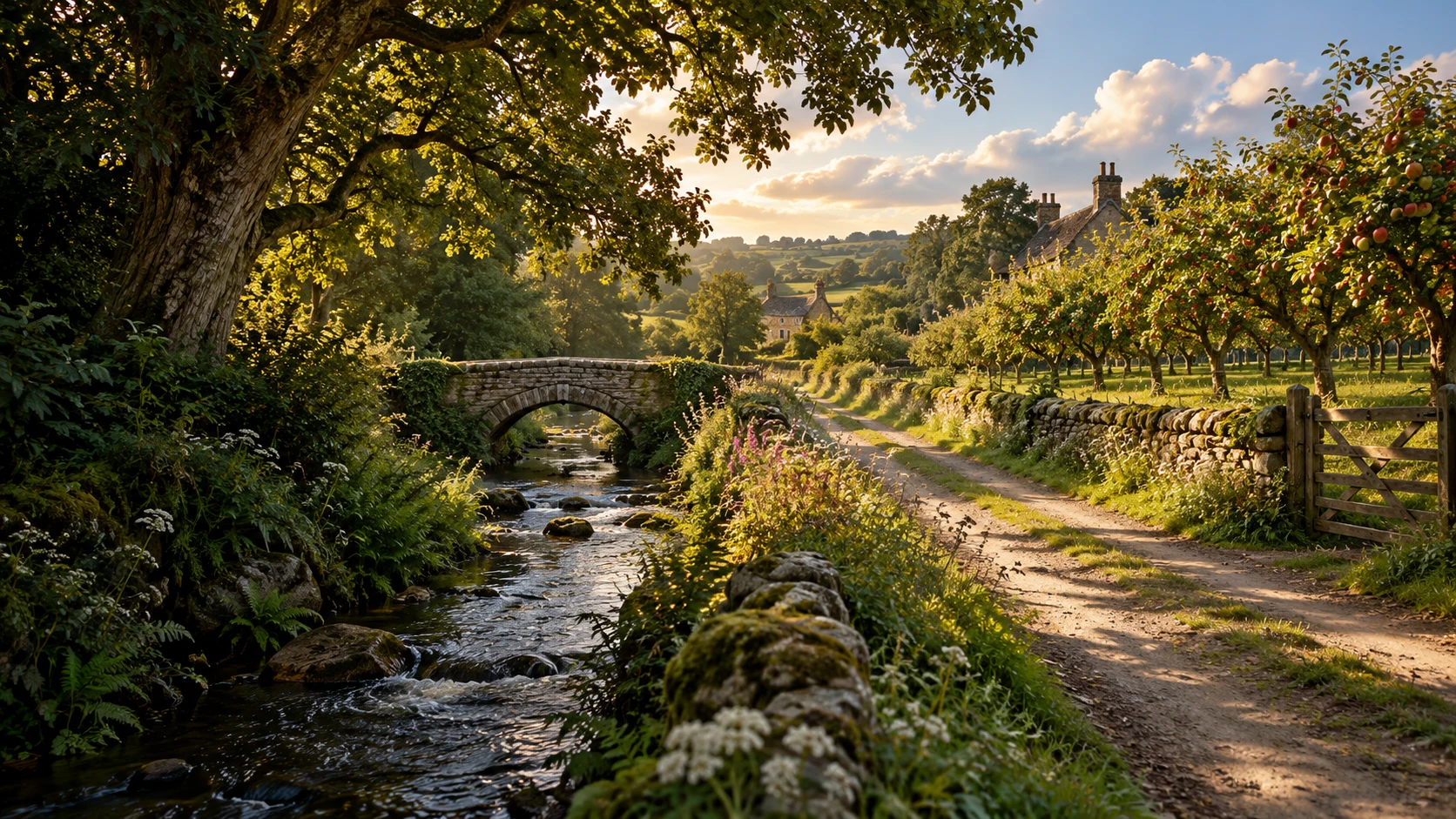
A country lane beside an orchard and a small stream on a summer afternoon

THE WORLD OF THE BOOK

Good intentions in the countryside.

The Bastable children form a society devoted to noble deeds. A country holiday gives them ample opportunity to help, experiment and misunderstand, with the finest intentions leading to gloriously unpredictable consequences.

The Wouldbegoods front cover
Read the interior preview

LOOK INSIDE

Open a book.
Enter a world.

Preview six pages from this edition. Select a page to enlarge it, or use the arrows to keep reading.

Spread 1 of 3

The Wouldbegoods · PDF page 6
Actual interior PDF page 6 of The Wouldbegoods
Read accessible text

4 beginning. I tell you this because it is so sickening to have words you don’t know in a story, and to be told to look it up in the dicker). We are the Bastables—Oswald, Dora, Dicky, Alice, Noel, and H. O. If you want to know why we call our youngest brother H. O. you can jolly well read The Treasure Seekers and find out. We were the Treasure Seekers, and we sought it high and low, and quite regularly, because we particularly wanted to find it. And at last we did not find it, but we were found by a good, kind Indian uncle, who helped Father with his business, so that Father was able to take us all to live in a jolly big red house on Blackheath, instead of in the Lewisham Road, where we lived when we were only poor but honest Treasure Seekers. When we were poor but honest we always used to think that if only Father had plenty of business, and we did not have to go short of pocket money and wear shabby clothes (I don’t mind this myself, but the girls do), we should be happy and very, very good. And when we were taken to the beautiful big Blackheath house we thought now all would be well, because it was a house with vineries and pineries, and gas and water, and shrubberies and stabling, and replete with every modern convenience, like it says in Dyer & Hilton’s list of Eligible House Property. I read all about it, and I have copied the words quite right. It is a beautiful house, all the furniture solid and strong, no casters off the chairs, and the tables not scratched, and the silver not dented; and lots of servants, and the most decent meals every day—and lots of pocket-money. But it is wonderful how soon you get used to things, even the things you want most. Our watches, for instance. We wanted them frightfully; but when I had mine a week or two, after the mainspring got broken and was repaired at Bennett’s in the village, I hardly cared to look at the works at all, and it did not make me feel happy in my heart any more, though, of course, I should have been very unhappy if it had been taken away from me. And the same with new clothes and nice dinners and having enough of everything. You soon get used to it all, and it does not make you extra happy, although, if you had it all taken away, you would be very dejected. (That is a good word, and one I have never used before.) You get used to everything, as I said, and then you want something more. Father says this is what people mean by the deceitfulness of riches; but Albert’s uncle

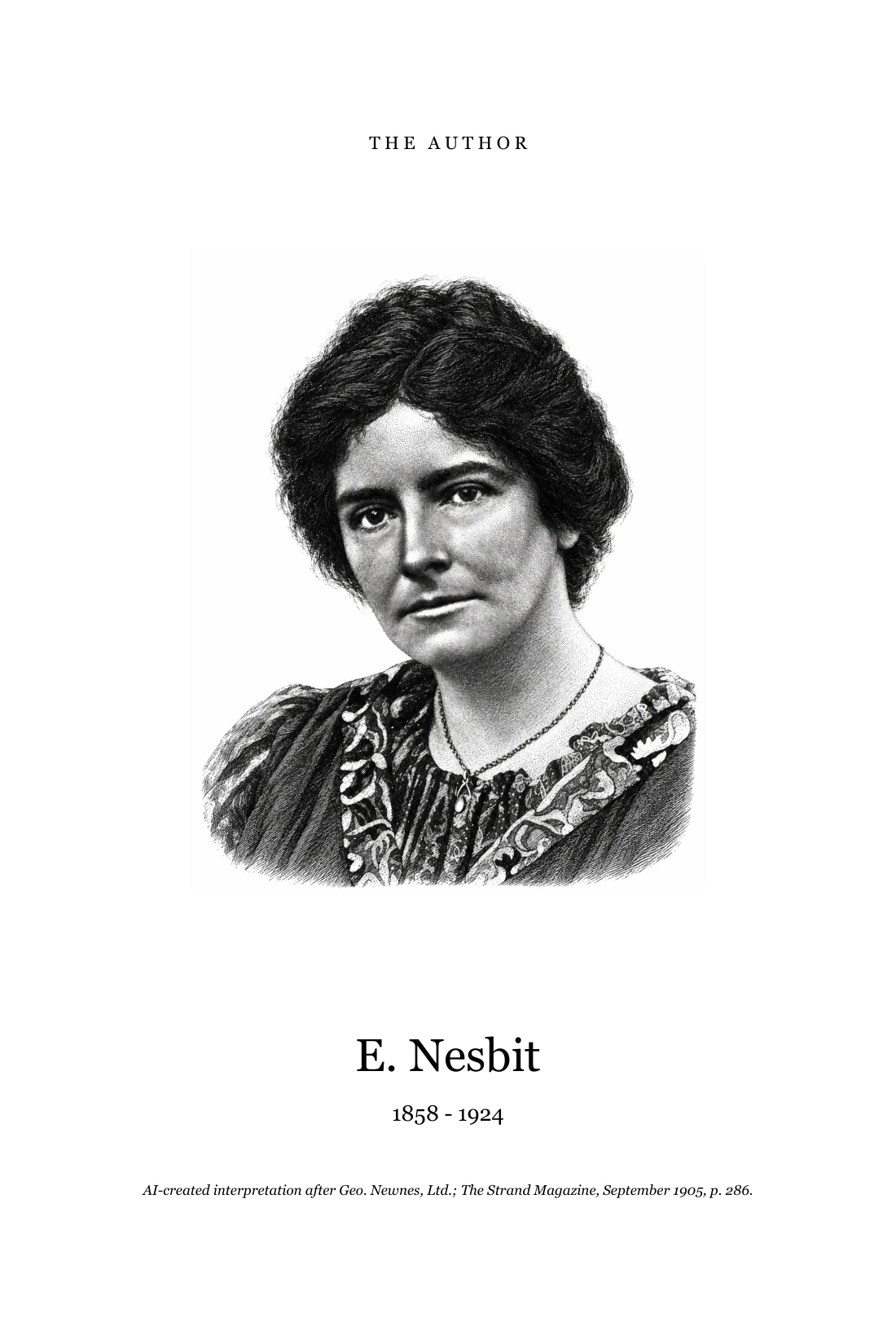
E. Nesbit portrait page from this edition

ABOUT THE AUTHOR

E. Nesbit

Edith Nesbit was an English writer and poet who published as E. Nesbit. Although remembered especially for children's stories, she also wrote for adults. Her large and varied output brought together an interest in everyday life with an imagination ready to admit the extraordinary.

More about the author ↗

Discover the author behind the story. This portrait and biography are included in your edition.

FREE TO READ

Take it with you.

The Wouldbegoods is in the public domain, so its words belong to everyone. Download our edition free. No account needed.

Read it in your browser ↗
Add it to your reading app
iPhone & iPad
Tap download, then open the file from Safari’s downloads, tap Share and choose Books. It stays in your Apple Books library.
Android
Tap download, open the file and choose Google Play Books. Or, in Play Books, go to Library, tap ⋮ and choose Upload files.
Kindle
Send the file to your Kindle library with Amazon’s Send to Kindle.
Kobo, Moon+ Reader and other apps
Open the downloaded file with the app, or use the app’s import option.

KEEP BROWSING

More from the library.

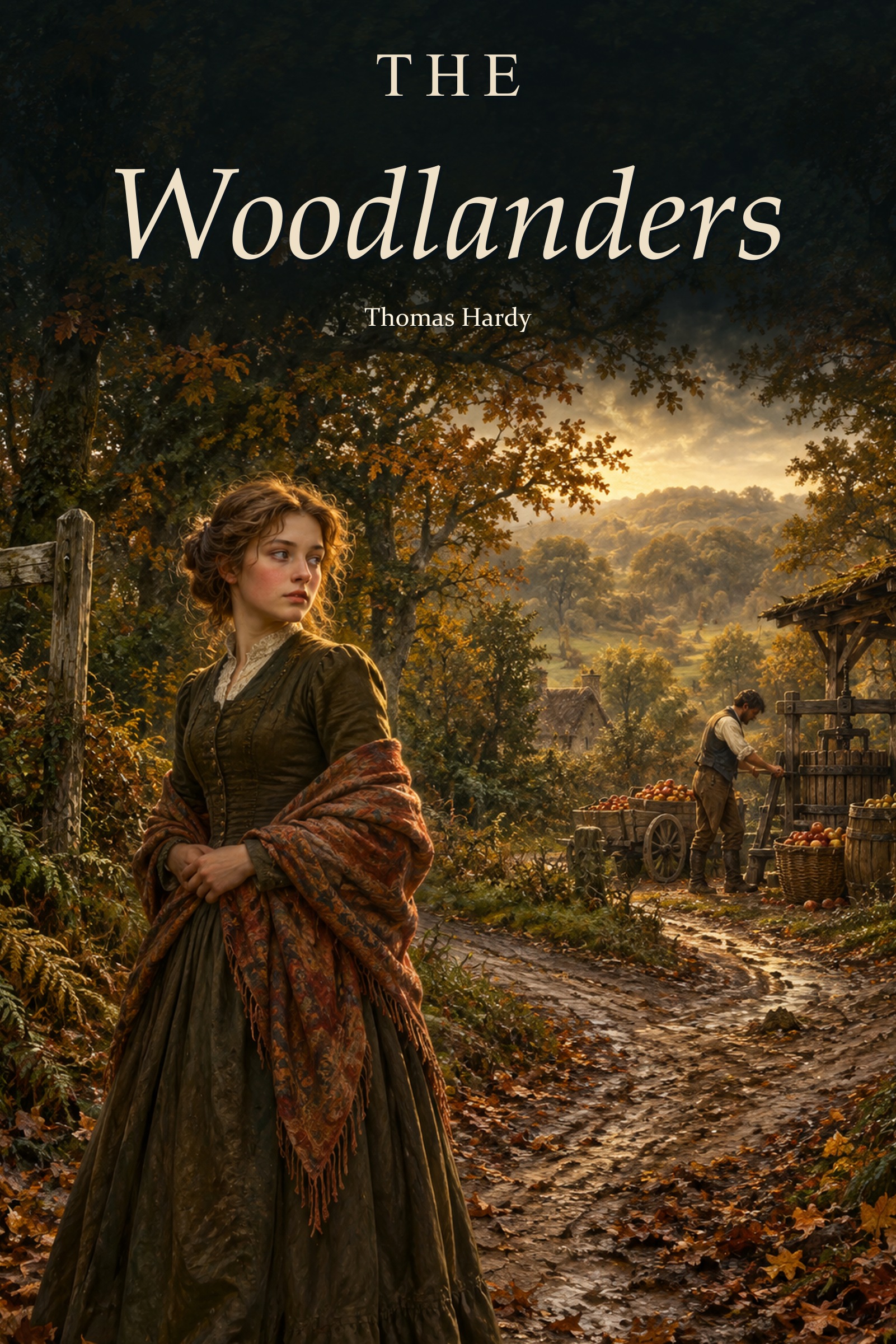
The Woodlanders cover

The Woodlanders

Thomas Hardy

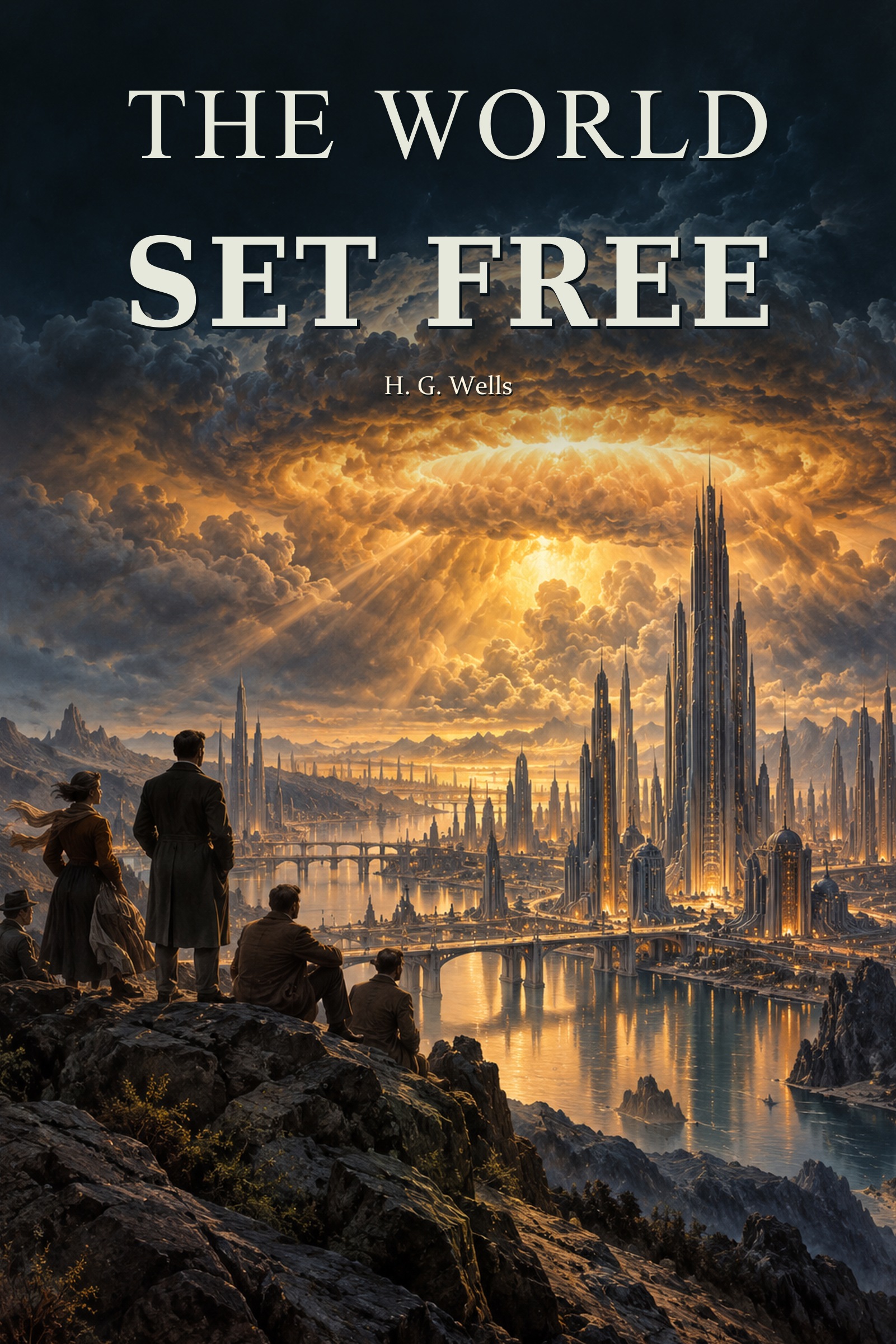
The World Set Free cover

The World Set Free

H. G. Wells

The Worm Ouroboros: A Romance cover

The Worm Ouroboros: A Romance

Eric Rücker Eddison

The Wrecker cover

The Wrecker

Robert Louis Stevenson and Lloyd Osbourne

The Writing of Fiction cover

The Writing of Fiction

Edith Wharton

The Wrong Box cover

The Wrong Box

Robert Louis Stevenson and Lloyd Osbourne

Browse the complete library ↗
YOUR NEXT CHAPTER

Your book bag 0

A little escape. A story to keep.

Loading your book bag…