THE STORY
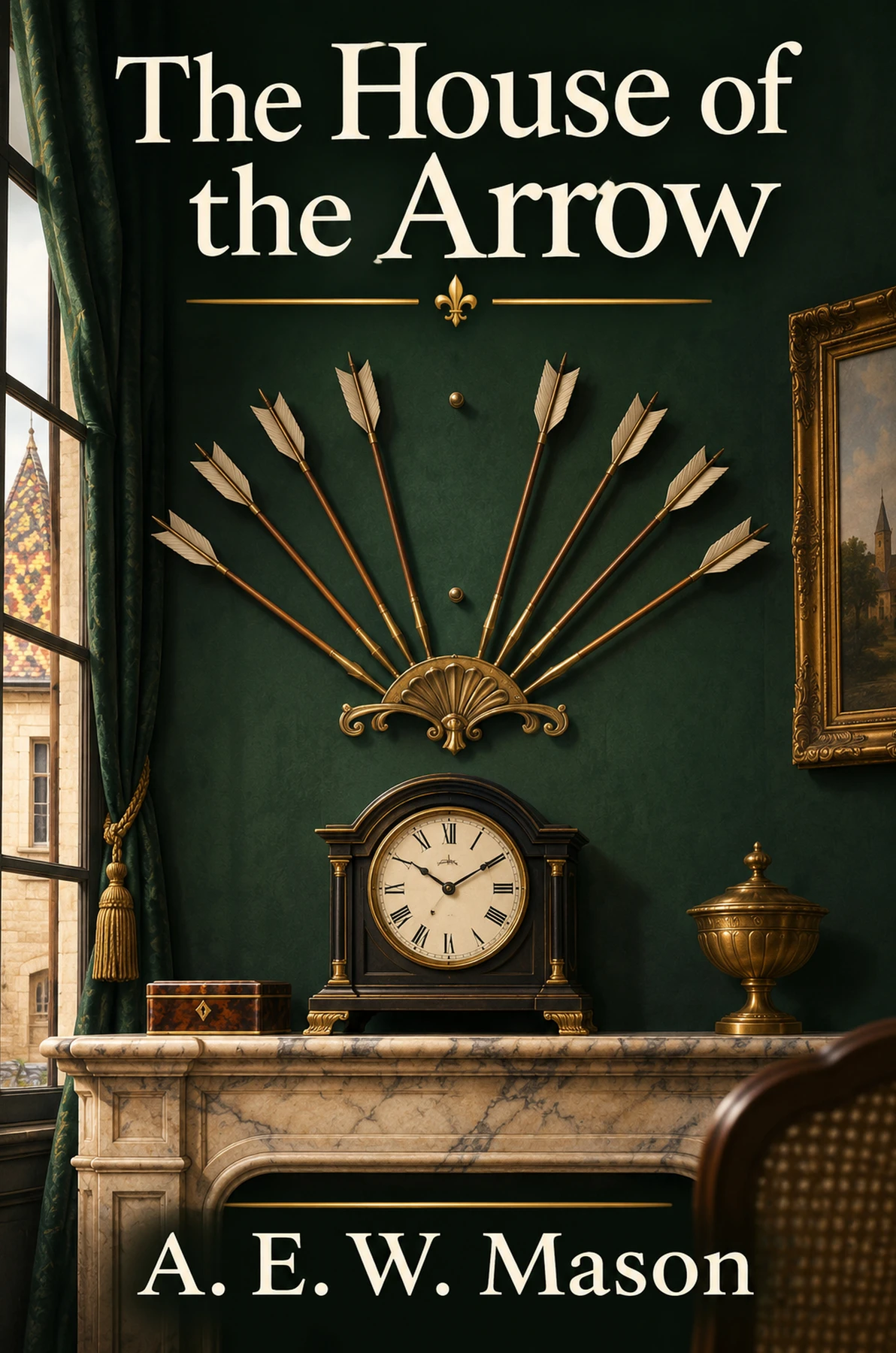
A disputed death draws Inspector Hanaud to France.
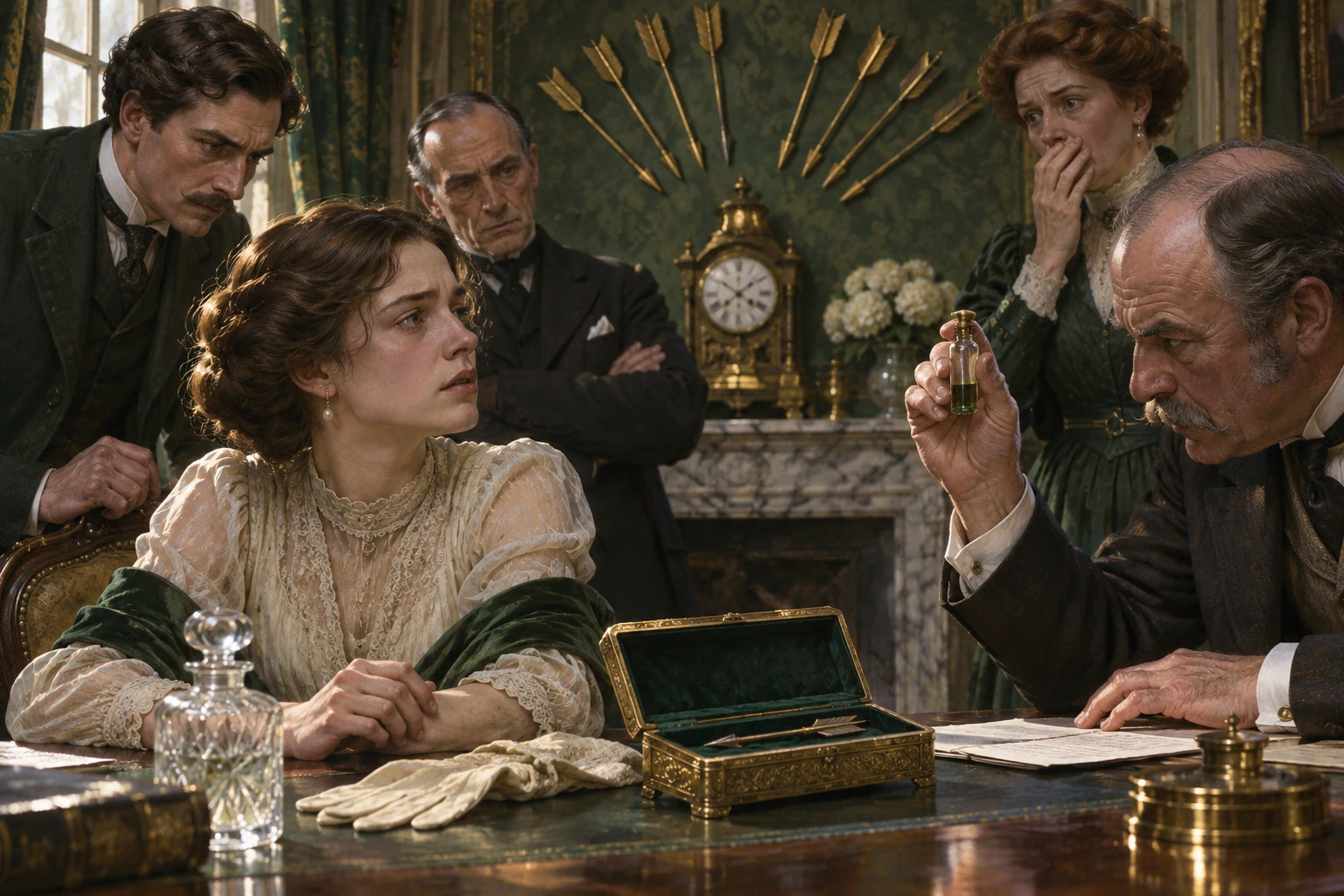
A young woman’s inheritance attracts an accusation of murder. A. E. W. Mason lets the evidence and the behavior of the people around the case compete for the reader’s attention.
Browse collections

Find your next chapter
Explore timeless stories, unexpected discoveries, and old favourites.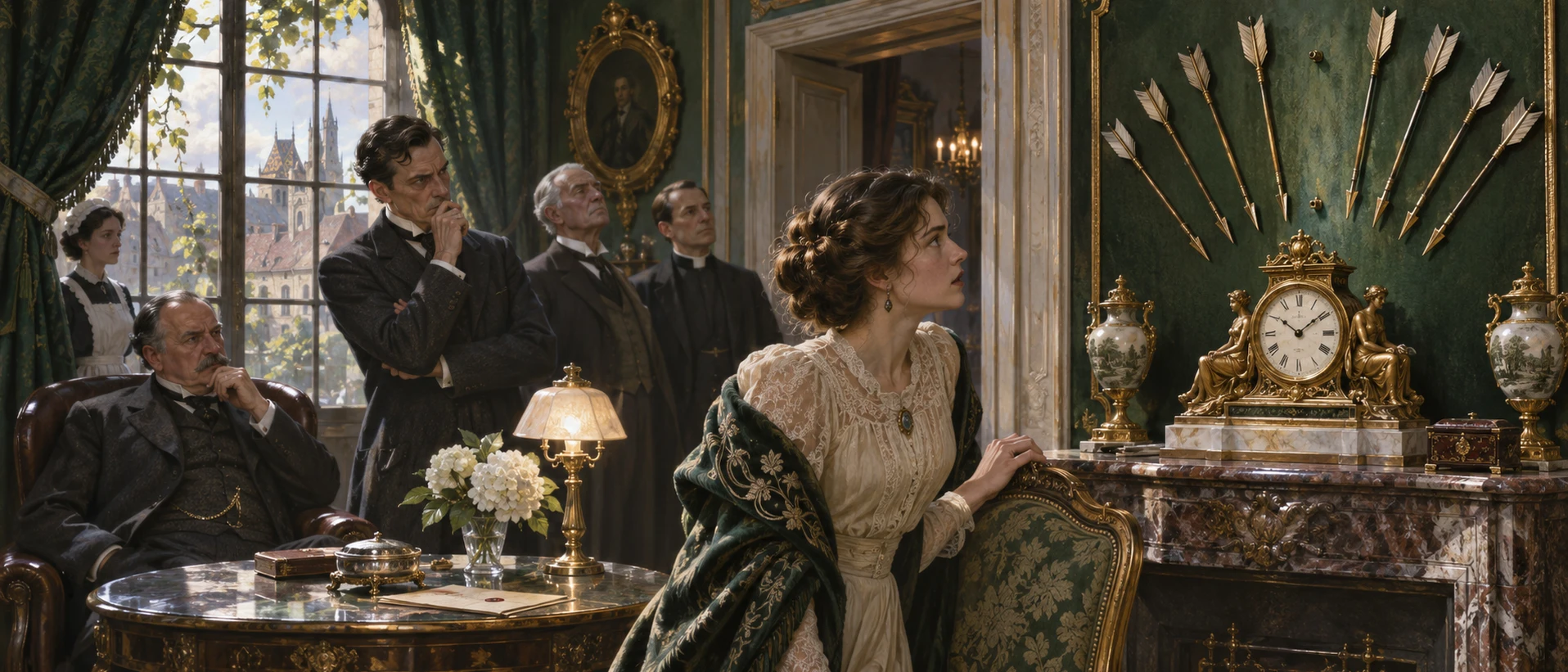
A young woman’s inheritance attracts an accusation of murder. A. E. W. Mason lets the evidence and the behavior of the people around the case compete for the reader’s attention.
$16.99
Printed for you. Shipping calculated at checkout.

THE STORY
A young woman’s inheritance attracts an accusation of murder. A. E. W. Mason lets the evidence and the behavior of the people around the case compete for the reader’s attention.
THE WORLD OF THE BOOK
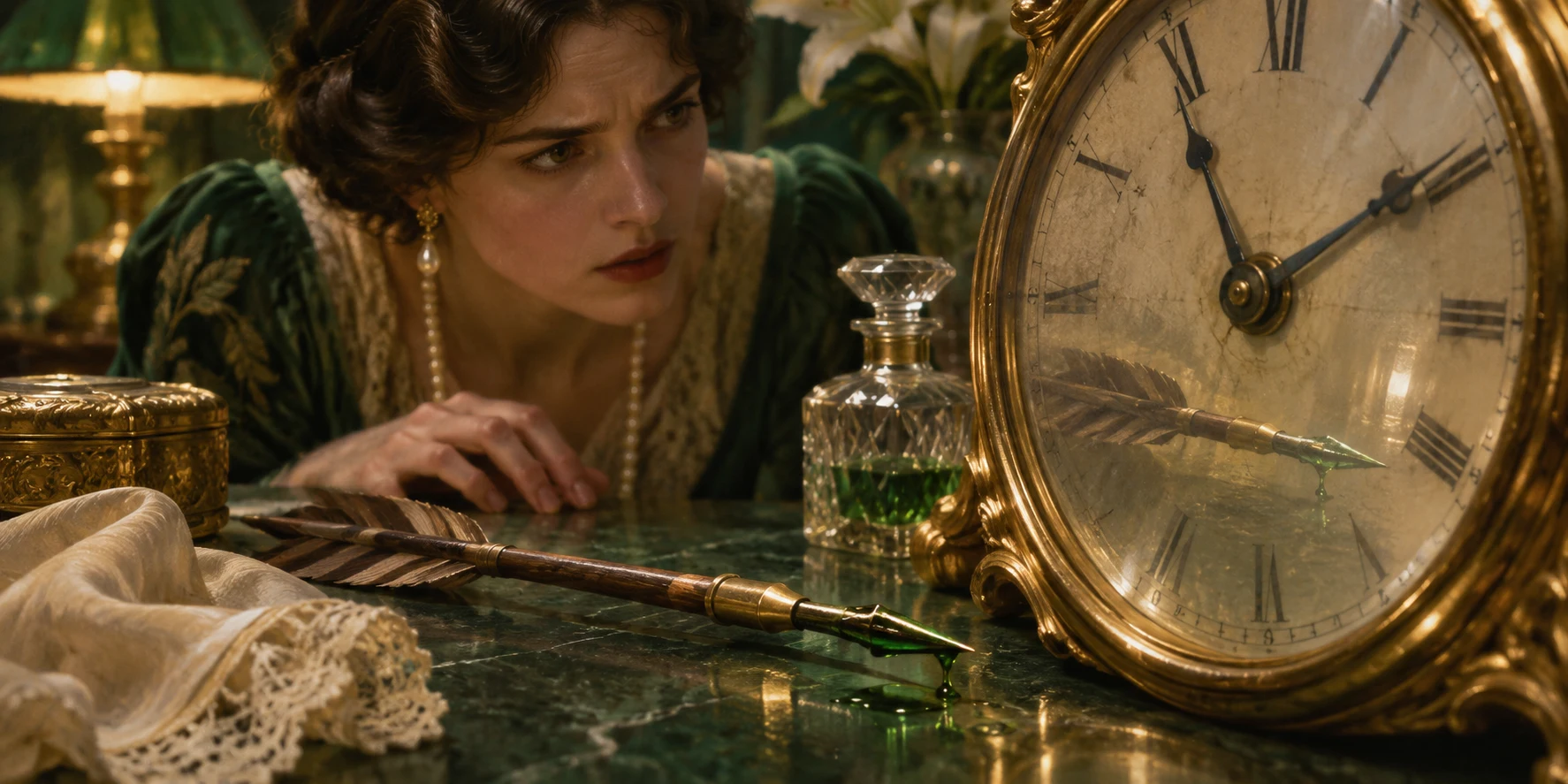
A woman studies a narrow shaft and a vial beside the clock.
LOOK INSIDE
Preview six pages from this edition. Select a page to enlarge it, or use the arrows to keep reading.
Spread 1 of 3
ABOUT THE AUTHOR
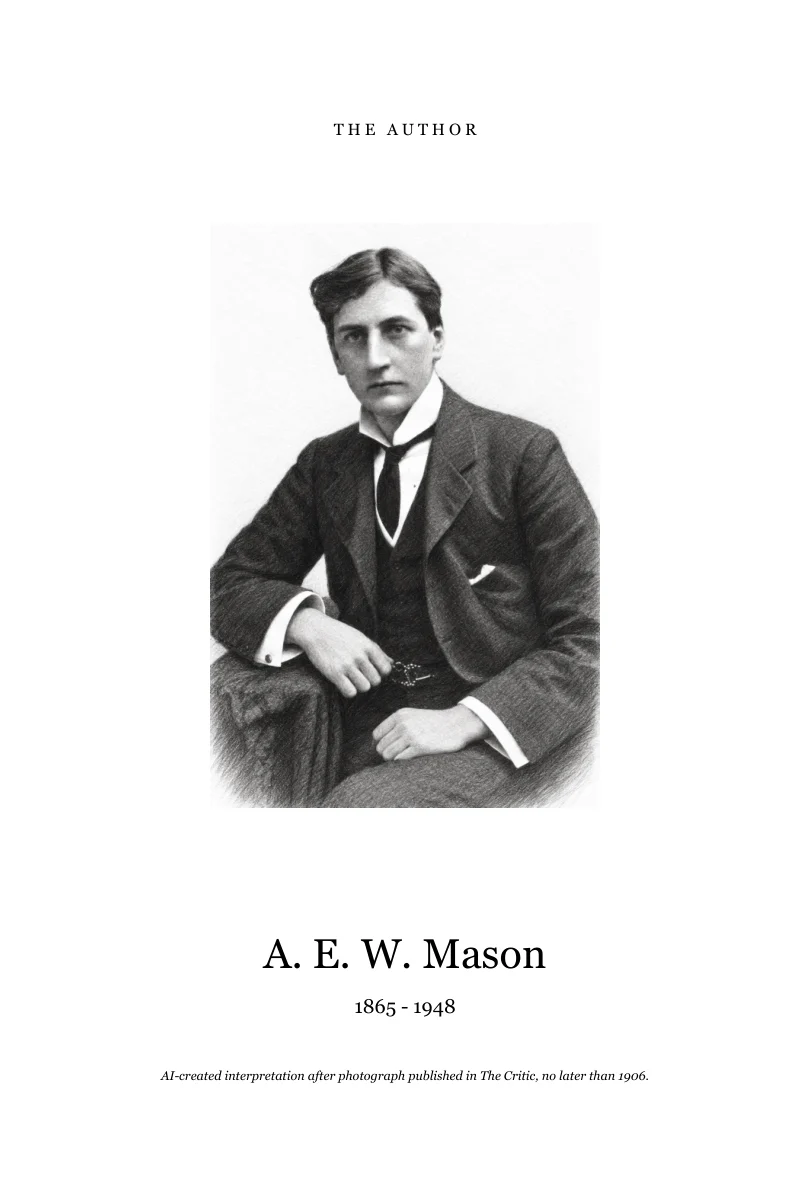
Alfred Edward Woodley Mason was an English novelist and public figure, born in 1865. Usually publishing as A. E. W. Mason, he wrote adventure stories and detective fiction. His career also included service as a Liberal Member of Parliament, placing his literary work alongside an active interest in public affairs. His best-known novel, The Four Feathers, appeared in 1902. It explores courage, shame and the desire to answer the judgment of others. Its dramatic situations make a character's reputation a powerful force, while asking whether an outward action can fully reveal the motives behind it. Mason also created the French detective Inspector Hanaud. In these mysteries, observation and the interpretation of behaviour become means of reaching beneath appearances. His work across genres links the momentum of an adventure with questions about what can be inferred from a person's conduct. He died in 1948. His fiction rewards attention to the difference between being courageous and being recognised as courageous, or between noticing an action and understanding it. Readers can also examine the historical assumptions carried by his settings, particularly those shaped by empire and military service. The stories provide opportunities to consider both the effectiveness of their dramatic construction and the values that determine which actions are praised or condemned. Biographical references: A. E. W. Mason literary resource; OCLC authority record. Portrait source: photograph published in The Critic, no later than 1906. Full source records retained in the edition archive.
More about the author ↗THE NEXT CHAPTER
FREE TO READ
The House of the Arrow is in the public domain, so its words belong to everyone. Download our edition free. No account needed.
Best for phones, Apple Books, Google Play Books, Kobo and Kindle
The printed page layout, with illustrations
KEEP BROWSING