THE STORY
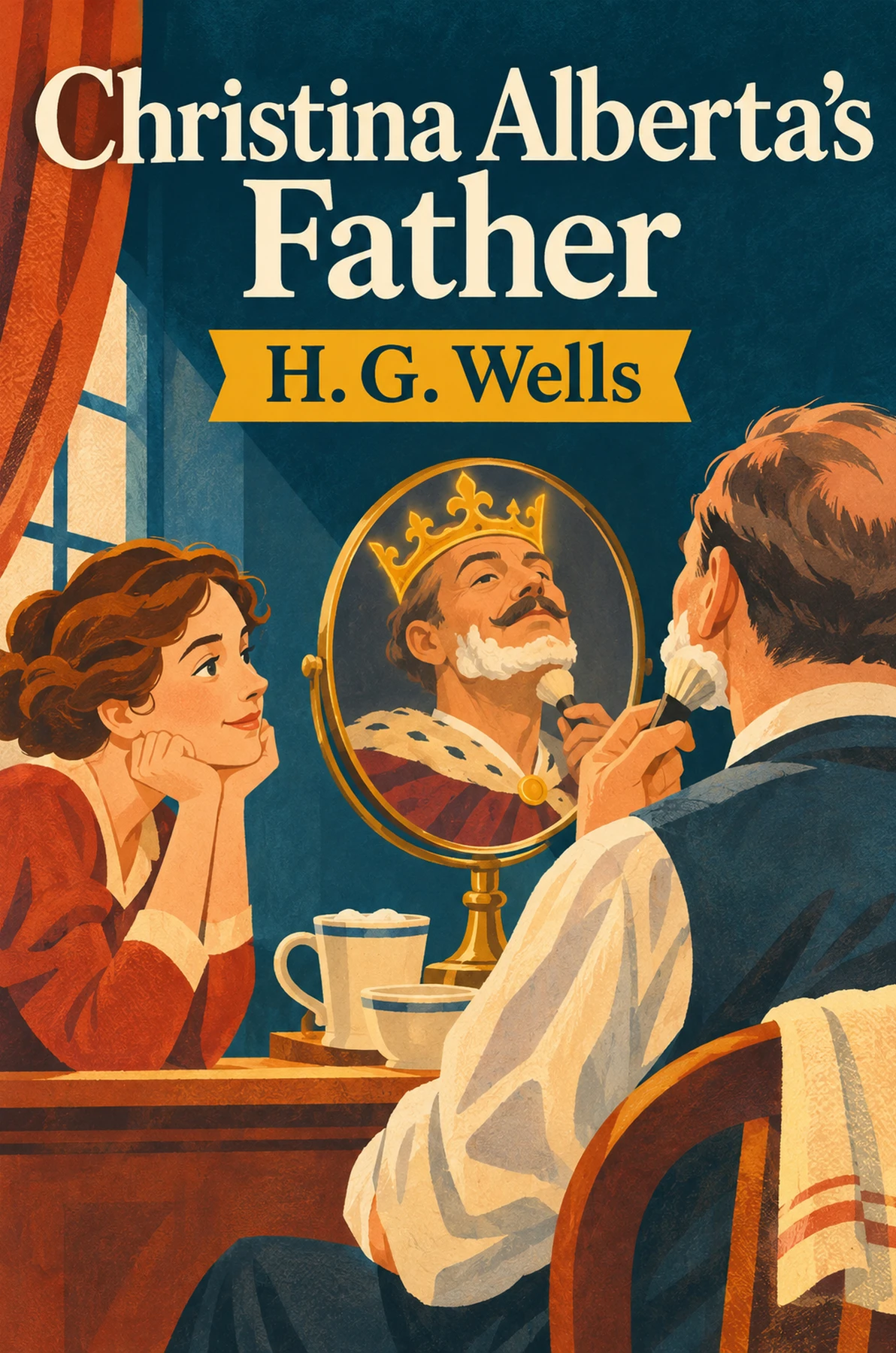
What if an ordinary man remembered being a king?
Christina Alberta’s father begins to understand his life in startling new terms. H. G. Wells follows the consequences for the man himself and for a daughter trying to find her own way.
Browse collections

Find your next chapter
Explore timeless stories, unexpected discoveries, and old favourites.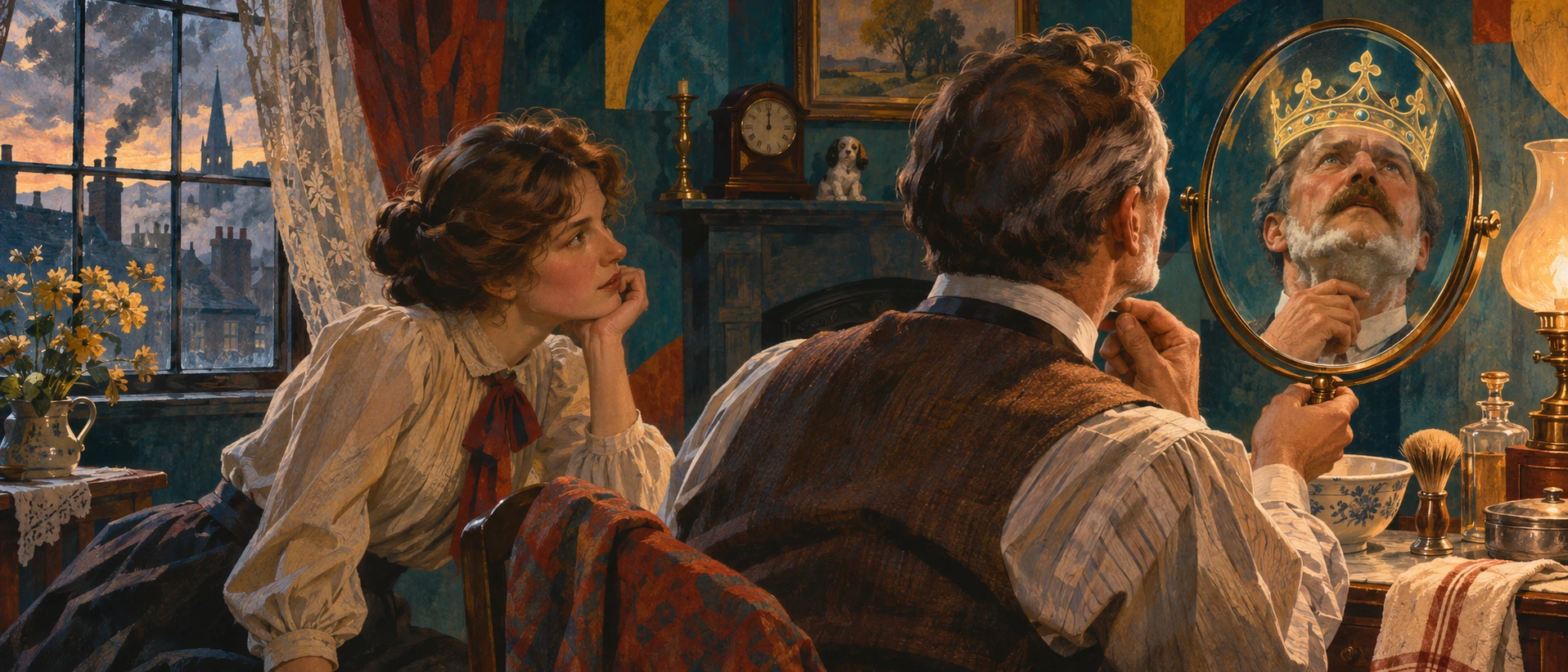
Christina Alberta’s father begins to understand his life in startling new terms. H. G. Wells follows the consequences for the man himself and for a daughter trying to find her own way.
$18.99
Printed for you. Shipping calculated at checkout.

THE STORY
Christina Alberta’s father begins to understand his life in startling new terms. H. G. Wells follows the consequences for the man himself and for a daughter trying to find her own way.
THE WORLD OF THE BOOK
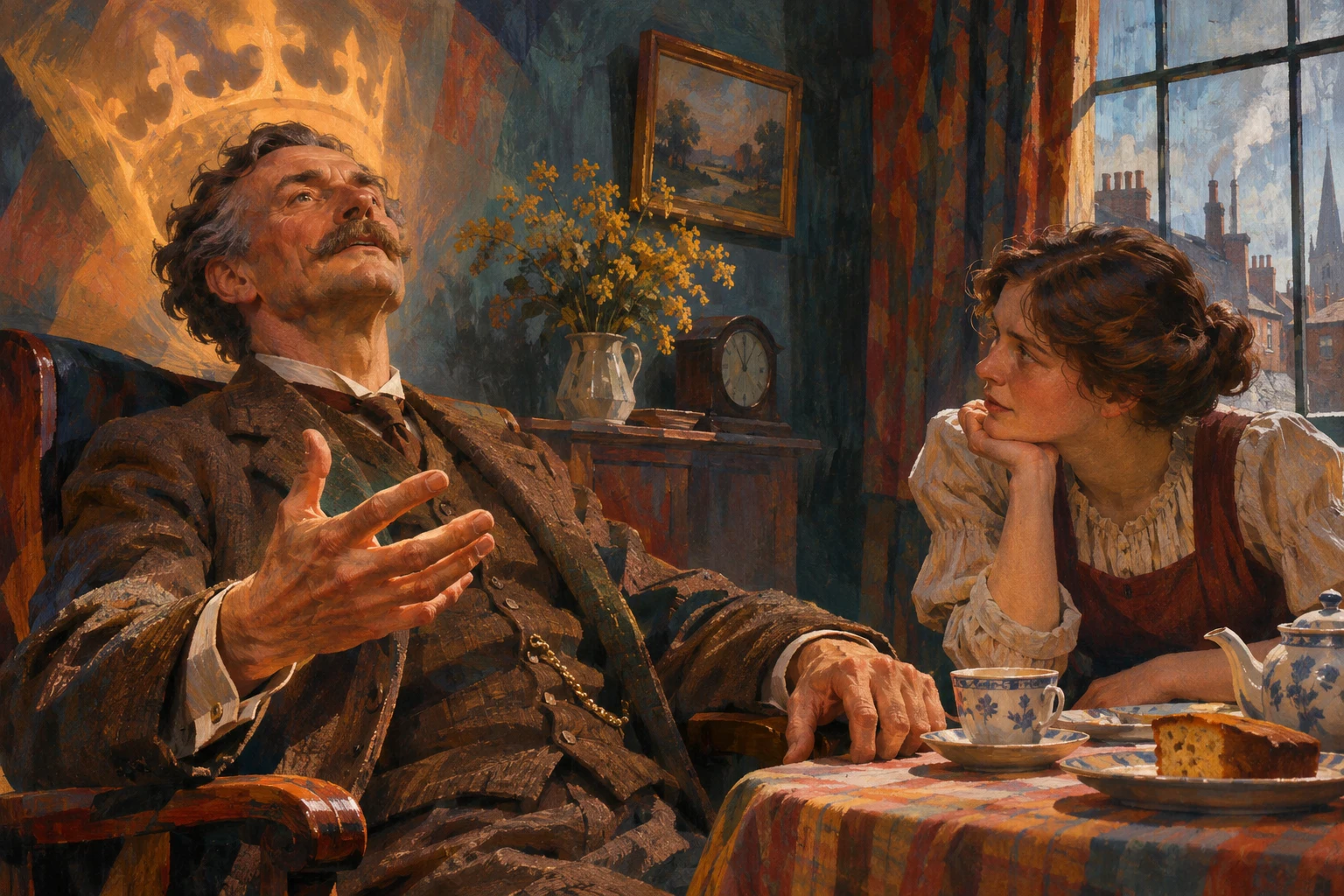
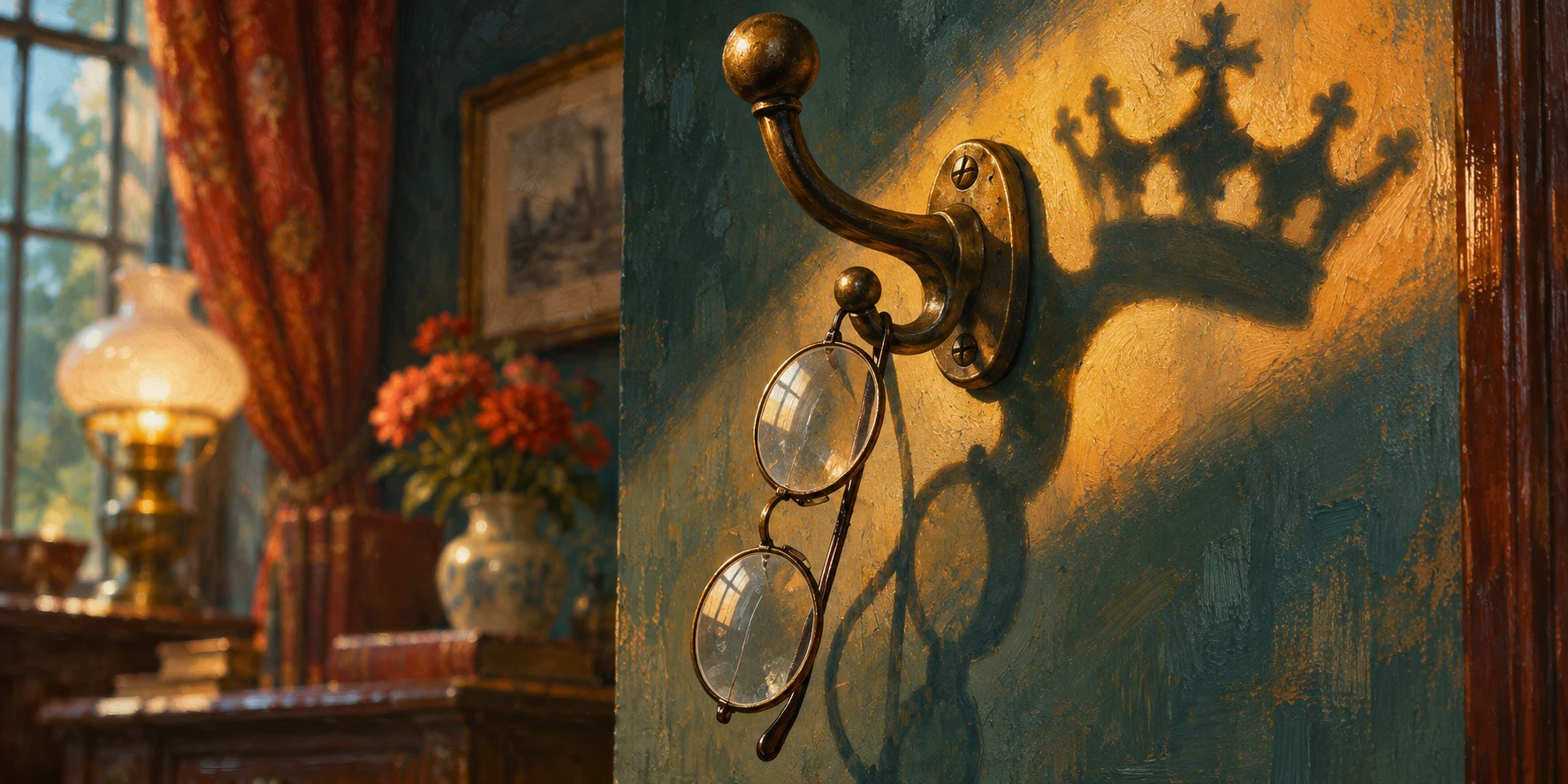
Spectacles on a hook cast a crown-shaped shadow.
LOOK INSIDE
Preview six pages from this edition. Select a page to enlarge it, or use the arrows to keep reading.
Spread 1 of 3
ABOUT THE AUTHOR
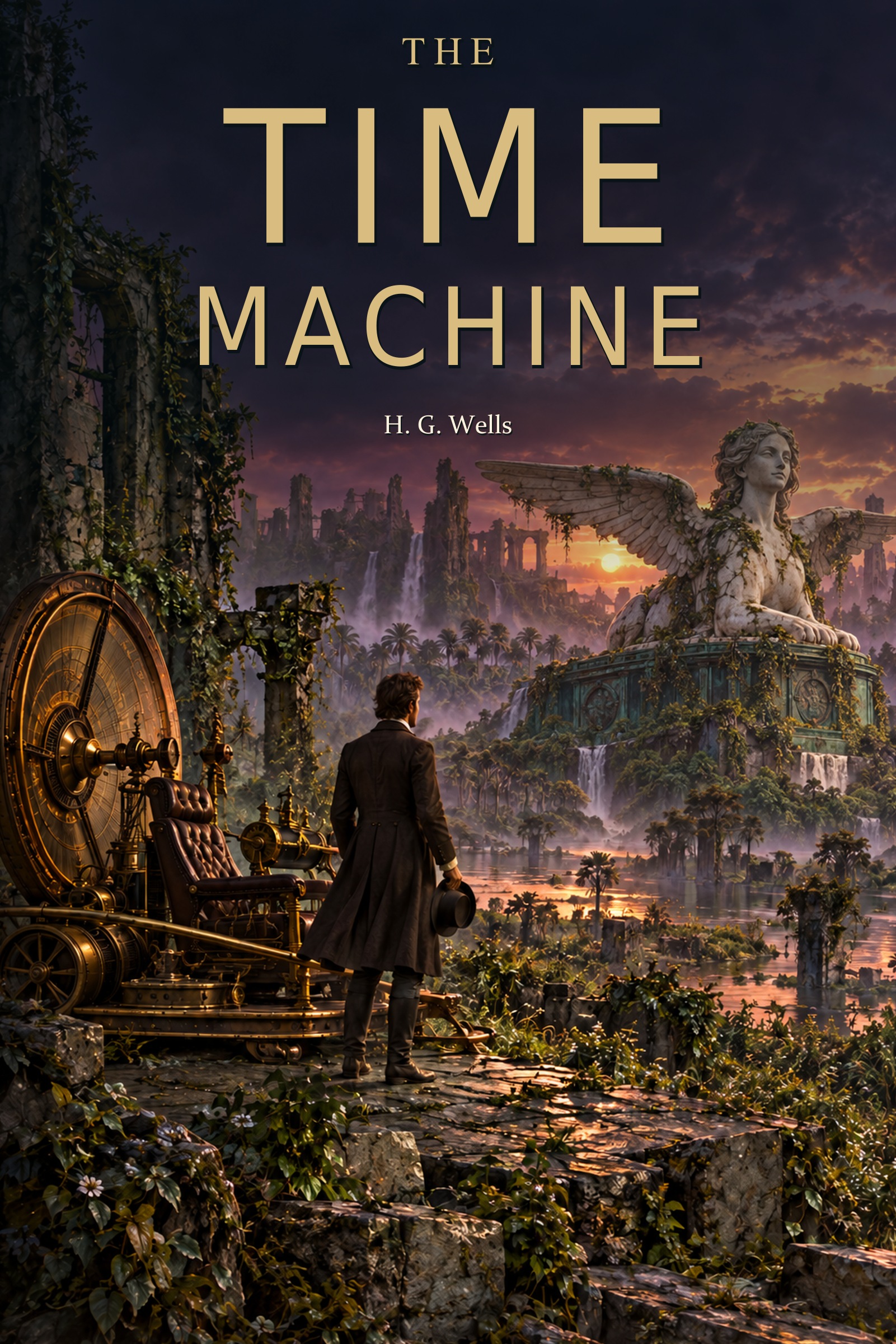
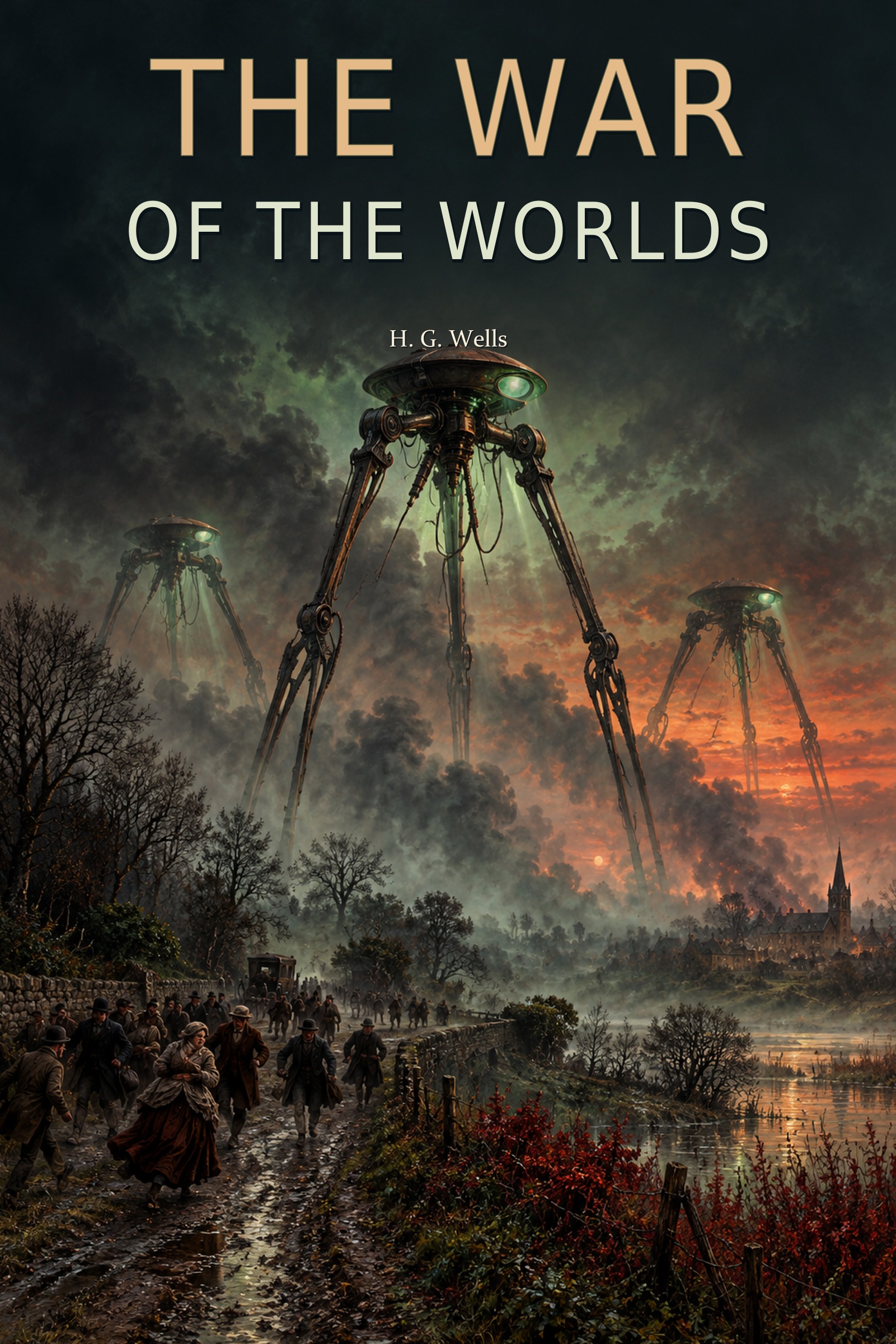
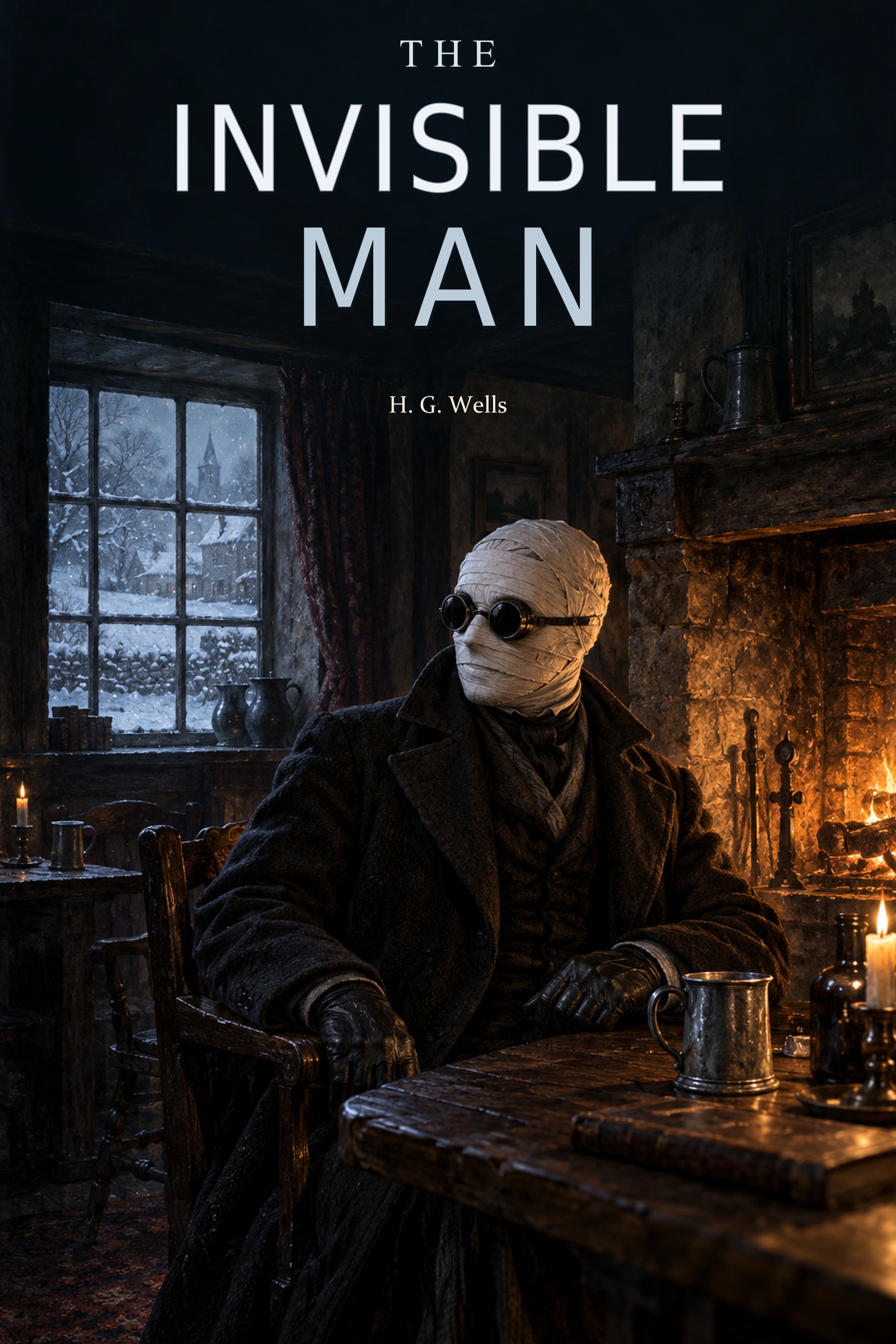
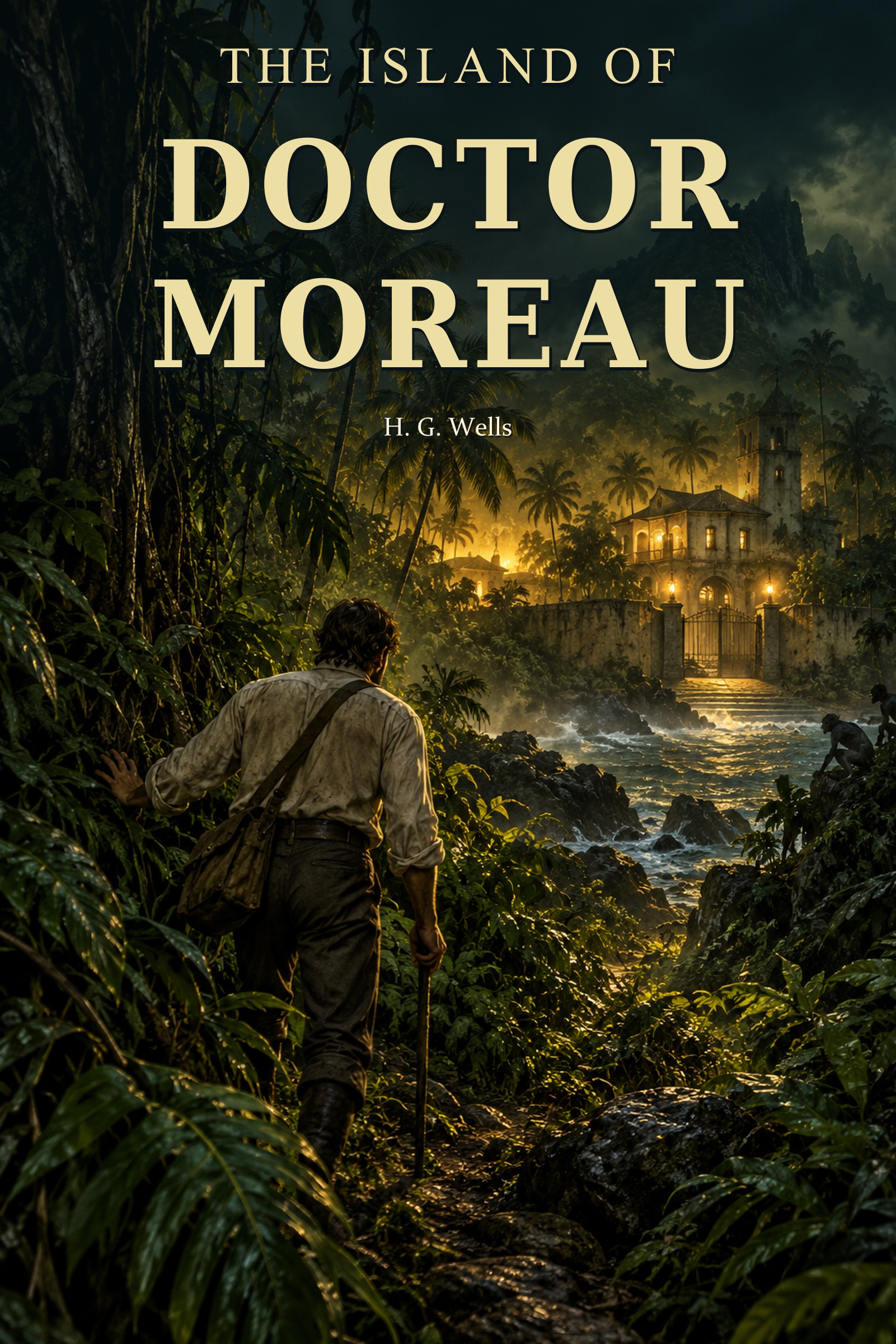
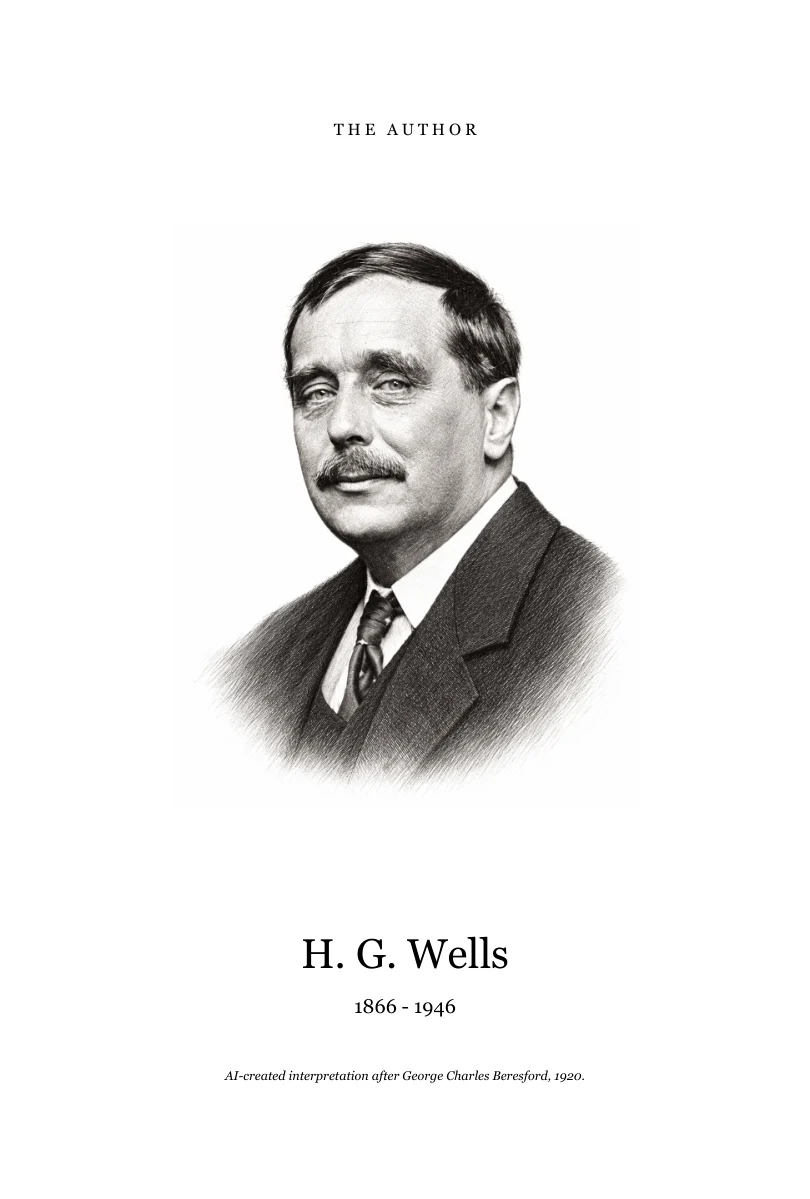
H. G. Wells was an English novelist, journalist and social commentator. His early training in biology helped shape a writing career concerned with change: changes in living things, in technology and in the ways people organise their societies. His scientific romances include The Time Machine, The Island of Doctor Moreau, The Invisible Man and The War of the Worlds. Their extraordinary premises enter recognisable surroundings. Ordinary habits and confident assumptions are placed under pressure by an invention, a discovery or an encounter that changes what seems possible. Wells also wrote about everyday English life in novels such as Kipps, Tono-Bungay and The History of Mr Polly. His wider output included history, autobiography, political argument and popular explanations of scientific ideas. He was a prolific public intellectual as well as a storyteller. His visions of social progress could be ambitious and disturbing; some of his political proposals and beliefs invite strong criticism today. Reading across his fiction reveals both imaginative energy and unease about power, knowledge and the future. The question is often not simply what humanity can do, but what it might become. Biographical reference: Wikipedia, H. G. Wells. Historical portrait: George Charles Beresford, 1920. Full source details are retained in the edition archive.
More about the author ↗THE NEXT CHAPTER
FREE TO READ
Christina Alberta's Father is in the public domain, so its words belong to everyone. Download our edition free. No account needed.
Best for phones, Apple Books, Google Play Books, Kobo and Kindle
The printed page layout, with illustrations
KEEP BROWSING