Let the title raise a question rather than settle the genre
The word romance on an older title page can mean more than a love story organized around one couple. In The Romance of a Christmas Card, it is useful to begin with the emotional and imaginative reach of the card itself. A small printed object can carry a place, a memory or an invitation into another life. That gives the story a different scale from a broad family saga.
Choose the book if you enjoy the significance of messages and objects, or if homecoming interests you more than the mechanics of a modern festive courtship. Its compactness makes it approachable during a crowded December, but the reader need not hurry. The story’s appeal depends on recognizing what an apparently modest greeting can mean to someone beyond the sender.

What can a card say that a conversation cannot?
A card arrives without requiring the sender and recipient to be in the same room. It can be looked at again, kept or understood differently as circumstances change. When reading, notice how that distance affects the emotional possibilities. An object may permit a thought that would be harder to say directly, but it can also leave space for misunderstanding or uncertainty.
Ask what the image or message makes present. Is it a particular place, a remembered relationship, an idea of domestic happiness or a wish for repair? You do not need to turn the card into a symbol with one fixed meaning. Its importance may change according to who encounters it and what that person brings to the moment.
The Christmas setting adds expectations of contact and goodwill, but those expectations do not automatically repair relationships. Notice the difference between remembering a home and being able to return to it, or between sending a greeting and understanding what someone needs. Those differences give a small story room for more than easy sentiment.
A thoughtful pairing about giving and home
Read the book beside another story in which an object crosses between lives. Compare what the giver intends with what the receiver experiences. Alternatively, choose a household story and ask how an image of home differs from the daily work of sustaining one. Both comparisons stay close to the book’s central interests without requiring you to reveal its ending before a group meets.
The Christmas Angel
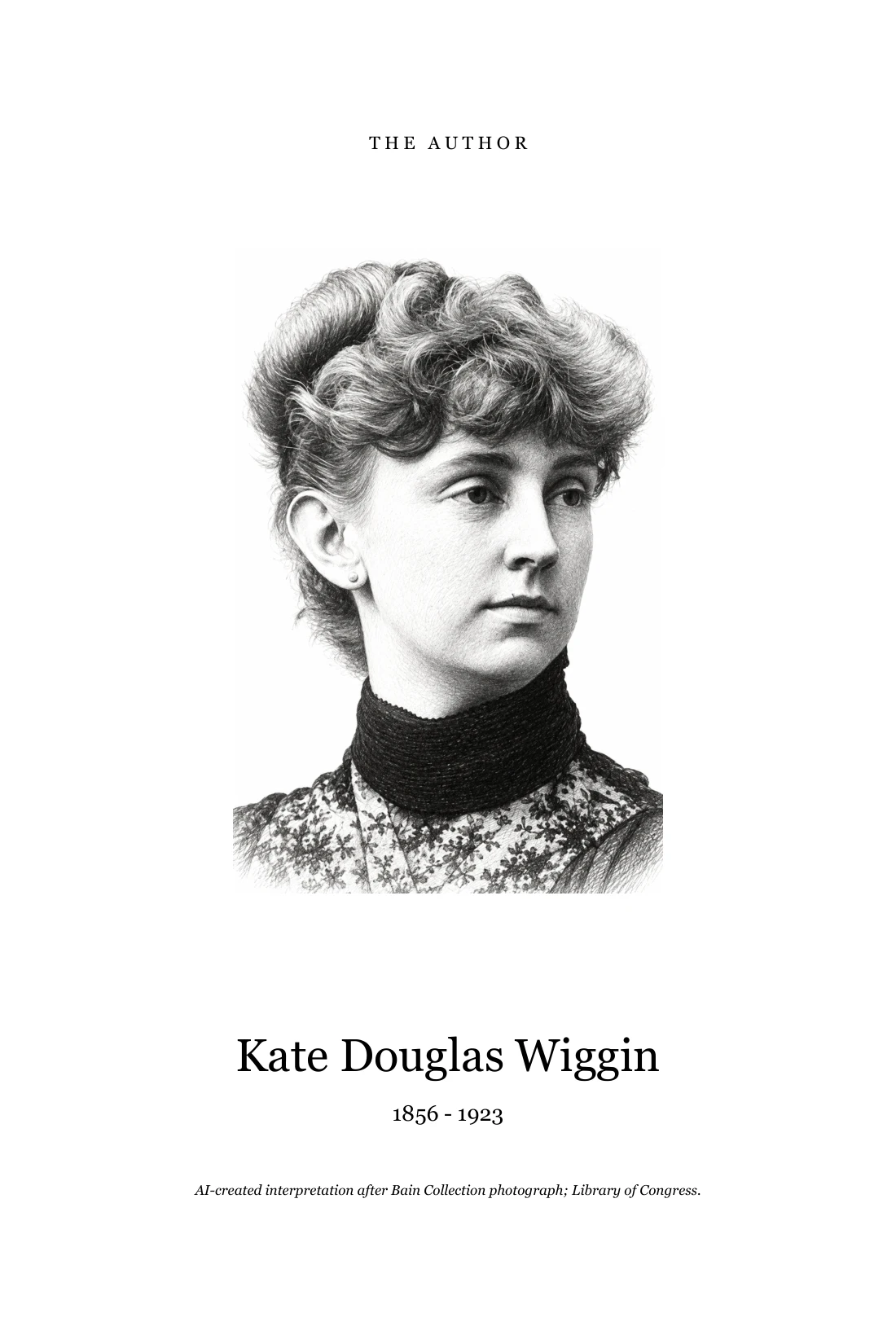
The Christmas Angel begins with toys Miss Terry plans to discard. Their meaning changes as they enter other lives. Paired with Wiggin’s card, the story invites a discussion of how an object’s emotional value can exceed the intention of the person who first handles it.
Christmas at Cedar Hill
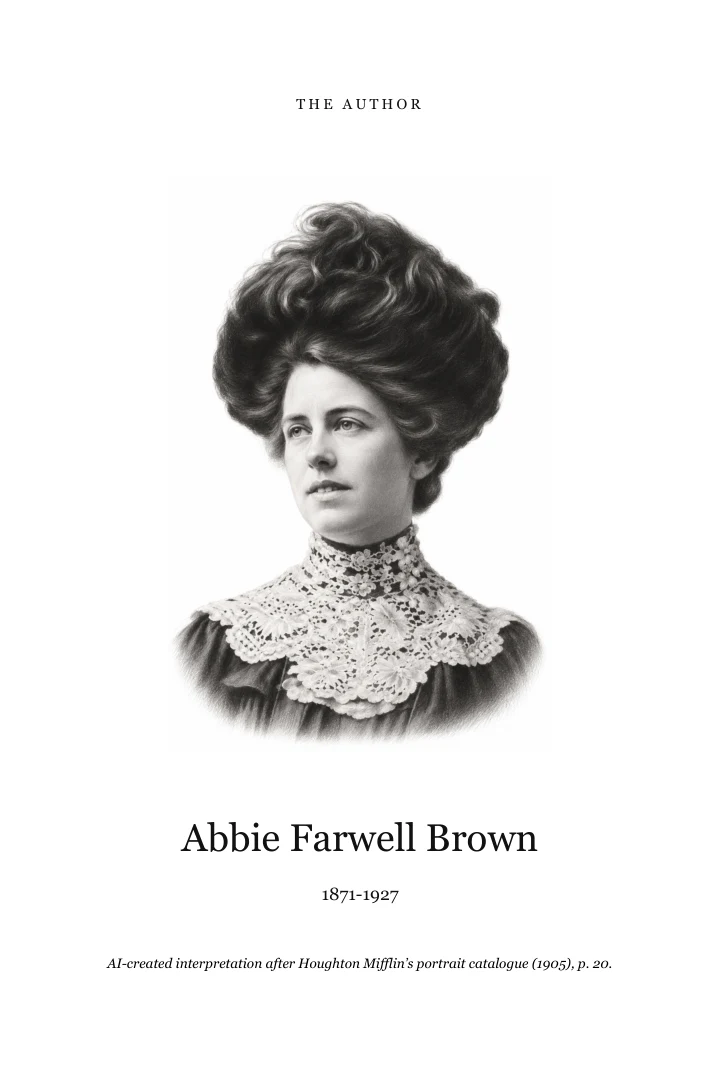
Christmas at Cedar Hill makes shelter and hospitality important to an interrupted journey. It offers a more practical comparison with the idea of home carried by a greeting. Notice what it takes for an unfamiliar place to feel welcoming, rather than assuming a pleasant image is enough.


Questions for a short December discussion
Begin with the card as a material object: why is it a useful center for this story? Then ask how memory changes a person’s response to a greeting. Does reconciliation depend on a message, an action or a willingness to interpret someone differently? Let readers identify the passages that support their views instead of trying to agree on a single moral.
For more relationship-centered selections, explore classic Christmas romance books. For other compact choices, use our short Christmas books guide. If the appeal is specifically returning or making room for someone, Christmas homecoming stories offers a wider set of ways to think about belonging.
Questions readers ask
Is this a modern-style Christmas romance?
Its romance is broader than a conventional courtship plot. Memory, home and reconciliation are central to the appeal of the Christmas card.
What should I pair with it for a discussion?
The Christmas Angel offers another story about objects moving between lives. Christmas at Cedar Hill provides a contrast focused on practical hospitality.