What kind of Christmas book is this?
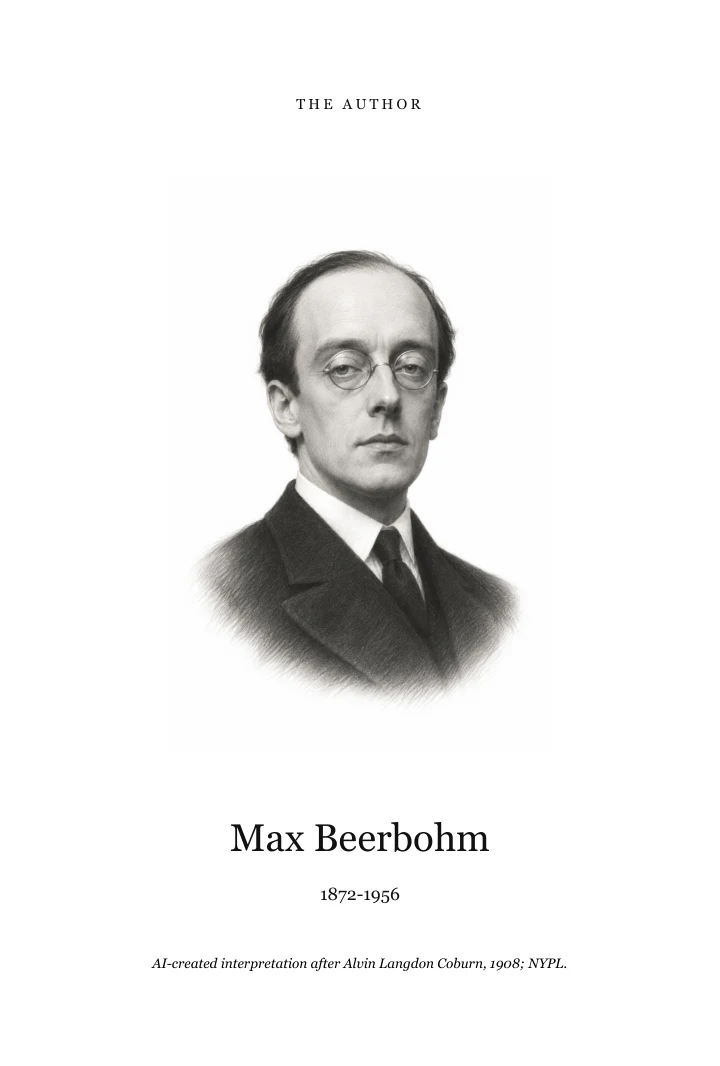
Max Beerbohm’s A Christmas Garland is a collection of seventeen literary parodies. That makes it a particularly good gift for a reader interested in how writing sounds: the favored rhythms, assumptions and gestures that make a voice recognizable. The seasonal occasion brings the pieces together, but the pleasure is not limited to the events of a Christmas plot.
Parody depends on a relationship between a new piece and the kind of writing it imitates. Recognition can make a joke sharper, but it is not the only way to enjoy the collection. Even when a particular model is unfamiliar, you can notice excess, repetition, elaborate phrasing or a narrator’s confidence. Read for those effects before deciding that you need to know everything in advance.

How to approach a parody without homework taking over
Begin by reading one piece straight through for its effect. What kind of storyteller seems to be speaking? What does that voice consider important, and what does it make unnecessarily elaborate? You can ask these questions before identifying every literary reference. A first impression gives you something to compare with any background reading you choose to do afterward.
On a second reading, attend to repeated habits. A sentence may delay its point, insist on a particular atmosphere or turn a small circumstance into something grand. The humor can lie in proportion as much as in an obvious joke. Parody notices patterns that ordinary reading sometimes accepts without stopping to name them.
Avoid assuming that parody always means simple hostility to the writer being imitated. A reader can enjoy a literary voice and still recognize how its habits become comic when intensified. The useful discussion is often about what makes a style effective in one context and excessive in another, rather than whether the author has been defeated by a joke.
Who is likely to enjoy it?
Choose this book for someone who talks about sentences, enjoys comparing authors or likes humor that rewards rereading. It may be less suitable for a recipient who mainly wants an absorbing seasonal plot with characters to follow from beginning to end. Matching the kind of pleasure matters more than matching a festive title to a festive occasion.
For a reading group, ask members to choose one short piece and describe the voice before discussing its model. What social or literary world does it seem to assume? Where does the tone become disproportionate to the subject? Those observations give readers with different levels of background knowledge a way into the same conversation.
Christmas at Thompson Hall
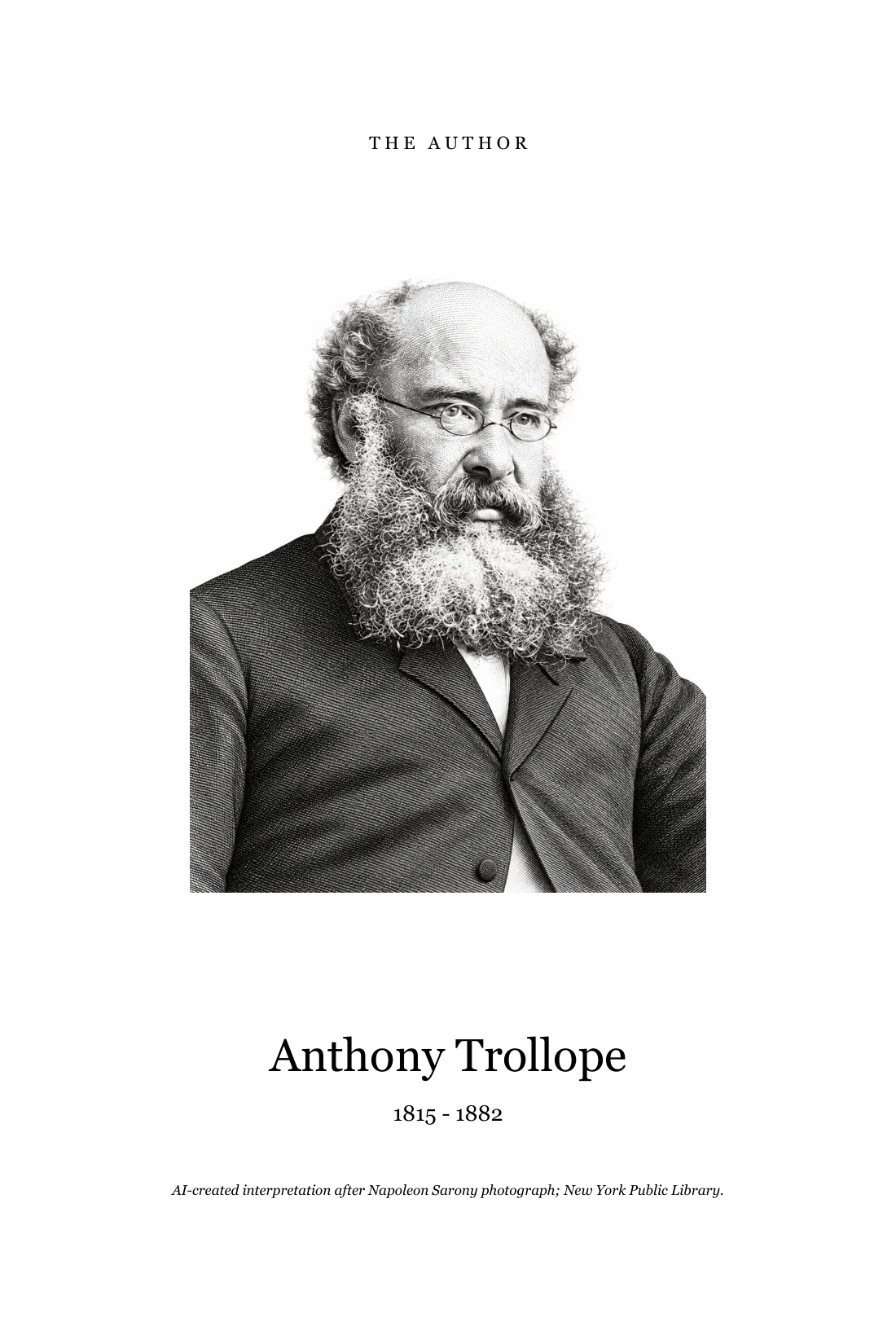
Christmas at Thompson Hall offers a useful contrast: Trollope’s comedy depends on a holiday journey, a mishap and social embarrassment. Read it beside Beerbohm to compare humor generated by a situation with humor generated by a recognizable manner of writing.
Christmas Every Day and Other Stories
Christmas Every Day begins from an impossible wish and follows its consequences. Its comic engine is a premise rather than a literary impersonation. The comparison helps show how different books can be funny without doing the same kind of work.


Where to go after the garland
Our Christmas comedy guide offers several comic registers, from farce to fantasy. If you want a collection organized more around narrative encounters, try Christmas short-story collections. A Christmas reading shelf can hold both, as long as each recommendation makes clear what the reader is being invited to enjoy.
Questions readers ask
How many parodies are in A Christmas Garland?
The collection contains seventeen literary parodies, presented as distinct pieces rather than chapters of one story.
Should I choose it for a cozy Christmas plot?
Choose it primarily for literary wit and stylistic imitation. A narrative comedy such as Christmas at Thompson Hall is a more direct choice for a festive plot.