THE STORY
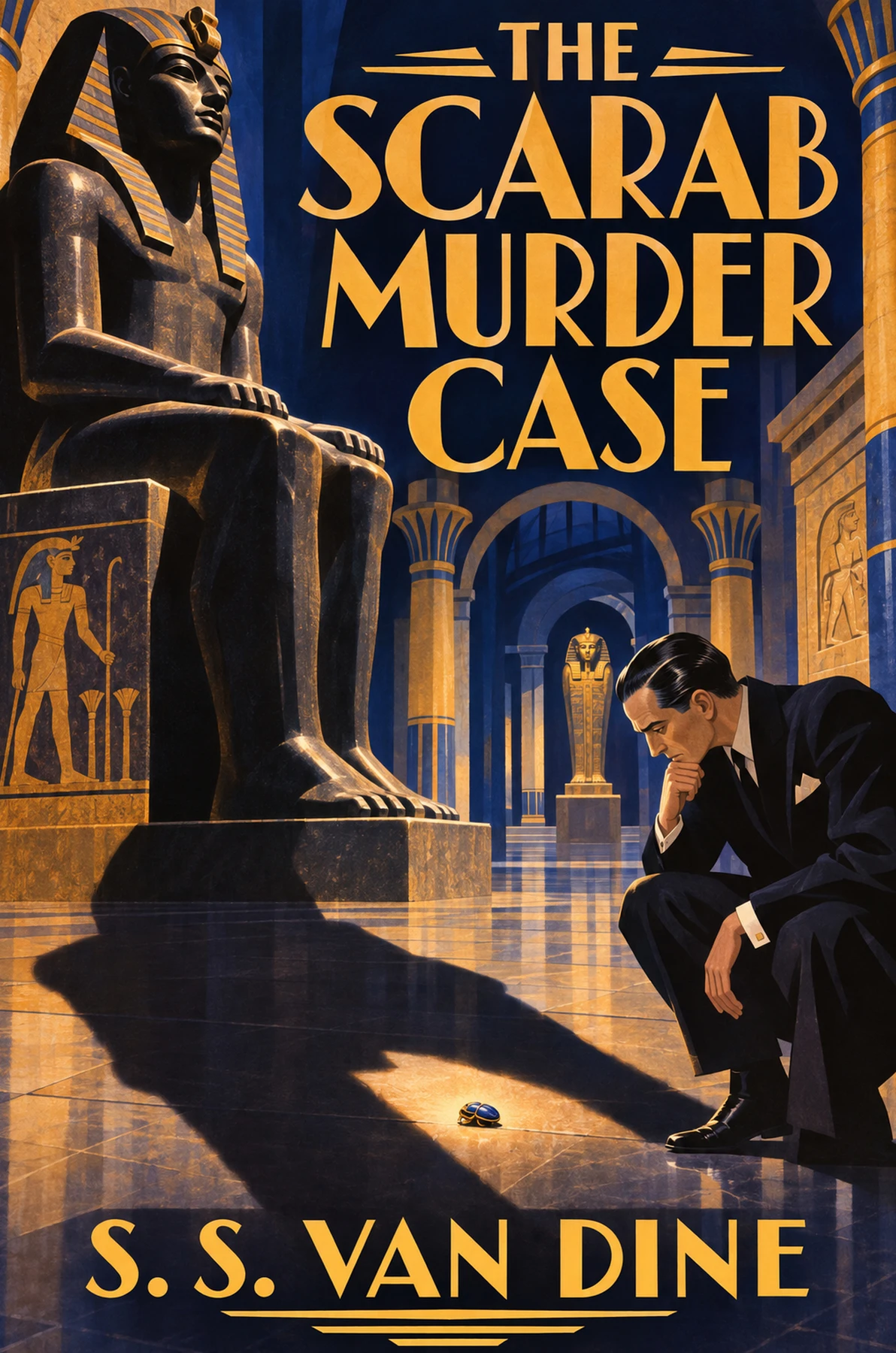
A murder disturbs a house full of Egyptian antiquities.
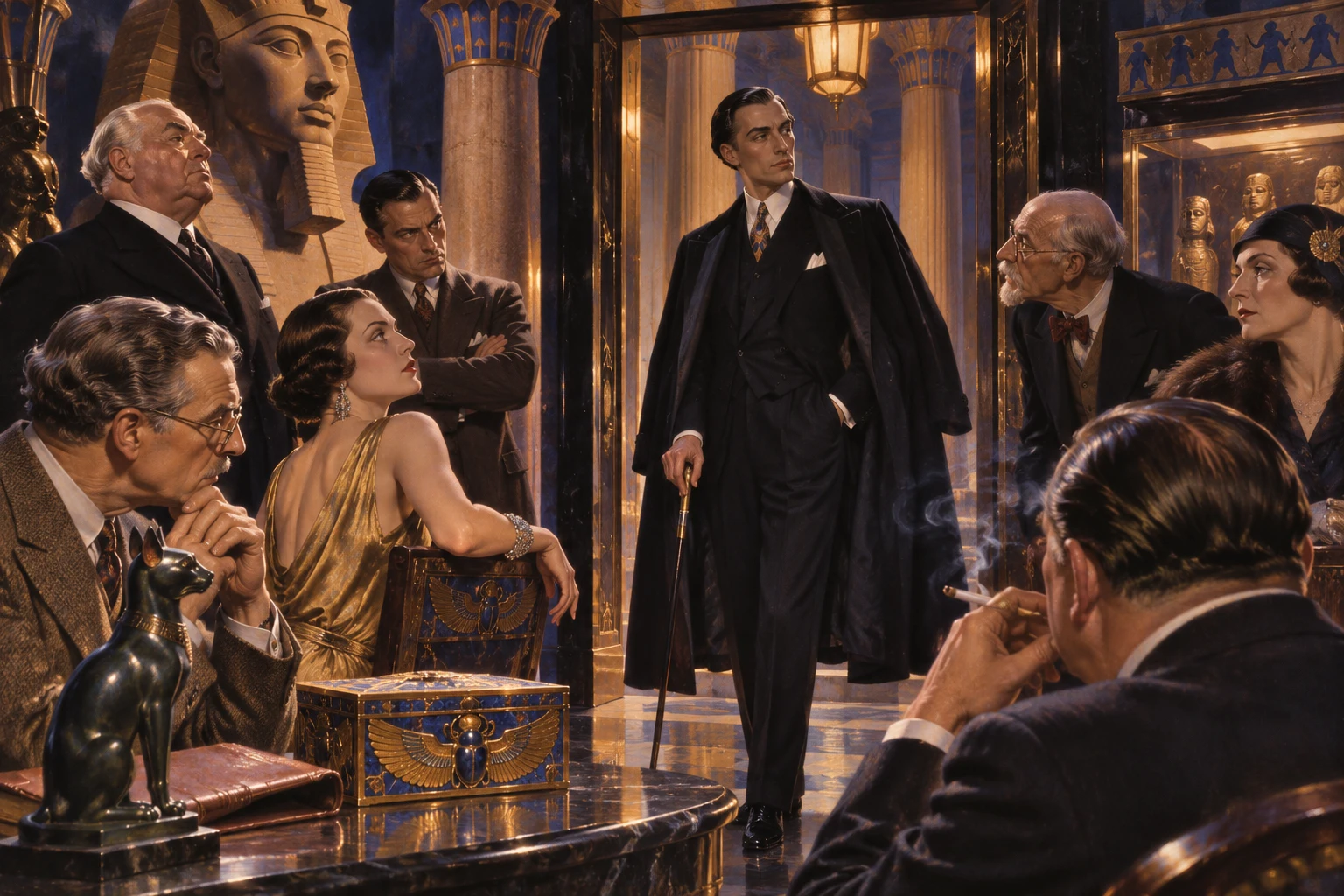
Philo Vance enters a circle of scholars, collectors and people with reasons to lie. The artifacts matter, but the relationships among the living may be the more revealing evidence.
Browse collections

Find your next chapter
Explore timeless stories, unexpected discoveries, and old favourites.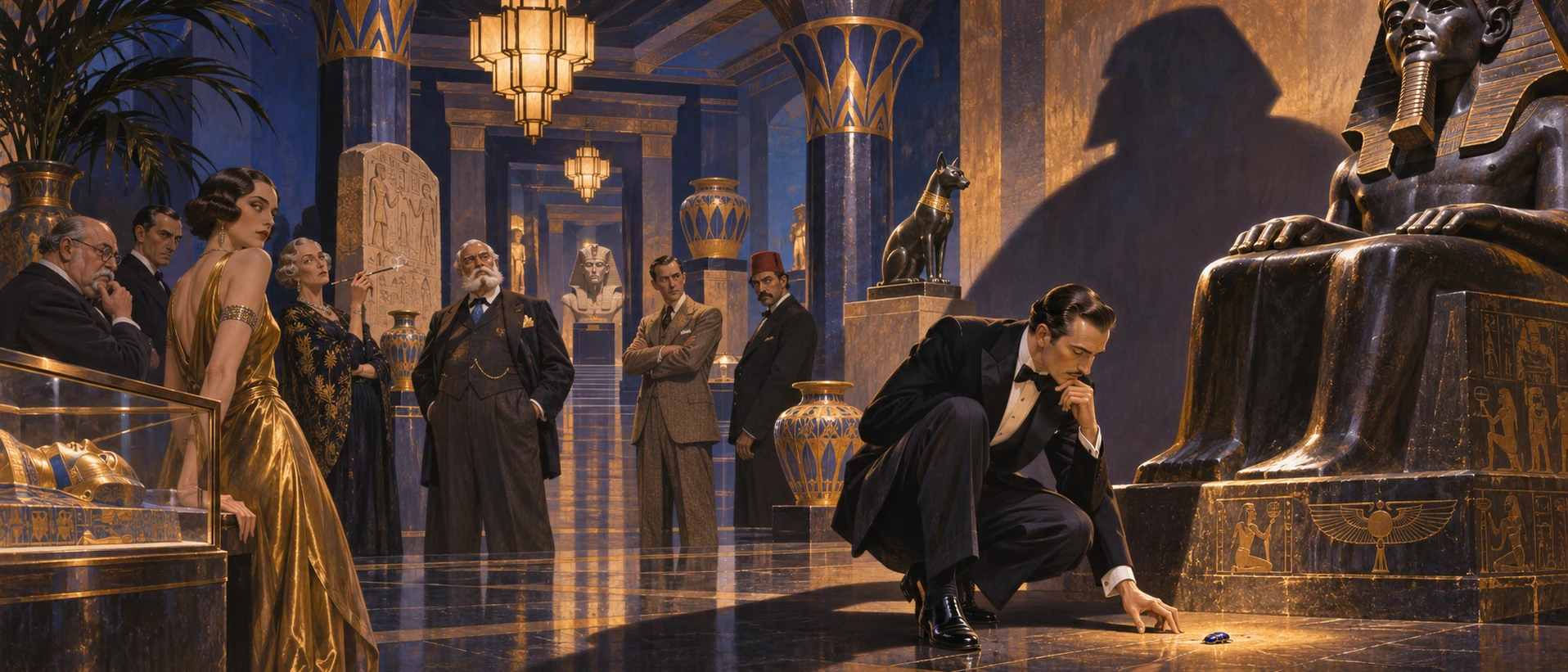
Philo Vance enters a circle of scholars, collectors and people with reasons to lie. The artifacts matter, but the relationships among the living may be the more revealing evidence.
$15.99
Printed for you. Shipping calculated at checkout.

THE STORY
Philo Vance enters a circle of scholars, collectors and people with reasons to lie. The artifacts matter, but the relationships among the living may be the more revealing evidence.
THE WORLD OF THE BOOK
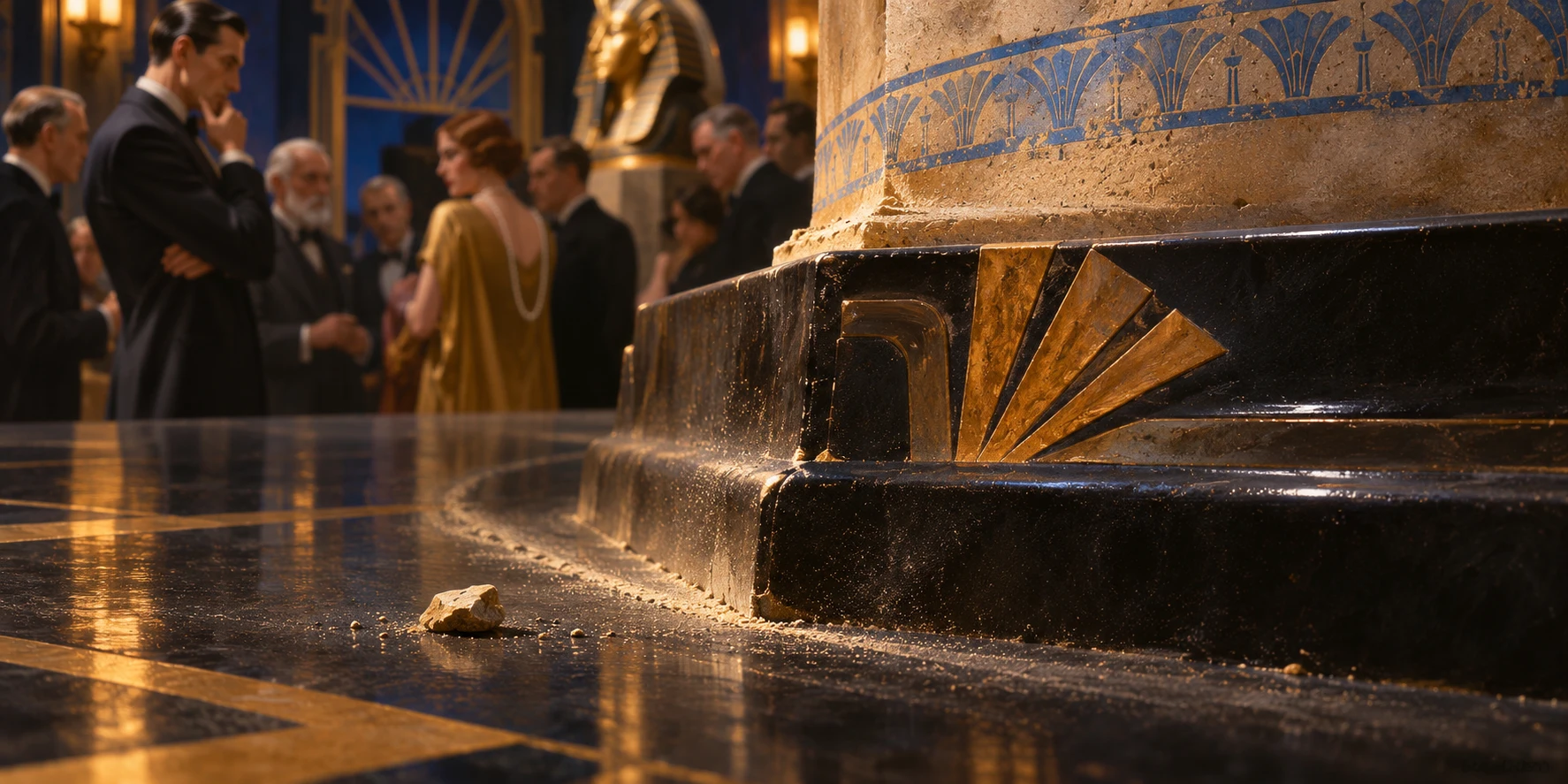
A tiny scarab rests in the dust beside the statue’s base.
LOOK INSIDE
Preview six pages from this edition. Select a page to enlarge it, or use the arrows to keep reading.
Spread 1 of 3
ABOUT THE AUTHOR
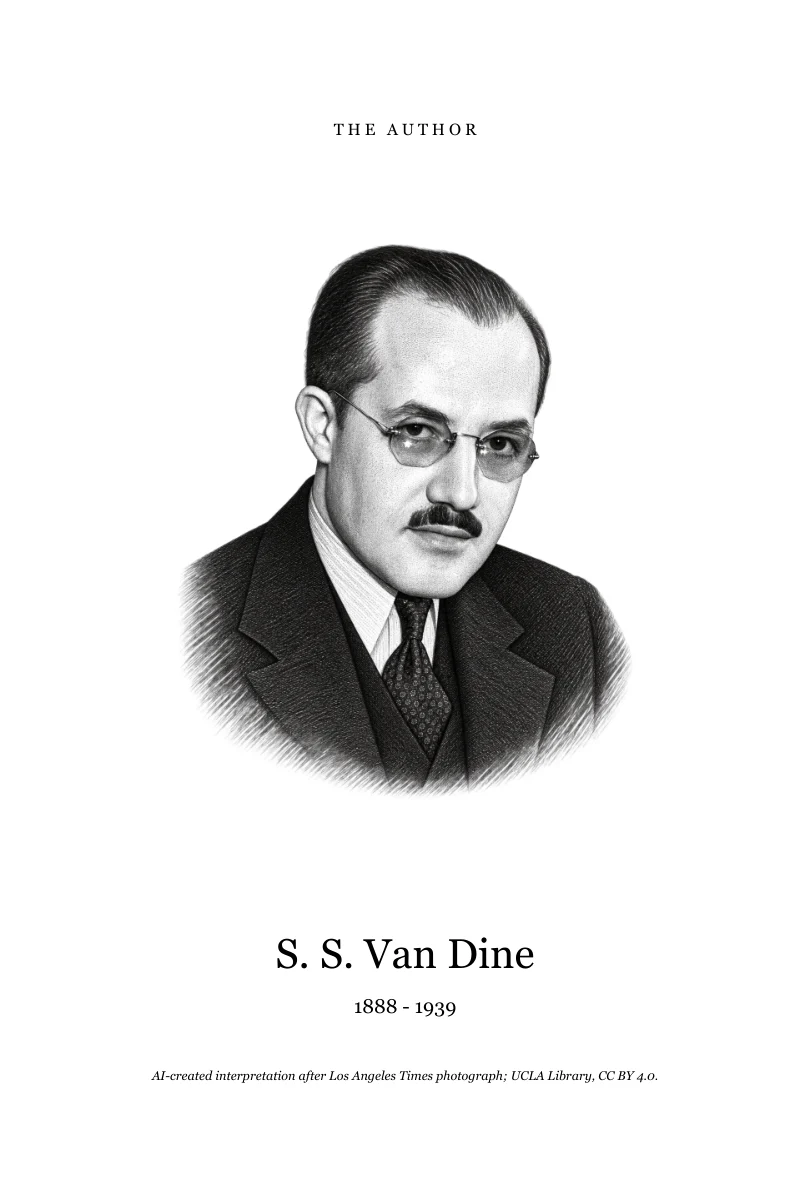
S. S. Van Dine was the detective-fiction pen name of Willard Huntington Wright, an American critic and writer born in Charlottesville, Virginia, in 1888. Before becoming known for mysteries, he participated in literary and artistic debate, writing about modern painting and other cultural subjects. His detective Philo Vance first appeared in The Benson Murder Case in 1926. Vance brings cultivated tastes and an interest in personality to the investigation of crime. The character's confident manner gives the stories a distinctive voice, connecting the author's earlier cultural interests with the conventions of the detective novel. The books made Van Dine a prominent name in American mystery fiction, and Philo Vance also appeared in screen adaptations. Wright continued the series until the end of his life in 1939. The contrast between his work as a critic and his success as a popular novelist is an important part of his literary identity. Readers can separate Vance's confident assertions from the evidence available to everyone else. A persuasive interpretation is not necessarily a demonstrated one. Following the movement from observation to theory helps reveal how the puzzle is constructed, while attention to the narrator's admiration for the detective shows how a reader is encouraged to trust him. Biographical references: PARES, Spanish State Archives; UCLA Library. Portrait source: Los Angeles Times photograph; UCLA Library, CC BY 4.0. Full source records retained in the edition archive. Adapted using AI from the Los Angeles Times photograph held by UCLA Library; licensed CC BY 4.0 (creativecommons.org/licenses/by/4.0/).
More about the author ↗THE NEXT CHAPTER
FREE TO READ
The Scarab Murder Case is in the public domain, so its words belong to everyone. Download our edition free. No account needed.
Best for phones, Apple Books, Google Play Books, Kobo and Kindle
The printed page layout, with illustrations
KEEP BROWSING