THE STORY
Who is the public in public opinion?
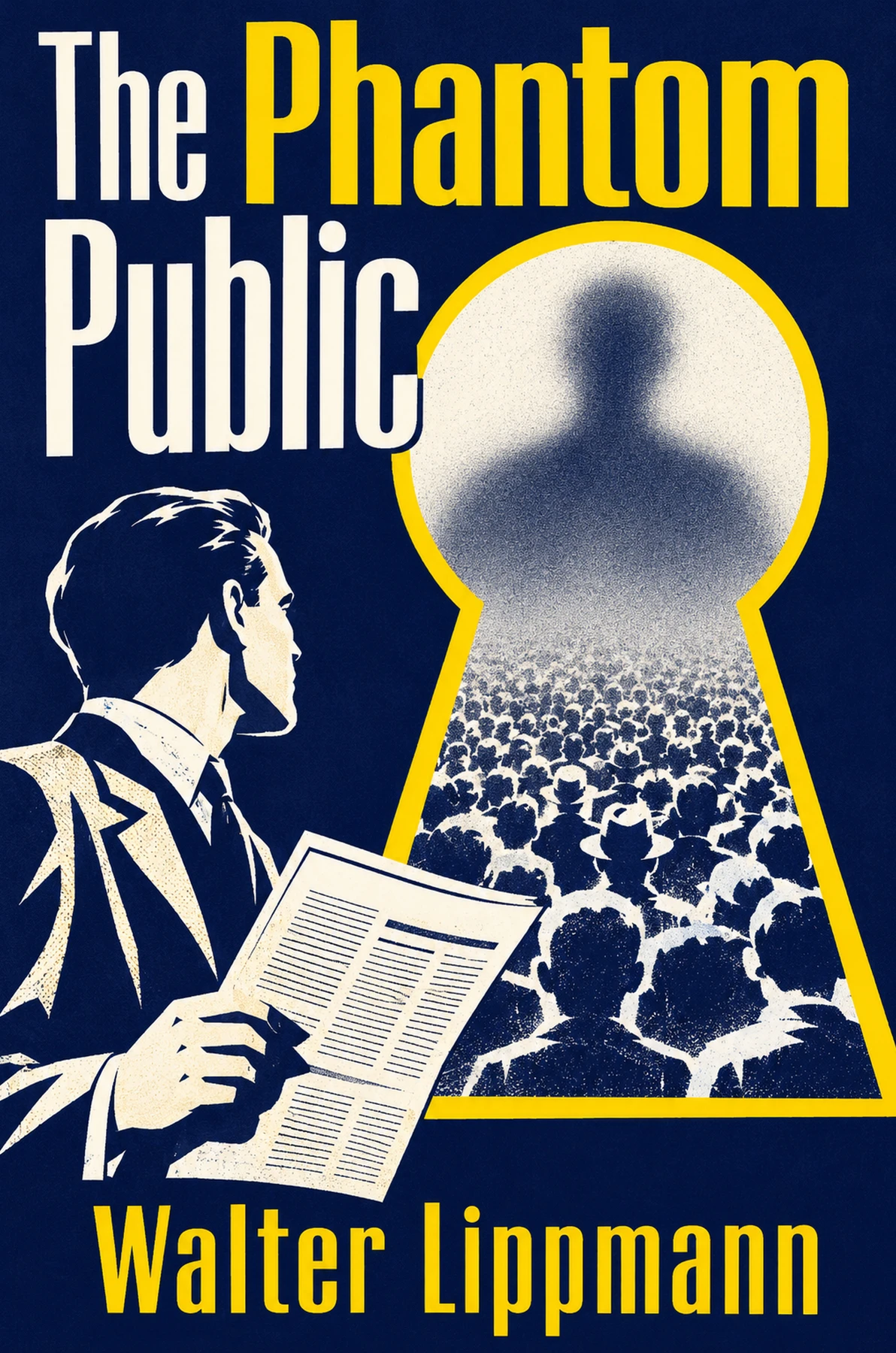
Walter Lippmann considers what citizens can realistically know about the affairs carried on in their name. His argument probes the distance between democratic ideals and the work of governing.
Browse collections

Find your next chapter
Explore timeless stories, unexpected discoveries, and old favourites.
Walter Lippmann considers what citizens can realistically know about the affairs carried on in their name. His argument probes the distance between democratic ideals and the work of governing.
$11.99
Printed for you. Shipping calculated at checkout.

THE STORY
Walter Lippmann considers what citizens can realistically know about the affairs carried on in their name. His argument probes the distance between democratic ideals and the work of governing.

THE WORLD OF THE BOOK
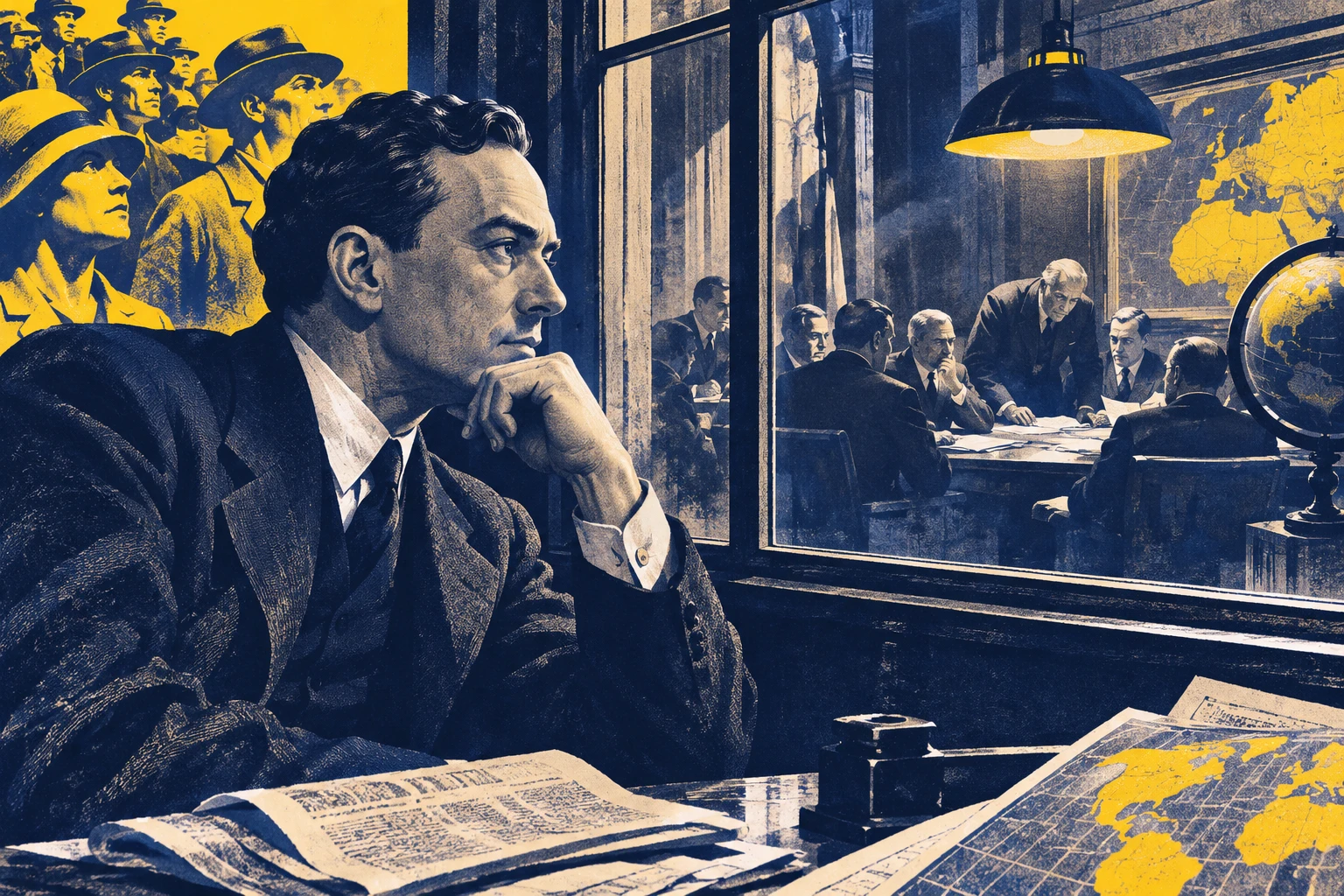
A folded newspaper rests on a chair above a council chamber.
LOOK INSIDE
Preview six pages from this edition. Select a page to enlarge it, or use the arrows to keep reading.
Spread 1 of 3
ABOUT THE AUTHOR
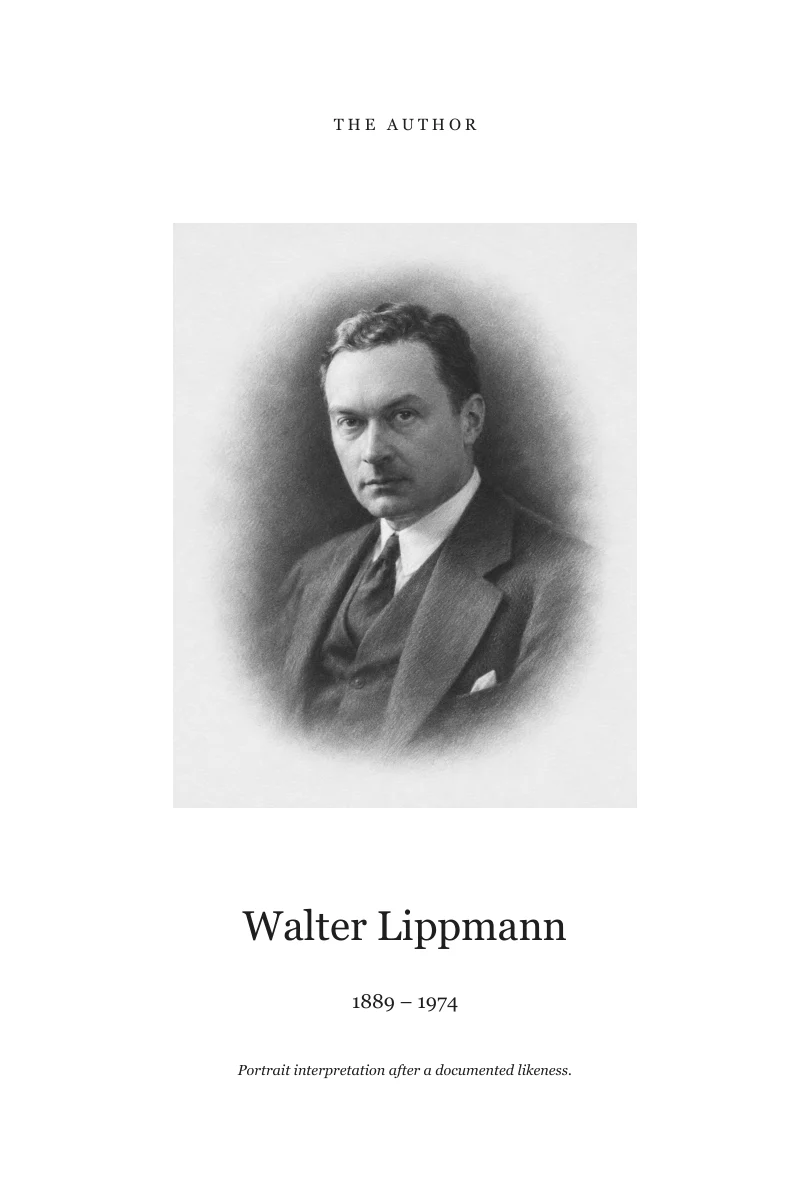
Walter Lippmann was an American journalist and political writer. He considered how people form judgments about events they cannot observe directly and how institutions translate those judgments into public action. His work brought questions of knowledge and responsibility into the center of political debate. The Phantom Public examines the role assigned to ordinary citizens in democratic theory. A Preface to Morals turns toward the ethical questions that arise when inherited sources of authority lose their hold.
More about the author ↗THE NEXT CHAPTER
FREE TO READ
The Phantom Public is in the public domain, so its words belong to everyone. Download our edition free. No account needed.
Best for phones, Apple Books, Google Play Books, Kobo and Kindle
The printed page layout, with illustrations
KEEP BROWSING