THE STORY
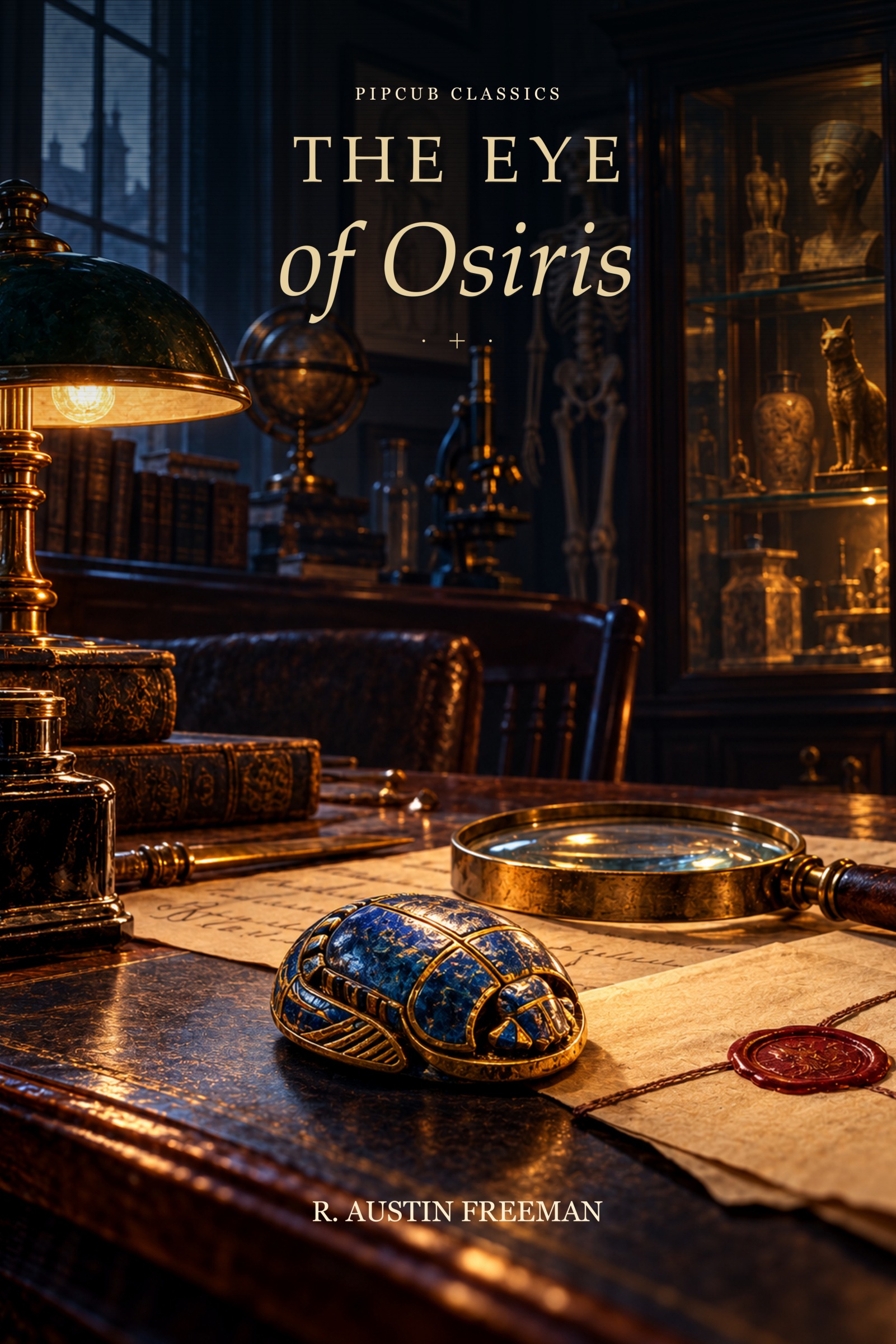
An ordinary object can hold an extraordinary clue.
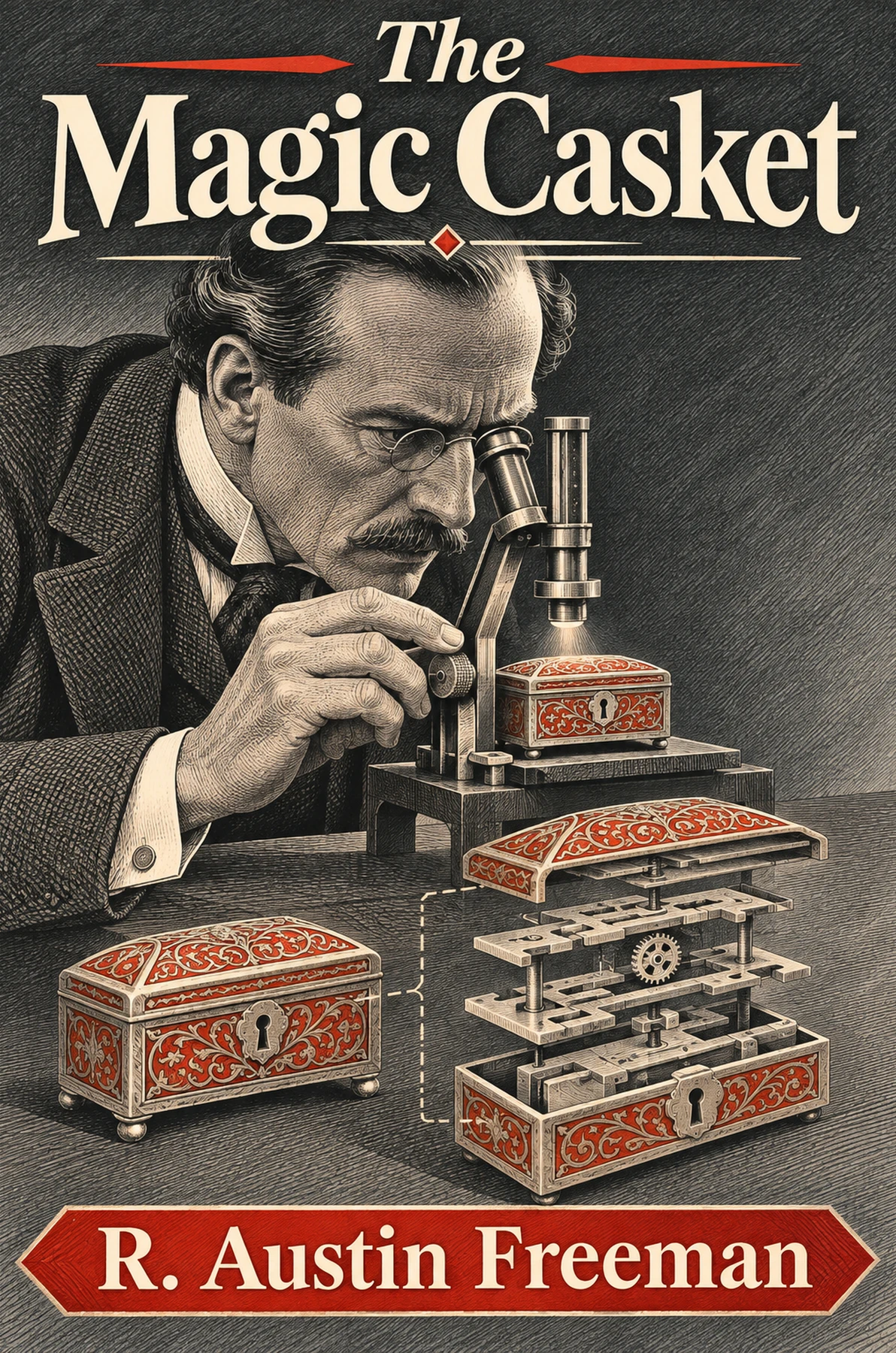
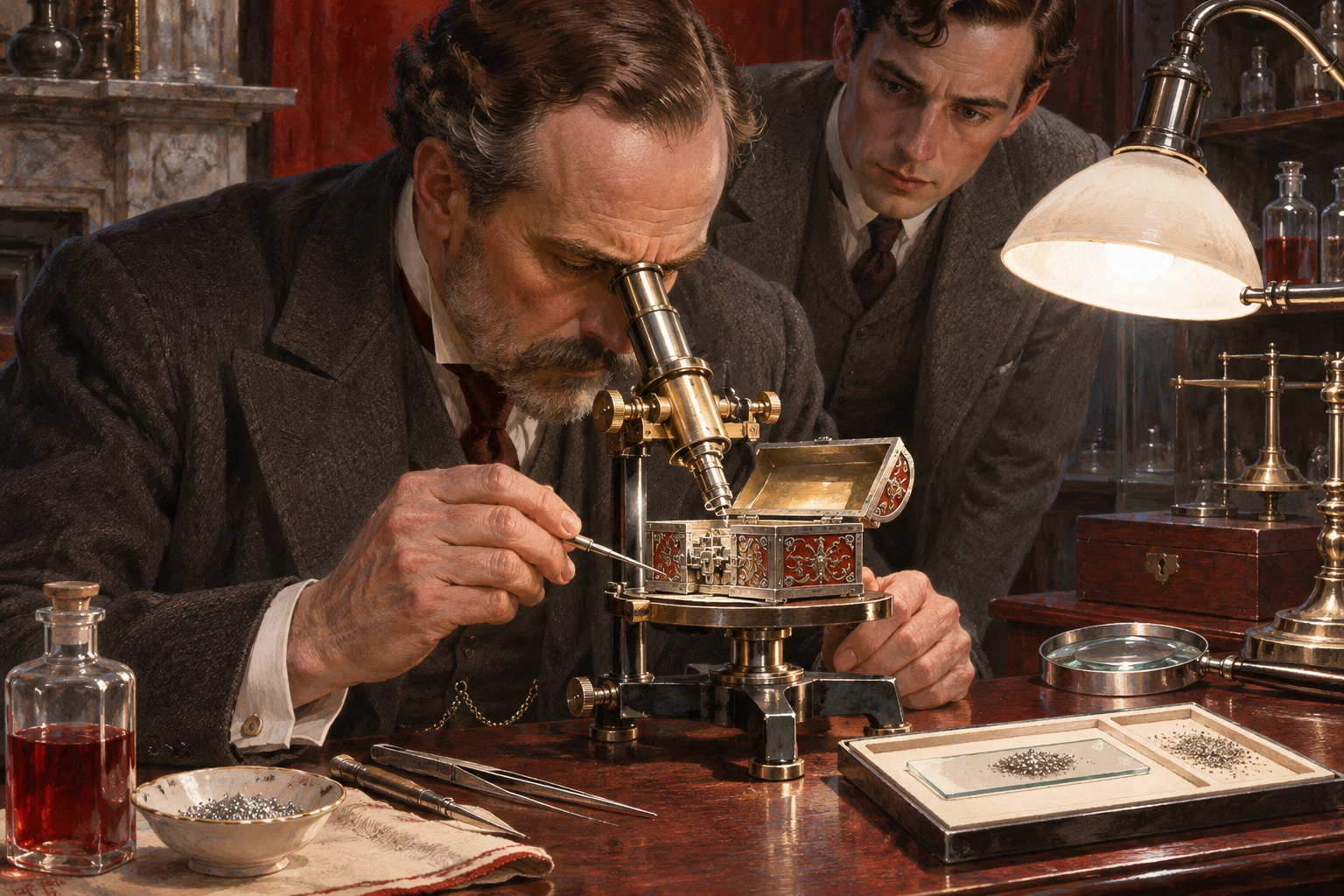
R. Austin Freeman’s detective stories invite close attention to material evidence. The pleasure lies in seeing how a seemingly trivial physical detail can reorder an entire account of a crime.
ABOUT THE AUTHOR
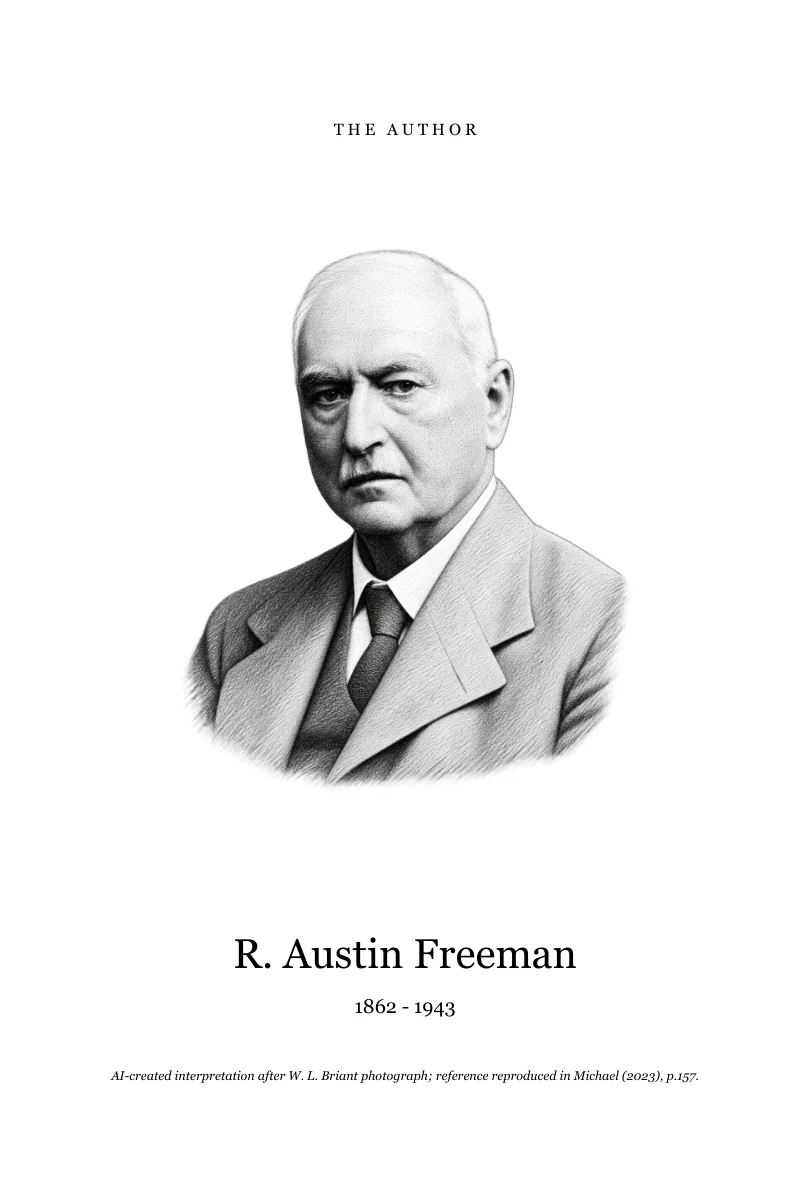
R. Austin Freeman
Richard Austin Freeman was an English physician and writer whose medical training shaped his detective fiction. Born in London in 1862, he worked as a colonial medical officer in West Africa before returning to England. His later writing drew on scientific knowledge as well as experience of illness, travel and professional life. His best-known character is Dr. John Thorndyke, an investigator who brings medicine and law together. The Red Thumb Mark, published in 1907, introduced Thorndyke in a novel. Fingerprints, microscopy and the careful examination of physical traces became central to the series, giving apparently minor objects an important place in its plots. Freeman also helped develop the inverted detective story. In this form, readers may witness the crime and know its perpetrator before the investigation begins. The interest then lies in how evidence can establish what happened, rather than simply in discovering an unknown culprit. His collection The Singing Bone appeared in 1912. The stories invite readers to distinguish observation from assumption. Thorndyke tests explanations against material details, often defending someone whose guilt seems obvious to others. Freeman continued writing into the early 1940s and died in 1943. His fiction preserves the scientific interests of its period while turning the patient construction of proof into a source of suspense. Biographical references: Hektoen International and bibliographical research. Portrait reference: W. L. Briant photograph, reproduced with identification in Michael (2023), p. 157, credited there to Encyclopaedia Britannica.
More about the author ↗Portrait page from this Pipcub edition