THE STORY
A pin is a small thing to leave behind.
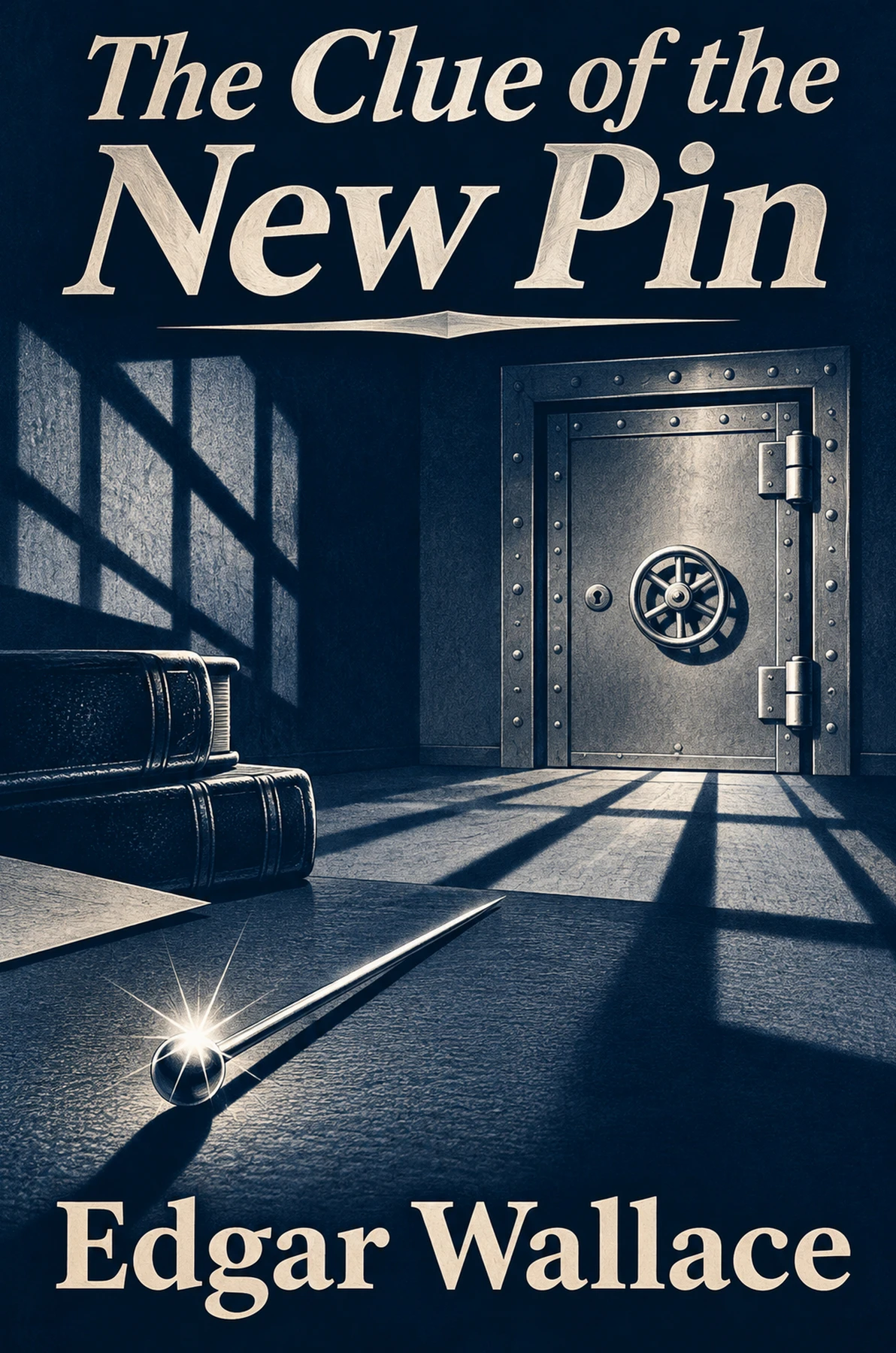
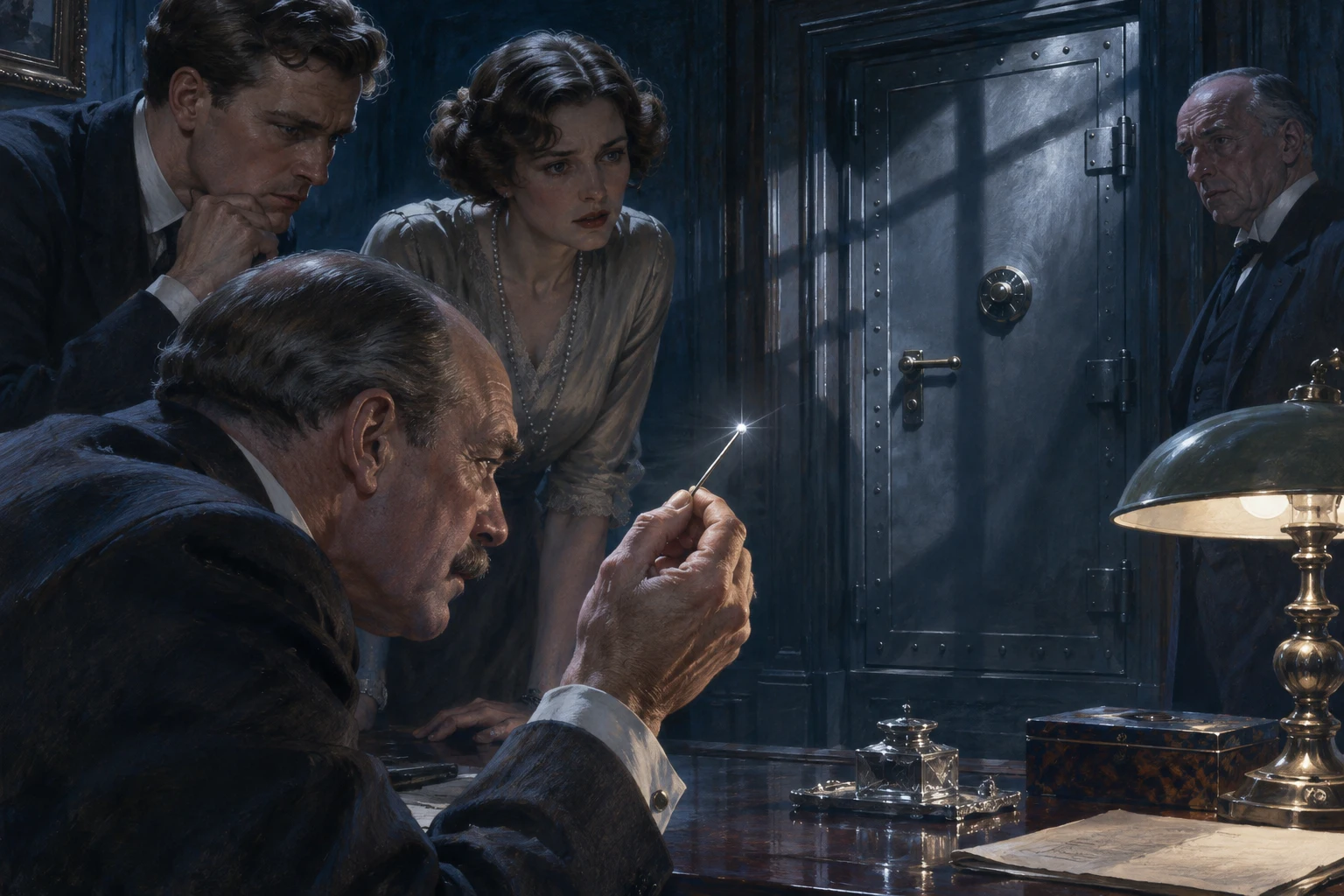
Edgar Wallace constructs a murder puzzle around a locked space and an ordinary object. As the evidence changes hands, each explanation has to answer for what the room itself reveals.
Browse collections

Find your next chapter
Explore timeless stories, unexpected discoveries, and old favourites.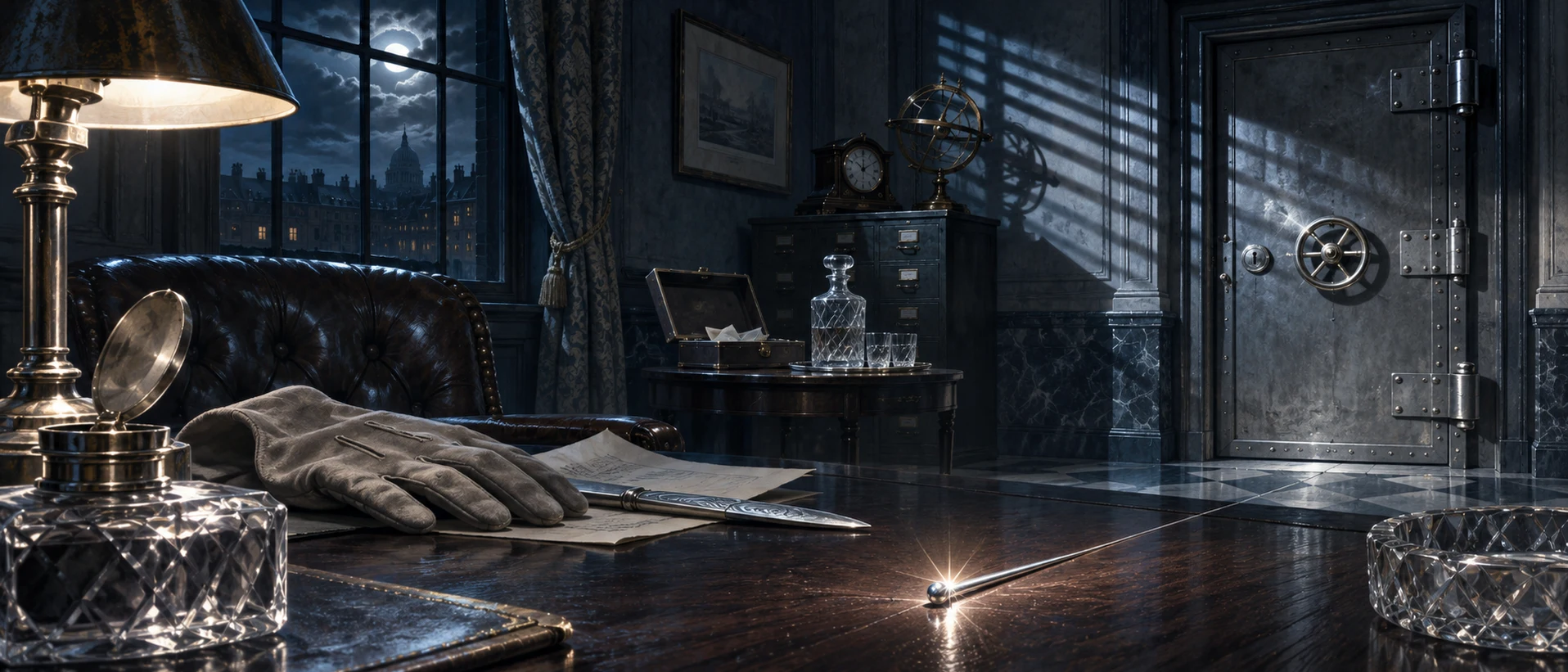
Edgar Wallace constructs a murder puzzle around a locked space and an ordinary object. As the evidence changes hands, each explanation has to answer for what the room itself reveals.
$14.99
Printed for you. Shipping calculated at checkout.

THE STORY
Edgar Wallace constructs a murder puzzle around a locked space and an ordinary object. As the evidence changes hands, each explanation has to answer for what the room itself reveals.
THE WORLD OF THE BOOK
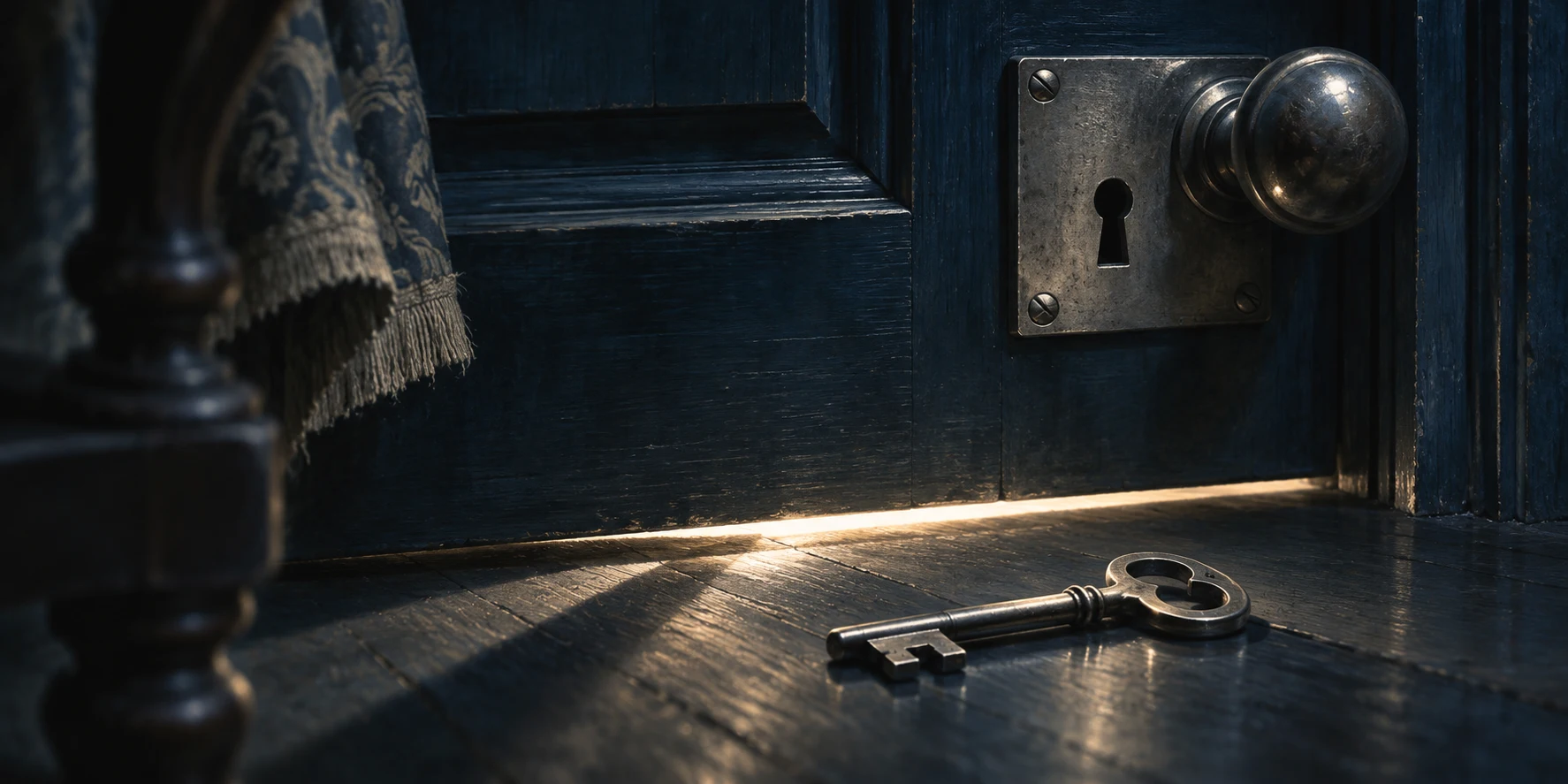
A key lies beside a closed door with light under the threshold.
LOOK INSIDE
Preview six pages from this edition. Select a page to enlarge it, or use the arrows to keep reading.
Spread 1 of 3
ABOUT THE AUTHOR
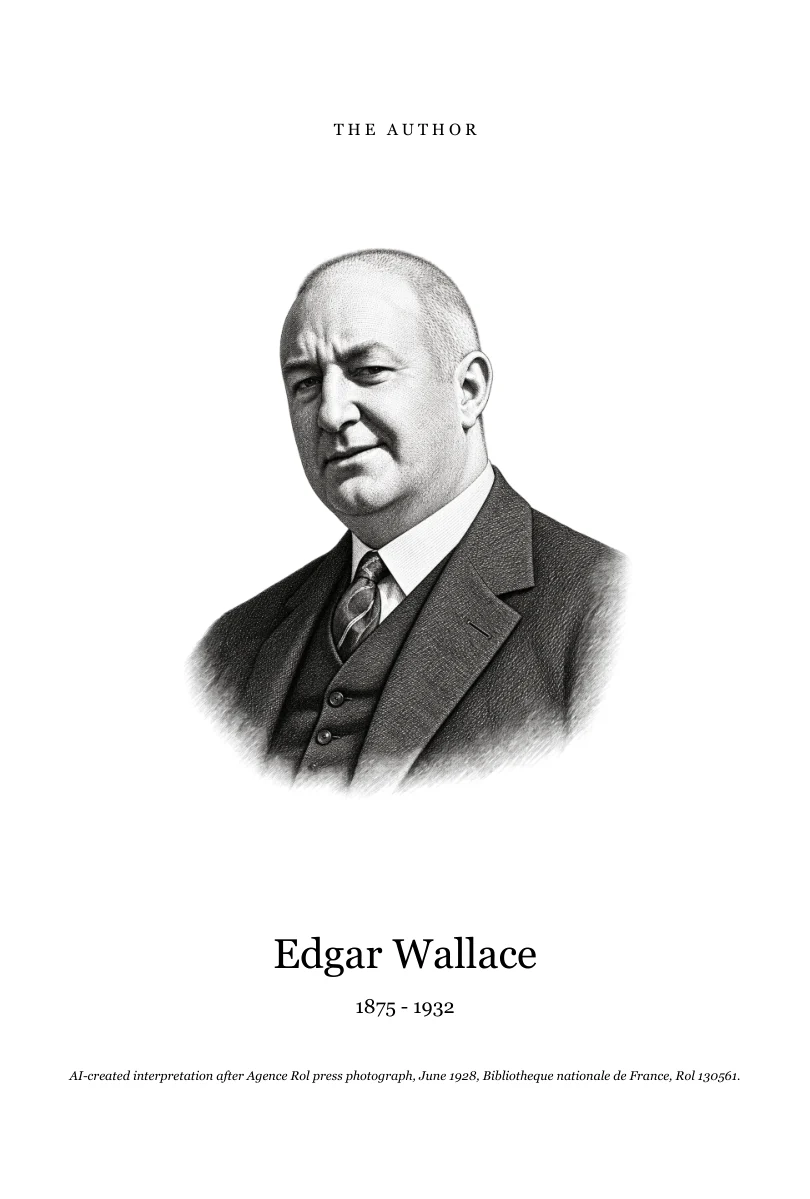
Edgar Wallace was a British journalist, novelist and playwright, born in London in 1875. Raised in the household of a fish porter, he experienced working life from an early age. Newspapers became central to his career, first as a source of employment and later as a training ground for his writing. He served in South Africa and subsequently worked there as a correspondent for Reuters and the Daily Mail. Reporting encouraged attention to striking incidents, compressed explanation and the need to hold an audience. Those habits remained visible in his popular fiction. Wallace became an exceptionally prolific writer of crime and adventure stories, as well as plays and other works. His books reached a large readership, and adaptations helped carry his plots into other media. Commercial success did not remove his financial difficulties. He died in 1932, leaving a large and varied body of work. Readers can follow the distribution of information: what an investigator knows, what a suspect conceals and what the reader has been allowed to see. A brief conversation or sudden interruption may change the direction of a scene. Wallace's pace makes it useful to pause over the assumptions behind an accusation, particularly when a character's public position seems to offer an easy explanation of guilt or innocence. Biographical references: Edgar Wallace Society and National Library of New Zealand. Portrait source: Agence Rol press photograph, June 1928, Bibliotheque nationale de France, Rol 130561. Full source records retained in the edition archive.
More about the author ↗THE NEXT CHAPTER
FREE TO READ
The Clue of the New Pin is in the public domain, so its words belong to everyone. Download our edition free. No account needed.
Best for phones, Apple Books, Google Play Books, Kobo and Kindle
The printed page layout, with illustrations
KEEP BROWSING