THE STORY
What makes a person change their faith?
G. K. Chesterton considers the experience of entering the Catholic Church. He follows the objections, surprises and changes of perspective that accompanied his own conversion.
Browse collections

Find your next chapter
Explore timeless stories, unexpected discoveries, and old favourites.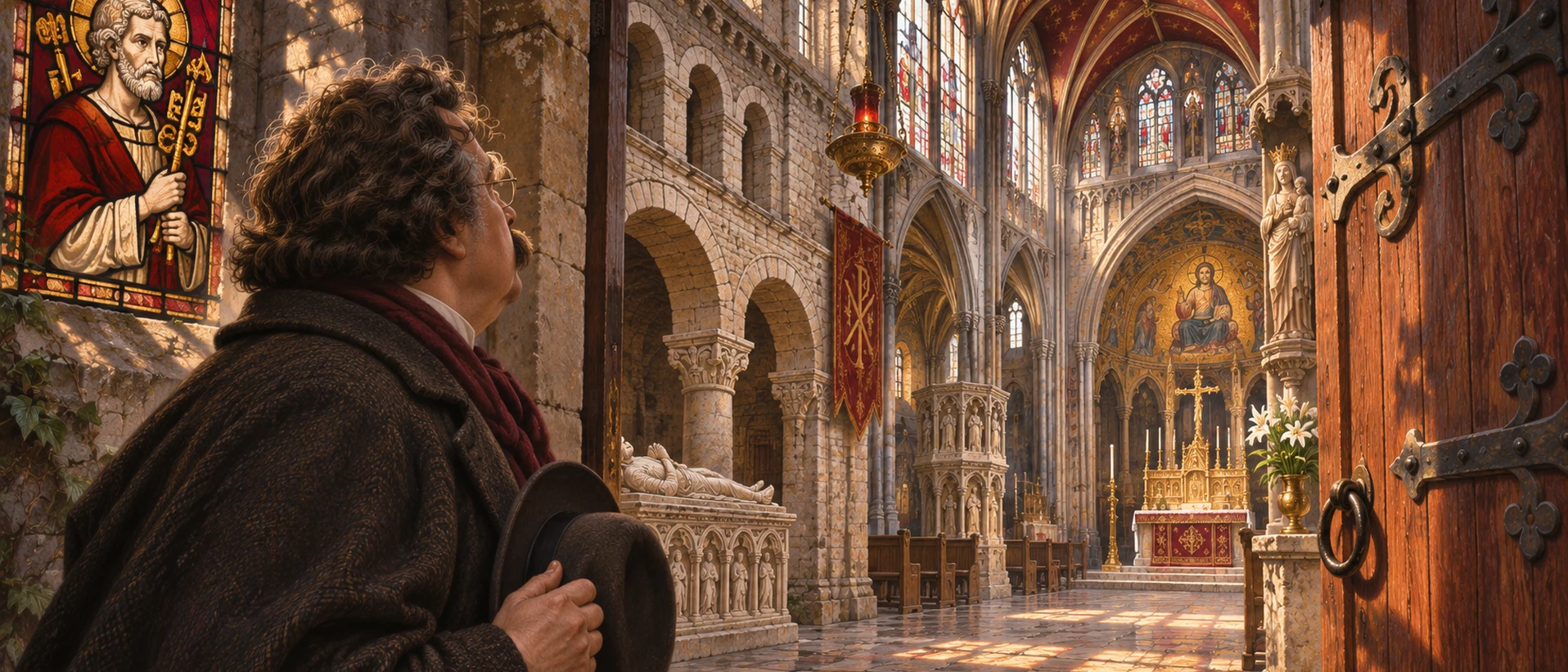
G. K. Chesterton considers the experience of entering the Catholic Church. He follows the objections, surprises and changes of perspective that accompanied his own conversion.
$10.99
Printed for you. Shipping calculated at checkout.

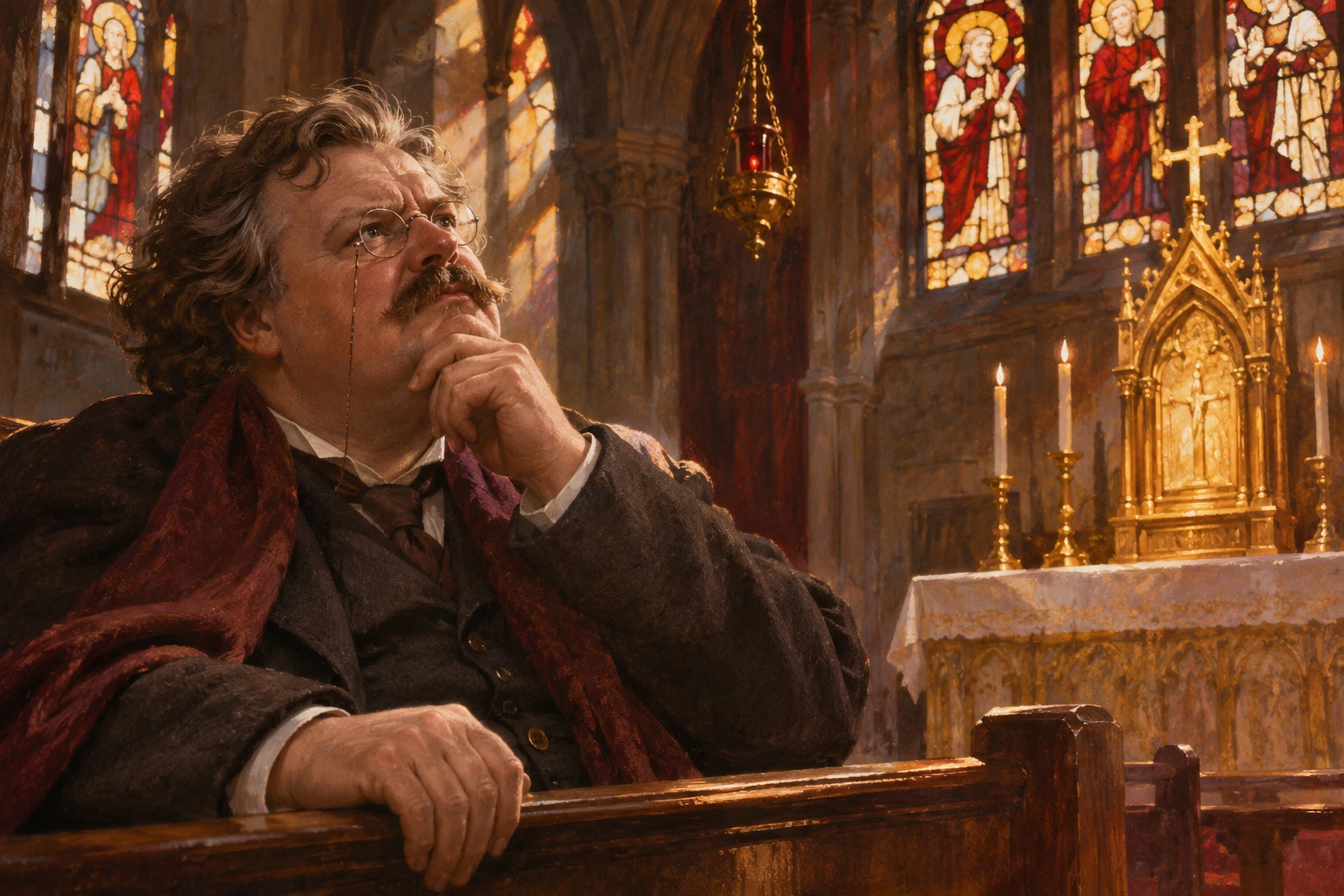
THE STORY
G. K. Chesterton considers the experience of entering the Catholic Church. He follows the objections, surprises and changes of perspective that accompanied his own conversion.
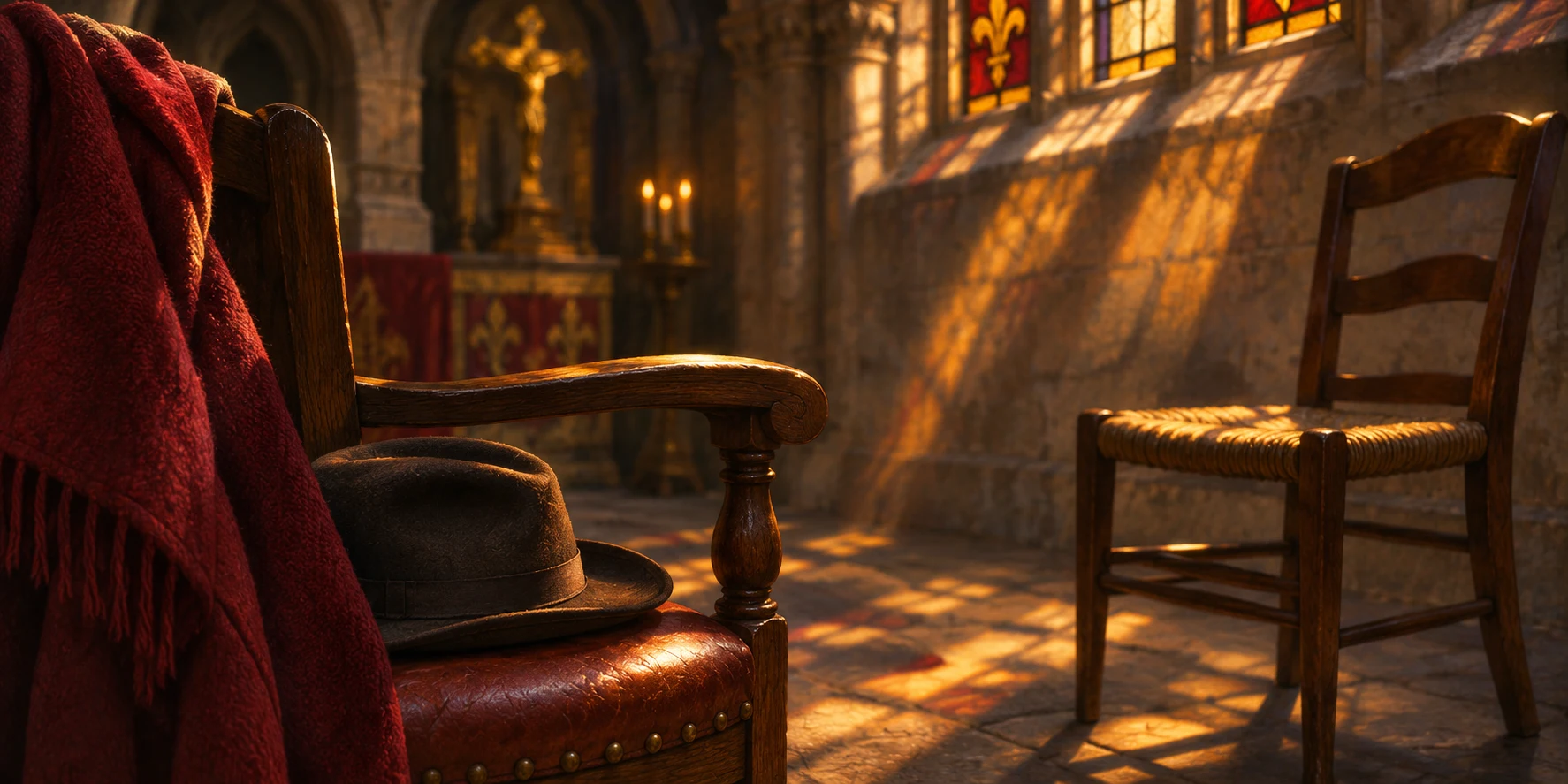
THE WORLD OF THE BOOK
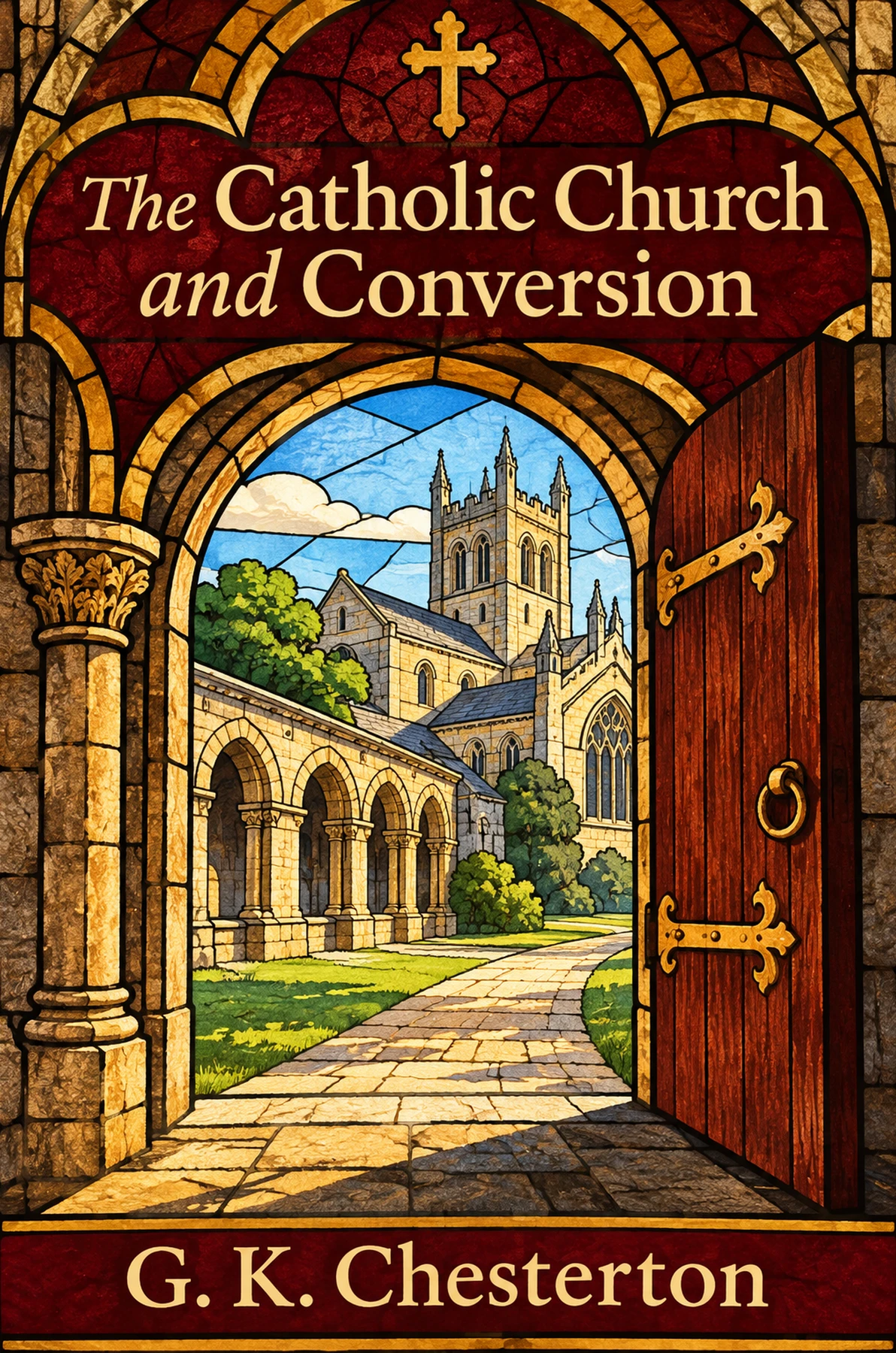
Light from a stained-glass window falls across an empty chair.
LOOK INSIDE
Preview six pages from this edition. Select a page to enlarge it, or use the arrows to keep reading.
Spread 1 of 3
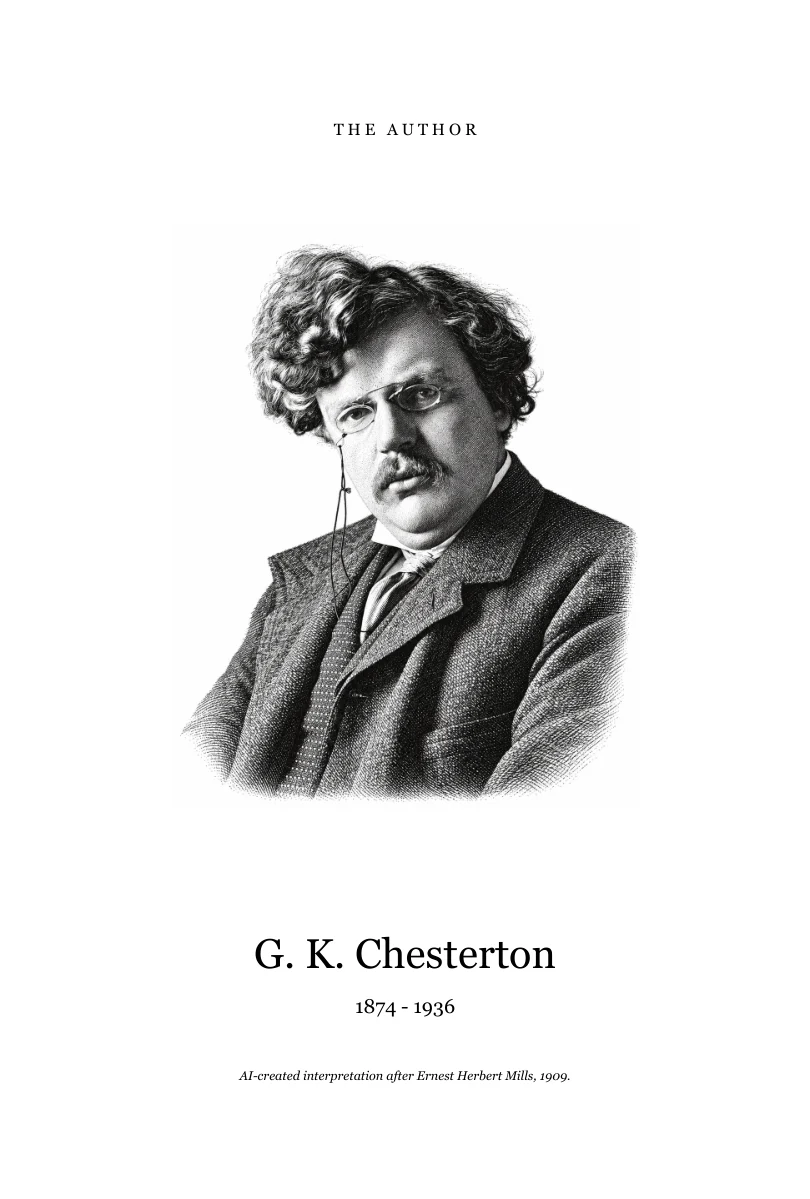
ABOUT THE AUTHOR
Gilbert Keith Chesterton was an English writer whose work moves between fiction, essays, poetry and religious argument. He is especially associated with paradox: the surprising reversal that makes a familiar idea look unfamiliar. Humour and argument frequently occupy the same sentence in his writing. His fictional detective Father Brown is a Catholic priest whose understanding of wrongdoing depends on attention to human motives. The stories make mystery a way of examining pride, self-deception and the assumptions people bring to what they see. Their quiet investigator offers a distinctive presence within the detective tradition. Chesterton also wrote extensively about Christianity. Orthodoxy and The Everlasting Man are among his major works of religious reflection. His commitment to Christian belief eventually led him from Anglicanism into the Catholic Church. Across his varied writing, Chesterton asks readers to reconsider habits of thought that have become automatic. An ordinary street, an everyday object or a commonplace saying may become the starting point for an unexpected argument. His taste for intellectual puzzles also helped his work reach readers far beyond those who shared his religious convictions, including the Argentine writer Jorge Luis Borges. Biographical reference: Wikipedia, G. K. Chesterton. Historical portrait: Ernest Herbert Mills, 1909. Full source records are retained in the edition archive.
More about the author ↗THE NEXT CHAPTER
FREE TO READ
The Catholic Church and Conversion is in the public domain, so its words belong to everyone. Download our edition free. No account needed.
Best for phones, Apple Books, Google Play Books, Kobo and Kindle
The printed page layout, with illustrations
KEEP BROWSING