THE STORY
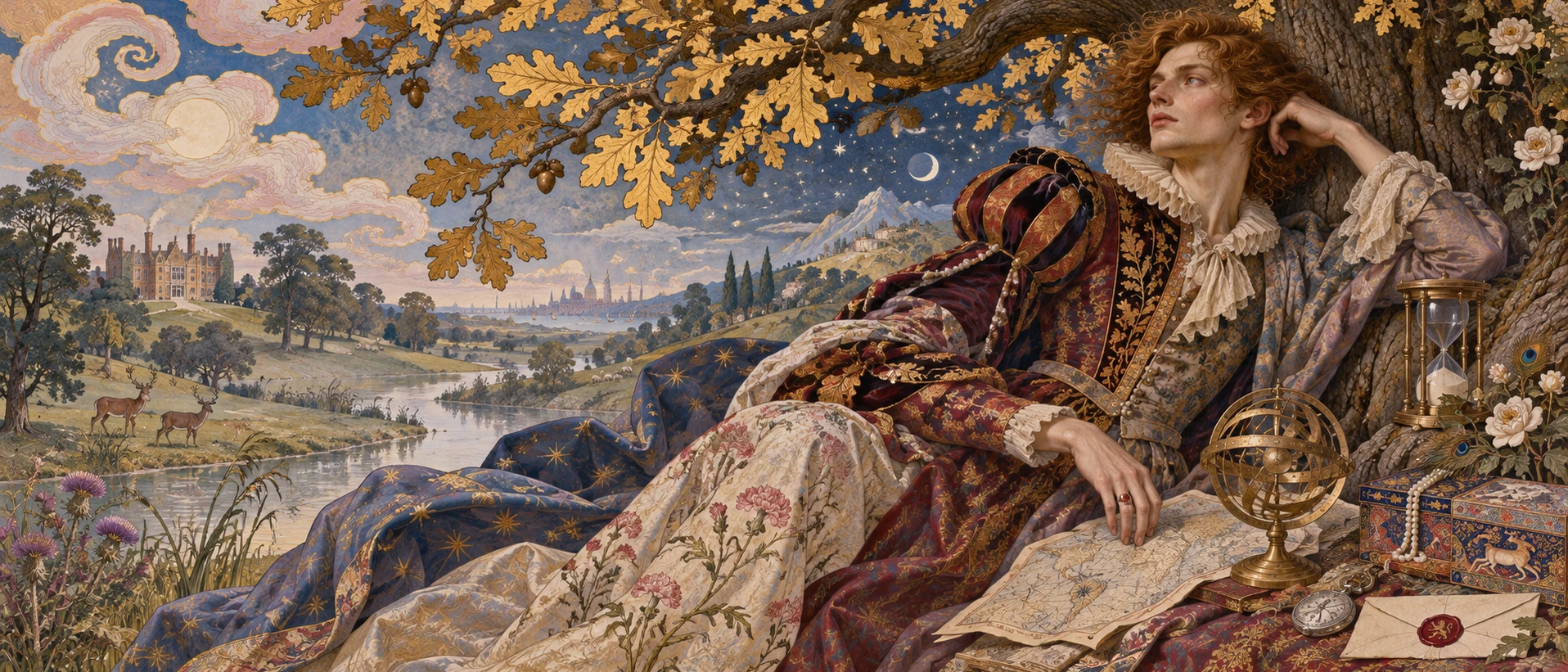
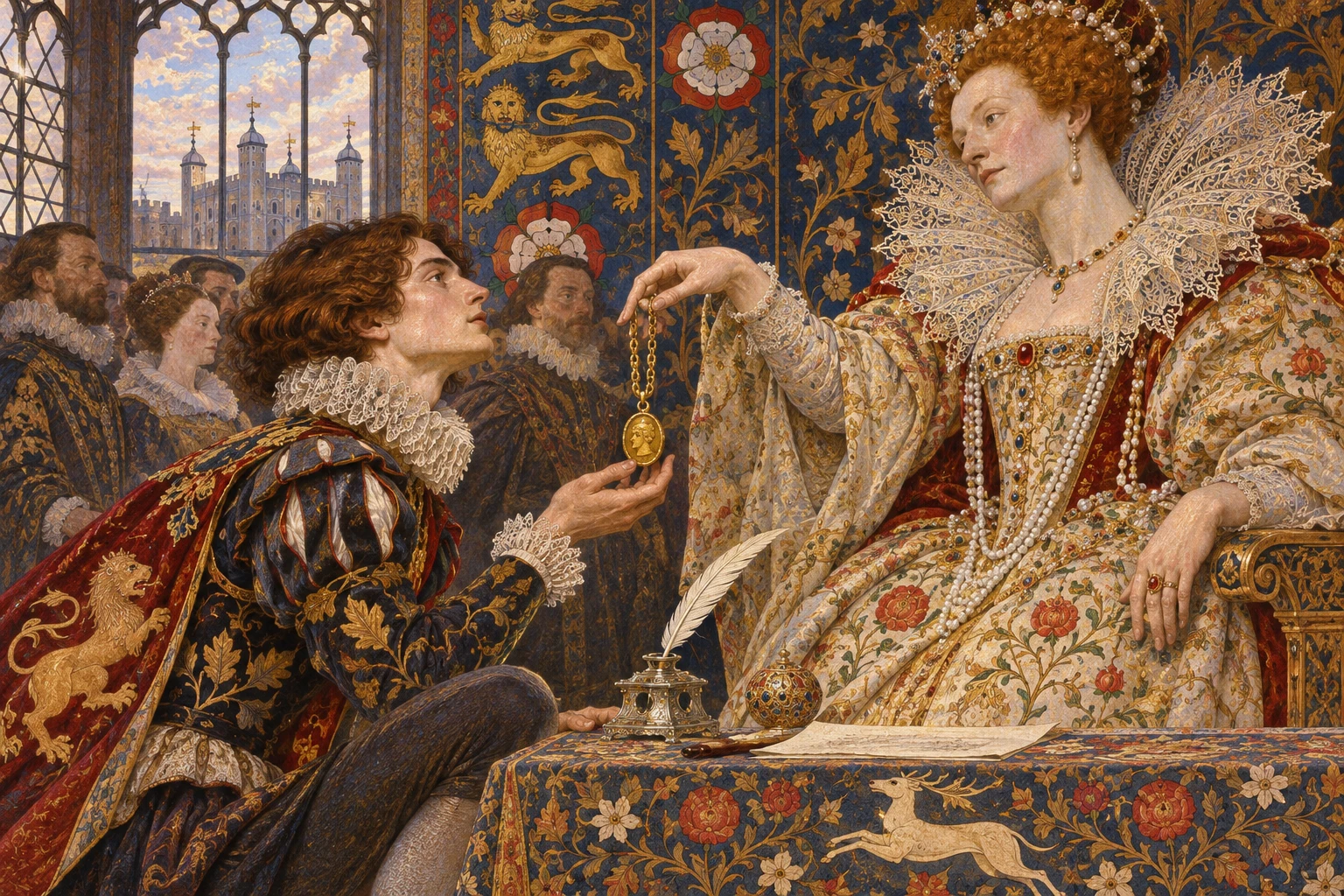
Centuries pass. Orlando keeps living.
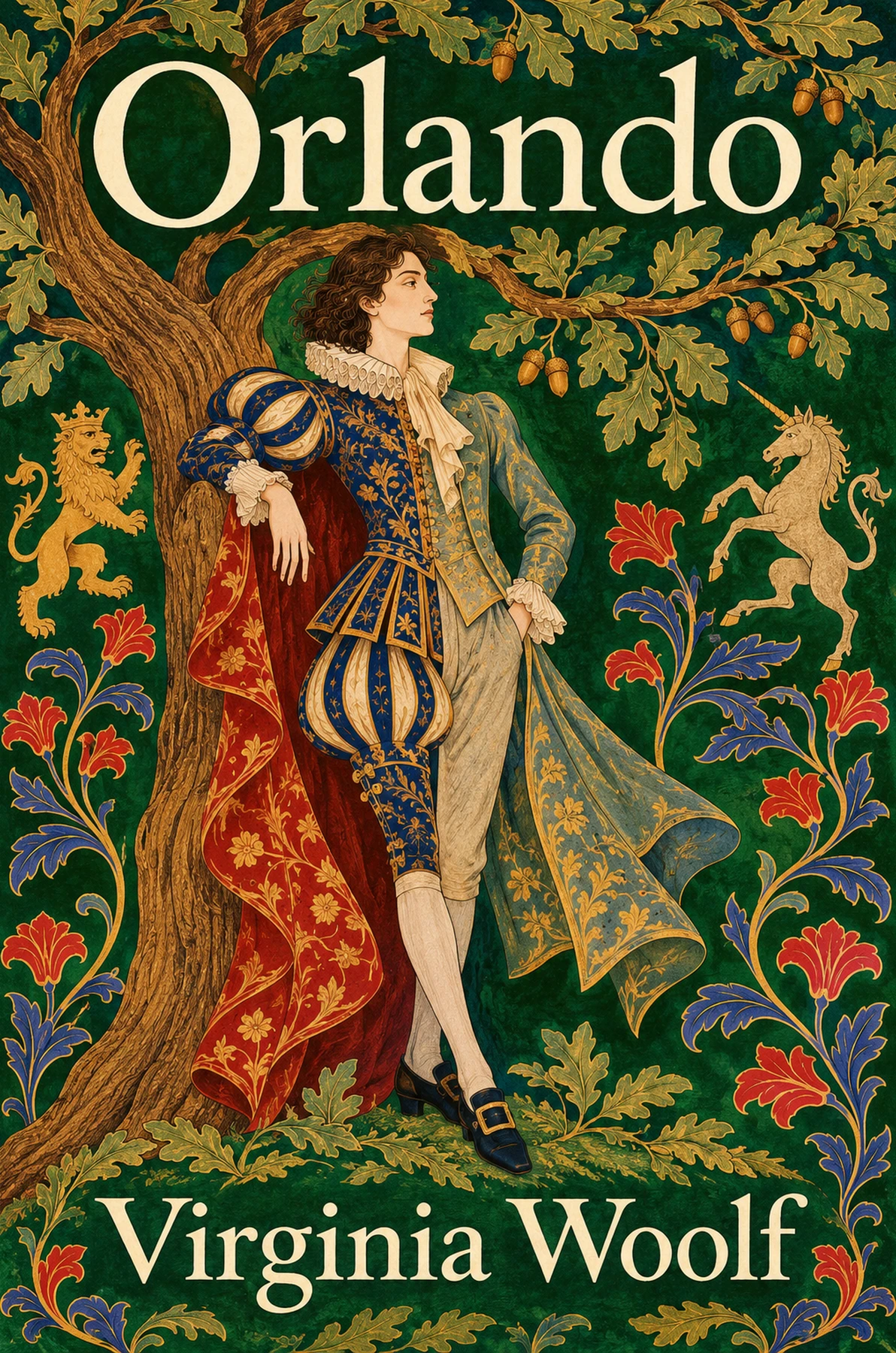
Beginning as a young nobleman in Elizabethan England, Orlando travels across countries, eras and conventions of gender. Virginia Woolf makes a single life the occasion for a playful inquiry into biography itself.
ABOUT THE AUTHOR
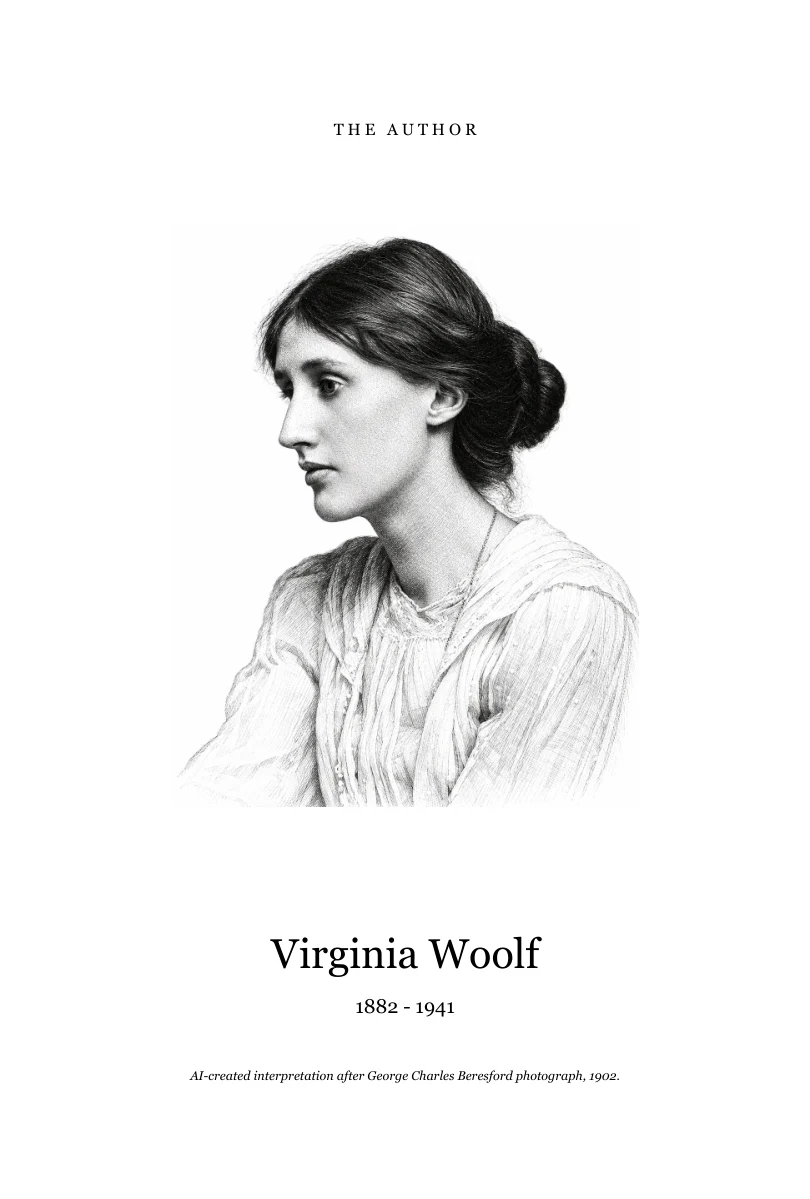
Virginia Woolf
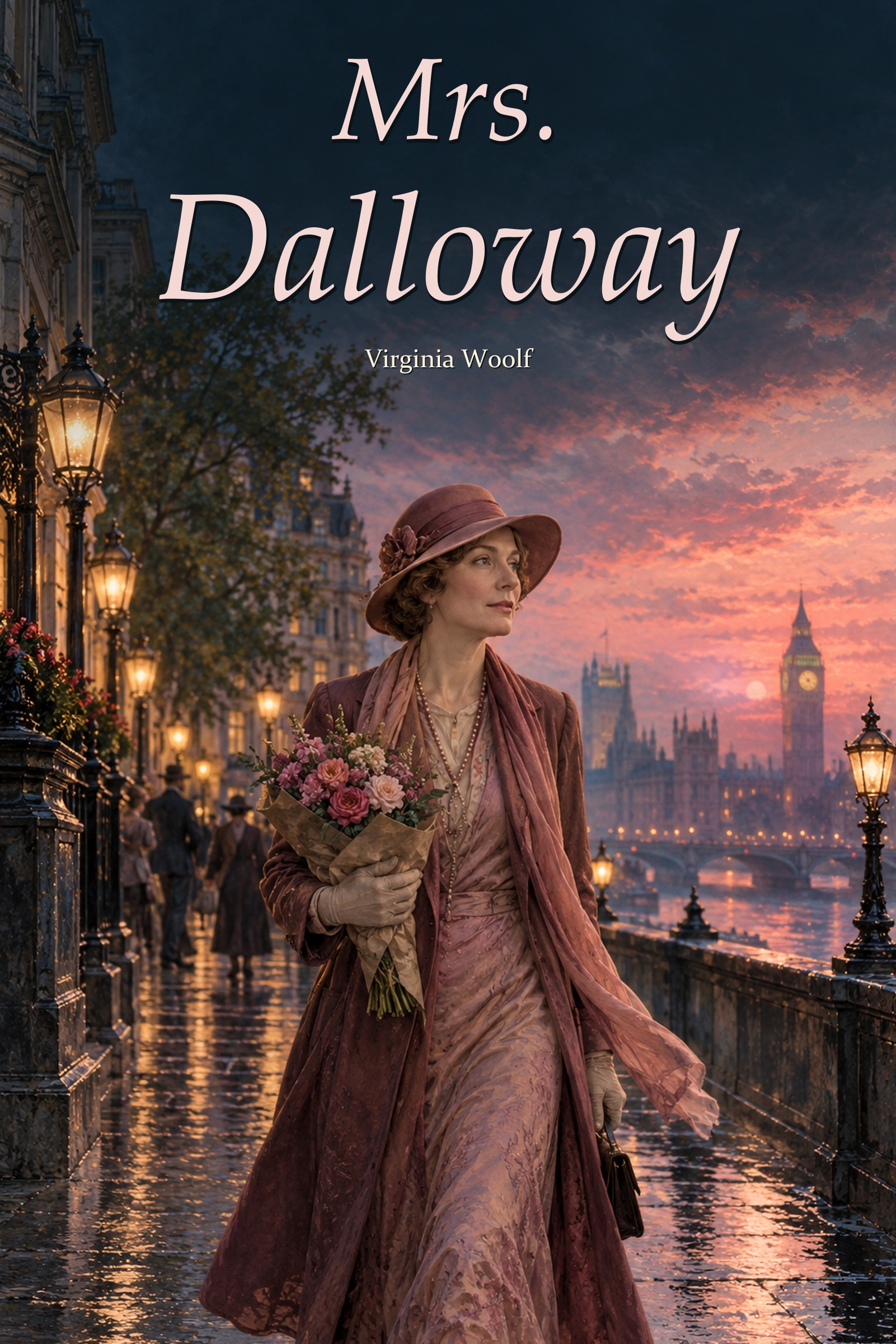
Virginia Woolf was an English novelist, essayist and critic whose writing helped shape literary modernism. Born in London, she grew up in a household rich in books and intellectual conversation. Her sister Vanessa became a painter, and both later belonged to the circle known as the Bloomsbury Group. Woolf married Leonard Woolf in 1912. Together they founded the Hogarth Press in 1917, creating a publishing venture closely connected with their literary lives. Her work ranges from novels and short fiction to reviews, diaries, letters and extended essays. In novels such as Mrs Dalloway and To the Lighthouse, the movement of thought and memory can matter as much as outward action. A passing sensation may open onto a different time, while a shared occasion reveals how differently people experience the same world. Her essays A Room of One's Own and Three Guineas examine the conditions that shape women's education, independence and creative work. Across her varied writing, Woolf asks how a life can be represented without reducing its complexity. Her sentences invite attention to the fleeting impressions and private associations that ordinary accounts of events may overlook. Biographical reference: Wikipedia, Virginia Woolf. Portrait source: George Charles Beresford photograph, 1902. Full source records are retained in the edition archive.
More about the author ↗Portrait page from this Pipcub edition