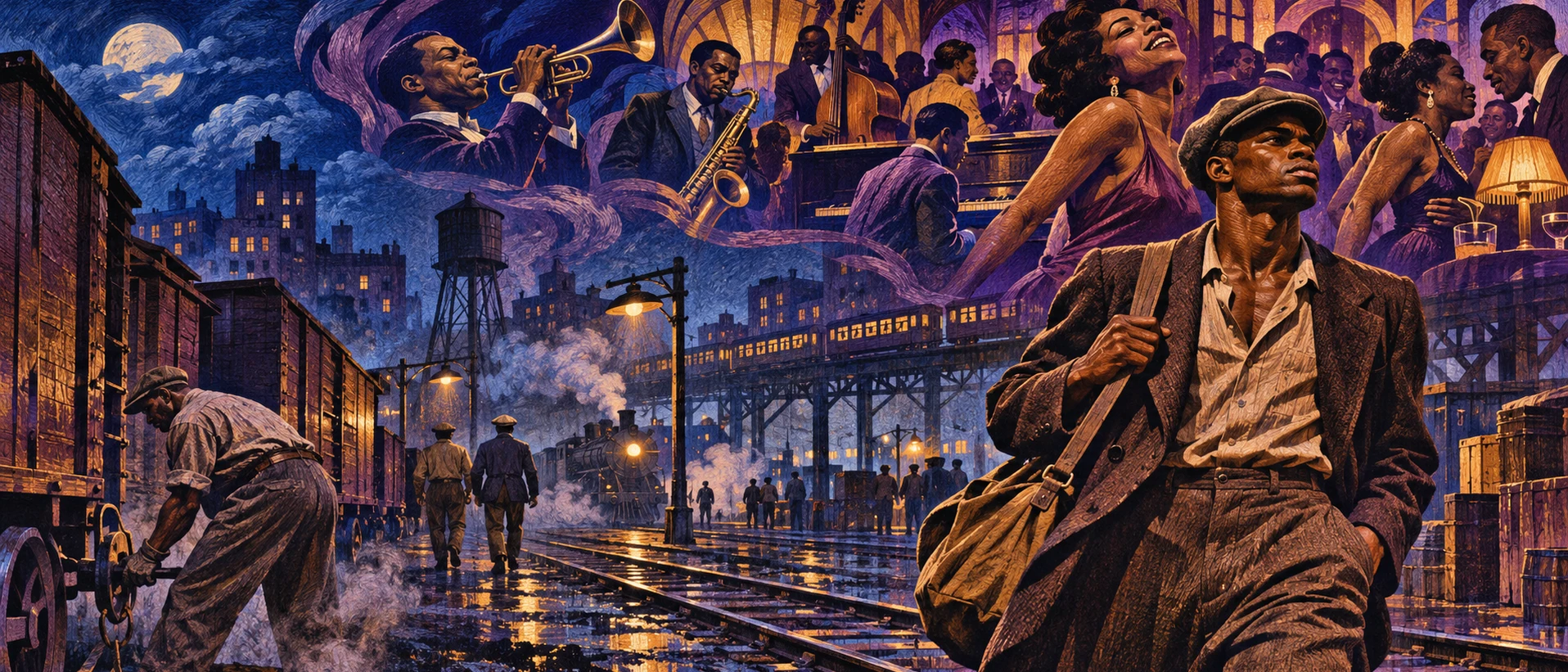
Harlem’s streets, clubs, and elevated railway surround Jake.
PIPCUB CINEMATIC EDITIONS / PAPERBACK BOOKS

Home to Harlem

Claude McKay

After leaving the army, Jake returns to the streets, clubs and rail yards of New York. Claude McKay follows the people he meets through friendship, work, desire and the rhythms of a neighborhood after dark.

$13.99

Printed for you. Shipping calculated at checkout.
Shipping & delivery Returns

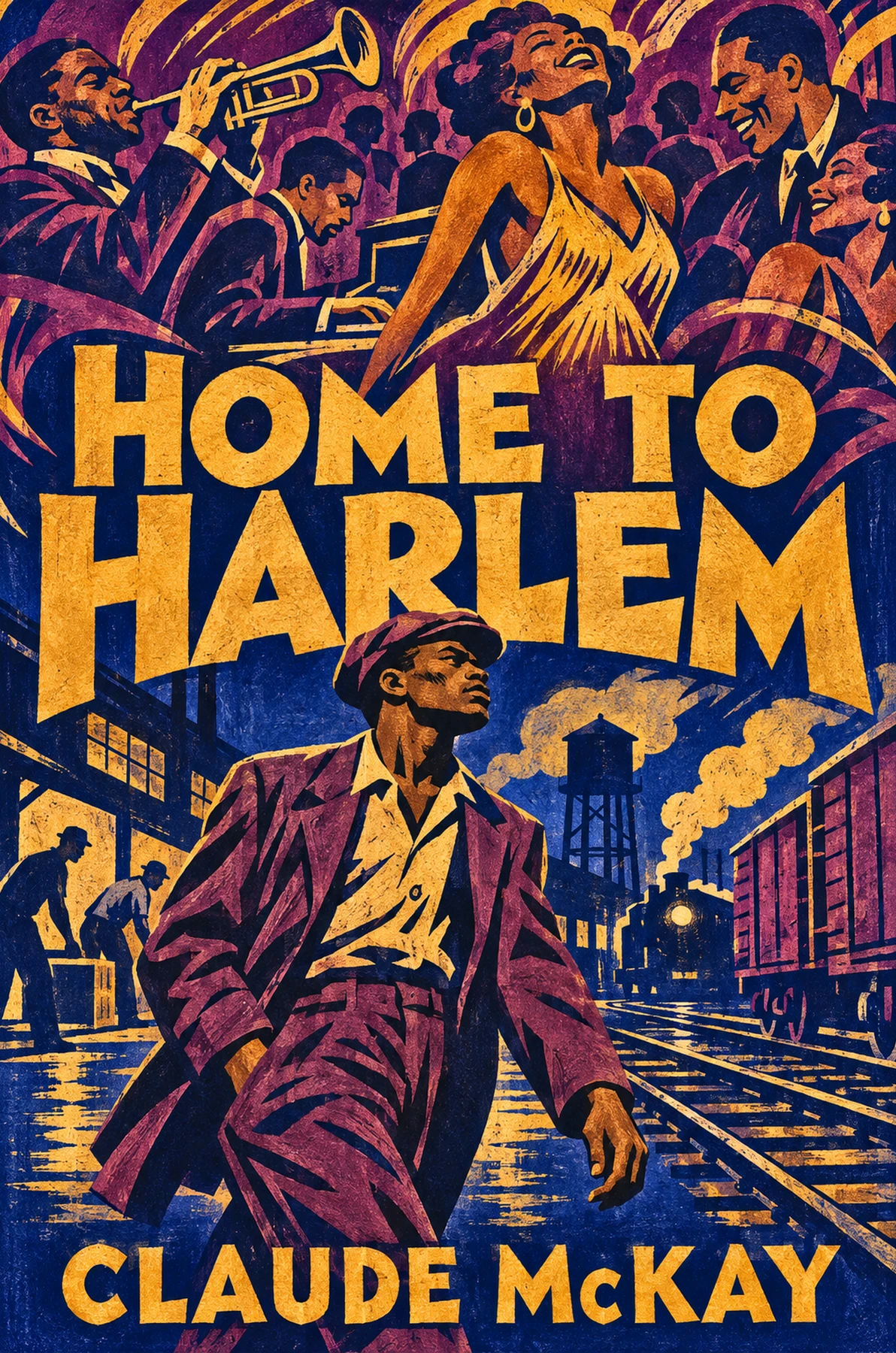
Home to Harlem — actual Pipcub paperback cover
SCROLL INTO THE STORYAN IMAGINED WORLD · ORIGINAL AI ART
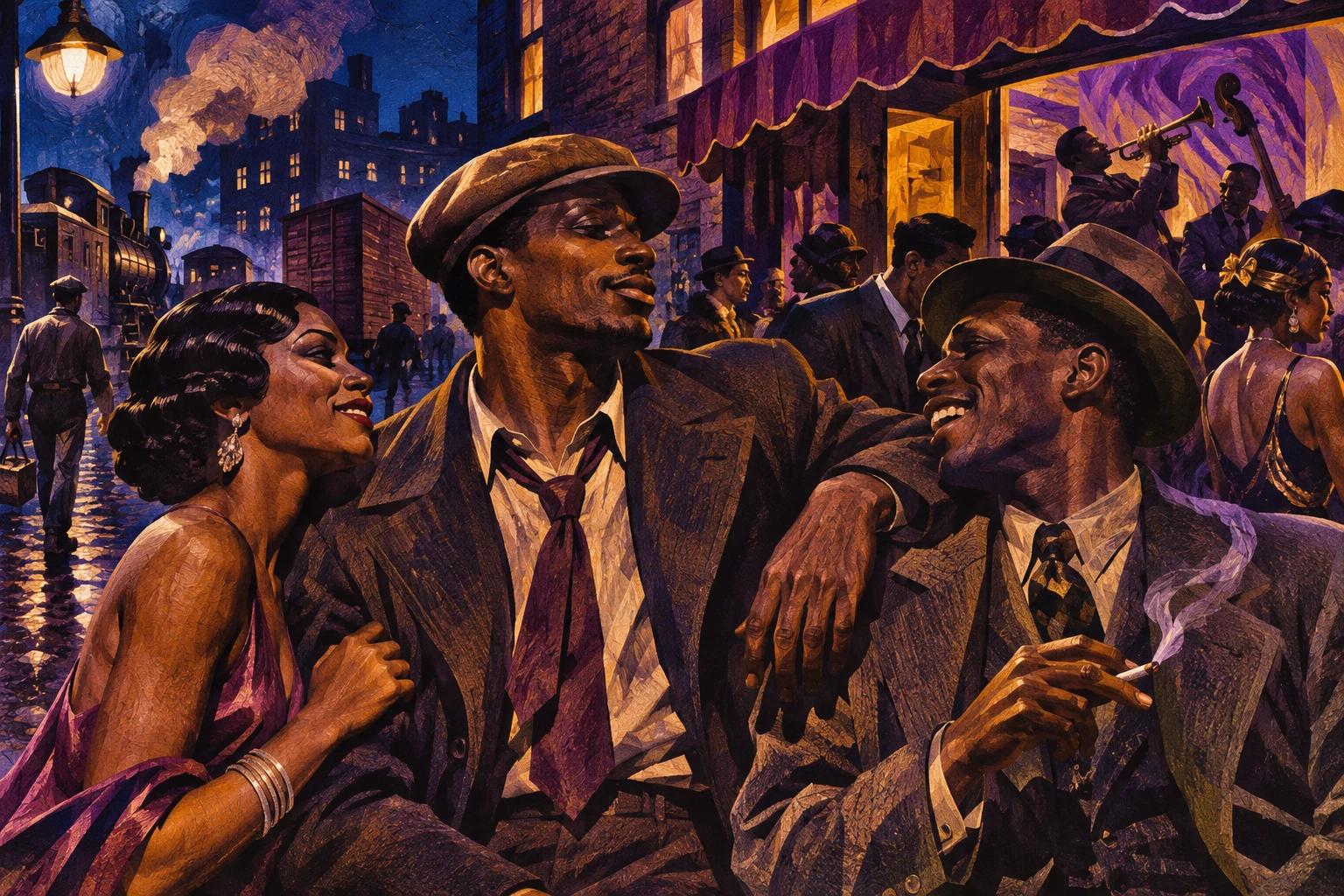
Two men talk amid the nighttime bustle of Harlem.

THE STORY

Jake is back in Harlem.

After leaving the army, Jake returns to the streets, clubs and rail yards of New York. Claude McKay follows the people he meets through friendship, work, desire and the rhythms of a neighborhood after dark.

A silver serving cover and folded linen lie beside a train window.

THE WORLD OF THE BOOK

Home to Harlem

A silver serving cover and folded linen lie beside a train window.

Home to Harlem front cover
Read the interior preview

LOOK INSIDE

Open a book.
Enter a world.

Preview six pages from this edition. Select a page to enlarge it, or use the arrows to keep reading.

Spread 1 of 3
Home to Harlem · PDF page 6
Actual interior PDF page 6 of Home to Harlem
Read accessible text

I Going Back Home All that Jake knew about the freighter on which he stoked was that it stank between sea and sky. He was working with a dirty Arab crew. The captain signed him on at Cardiff because one of the Arabs had quit the ship. Jake was used to all sorts of rough jobs, but he had never before worked in such a filthy dinghy. The white sailors who washed the ship would not wash the stokers’ water-closet, because they despised the Arabs. And the Arabs themselves made no effort to keep the place clean, although it adjoined their sleeping berth. The cooks hated the Arabs because they did not eat pork. Whenever there was pork for dinner, something else had to be prepared for the Arabs. The cooks put the stokers’ meat, cut in unappetizing chunks, in a broad pan, and the two kinds of vegetables in two other pans. The stoker who carried the food back to the bunks always put one pan inside of the other, and sometimes the bottoms were dirty and bits of potato peelings or egg shells were mixed in with the meat and the vegetables. The Arabs took up a chunk of meat with their coal-powdered fingers, bit or tore off a piece, and tossed the chunk back into the pan. It was strange to Jake that these Arabs washed themselves after eating and not before. They ate with their clothes stiff-starched to their bodies with coal and sweat. And when they were finished, they stripped and washed and went to sleep in the stinking-dirty bunks. Jake was used to the lowest and hardest sort of life, but even his leather-lined stomach could not endure the Arabs’ way of eating. Jake also began to despise the Arabs. He complained to the cooks about the food. He gave the chef a ten-shilling note, and the chef gave him his eats separately. One of the sailors flattered Jake. “You’re the same like us chaps. You ain’t like them dirty jabbering coolies.” But Jake smiled and shook his head in a noncommittal way. He knew that if he was just like the white sailors, he might have signed on as a deckhand and not as a stoker. He didn’t care about the dirty Claude McKay 3

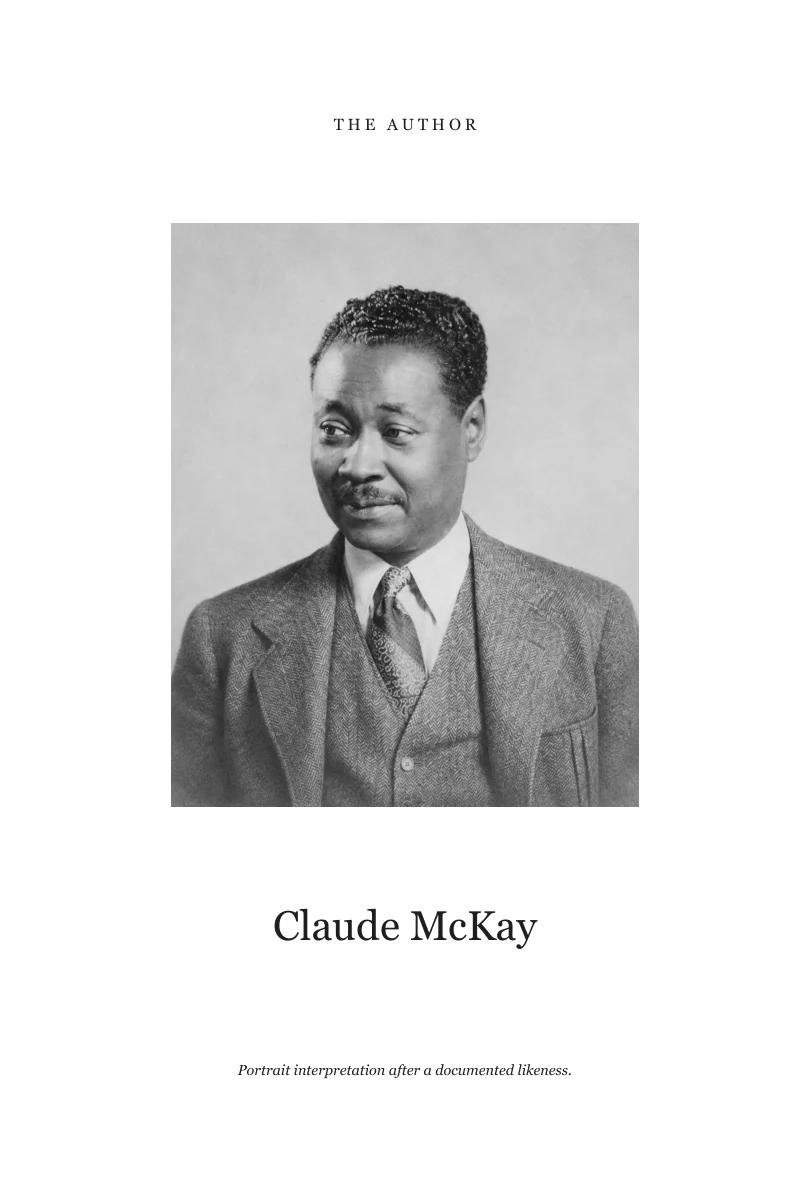
Portrait page from this Pipcub edition · Claude McKay

ABOUT THE AUTHOR

Claude McKay

Claude McKay was born in Jamaica and began publishing poetry before moving to the United States. His writing traveled across forms and borders, from verse in Jamaican speech to sonnets, reportage and novels. Work, migration and the experience of racial prejudice recur throughout it. Home to Harlem draws its energy from streets, lodging houses, railway work and nightlife. McKay gives room to the pleasure of company as well as the strains within it, allowing characters with very different ideas about freedom to share the same city.

More about the author ↗

Portrait page from this Pipcub edition

FREE TO READ

Take it with you.

Home to Harlem is in the public domain, so its words belong to everyone. Download our edition free. No account needed.

Read it in your browser ↗
Add it to your reading app
iPhone & iPad
Tap download, then open the file from Safari’s downloads, tap Share and choose Books. It stays in your Apple Books library.
Android
Tap download, open the file and choose Google Play Books. Or, in Play Books, go to Library, tap ⋮ and choose Upload files.
Kindle
Send the file to your Kindle library with Amazon’s Send to Kindle.
Kobo, Moon+ Reader and other apps
Open the downloaded file with the app, or use the app’s import option.

KEEP BROWSING

More from the library.

His Masterpiece cover

His Masterpiece

Émile Zola

Historical Miniatures cover

Historical Miniatures

August Strindberg

Holiday Tales: Christmas in the Adirondacks cover

Holiday Tales: Christmas in the Adirondacks

W. H. H. Murray

Hospital Sketches cover

Hospital Sketches

Louisa May Alcott

Hot Countries cover

Hot Countries

Alec Waugh

How It Happened cover

How It Happened

Kate Langley Bosher

Browse the complete library ↗
YOUR NEXT CHAPTER

Your book bag 0

A little escape. A story to keep.

Loading your book bag…