THE STORY
What does civilization cost the individual?
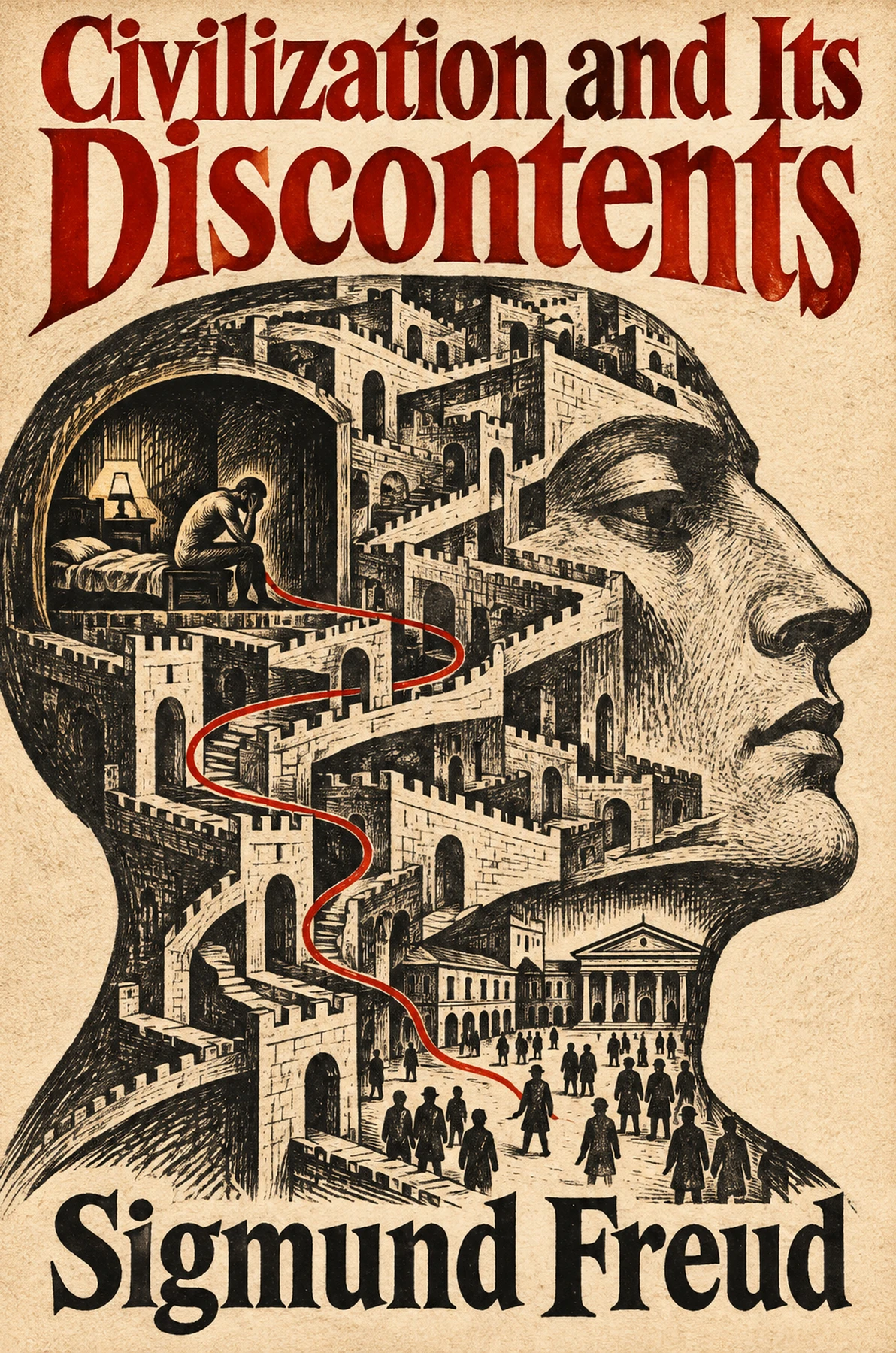
Sigmund Freud asks how social life is made possible and why its demands can leave people unhappy. Affection, aggression and guilt lie at the heart of his argument.
Browse collections

Find your next chapter
Explore timeless stories, unexpected discoveries, and old favourites.
Sigmund Freud asks how social life is made possible and why its demands can leave people unhappy. Affection, aggression and guilt lie at the heart of his argument.
$10.99
Printed for you. Shipping calculated at checkout.

THE STORY
Sigmund Freud asks how social life is made possible and why its demands can leave people unhappy. Affection, aggression and guilt lie at the heart of his argument.
THE WORLD OF THE BOOK
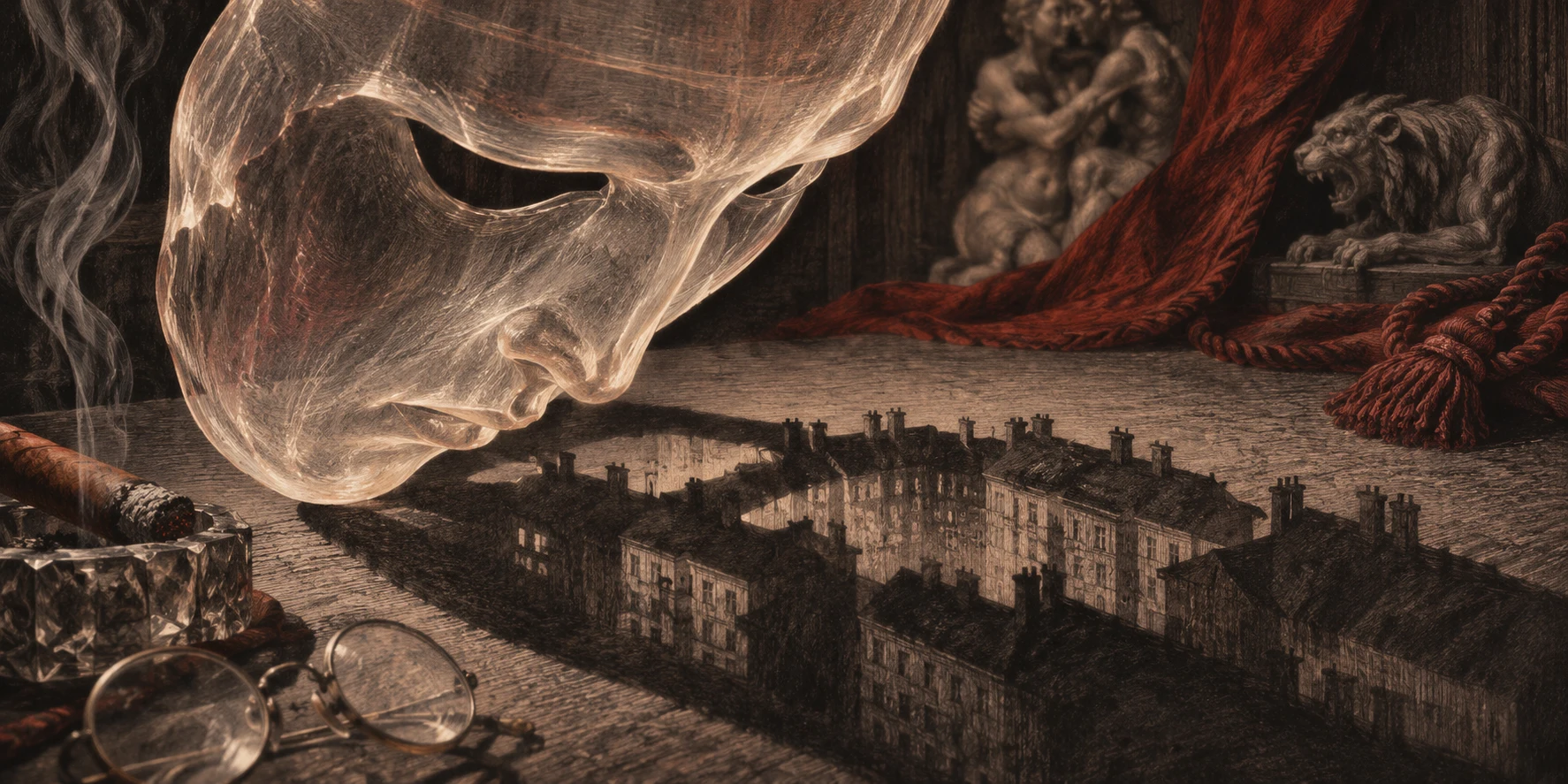
A transparent face hovers over a crowded avenue.
LOOK INSIDE
Preview six pages from this edition. Select a page to enlarge it, or use the arrows to keep reading.
Spread 1 of 3
ABOUT THE AUTHOR
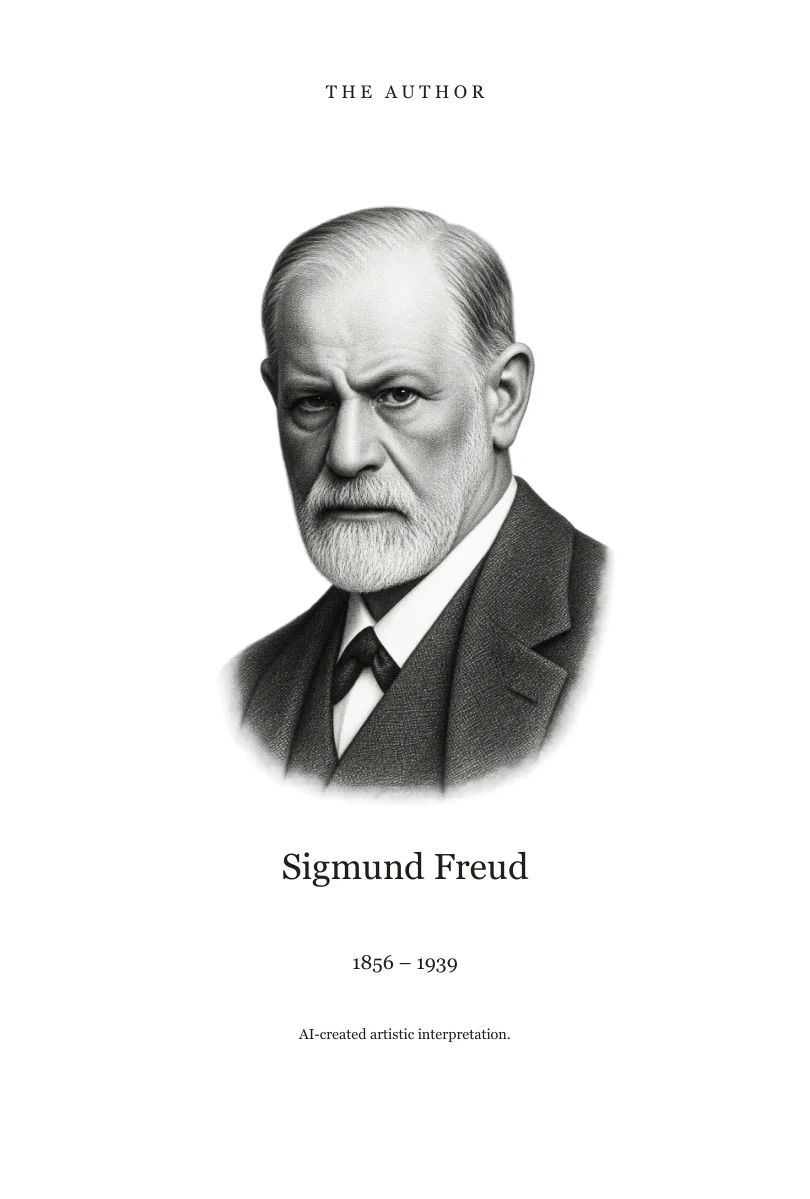
Sigmund Freud was an Austrian neurologist and the founder of psychoanalysis. He drew on dreams, recollections and clinical encounters in developing his account of unconscious mental processes. This book presents his historical approach to dreams. Freud approached questions about dreaming after medical training and work in neurology. His practice in Vienna brought him into sustained conversation with patients about thoughts, memories and associations. The technique of following an association gave his writing a distinctive shape. A detail that looks inconsequential in the first telling may occupy several pages once the dreamer begins to say what it recalls. The Interpretation of Dreams belongs to the early history of psychoanalysis. Freud uses his own dreams as well as material drawn from clinical work, moving between the story a sleeper remembers and the account he constructs of its formation. A reader can follow those stages of reasoning while distinguishing the reported experience from the interpretation he proposes.
More about the author ↗THE NEXT CHAPTER
FREE TO READ
Civilization and Its Discontents is in the public domain, so its words belong to everyone. Download our edition free. No account needed.
Best for phones, Apple Books, Google Play Books, Kobo and Kindle
The printed page layout, with illustrations
KEEP BROWSING