THE STORY
How does a storyteller come to hear his own voice?
Sherwood Anderson looks back on work, family and the making of a writer. His account follows the pressure of experience as it finds its way into stories.
Browse collections

Find your next chapter
Explore timeless stories, unexpected discoveries, and old favourites.
Sherwood Anderson looks back on work, family and the making of a writer. His account follows the pressure of experience as it finds its way into stories.
$16.99
Printed for you. Shipping calculated at checkout.
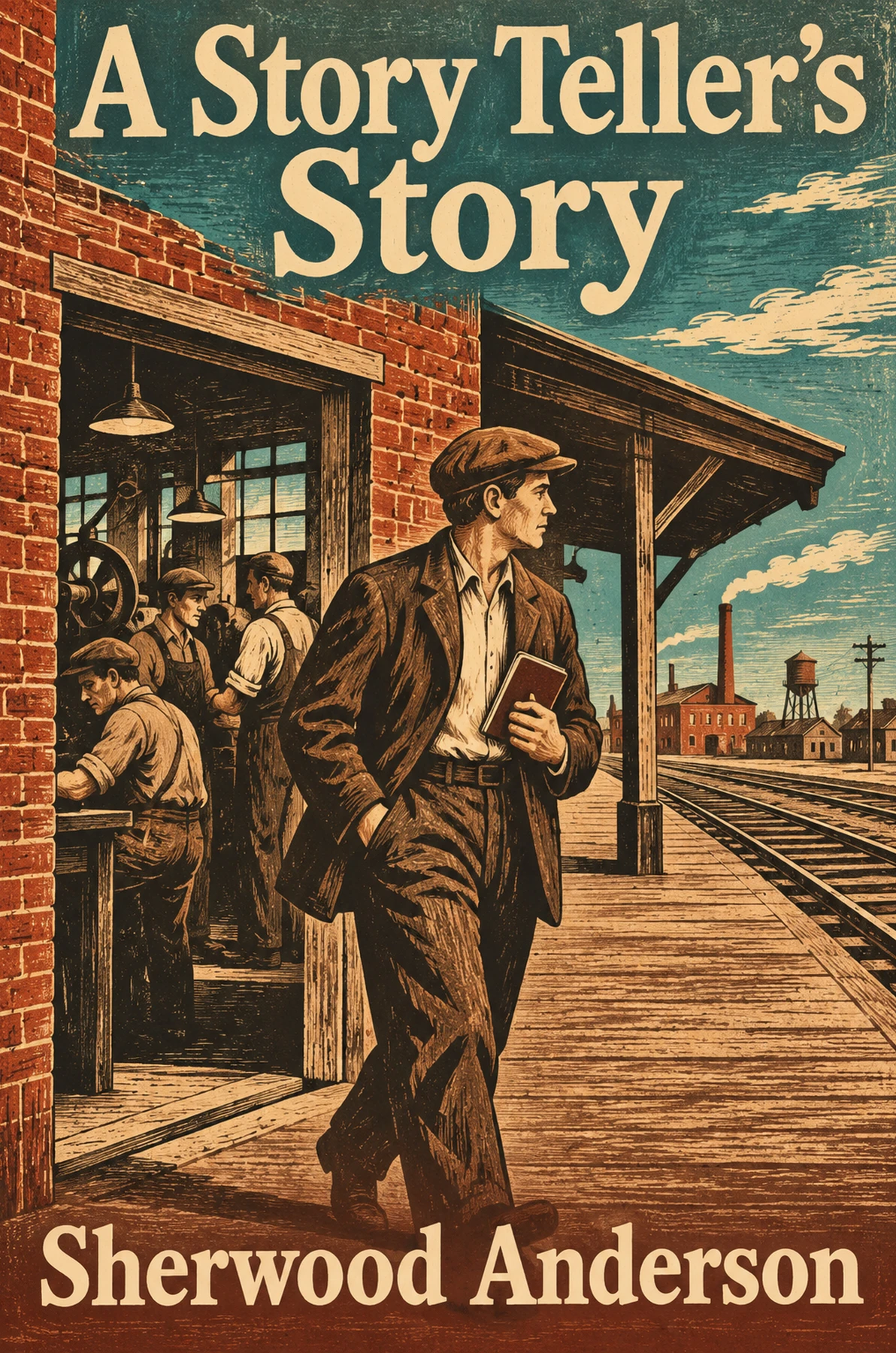

THE STORY
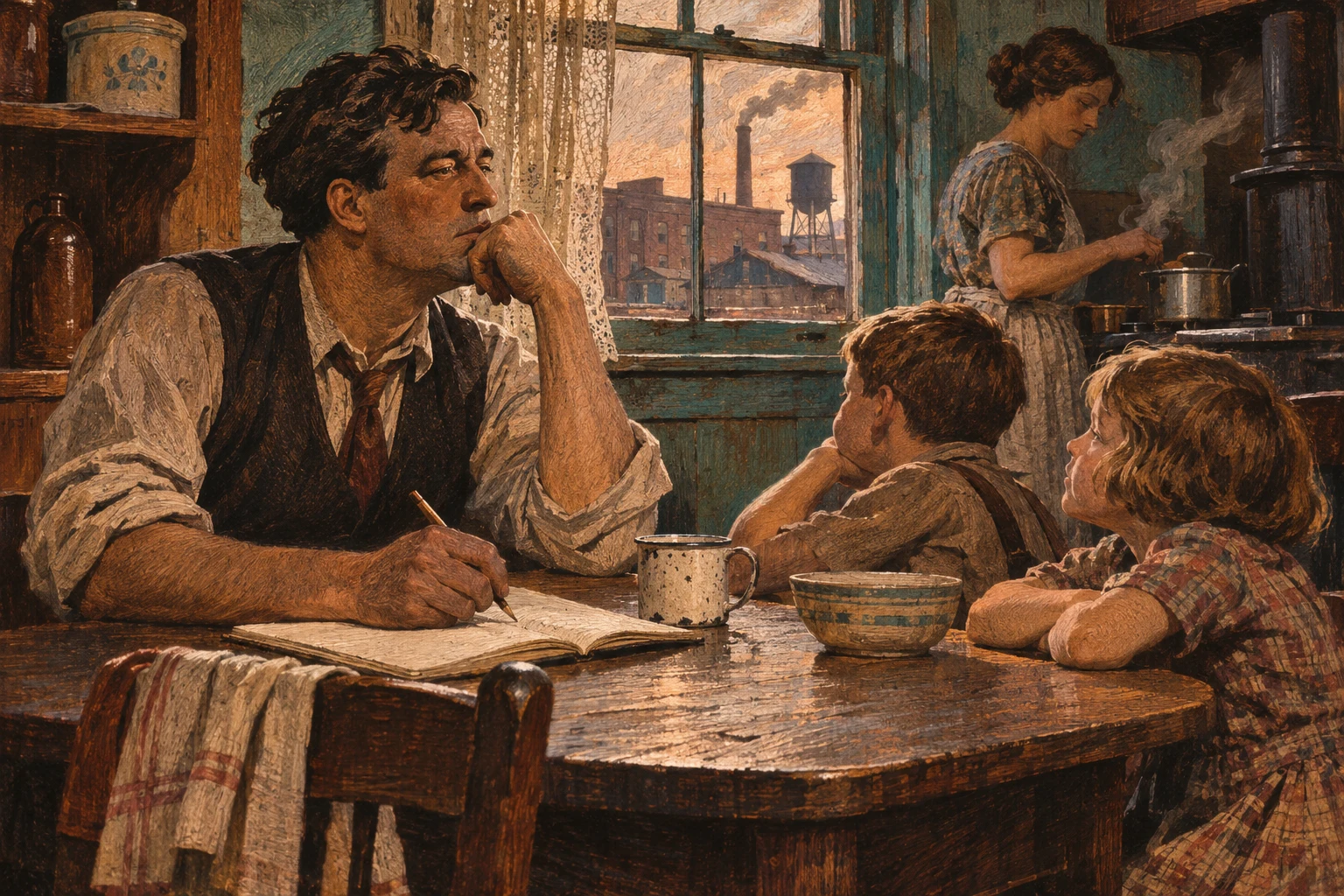
Sherwood Anderson looks back on work, family and the making of a writer. His account follows the pressure of experience as it finds its way into stories.
THE WORLD OF THE BOOK
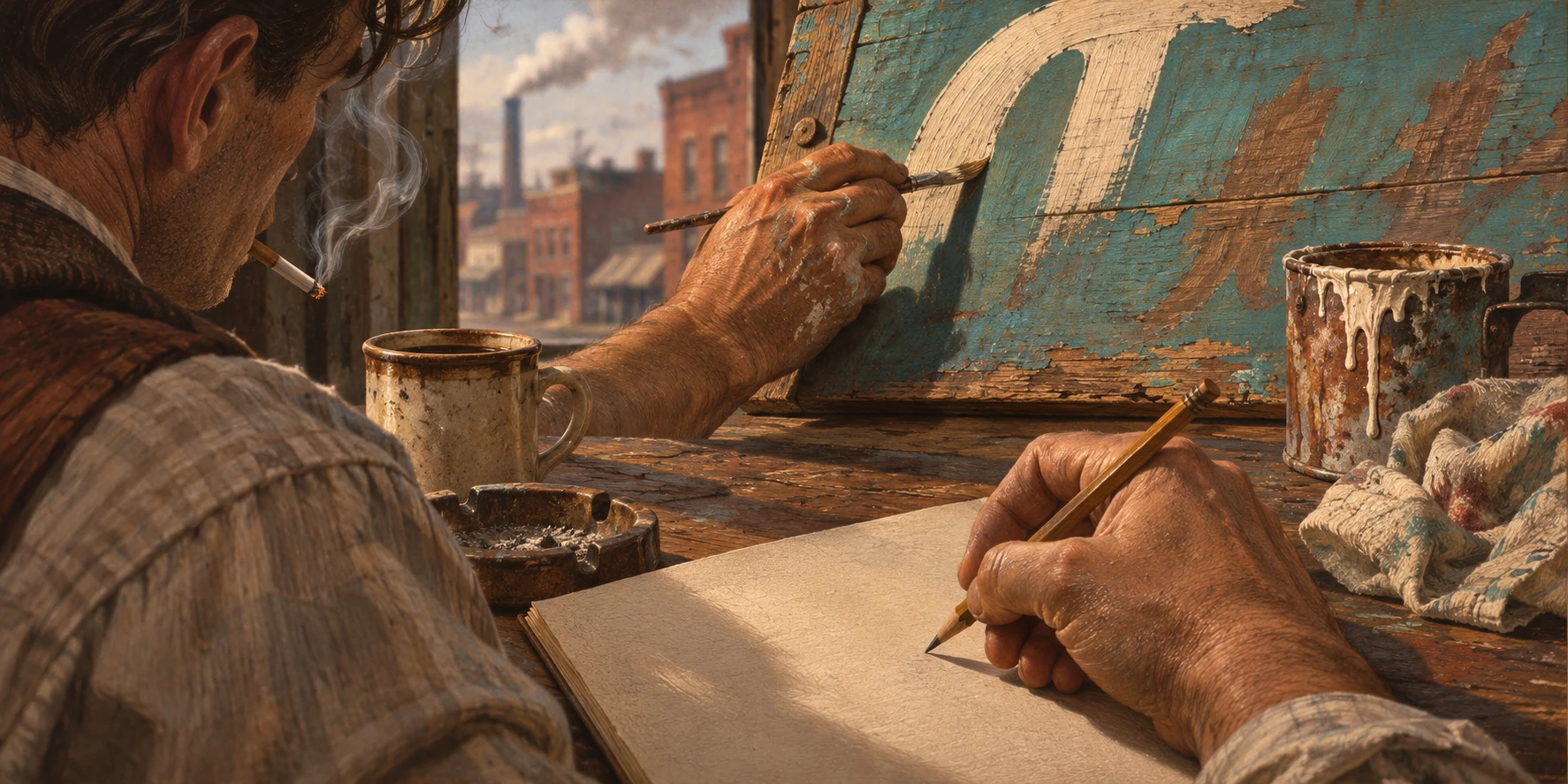
A hand paints a sign while another writes on paper.
LOOK INSIDE
Preview six pages from this edition. Select a page to enlarge it, or use the arrows to keep reading.
Spread 1 of 3

ABOUT THE AUTHOR
Sherwood Anderson was an American writer born in Camden, Ohio, in 1876. He left school while young to help support his family and worked at a variety of jobs. Advertising and business occupied much of his early adult life before writing became his central vocation. After a personal crisis in 1912, Anderson returned to Chicago, wrote advertising copy and became involved with the city's writers and artists. His first novel, Windy McPherson's Son, appeared in 1916. The linked stories of Winesburg, Ohio, published in 1919, became his best-known work. In these stories, the lives of a small community emerge through encounters, memories and attempts at confession. Characters struggle to communicate feelings that ordinary social language seems unable to contain. Anderson gives pauses, awkward gestures and seemingly minor incidents unusual emotional weight, allowing loneliness and longing to shape the narrative. He continued to publish fiction and nonfiction, and later made a home in southwestern Virginia, where he also owned local newspapers. He died in 1941. His writing invites attention to people whose inner lives are easily overlooked. The apparent simplicity of his storytelling opens onto difficult questions about intimacy, self-knowledge and the possibility of being understood by another person. Biographical references: Virginia Tech Special Collections and University Archives. Portrait source: Alfred Stieglitz photograph, published in Theatre Magazine, 1928. Full source records retained in the edition archive.
More about the author ↗THE NEXT CHAPTER
FREE TO READ
A Story Teller's Story is in the public domain, so its words belong to everyone. Download our edition free. No account needed.
Best for phones, Apple Books, Google Play Books, Kobo and Kindle
The printed page layout, with illustrations
KEEP BROWSING