BEGIN HERE
The longest journey is the journey home.
The Odyssey
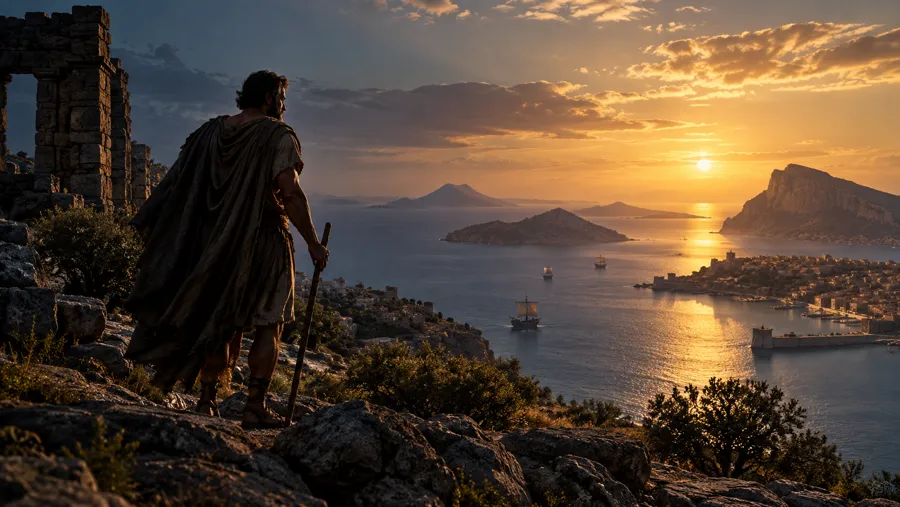
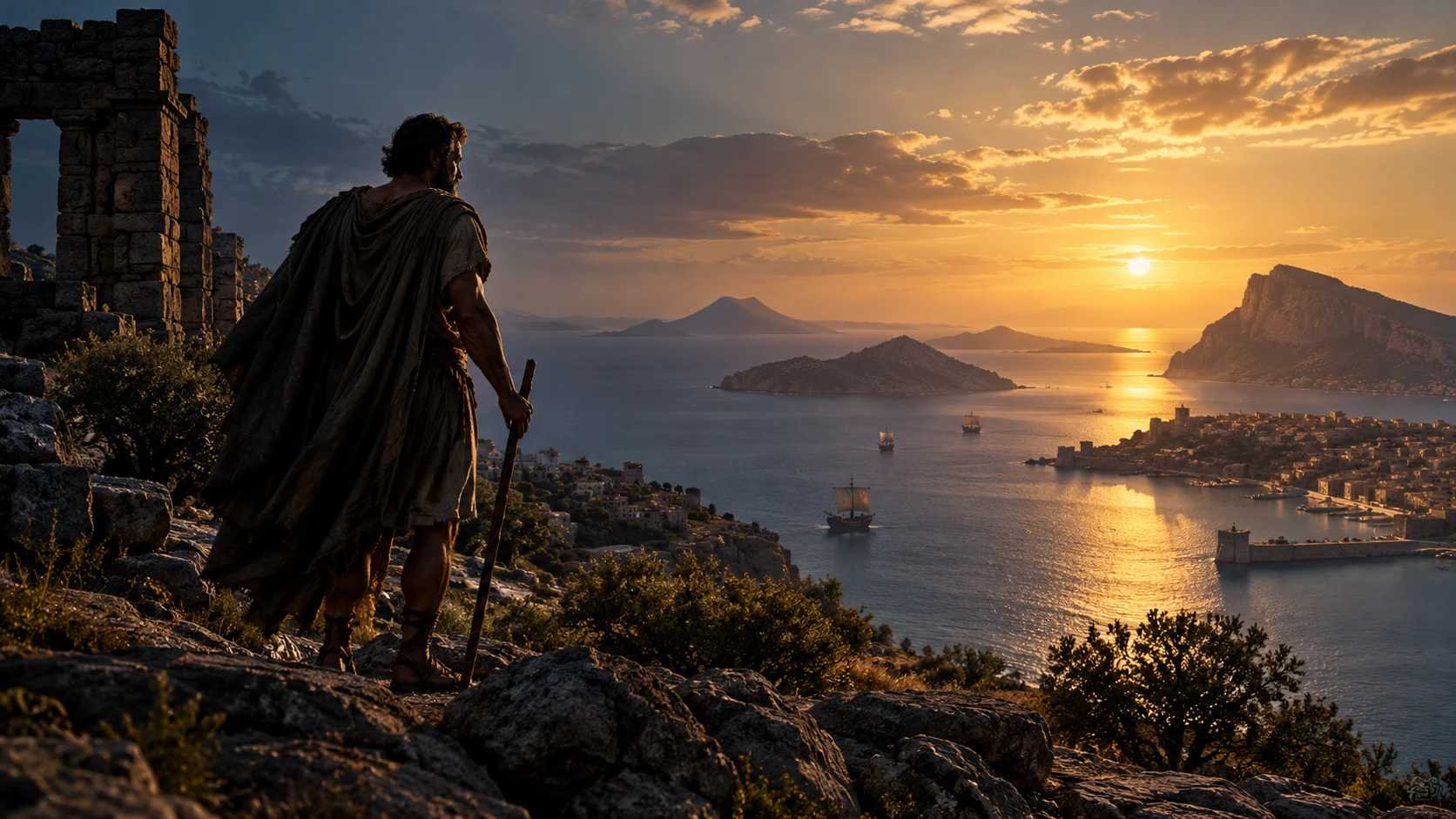
After the war at Troy, Ulysses struggles to return to Ithaca.

Browse collections

Find your next chapter
Explore timeless stories, unexpected discoveries, and old favourites.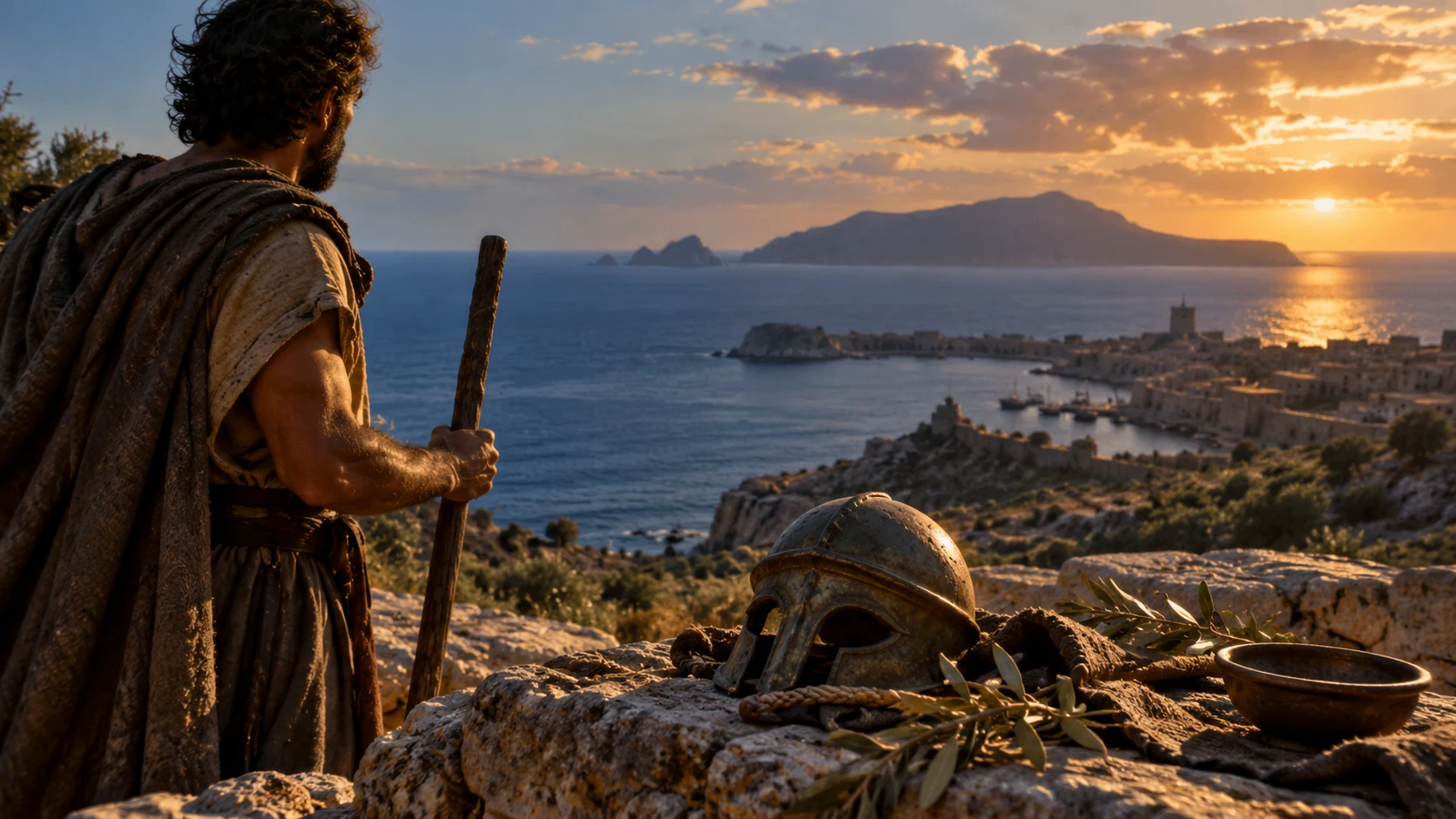
Homer is the name traditionally associated with the Iliad and the Odyssey, two foundational poems of ancient Greek literature.
THE LIFE
Homer is the name traditionally associated with the Iliad and the Odyssey, two foundational poems of ancient Greek literature. A secure account of the poet's life cannot be reconstructed. Ancient claims about his birthplace and personal history belong to traditions that developed around the poems, rather than to a reliable contemporary biography.
The epics emerged from a long culture of oral storytelling. Their relationship to an individual poet, to earlier singers and to the processes of composition and transmission remains a subject of scholarship. The familiar image of a blind, wandering bard should therefore be approached as a tradition, not as an established description of the historical author.
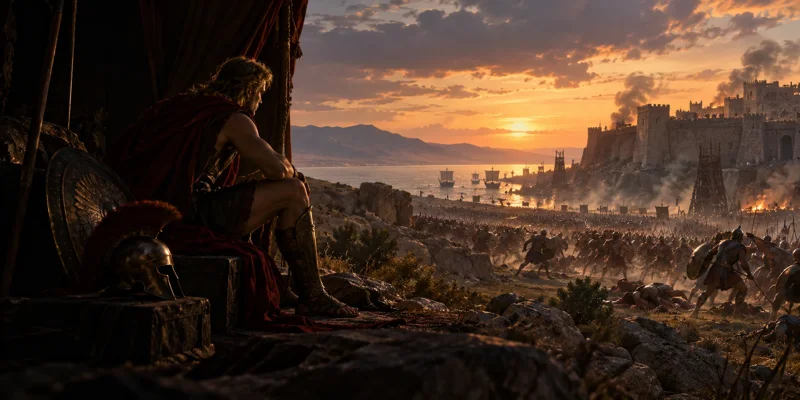
The Iliad concentrates on conflict and loss during the Trojan War; the Odyssey follows a difficult homecoming. Their worlds connect extraordinary adventures with recognisable human concerns: loyalty, grief, hospitality, pride and the longing to return. Generations of readers and writers have found new meanings in these encounters.
No portrait appears in this edition because no reliable likeness of Homer is known. Ancient busts and later paintings express how artists imagined the poet. They are important evidence of his reputation, but they cannot show us with confidence what he looked like.
References: Oxford Classical Dictionary, Homer; British Museum, Troy exhibition guide; Academy of American Poets.
BEGIN HERE
The Odyssey
After the war at Troy, Ulysses struggles to return to Ithaca.
THE WORKS
KINDRED SPIRITS