BEGIN HERE · PIPCUB EDITIONS
What did the Greeks hear in tragedy?
The Birth of Tragedy
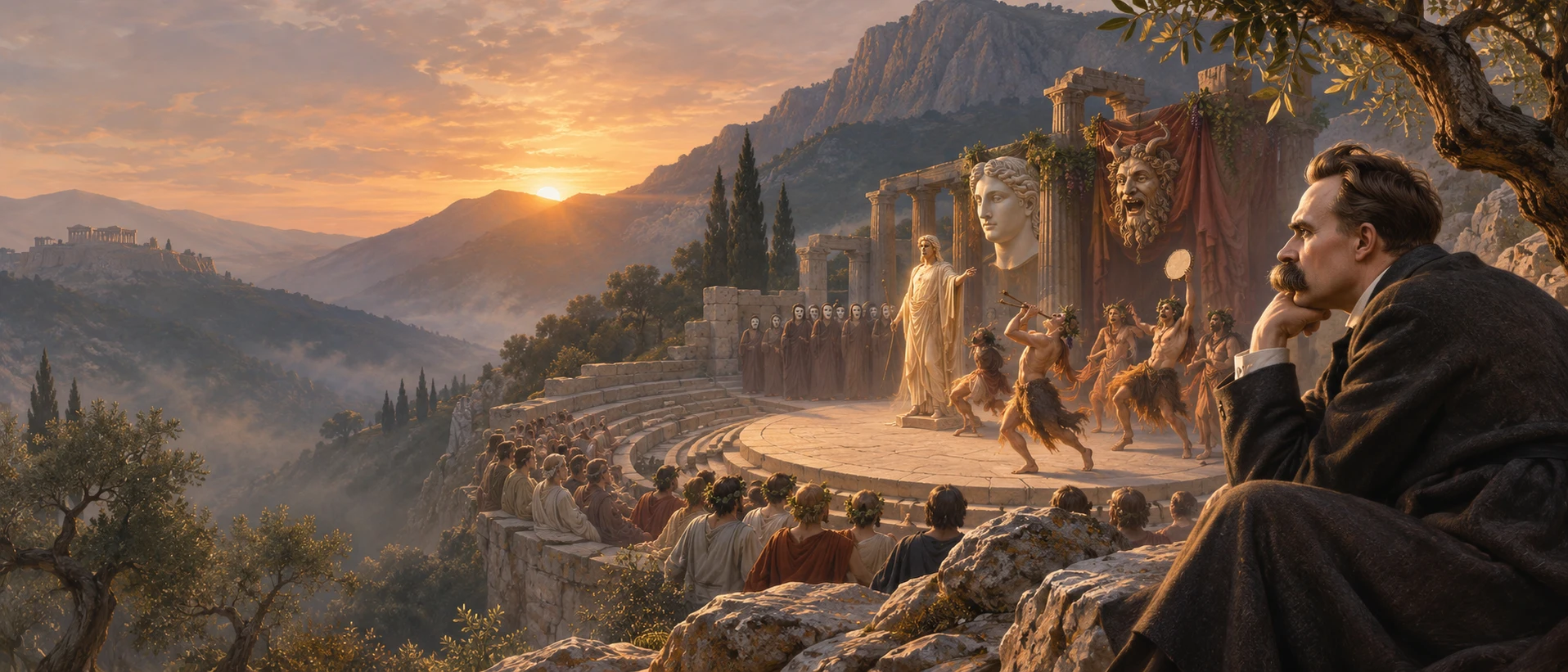
Nietzsche listens for the meeting of Apollonian form and Dionysian ecstasy in the origins of Greek drama.

Browse collections

Find your next chapter
Explore timeless stories, unexpected discoveries, and old favourites.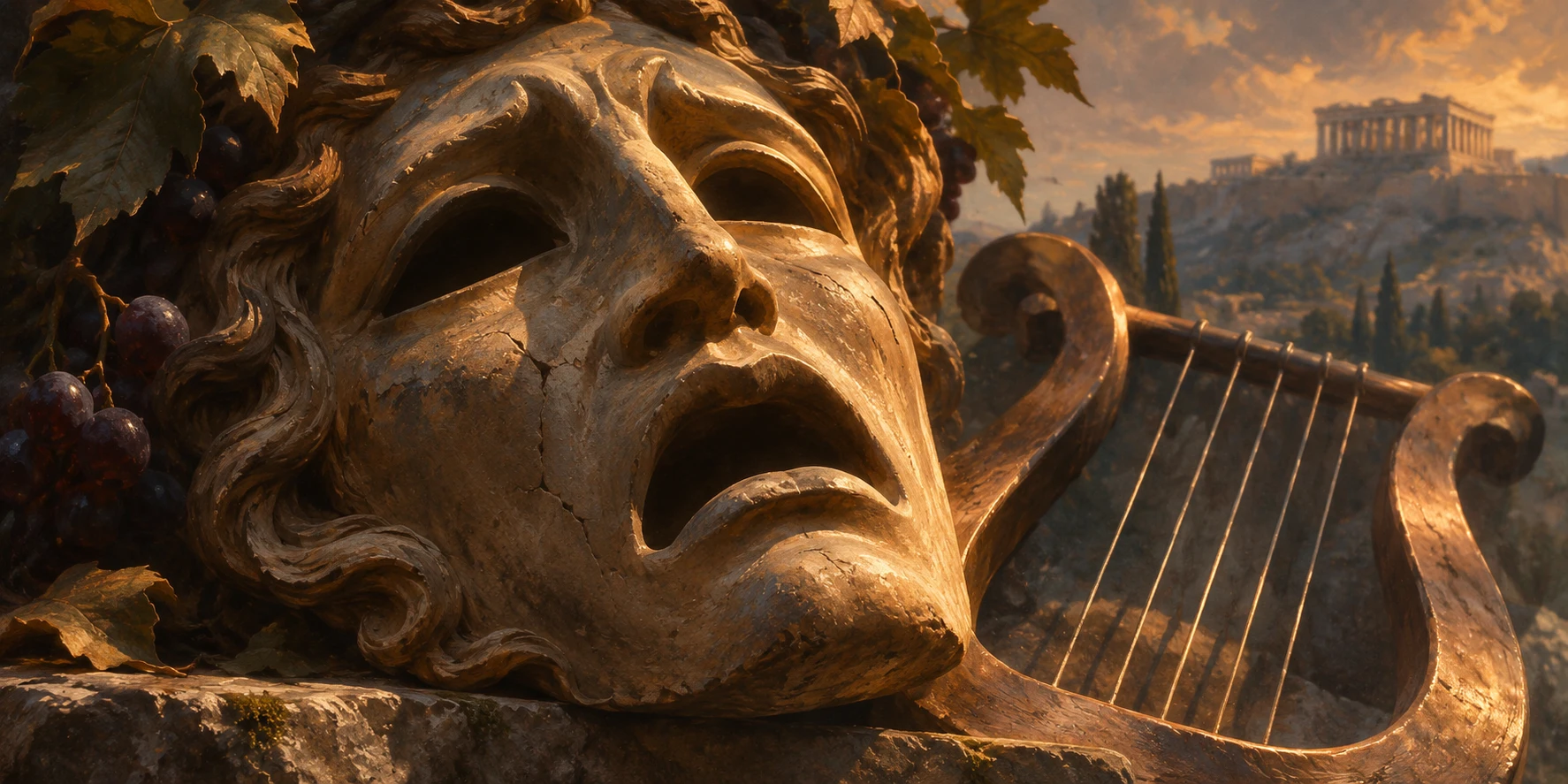
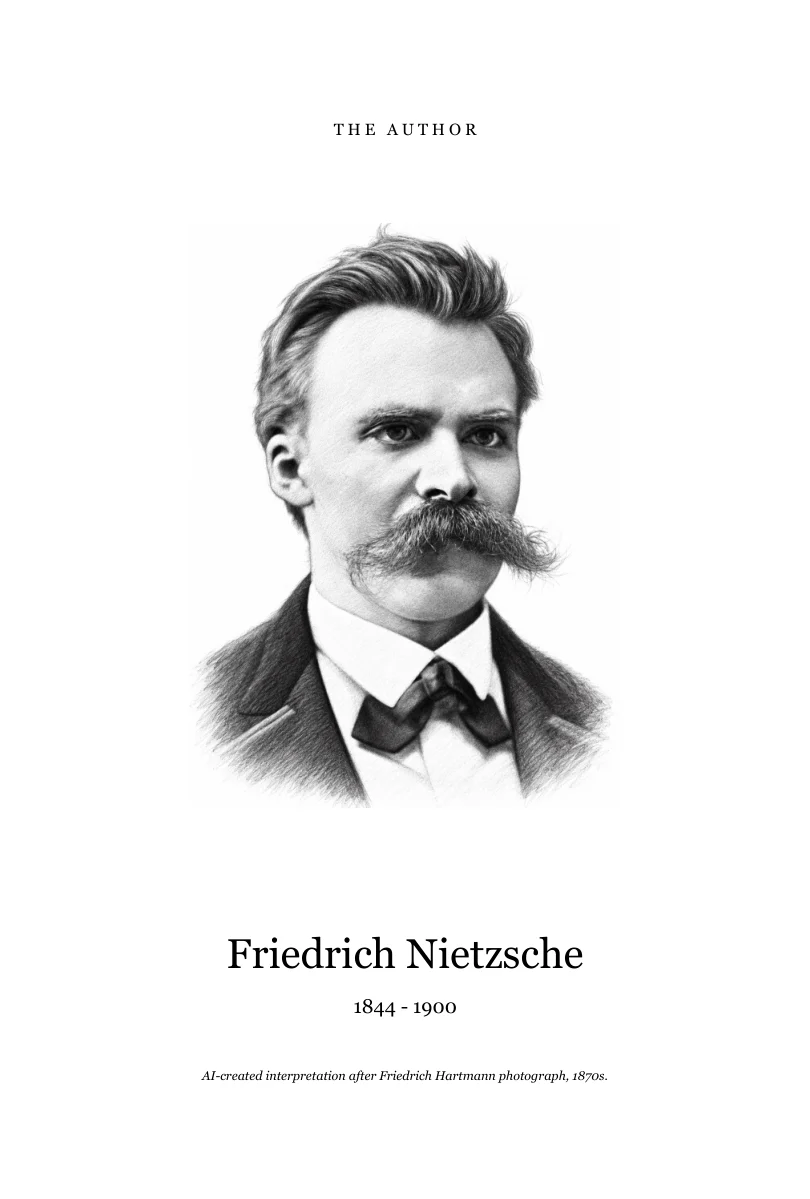
Friedrich Nietzsche was a German philosopher and writer who began his career as a scholar of classical languages and literature.
THE LIFE
Friedrich Nietzsche was a German philosopher and writer who began his career as a scholar of classical languages and literature. In 1869, at the age of twenty-four, he became professor of classical philology at the University of Basel. Persistent ill health led him to leave the post in 1879.
He subsequently lived and wrote in several parts of Switzerland, Italy and France. His books combine philosophical argument with aphorisms, poetry, satire and sharp shifts of voice. Rather than presenting a single orderly system, he repeatedly tests assumptions about morality, religion, knowledge and the value of human life.
Nietzsche asks how inherited values arise and whose needs they serve. His work challenges complacency and explores the possibility of creating values after traditional sources of authority lose their force. These questions make his writing influential, but also resistant to reduction to isolated slogans.
A collapse in 1889 ended his productive career. He spent his remaining years in the care of family and died in 1900. The later editing and political appropriation of his writings complicated their reception. Readers benefit from distinguishing the works he published from posthumous selections, and from attending to irony, context and changes of perspective within his arguments.
Pipcub editorial
BEGIN HERE · PIPCUB EDITIONS
The Birth of Tragedy
Nietzsche listens for the meeting of Apollonian form and Dionysian ecstasy in the origins of Greek drama.
KINDRED SPIRITS