
Aesop

Aesop is the name traditionally associated with a storyteller of ancient Greece, usually placed in the sixth century BCE. Accounts of his life combine history and legend; neither his precise dates nor his appearance can be established with certainty.

In the library
1 edition
Pages to explore
202
Edition
$14.99
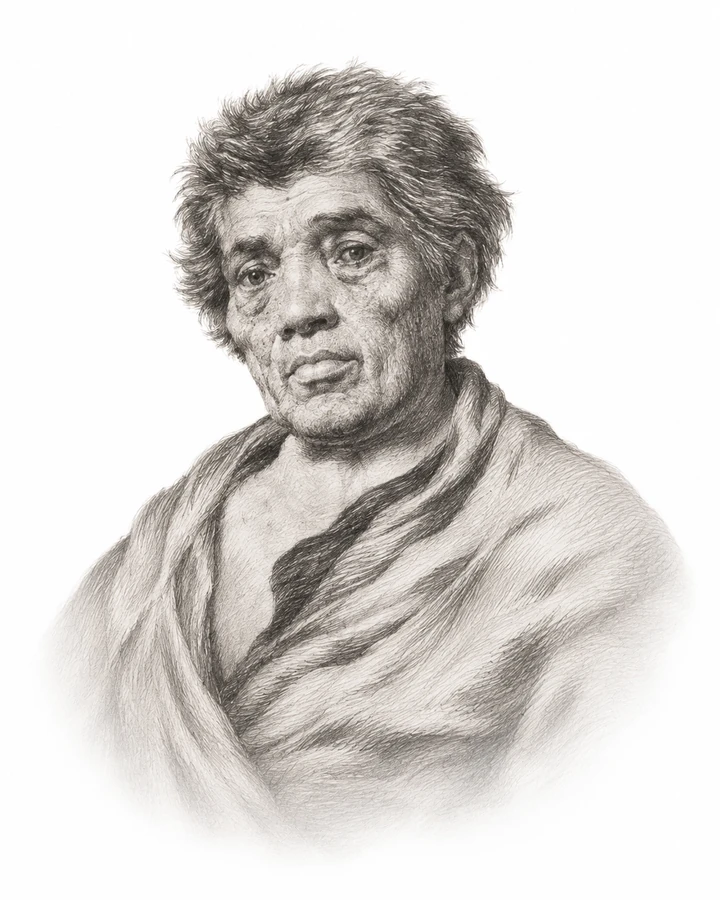
Illustration of Aesop
Historical imagining after Goya 1778 after Velazquez, not authenticated likeness

THE LIFE

About Aesop

Aesop is the name traditionally associated with a storyteller of ancient Greece, usually placed in the sixth century BCE. Accounts of his life combine history and legend; neither his precise dates nor his appearance can be established with certainty.

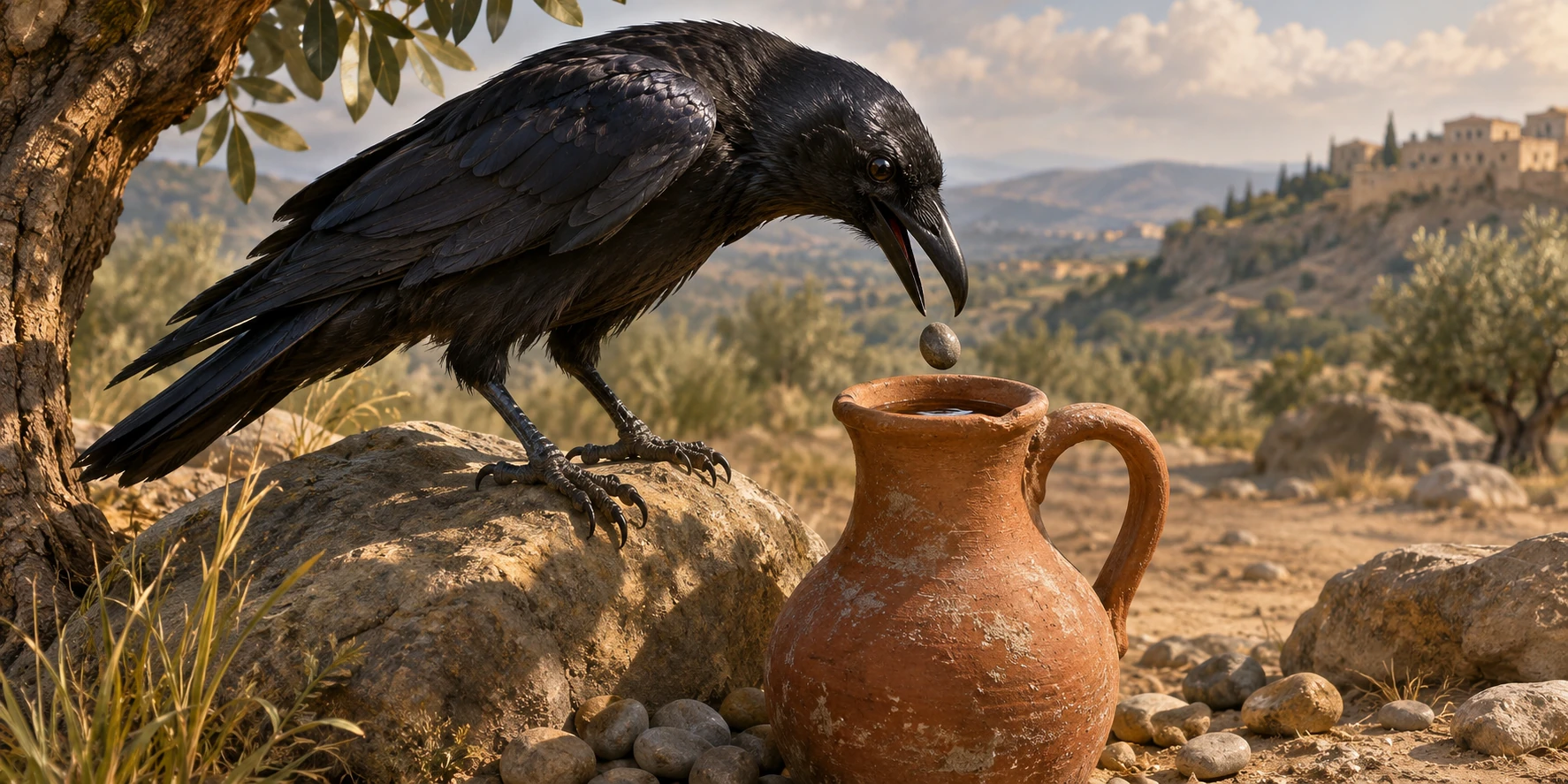
The fables bearing his name grew through a long tradition of oral storytelling, collection and adaptation. Their foxes, lions, mice and other creatures expose recognizable human habits: vanity, greed, kindness, pride and practical wisdom. A brief encounter often turns on an unexpected reversal, leaving the reader to consider its lesson.

This edition presents V. S. Vernon Jones’s English translation, with G. K. Chesterton’s introduction and Arthur Rackham’s illustrations, first published together in 1912. It preserves the historical collection rather than claiming that every tale was written by a single known author.

Sources: Chesterton’s introduction to this edition; Onassis Library, Aesop’s Fables (1912); National Gallery of Art, Aesopvs (1778).

Pipcub editorial

Tortoise and Hare: a dusty woodland racecourse with the slow tortoise nearing the finish under summer shade

BEGIN HERE · PIPCUB EDITIONS

Aesop’s Fables

Aesop’s Fables

This collection brings together the short tales traditionally known as Aesop’s Fables in the English translation of V. S. Vernon Jones, with an introduction by G. K. Chesterton and illustrations by Arthur Rackham. Their collaboration was first published in 1912. The historical text has been reset with clear type and generous margins. The original introduction, contents, illustration list and fables are retained, together with the illustrations supplied in the source transcription. Original language and period attitudes remain part of the historical work. The new author portrait follows an eighteenthcentury artistic imagining. It does not represent a documented likeness of the ancient storyteller.


Step inside 202 pages · $14.99
Aesop’s Fables cover

KINDRED SPIRITS

If you love Aesop, meet…

Who will you read next?

Or browse every author, A–Z
YOUR NEXT CHAPTER

Your book bag 0

A little escape. A story to keep.

Loading your book bag…